
 EU
EU
 UK
UK
 US
US
 CA
CA



Winter brings cold temperatures, rain, road salt, and shorter daylight—none of which are ideal for an e-bike if you’re not prepared. This updated guide covers two common situations:
- Storing your e-bike for winter (weeks to months without riding)
- Riding your e-bike in winter (commuting or occasional rides)
Want model-specific storage and maintenance guidance? Start with your exact manual here: Jasionbike User Manual Download.
Looking for a bike that fits your winter commute or all-terrain needs? Explore Jasion Electric Bikes.

Quick Answers
- Best battery storage level: store partially charged (commonly around 30–60% per Bosch; many battery care guides recommend partial-charge storage). Avoid storing fully charged or fully empty.
- Best storage temperature: keep the battery at room temperature in a dry room; avoid freezing temps.
- Cold weather range drop is normal: performance and range typically decrease in cold weather, especially below freezing.
- Big winter mistakes: leaving the battery in an unheated shed/garage, charging a frozen battery, and letting tires sit under load without moving for months.
Part A: Storing Your E-Bike for the Winter (Weeks to Months)
1) Choose the Right Storage Location (Bike + Battery)
Ideal for the bike: a cool, dry place with stable temperature and low humidity (avoid repeated freeze/thaw and condensation).
Ideal for the battery: room temperature in a dry room. Bosch recommends storing the battery at room temperature and in a dry room, and not near flammable/combustible objects (and storing in a room with a working smoke detector).
Rule of thumb: If the space feels too cold/damp for you, it’s usually too harsh for long-term battery storage too.
Tip: If you must store the bike in an unheated garage or shed, bring the battery indoors.
2) Cleaning and Lubricating (Before You Put It Away)
Cleaning before storage prevents corrosion and protects moving parts—especially if you ride in wet conditions or on salted roads.
- Wash gently: use a bucket/sponge and avoid high-pressure water on bearings, electronics, or connectors.
- Dry thoroughly: especially around battery contacts and electrical connection points.
- Lubricate the chain: rotate the cranks to help the lubricant distribute evenly.
More maintenance tips: DIY Electric Bike Repair: Handy Tips.
3) Remove and Store the Battery Safely
For long-term winter storage, remove the battery from the bike and store it indoors in a dry room.

Battery charge level for storage (updated guidance)
For longer storage periods, Bosch recommends storing the battery at a 30–60% charge level. Many other battery-care guides recommend a similar “partial charge” approach (often ~40–70%). The safest takeaway is:
- Do: store the battery partially charged (aim around 30–60% as a strong baseline).
- Don’t: store fully charged for long periods.
- Don’t: store empty—deep discharge can cause problems and may require service or replacement.
How often should you check the battery during winter?
Even in storage, batteries can slowly self-discharge. A practical routine is to check monthly or every 4–6 weeks and top up if the charge drops too low. (Some guides recommend recharging back to a mid-range level if it falls below ~40%.)
For more battery care basics: Keep Your E-Bike Battery in Good Condition.
Cold-weather charging safety (important)
Bosch advises charging and storing the battery at room temperature in winter use—then inserting it immediately before riding, especially below freezing. In practical terms: don’t charge a frozen battery. Bring it indoors, let it warm up to room temperature, then charge.
4) Tires, Flat Spots, and “Can I Hang My E-Bike?”
If your bike will sit for weeks or months, prevent tire deformation and stress on components:
- Best: store the bike on a sturdy stand that reduces constant pressure on the tires.
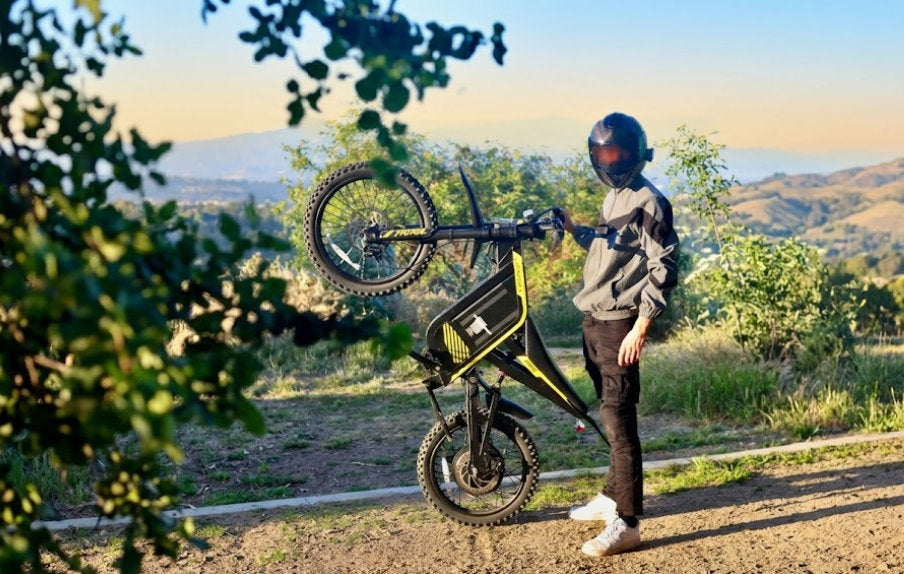
- Good: hang the bike (if your wall mount is rated for the weight and installed properly). Consider hanging by the wheel and protect contact points.
- If storing on tires: check tire pressure occasionally and rotate the wheels every few weeks to change the contact patch.
5) After Winter Storage: Spring “Wake-Up” Checklist
Before your first spring ride, do a quick safety check:
- Brakes: check lever feel and pad wear.
- Tires: inspect for cracking and inflate to recommended pressure.
- Chain/drivetrain: clean and re-lube if needed.
- Bolts: confirm key fasteners are snug (use your manual for torque specs).
- Battery: charge at room temperature and verify normal function before riding.
If you prefer hands-off reassurance, a tune-up at a local bike shop is a great option before the season starts.
Part B: Using Your E-Bike in the Winter (Riding Tips)
1) Dress in Layers + Stay Visible
Use a warm base layer and a wind/water-resistant outer layer. Wear bright or reflective colors—winter days are shorter and visibility can be poor.
2) Tire Choice + Tire Pressure Matters More in Cold
Your tires are your only contact with the ground. In winter, traction becomes a priority:
- Check tread wear and replace tires if they’re worn.
- Cold air can reduce tire pressure—check it more frequently.
3) Watch Battery Performance in Low Temperatures
Range typically drops in cold conditions. Batteries can also discharge faster below freezing. If it’s extremely cold, consider shortening rides and keep the battery warm indoors until you’re ready to go.
4) Lights, Helmet, and Safety Gear
Use front and rear lights so you can see and be seen. Always wear a helmet, and consider protective gear if conditions are slick.
Related: Essential Safety Gear for E-Bike Riders.
5) Braking & Handling on Wet / Icy Roads
E-bikes are heavier and can be faster than traditional bikes. Wet roads reduce traction, and stopping distance increases. Brake earlier and more smoothly—especially on corners and downhill sections.
Winter Storage Checklist (Print-Friendly)
- Clean and fully dry the bike (avoid pressure washing).
- Lubricate chain and key moving parts.
- Remove battery and store indoors at room temperature.
- Store battery partially charged (aim ~30–60% for long-term storage).
- Check battery every 4–6 weeks; top up if it drops too low.
- Reduce tire load (use a stand or rotate wheels periodically).
- Cover the bike to reduce dust and moisture exposure.
- Before spring riding: inspect brakes, tires, drivetrain, and bolts.
FAQ
Should I remove my e-bike battery for winter storage?
For longer storage, it’s best to remove the battery and store it indoors in a dry room at room temperature.
What percent should I store my e-bike battery at?
For longer storage periods, Bosch recommends storing e-bike batteries at about 30–60% charge. A partial charge helps reduce stress compared with storing full or empty.
Can I store my e-bike in an unheated garage or shed?
You can store the bike there if it’s dry, but it’s strongly recommended to store the battery indoors to avoid freezing temperatures and condensation.
Is it safe to charge an e-bike battery in the cold?
It’s safer to charge at room temperature. If the battery is very cold, bring it indoors and let it warm to room temperature before charging.
Can I hang my e-bike for winter storage?
Yes, if your wall mount is properly installed and rated for the weight. Hanging can help reduce long-term pressure on tires.
How often should I check tire pressure during winter storage?
Check periodically throughout the year, and more often in winter. If stored on tires, rotate the wheels occasionally to prevent flat spots.




Share:
3 comments
My chain keeps popping off while I’m just petaling?
Is it ok to store my e bike in the winter sitting all the tires?
I have an Jasion EB7 2.0 and Jasion EB7 ST. Can these bikes be hung for winter storage? If so, do you hang them from the tires and what kind of hooks, etc?