- Contact Email:support@jasionbike.com
- Contact Phone:+1(888)8256366
Compare Off Road Electric Bikes
Off Road Ebike FAQs
How do I choose the best off road ebike for my riding needs?
Start with the terrain you ride most often. For gravel roads, dirt paths, and moderate hills, compare tire tread, suspension, braking performance, motor torque, and battery range. For rougher routes, consider wider tires, full suspension, and a larger battery.
You should also compare frame style, wheel size, bike weight, payload capacity, rider height range, and storage needs. Choose a model that fits your actual terrain and riding habits instead of focusing only on motor power or top speed.
What terrain can an off road electric bike handle?
Jasion off road electric bikes are designed for different levels of mixed-terrain riding. Depending on the model and riding conditions, suitable surfaces may include:
- Gravel roads
- Dirt paths
- Uneven pavement
- Grass and packed soil
- Rolling hills
- Forest and park roads
- Maintained recreational trails
- Packed sand or light snow
Deep mud, loose sand, deep snow, large jumps, rocky descents, and technical mountain bike trails may require specialized equipment and greater rider experience. Tire pressure, weather, rider weight, and surface conditions also affect traction and control.
How do I choose the best off road electric bike?
Start with the terrain you expect to ride most often.
For gravel roads, dirt paths, and moderate hills, compare tire tread, suspension, braking performance, motor torque, and battery range. For rougher routes, consider a full-size frame, wider tires, full suspension, and greater battery capacity.
You should also compare:
- Folding or full-size frame
- Step-through or step-over design
- Wheel and tire size
- Front or full suspension
- Motor torque
- Battery capacity
- Bike weight
- Payload capacity
- Recommended rider height range
Choose the model that fits your actual riding conditions rather than selecting one based only on motor wattage or top speed.
Do I need fat tires and full suspension for off road riding?
Not every off road ride requires fat tires or full suspension.
Fat tires can improve traction and stability on loose or uneven surfaces such as gravel, grass, sand, and light snow. They may also help absorb smaller bumps, although they generally add weight and rolling resistance.
Front suspension is usually sufficient for gravel roads, dirt paths, and moderate mixed-terrain riding. Full suspension adds rear shock absorption and may improve comfort and control on rougher routes.
Tire tread, tire pressure, brakes, frame geometry, rider technique, and surface conditions are just as important as tire width and suspension type.
How is an off road ebike different from other electric bikes?
An off road ebike is designed for riding across gravel roads, dirt paths, hills, grass, and mixed terrain. It usually combines wider tires, suspension, responsive brakes, and a frame designed for greater stability on uneven surfaces.
A fat tire ebike focuses on traction and comfort through wider tires, while an electric mountain bike uses trail focused geometry and components. An electric dirt bike is more motorcycle inspired and may rely more heavily on throttle power. Always check the intended use and local riding regulations before choosing.
How far can an off road electric bike travel on one charge?
Actual range depends on the battery, motor, assist level, rider weight, payload, speed, elevation, temperature, tire pressure, wind, and terrain.
Loose surfaces, steep hills, heavier loads, low tire pressure, and frequent use of higher assistance levels generally consume more battery than moderate riding on flat pavement.
Use the estimated range on each product page as a comparison point rather than a guaranteed distance. For longer off-road rides, allow additional battery capacity for hills, rough surfaces, and changing weather conditions.
Can an off road electric bike also be used on paved roads?
Yes. Many off road electric bikes can also be used for commuting, errands, recreational rides, and everyday paved-road travel.
Wider tires and suspension may make rough city streets more comfortable. However, heavier frames and wider tires can create more rolling resistance than a lightweight commuter ebike.
Riders who spend most of their time on smooth pavement may prefer a commuter-focused model, while riders who regularly switch between pavement, gravel, and dirt may benefit from an off-road or mixed-terrain ebike.
Which Jasion off road ebike is right for me?
Choose according to your terrain, preferred frame style, wheel size, and storage needs:
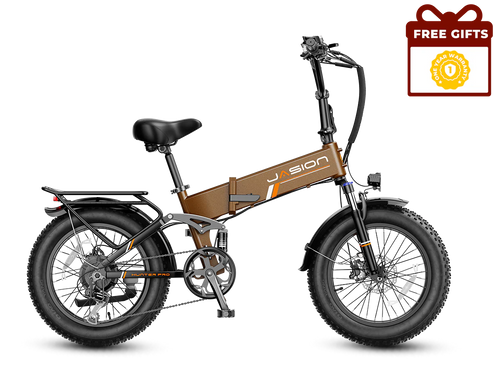
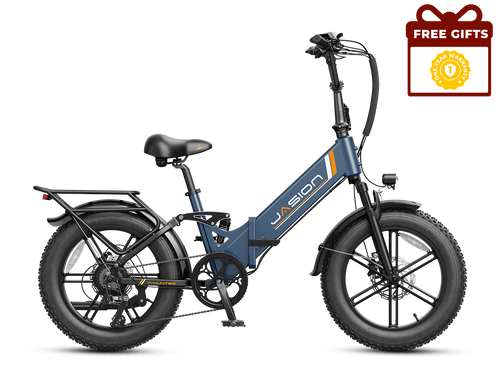
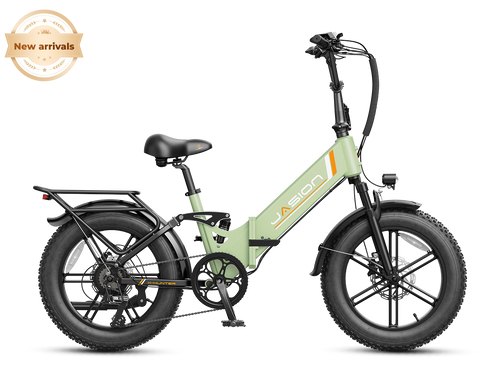
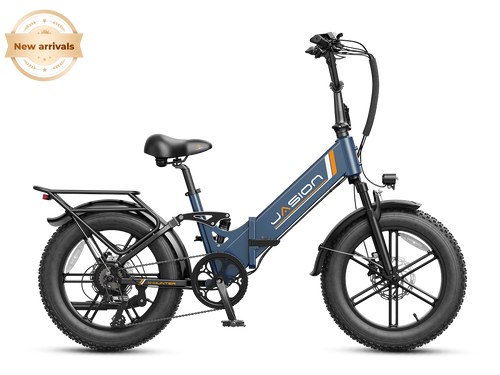
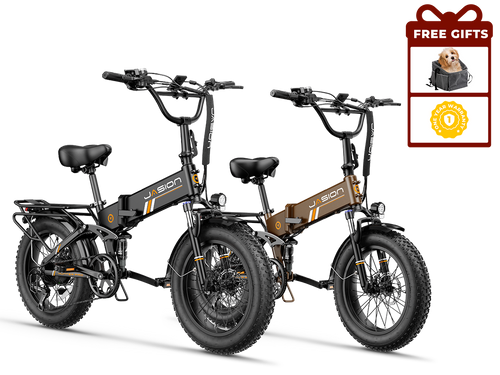
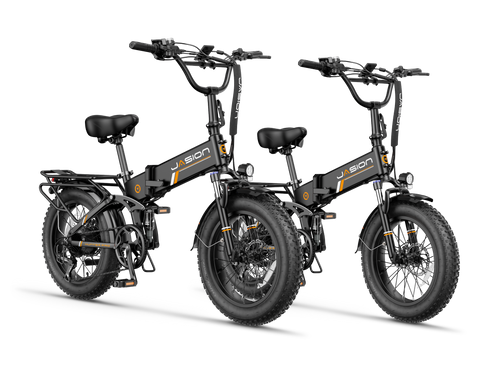
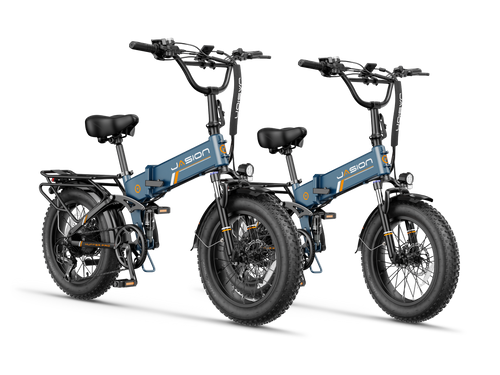
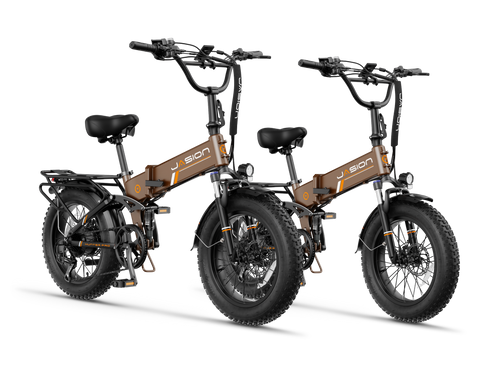
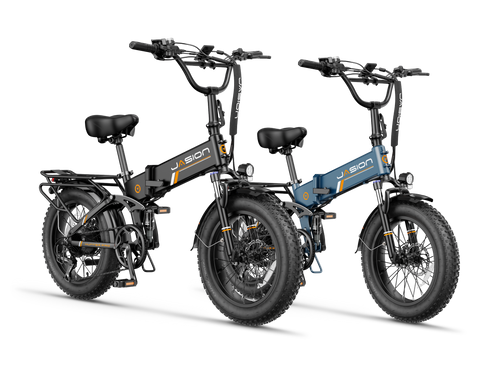
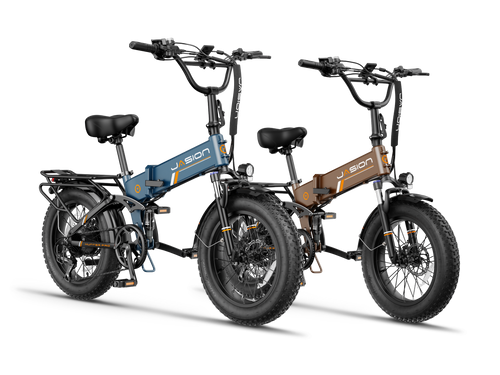
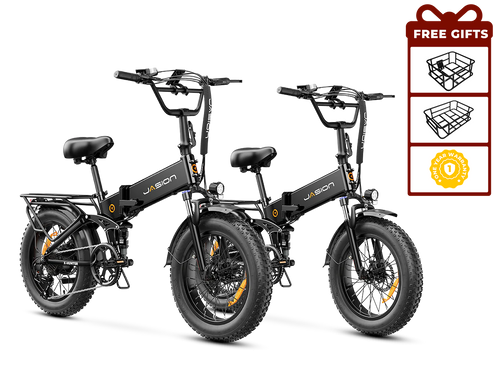
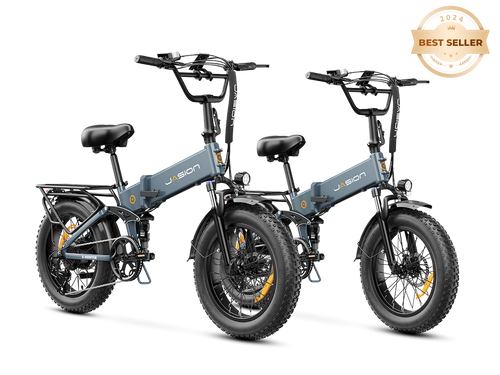
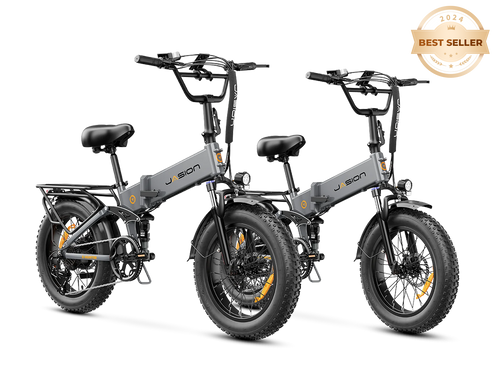
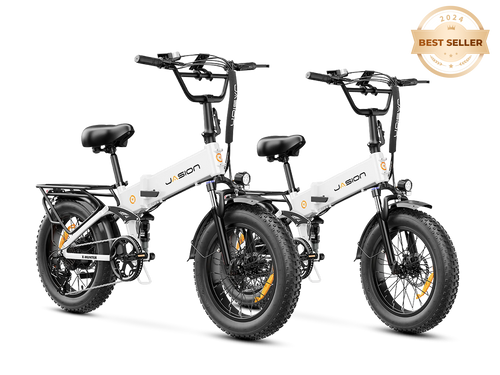
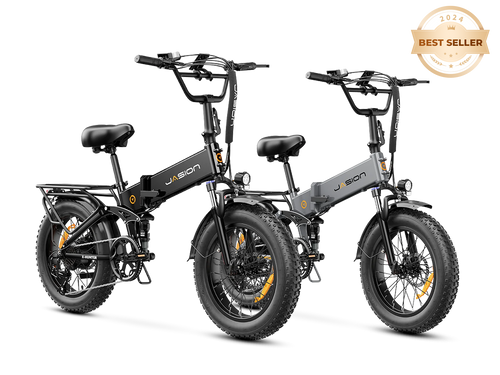
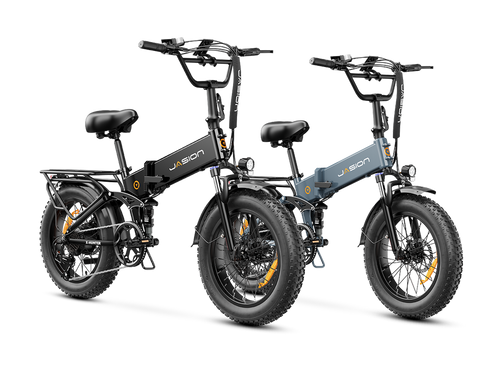
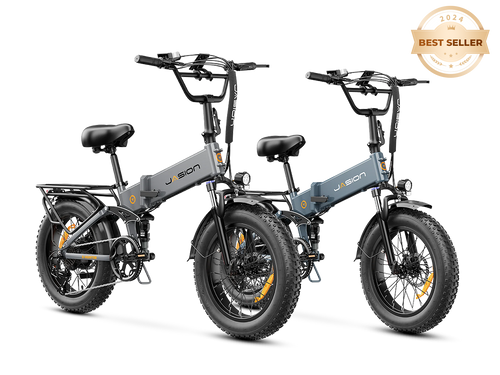
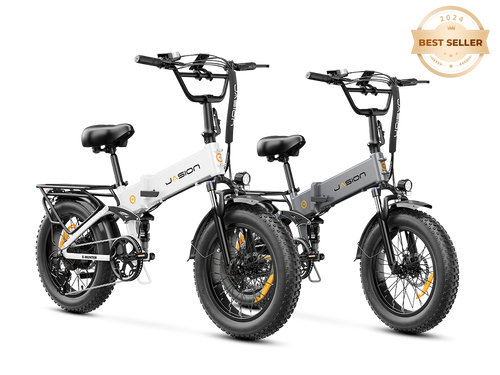
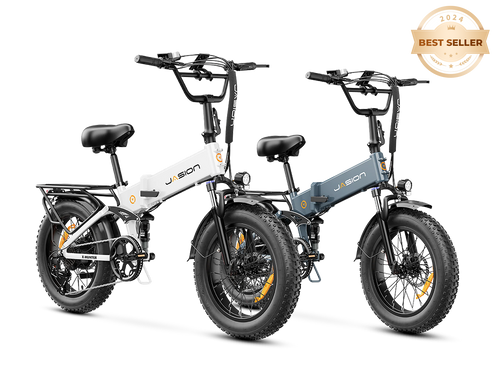
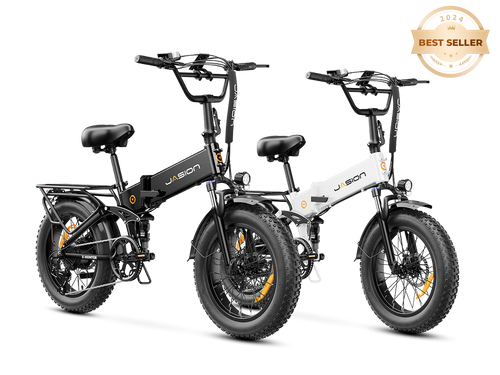
- Hunter Pro: A compact folding fat tire ebike for mixed terrain riding and easier storage.
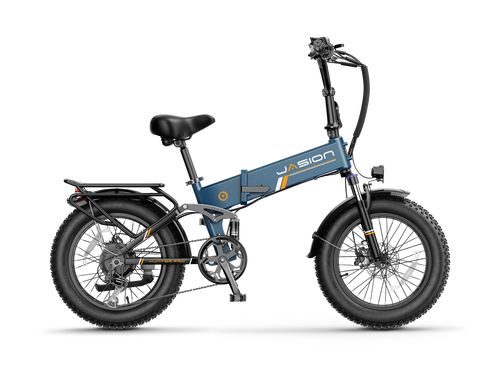
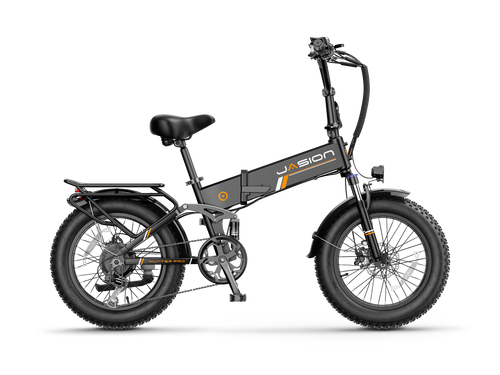
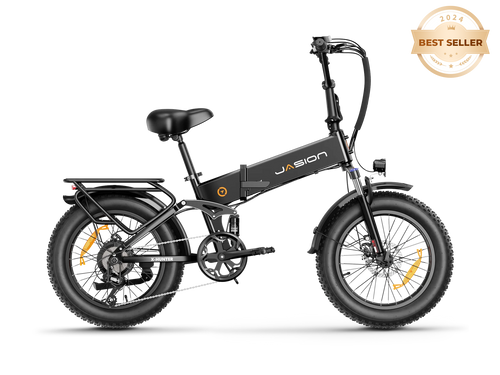
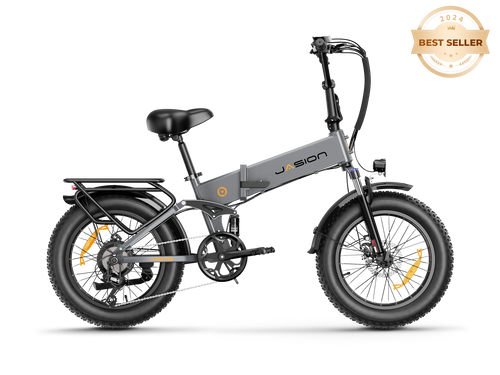
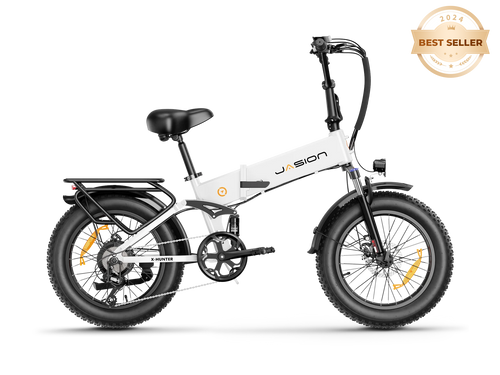
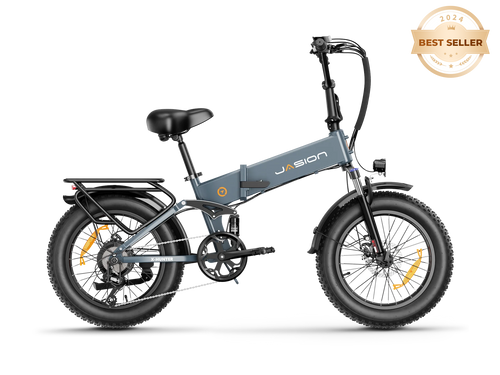
- X Hunter: A folding all terrain model for gravel roads, hills, dirt paths, and outdoor rides.
- X Hunter ST: A folding step through model for riders who want easier mounting and mixed terrain capability.
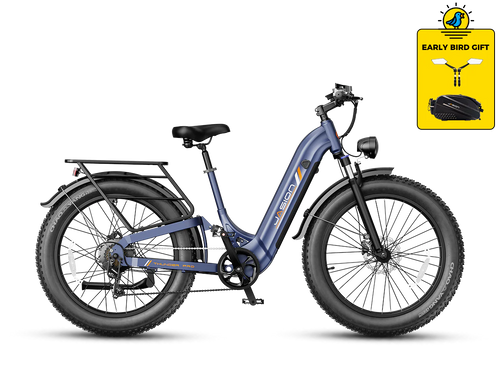
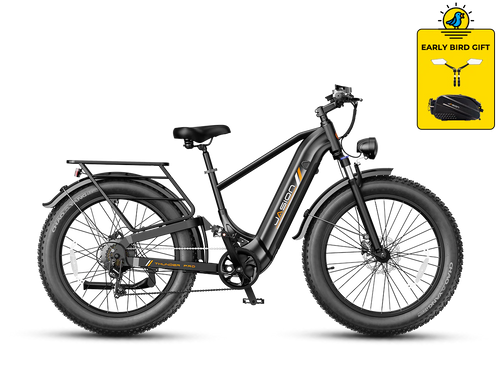
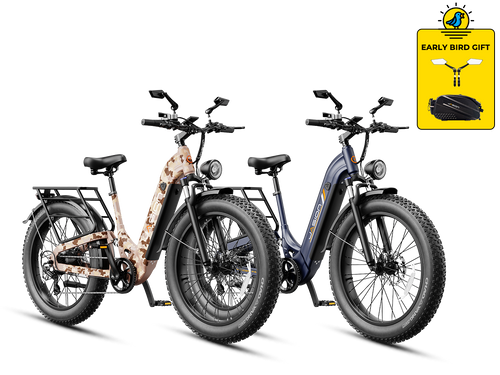
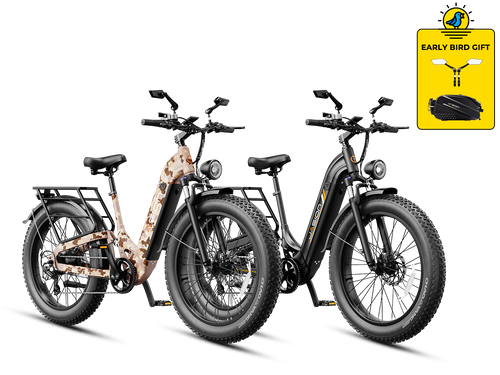
- Thunder: A full size 26 inch fat tire ebike for riders who prefer larger wheels and a stable ride.
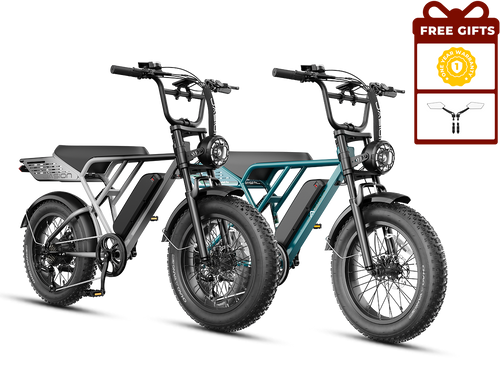
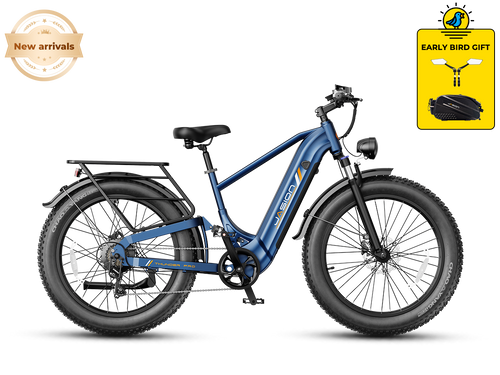
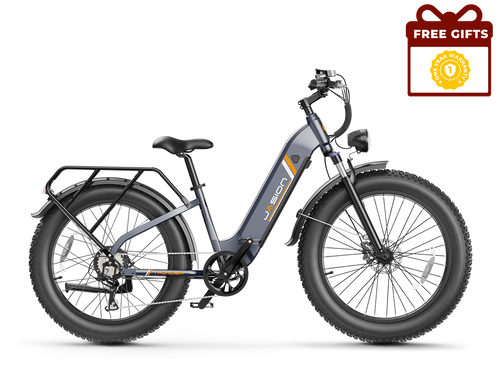
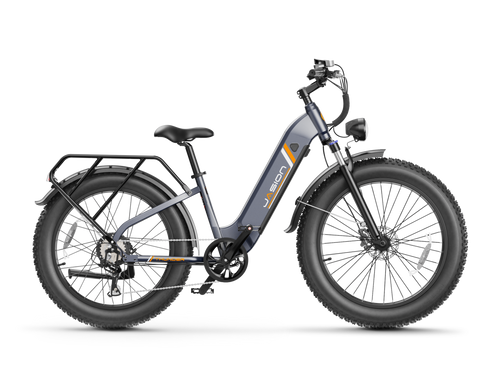
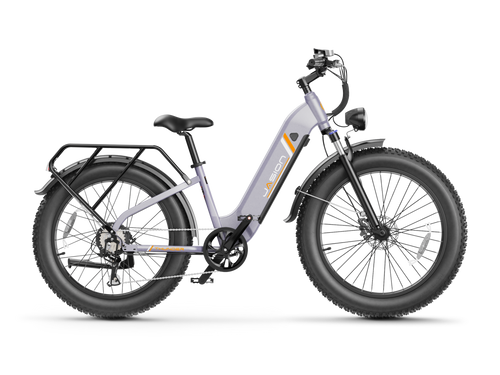
- Thunder Pro and Thunder Pro ST: Full size options for longer rides and more demanding mixed terrain, available with step over and step through frames.
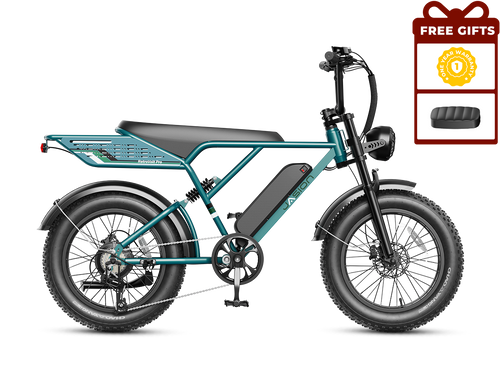
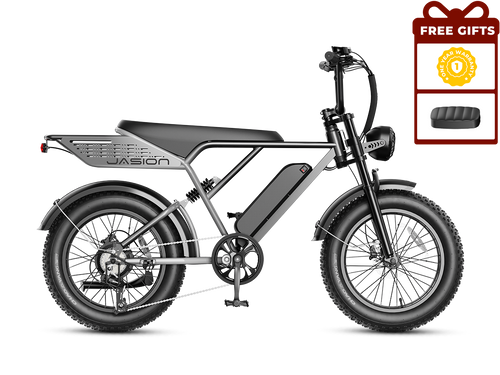
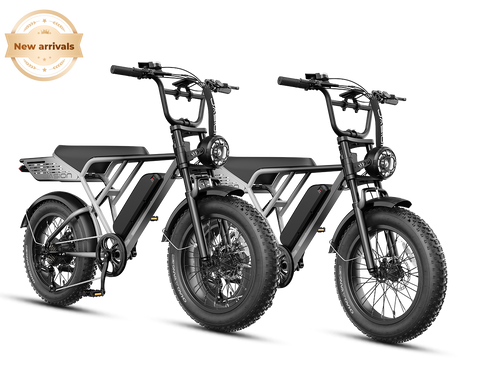
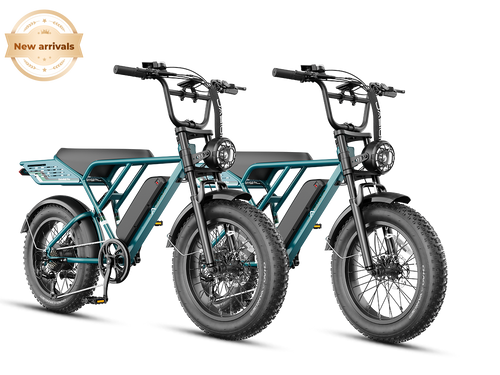
- RetroVolt Pro: A moped style fat tire ebike for cruising across paved roads, gravel, and lighter unpaved routes.
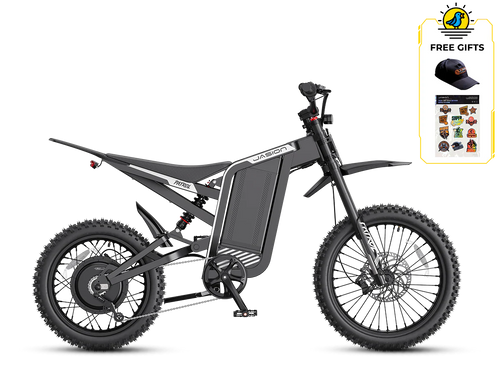
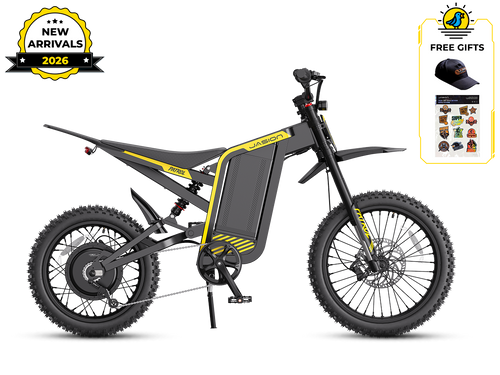
- Patrol 52: A dirt bike inspired model that should be compared separately from standard pedal assist ebikes.
Review each product page for exact range, suspension, tire size, braking system, payload capacity, and recommended rider height before purchasing.