
 EU
 UK
 US
 CA



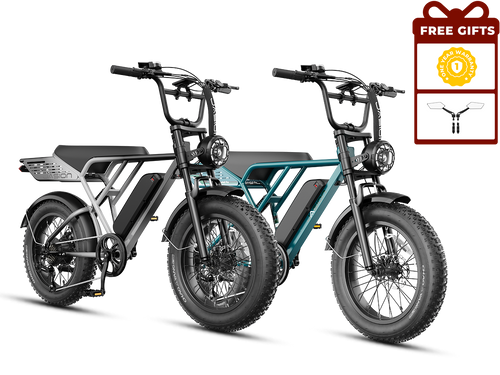
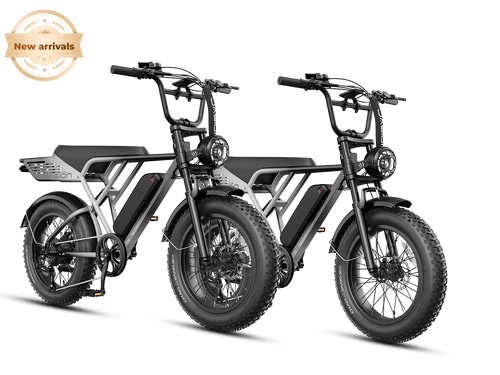
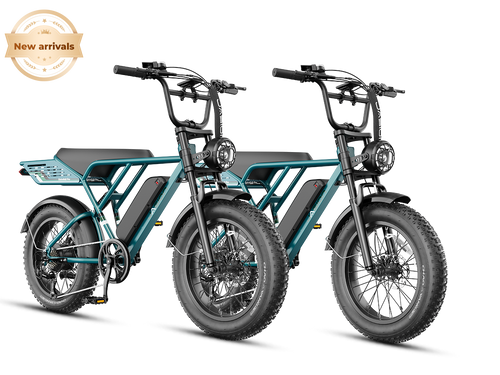
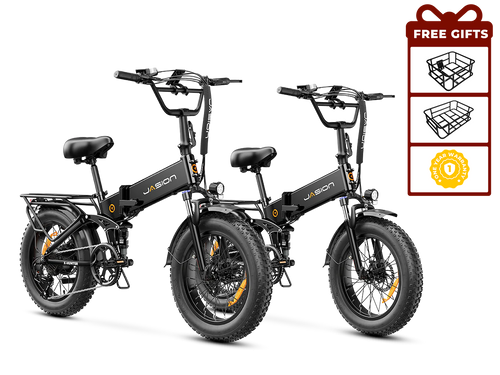
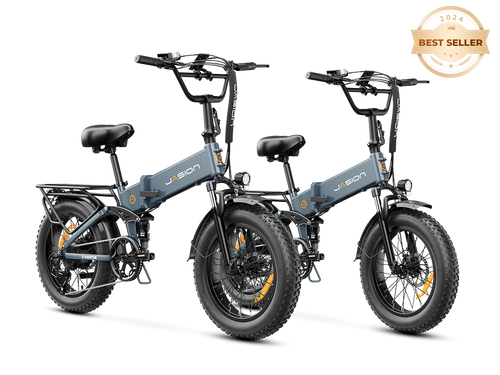
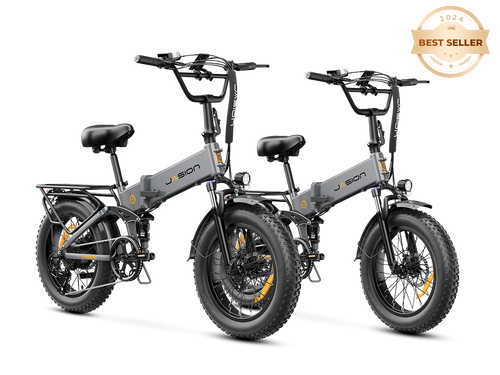
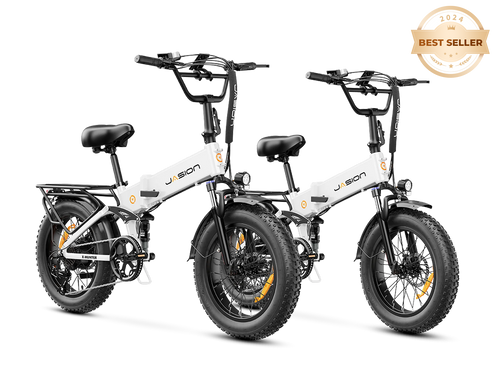
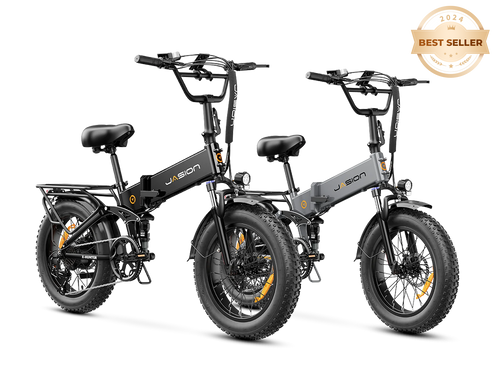
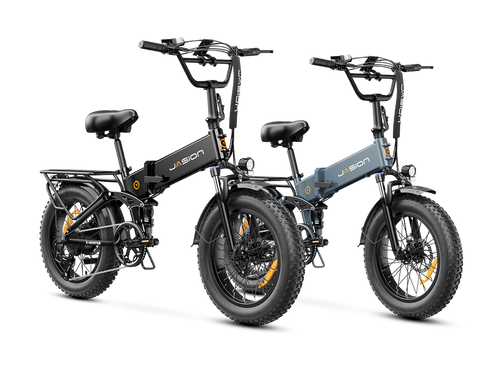
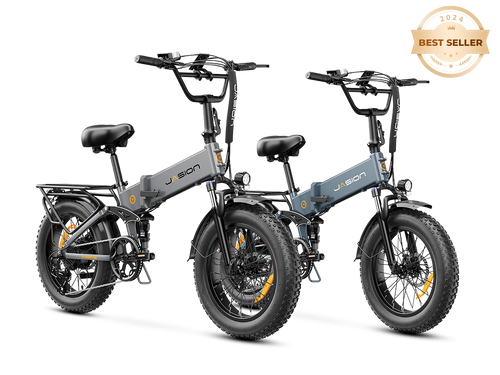
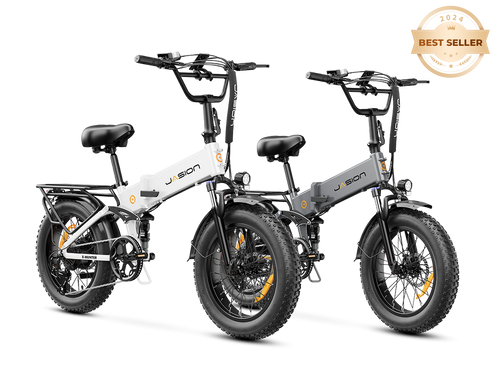
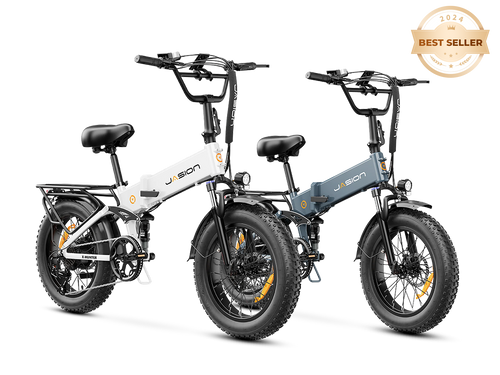
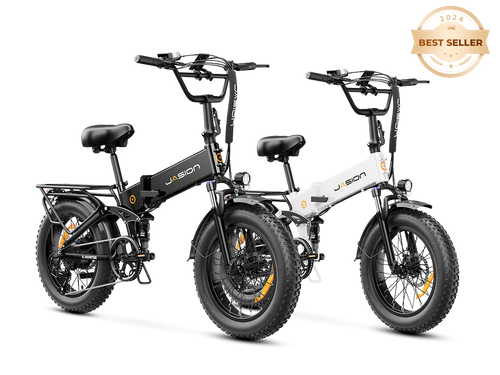
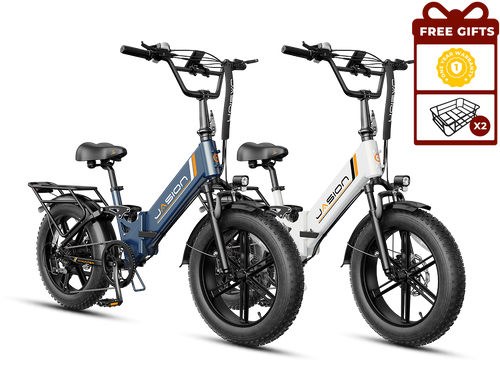
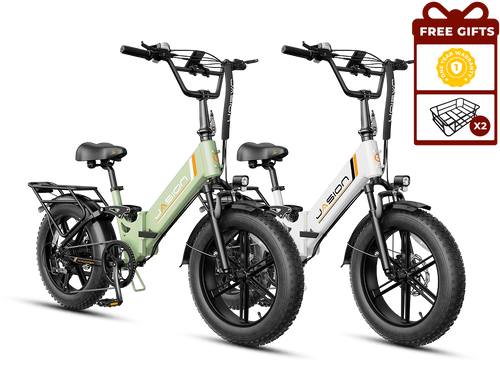
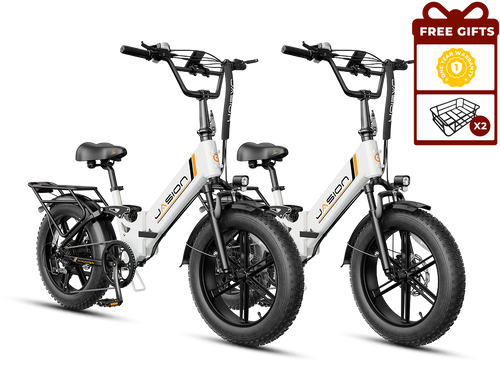
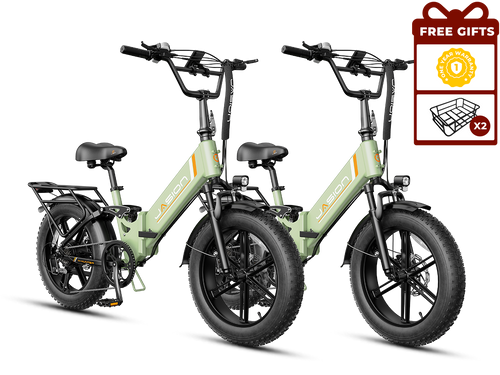
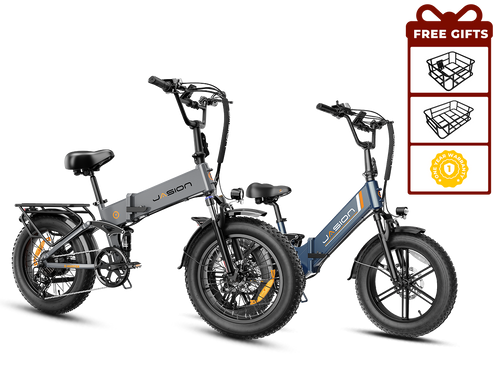
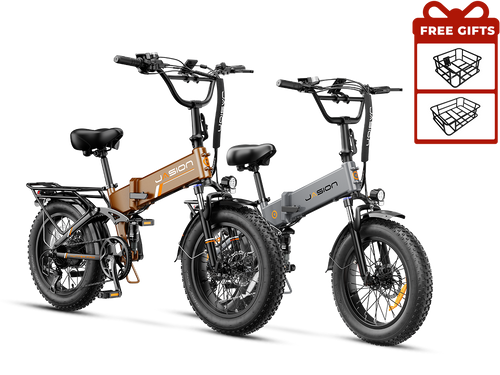
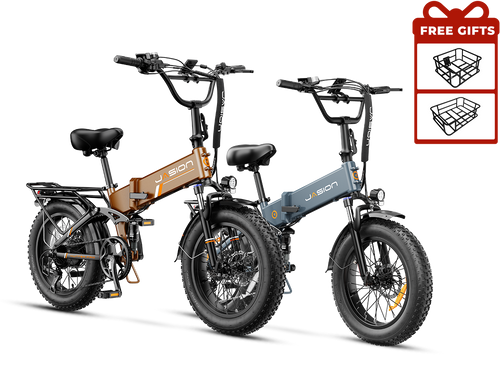
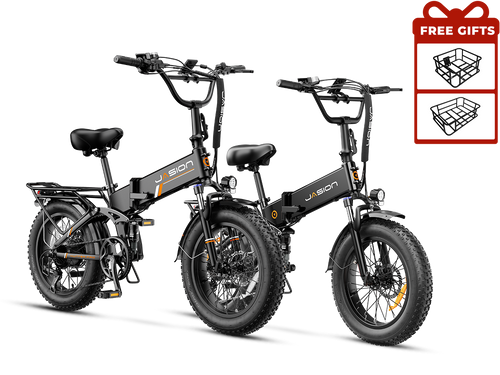
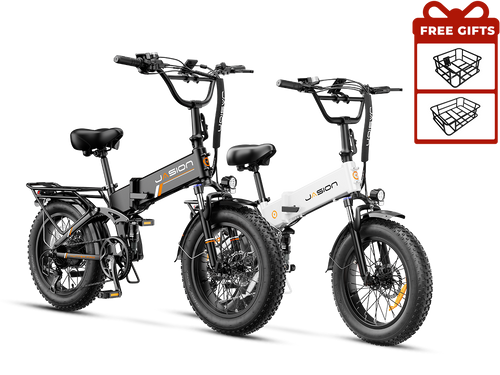
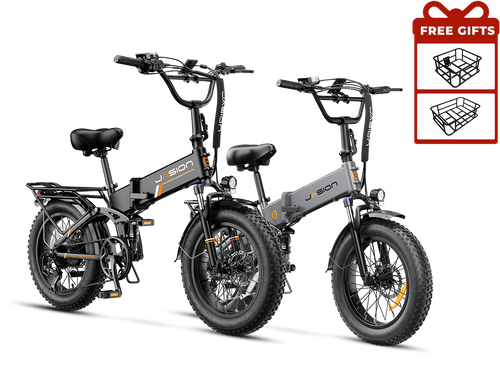
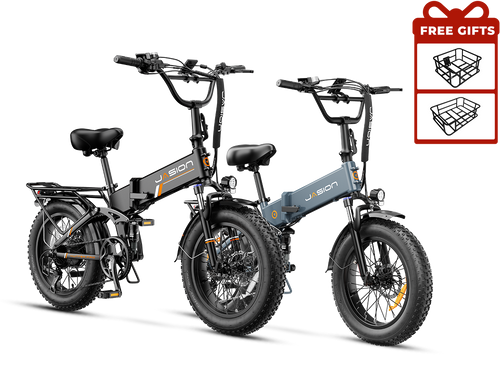
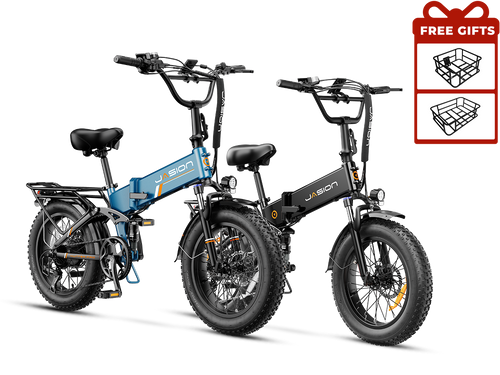
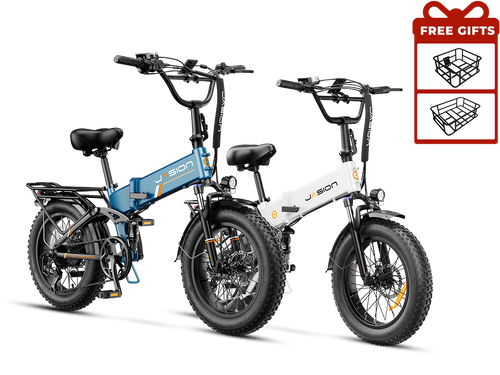
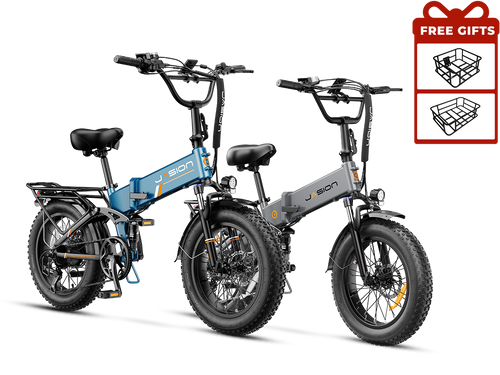
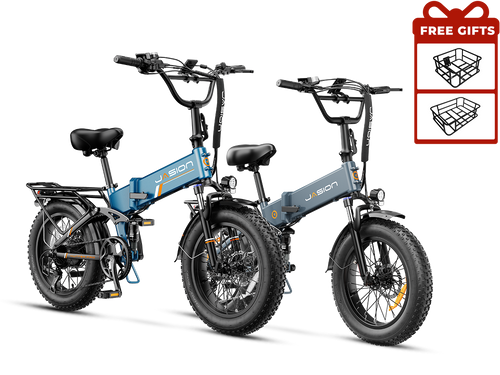
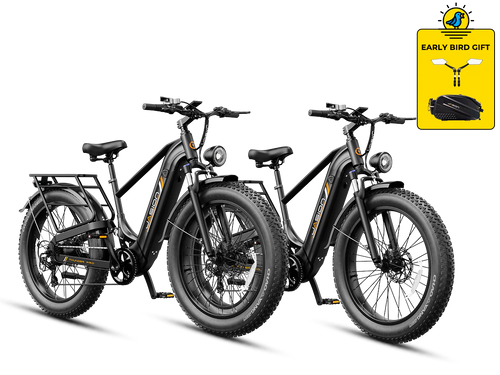
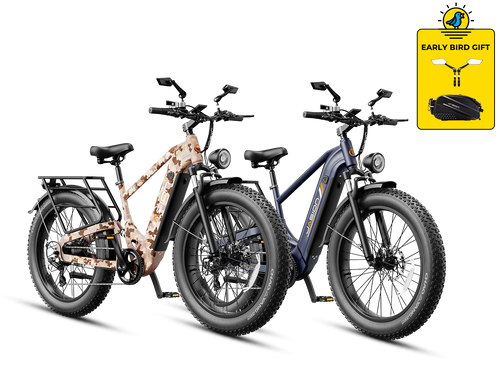
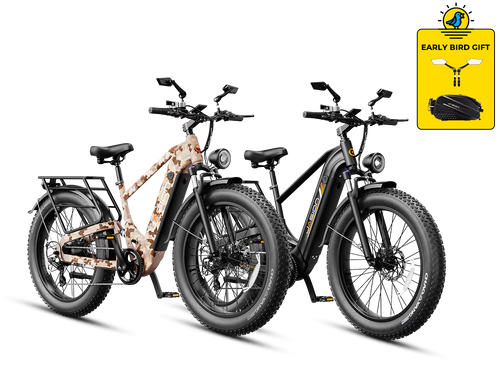
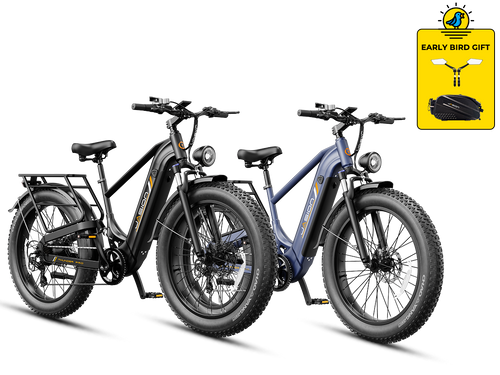


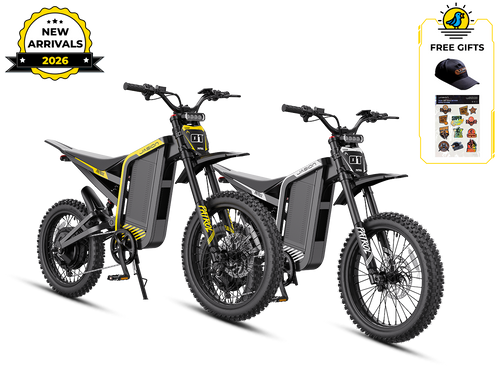
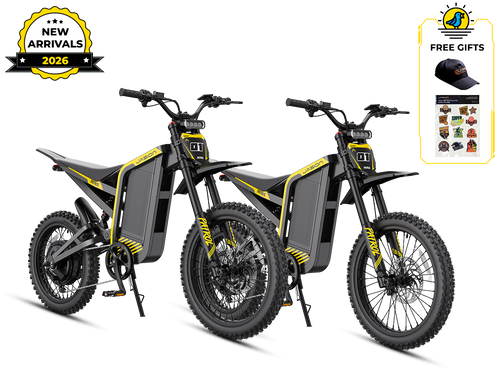
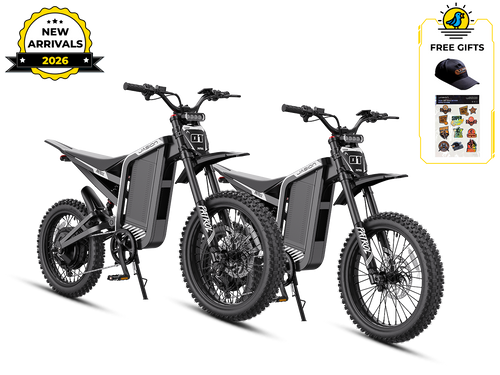
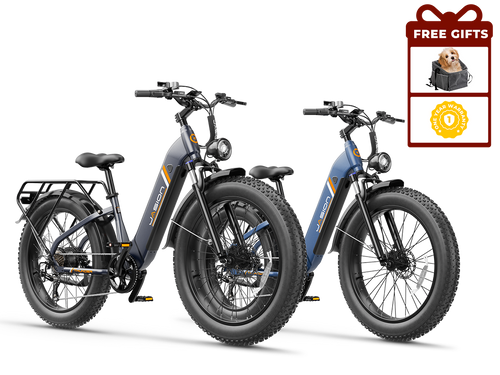
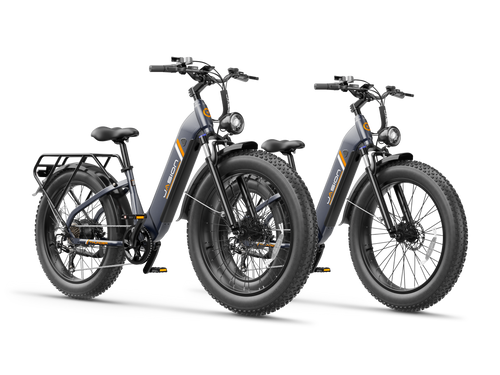
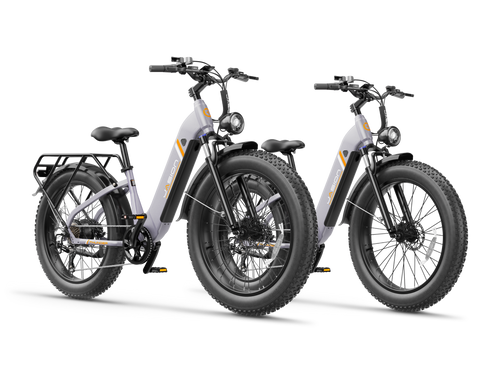
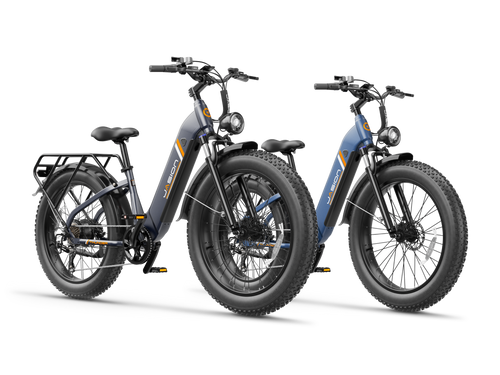
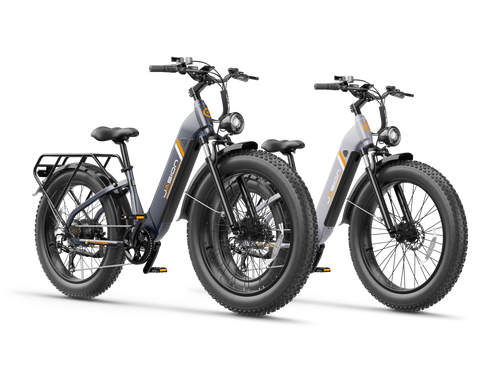
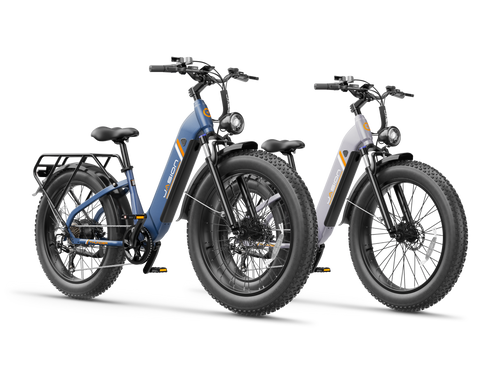
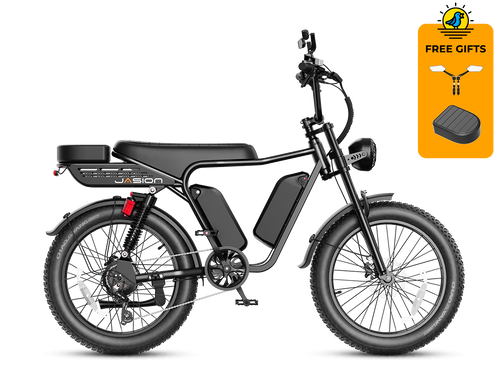
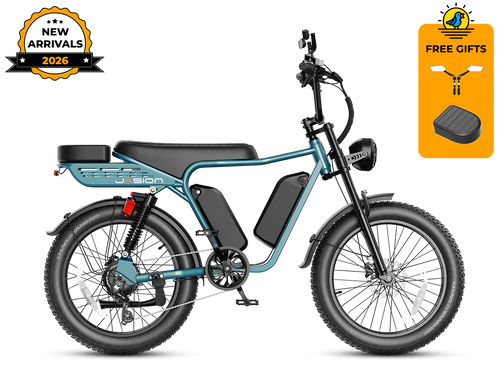
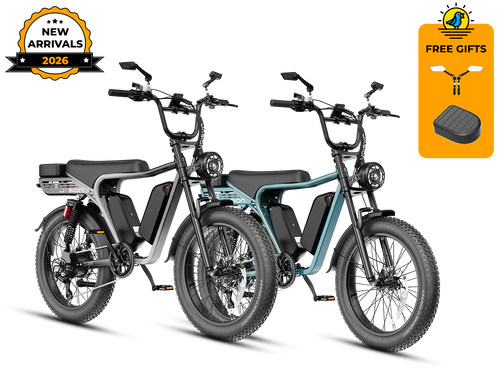
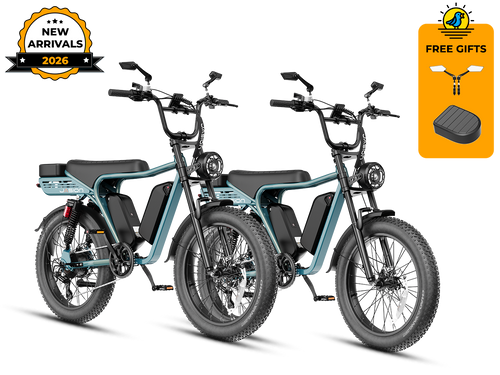
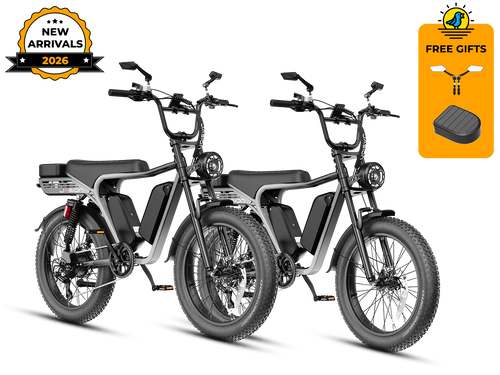
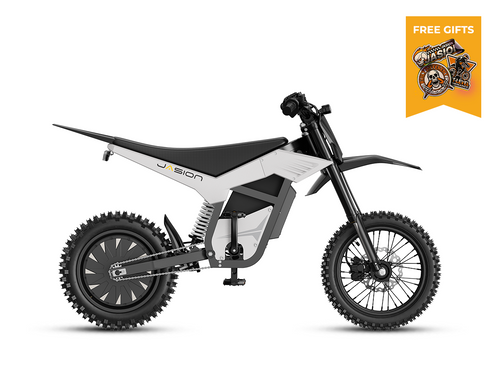


Pavement & Packed Gravel
PrioritizeRider fit, predictable braking, suitable tire tread, and manageable weight.
Before you chooseConsider how much of your route is paved. Wider tires can add rolling resistance.

Off Road Ebikes for Adults



Jasion Thunder Pro- 150 mile review for heavy riders
 The Clackleys
I Surprised My Mom With Her DREAM E-Bike!
 RideModz
Jasion Patrol 52 Review: This 4000W E-Bike Hit 43 MPH!
 Rick Bonilla

Worlds First Surron With Pedals | Reviewing The Jasion Patrol Electric Dirt Bike!
 Jordan Roderick

40mph ebike | Jasion Thunder Pro
 Jack Cecil
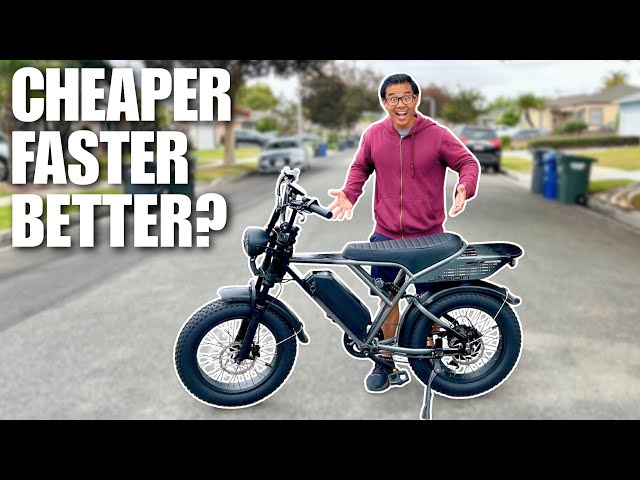
Like A Super73.. But a THIRD of The Price?! | Jasion Retrovolt Pro Review
 Raspy Rides
1,194 people have given this bike a 4.5 star rating
 Electric Revolution
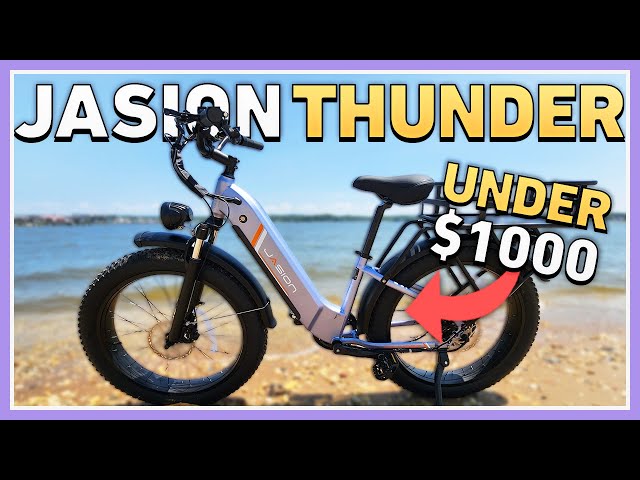
The JasionBike Thunder…1,500 Watts and 30 MPH for UNDER $1,000! Get out and Live Electric Life!
 IMBruceECLECTIC
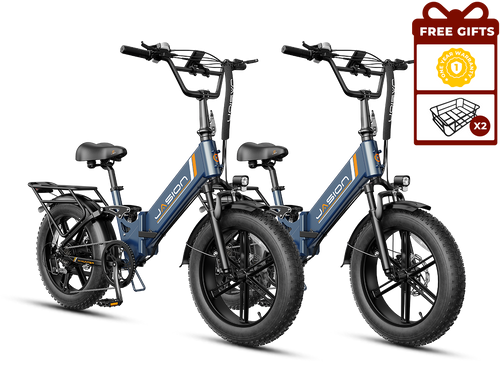
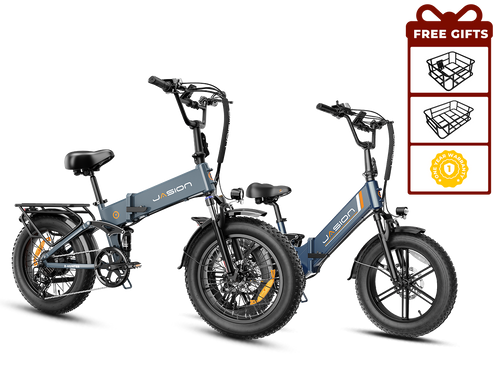
A gravel shortcut, a rutted dirt road, and a rocky mountain trail ask different things of a bike. Use your usual route to set priorities before you compare motor power.
PrioritizeRider fit, predictable braking, suitable tire tread, and manageable weight.
Before you chooseConsider how much of your route is paved. Wider tires can add rolling resistance.
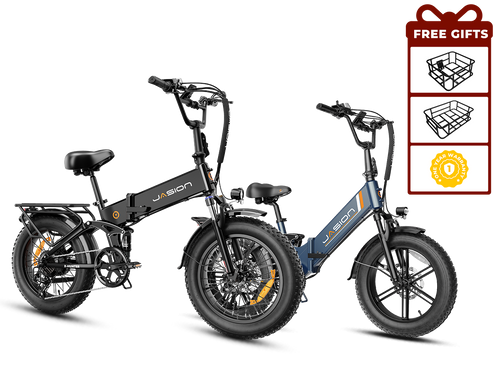
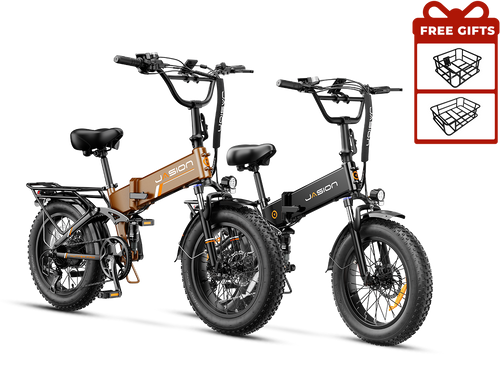
PrioritizeTire grip, suspension setup, braking control, and comfort over repeated bumps.
Before you chooseCheck the model's intended use. Deep ruts, loose ground, and wet surfaces can change the demands of the route.
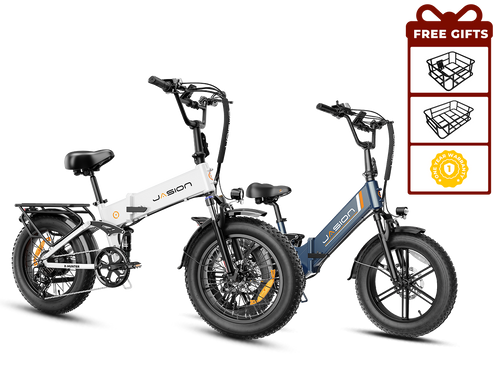
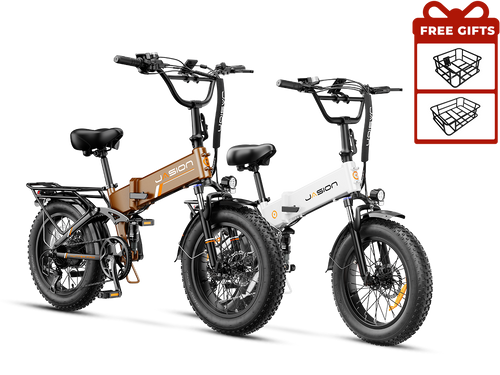
PrioritizeClimbing assistance, braking on descents, battery reserve, and total load.
Before you choosePlan for greater battery use on climbs. A peak power number alone does not establish climbing ability.
PrioritizeA bike specifically designed for that level of trail riding.
Before you chooseFat tires and full suspension do not, on their own, establish suitability for technical trails or jumping.
An off road electric bike is designed for riding beyond smooth pavement, with features suited to surfaces such as gravel or dirt roads. The category includes different bike types, so check each model's intended use. Tires, suspension, braking, and rider fit matter more than the label alone; not every off road ebike is designed for technical mountain trails or jumps.
The best choice fits your body, route, and storage needs. For a folding frame with full suspension, compare Hunter Pro, and X-Hunter ST. If lower frame access matters, compare X-Hunter ST with Thunder Pro ST. Check the recommended rider-height range, riding position, and load limit before choosing; an adult category label does not guarantee a comfortable fit.
Fat tires can add cushioning and may help on some loose surfaces, but wider is not automatically better for every route. Tread, pressure, bike weight, and ground conditions affect grip and handling too. For rides that mix pavement with gravel, weigh those benefits against extra rolling resistance and follow the tire guidance for your model.
Not for every route. Front suspension may be enough for smoother gravel and occasional unpaved stretches. Full suspension is worth comparing when repeated bumps are a regular part of your ride. Look at the front-suspension Thunder alongside Thunder Pro and Thunder Pro ST, then check each model's intended use and fit.
Our X-Hunter offers up to 70 miles on one charge, while our Hunter Pro offers up to 80 miles. Actual range varies with terrain, rider weight, assistance level, and riding style. Expect shorter distances on steep climbs or soft ground, especially when using higher assistance or riding on throttle without pedaling.
For longer off-road outings, use your experience on similar routes to plan the full round trip and leave a battery reserve for the ride home.
Yes. A pedal-assist off-road ebike can also be ridden on paved roads, making it an option for weekday commutes and weekend gravel rides. Its tires and suspension can help cushion broken pavement and rough patches. The tradeoff is that knobby tires can be noisier and create more rolling resistance than smoother road tires, while a heavier bike takes more effort to pedal without assistance. For mixed road and dirt riding, choose a comfortable fit and a tire setup suited to both surfaces, using the manufacturer's recommended pressures. Check local road rules for your bike's classification and operating mode. Electric dirt bikes are a separate category and should not be assumed street legal.
The main difference is the riding each is designed for. An all-terrain pedal-assist ebike can cover everyday roads, gravel, and dirt-road outings. A purpose-built electric mountain bike, or eMTB, combines pedal assistance with trail-focused frame geometry, handling, and components; choose a cross-country, trail, or enduro model for the demands of your trails. An electric dirt bike is closer to an off-road motorcycle: throttle-driven riding is central, and pedals are not required for propulsion. For commuting plus unpaved-road exploring, start with an all-terrain ebike. For technical singletrack, look at an appropriately rated eMTB. For motorcycle-style off-road riding, explore an electric dirt bike such as Patrol Ebike. These vehicles can have different access rules, even when a store groups them all under off-road electric bikes.
An off-road ebike can provide motor assistance on climbs, but steep hills and technical rocky trails call for different capabilities. For hilly gravel and dirt roads, prioritize climbing torque, suitable gearing, tire grip, and brakes that can control the descent. A motor's peak wattage alone does not tell you how steep a hill the bike can climb with you aboard. On uneven roads with small stones and repeated bumps, suspension helps manage impacts; Jasion's full-suspension Hunter Pro Ebike and Thunder Pro Ebike are options to compare for that setup. For rock gardens, drops, jumps, or steep technical descents, choose a purpose-built eMTB rated for those features. Full suspension alone does not make an all-terrain ebike a technical trail bike.
No. Access depends on the land manager's rules, the location, and the bike's vehicle type and operating modes. Check the official rules for the exact route before riding. A trail open to bicycles is not automatically open to every electric bike, electric dirt bike, or mini bike.


Join Our Community
Join Now