
 EU
EU
 UK
UK
 US
US
 CA
CA



Can you claim an ebike tax credit in 2026? Do not subtract a promised federal credit from your purchase budget. The often-quoted “30% back, up to $1,500” comes from an E-BIKE Act proposal. It is not a benefit you can claim for an ordinary consumer ebike purchase using IRS Form 8936.
State, local and utility incentives need a separate check. An old rebate amount does not tell you whether applications are open, funding remains or your chosen bike and seller qualify. California is a useful example: its statewide E-Bike Incentive Project concluded in December 2025.
This guide explains what the federal proposal means, where to check local programs and what to confirm before paying for a bike.

Updated September 15, 2026. Program details below distinguish verified information from availability that must be checked with the administrator.
What happened to the federal Ebike Act proposal?
The Electric Bicycle Incentive Kickstart for the Environment Act, or E-BIKE Act, proposed a federal credit to help individuals buy qualifying electric bicycles. The introduced text of H.R. 1685 from the 118th Congress proposed a credit equal to 30% of eligible costs, with a maximum of $1,500 per qualifying bicycle, subject to limits and conditions.
That document is a bill introduced in 2023, not an IRS application guide. It does not establish a 2026 purchase benefit. References to its proposed percentages, income limits or eligible bicycles should not be presented as current claim instructions.
Can I use IRS Form 8936 for an ebike?
No. Do not use Form 8936 to claim the proposed E-BIKE Act credit for a personal ebike purchase. The IRS instructions for Form 8936 describe different clean vehicle credits; the new and previously owned consumer vehicle definitions require at least four wheels. They do not provide the ebike credit described in the proposal.
There is consequently no Form 8936 ebike refund timeline to plan around. A receipt, functional pedals or a safety certification does not turn a personal ebike purchase into a qualifying claim under that form.
Where to check state and local ebike rebates
Start with your state energy or transportation agency, city government and electric utility. Check the exact program serving your address. A utility rebate may apply only to that utility's customers, while a city voucher may require residency within city limits.
| Location | Official source | What to check |
|---|---|---|
| California | California Air Resources Board | The statewide project concluded in December 2025. Do not use its former voucher amount as an available 2026 discount. |
| Colorado | Colorado Energy Office ebike tax credit information | Confirm the current purchase-year rules, participating retailer and discount before ordering. This guide does not verify current availability or an amount. |
| Washington, D.C. | District Department of Transportation ebike information | Check whether an application round is open, who can apply and whether approval must come before purchase. |
| Other states, cities and utility areas | Your government or utility's official program page | Look for current funding, residency requirements, approved sellers and eligible models. A program in a nearby area may not cover your address. |
Is California's statewide ebike voucher still available?
The California Air Resources Board says its E-Bike Incentive Project concluded in December 2025. The project previously provided vouchers of up to $2,000 to qualifying low-income residents. That amount is historical, not a discount to deduct from a new purchase in 2026.
A separate city or utility program may have different rules. Check it independently rather than assuming the former statewide voucher still applies.
Does a bill announcement mean rebates are available?
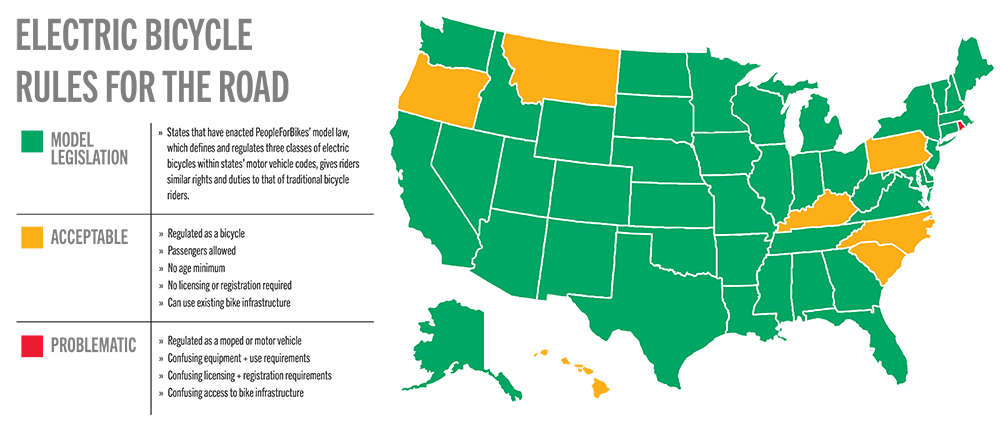
No. An introduced bill, a vote in one legislative chamber and an open application program are different stages. Before relying on an incentive, find an official administrator, current eligibility rules and a working application process. A news story about a proposed rebate is not approval to buy.
How to check eligibility before buying
- Confirm the program is open. Read its latest notice for application dates, remaining funding and waitlist rules. Check whether you need approval before purchasing.
- Check your eligibility. Confirm the address, age, income and utility-account requirements that apply to that specific program.
- Verify the seller and exact model. Ask whether your chosen retailer, online purchase and bike configuration qualify. Do not assume every model from an approved brand is eligible.
- Confirm the technical requirements. Use the program's definition of motor power, ebike class and certification. A peak power figure alone does not establish eligibility.
- Get the payment details. Ask whether the benefit is a checkout discount or a reimbursement, what costs it covers and when you must redeem it.
- Keep the records. Save your approval, program terms, itemized receipt and any model or certification documents the administrator requests.
A useful question to send the administrator is: “I live in [ZIP code] and plan to buy [exact model and configuration] from [seller]. Is this purchase eligible, and must I receive approval before ordering?”
Does a Jasion ebike qualify?
Eligibility depends on the specific program, seller and model. This guide does not certify JasionBike or any individual Jasion model as an approved rebate purchase. Ask the program administrator to confirm the exact purchase before counting on a discount.
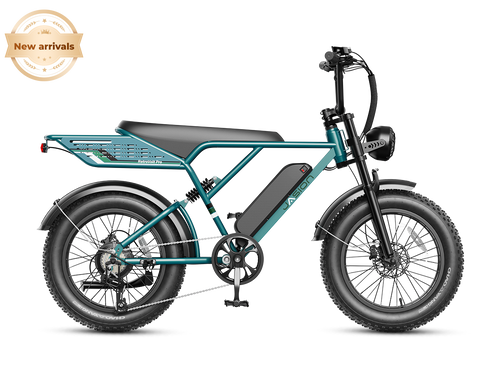
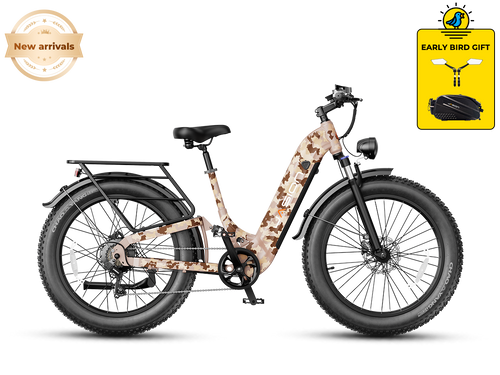
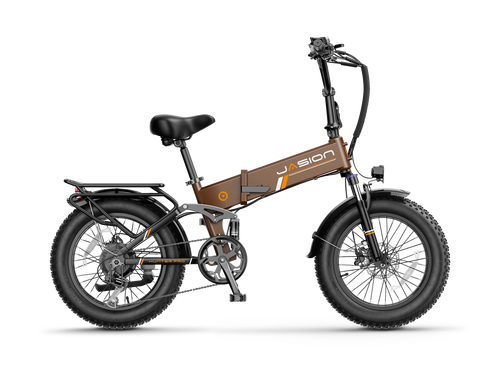
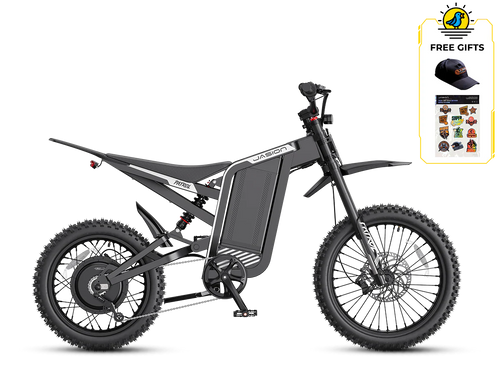
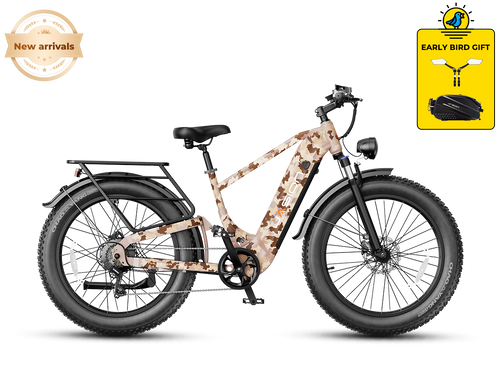
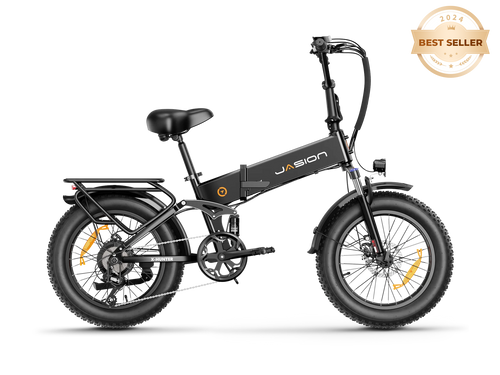
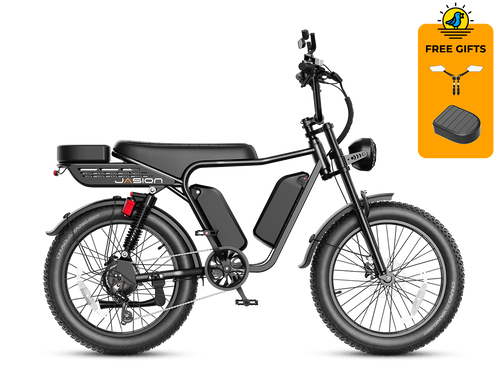
You can use the Jasion electric bike collection to compare current models and product details. Once you have a shortlist, match the selected model to the program's requirements.
Calculate your cost using confirmed savings
Separate the amount you must pay today from any approved reimbursement you expect later. Include tax, shipping and accessories unless the program explicitly covers them.
Illustrative example: A bike costs $1,200 before tax and fees. If an administrator approves a $300 discount on that exact purchase and the retailer applies it at checkout, the bike portion of your bill becomes $900. If the same benefit is paid afterward, you still need to fund the initial $1,200 purchase.
This example does not describe a Jasion offer or a currently open program. Its purpose is to show the difference between a lower checkout price and a later payment.
Can you combine rebates and sale prices?
Only when the applicable program rules allow it. Check how a sale, another voucher or a utility rebate affects eligible costs. Do not add a proposed federal credit to the calculation, and do not assume an unused voucher balance becomes cash back.
Ebike tax credit and rebate questions
Is the $1,500 federal ebike credit an automatic discount?
No. The $1,500 figure discussed here comes from the introduced E-BIKE Act proposal. It is not an automatic checkout discount or a personal ebike benefit claimable using IRS Form 8936.
Can I buy first and apply for a rebate later?
Only if the specific program allows it. Some programs require approval before purchase. Confirm the order of steps before placing an order.
Do used ebikes or conversion kits qualify?
Check the rules of the actual program you are applying to. Do not assume that eligibility for a new complete ebike extends to a used bike or conversion kit.
Does safety certification guarantee rebate eligibility?
No. Certification can be one requirement, but eligibility may also depend on residency, income, retailer participation, model approval and funding.
Is California's former $2,000 statewide voucher available in 2026?
The California Air Resources Board says the E-Bike Incentive Project concluded in December 2025. Do not treat its former voucher amount as an available discount for a new 2026 purchase.
Confirm the incentive, then choose your bike
Set a budget you can afford without an unapproved rebate. Once the administrator confirms eligibility and the purchase process, compare rider fit, storage needs and the routes you plan to ride. That gives you a bike choice and a purchase budget based on information you can actually use.



Share:
2 comments
Thank you for your service, Fred. Yes, you may qualify for a discount.
Please visit this page for more information: https://www.jasionbike.com/pages/military-discount
, or feel free to contact our customer support team directly at support@jasionbike.com We’ll be happy to assist you.
I am disabled Vietnam wounded combat veteran interested in purchasing 2 folding e bikes from you. Am I eligible for a discount?