
 EU
EU
 UK
UK
 US
US
 CA
CA



Electric bikes make cycling feel easier and more practical—especially for hills, longer rides, and daily errands. If you’re new, this guide will help you understand what an e-bike is, how the motor helps, what actually matters when shopping, and how to start riding safely.

What Is an Electric Bike?
An electric bike is a bicycle with a battery and a motor that helps you pedal (and sometimes can power the bike with a throttle). You still ride it like a bike—you steer, brake, and balance the same way—but you choose how much support you want. That support is what makes commuting, cruising, and climbing hills feel more doable.
E-bikes come in many styles (folding, step-through, commuter, trail-capable, and more). The best one depends less on specs on a product page and more on where you’ll ride and how you’ll store, carry, and charge it.
How Do E-Bikes Work?
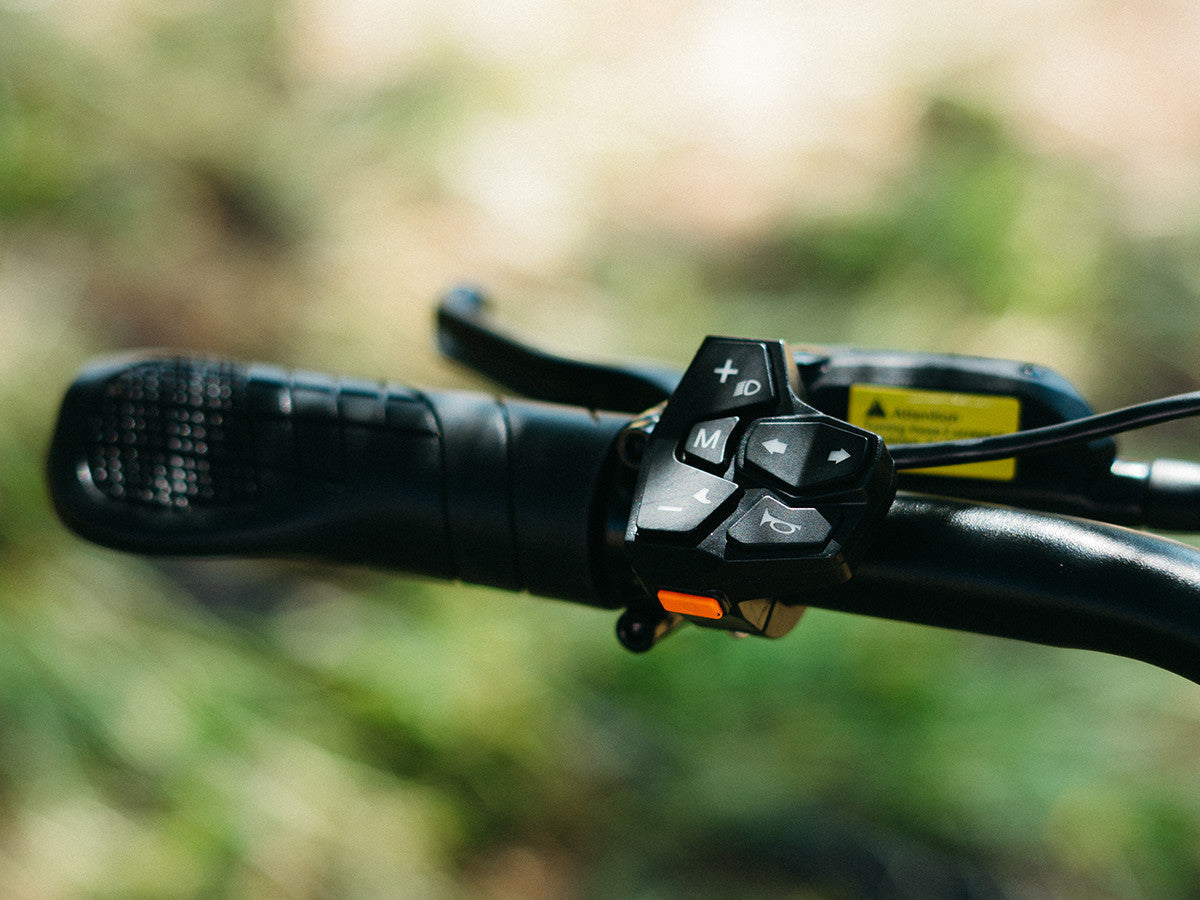
An e-bike’s motor is controlled by a system that decides when to assist you. The basics are simple: you select an assist level, the bike senses your input, and the motor adds power.
Pedal assist vs throttle: what it feels like
- Pedal assist (PAS): The motor helps only when you’re pedaling. Higher assist levels make pedaling feel lighter—useful for hills, headwinds, and stop-and-go riding.
- Throttle: A thumb or twist control can provide motor power without pedaling (if your model includes one). It’s handy for quick starts and short bursts, but it can use battery faster if overused.
What the assist levels actually do
Assist levels change how much the motor helps. Think of them as “how much effort you want to contribute today.” A lower level feels closer to a regular bike. Higher levels feel more like you always have a tailwind.
E-Bike Classes 1, 2, and 3
You’ll often see e-bikes grouped into Class 1, 2, and 3. These categories usually relate to how assistance is delivered and the top assisted speed. Access rules can vary by city, trail system, or state, so treat this as a starting point and always check local signage and policies before riding on paths and trails.
Class 1
Pedal assist only (no throttle). Often considered the most widely accepted for multi-use paths, but rules still vary by location.
Class 2
Can include a throttle, typically with a limited top assisted speed. Common for casual riding and errands where a throttle can be helpful for starting from stops.
Class 3
Pedal assist with a higher top assisted speed. Often aimed at faster commuting; access may be more restricted on some trails and shared paths.
The Parts That Matter
Most e-bikes share the same core components, but small differences can change how the bike feels day to day. Here are the parts that are worth understanding before you buy.
Battery
- Removable vs integrated: If you live in an apartment or store your bike in a garage without outlets, a removable battery is a big convenience.
- Charging routine: Most riders do best with simple habits: charge when convenient, avoid leaving a battery fully depleted for long periods, and store it in a moderate temperature when possible.
Motor
Motors are often described by wattage, but the “right” motor depends on your terrain and riding goals. If you’ll climb hills regularly or carry cargo, pay attention to how the bike is intended to be used—not just one number.
Sensor type
- Cadence sensor: Detects that you’re pedaling and provides assistance. It can feel like steady help once you start turning the cranks.
- Torque sensor: Responds to how hard you pedal, often feeling more intuitive and “bike-like.”
Brakes, tires, and fit
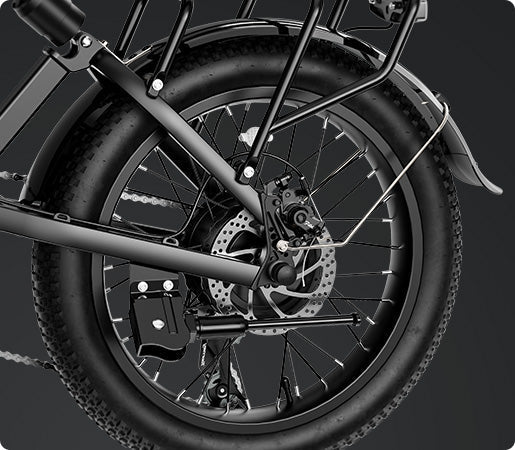
- Brakes: E-bikes are heavier and faster than many regular bikes, so confident braking matters.
- Tires: Wider tires can add comfort and stability on rough pavement or packed paths.
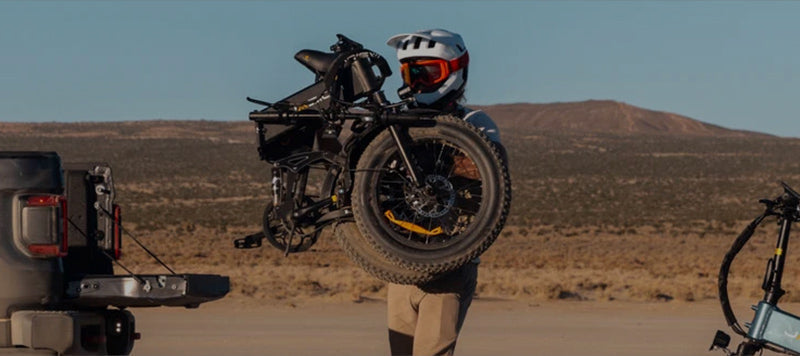
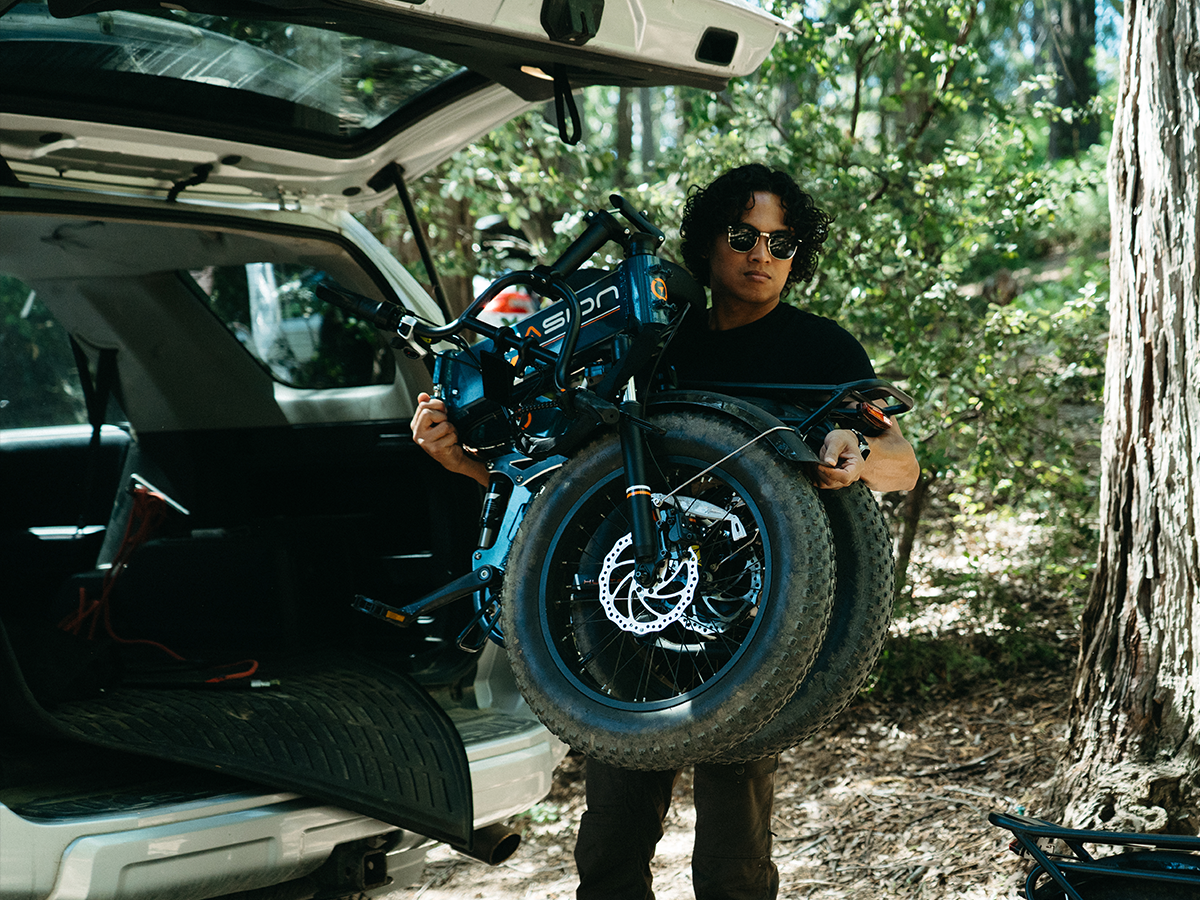
- Frame style: Step-through frames are easier for frequent stops; folding frames can simplify storage and transport.
Range 101: What Affects How Far You Can Ride?
Real-world range depends on factors like assist level, hills, wind, rider and cargo weight, tire pressure, temperature, and stop-and-go riding. Instead of planning to “use every last percent,” ride with margin—especially on your first few trips.
Simple ways to extend range
- Use lower assist on flat sections and save higher assist for hills and headwinds.
- Keep tires properly inflated to reduce rolling resistance.
- Accelerate smoothly instead of sprinting between stops.
- In colder weather, store the battery indoors when you can.
If you want a deeper, practical breakdown, see our guide on maximizing e-bike range.
Beginner Buyer Checklist
Before you pick a model, answer these questions. You’ll narrow the options faster—and end up with a bike you’ll actually ride.
Ask yourself these 10 questions
- Where will you ride most? Flat city streets, rolling hills, gravel paths, or mixed terrain?
- How far is a typical trip? Your commute/errand loop matters more than a once-a-year big ride.
- Do you need a removable battery? Think about charging access at home and work.
- How will you store it? Apartment stairs, a small garage, or an RV/van trunk?
- Do you want a throttle? Helpful for starts and short boosts, not essential for everyone.
- How important is a natural pedaling feel? This is where sensor type can matter.
- Will you carry cargo? Groceries, a backpack, or heavier loads change your priorities.
- How often will you stop? Frequent stops favor easy mounting and stable handling.
- What kind of maintenance are you comfortable with? Keep it simple if you don’t want to tinker.
- Where can you test ride safely? A short test in a quiet area tells you more than specs.
First Week on an E-Bike: A Simple Start Plan
Your first rides should feel easy and predictable. Build confidence first, then expand distance and complexity.
Day 1–2: Short loop, low assist
- Pick a quiet route with minimal traffic.
- Practice starts, stops, gentle turns, and looking behind you.
- Try different assist levels so you understand the feel.
Day 3–7: Add one variable at a time
- Add a hill or a longer section, but keep the route familiar.
- Practice controlled braking (smooth, earlier braking is better on heavier bikes).
- Dial in comfort: saddle height, handlebar position, and tire pressure.
FAQ: Electric Bike Basics
What is an e-bike in simple terms?
An e-bike is a bicycle with a battery and motor that helps you ride. You can still pedal like a normal bike, but the motor can assist to make hills, longer distances, and daily trips feel easier.
Do you have to pedal an e-bike?
Many e-bikes use pedal assist, which means the motor helps only when you pedal. Some models also include a throttle that can provide power without pedaling, depending on the bike and local rules.
What’s the difference between pedal assist and a throttle?
Pedal assist adds power while you pedal, making pedaling feel lighter. A throttle can provide motor power without pedaling, which can be useful for quick starts and short bursts.
What do Class 1, Class 2, and Class 3 mean?
These classes commonly describe how assistance is delivered (pedal assist and/or throttle) and the top assisted speed. Where each class is allowed to ride can vary by location, so check local trail rules and posted signs.
What affects e-bike range the most?
Assist level, hills, wind, temperature, tire pressure, rider/cargo weight, and stop-and-go riding can all change range. Planning with extra margin is the easiest way to avoid range anxiety.
What should I check before every ride?
Do a quick check of tire pressure, brakes, battery charge, and lights. Make sure nothing is loose and that your helmet fits properly.
Conclusion
An e-bike is still a bike—just with smart assistance that can make riding easier, more accessible, and more practical for everyday life. If you focus on your route, storage, charging needs, and comfort first, choosing the right model gets much simpler.
If you’re ready to compare options, browse our electric bike collection and use the checklist above to match a bike to how you actually ride.


Share: