
 EU
EU
 UK
UK
 US
US
 CA
CA



A long range ebike should cover your normal route with enough battery left for hills, wind, detours, and changing conditions. The listed range is a useful comparison point, but the distance you get from one charge depends on the bike, the route, and how it is ridden.
When comparing a commuter, folding bike, or model for longer weekend rides, browse the latest Jasion electric bicycle models and compare battery capacity, listed range, frame style, payload, and charging time.
What Is a Long Range Ebike?
There is no single industry distance that defines a long range ebike. A useful definition is a bike that can complete your regular trip with a practical battery reserve.
A listed range of 40 to 50 miles may be enough for local errands or a moderate commute. Riders planning longer round trips, repeated climbs, cargo travel, or full day rides may prefer models listed at 70 to 90 miles. The right number depends on the complete route, not the longest figure on a product page.
How Far Can an Electric Bike Go on One Charge?
Range figures are easier to use when you separate the published estimate from the distance you can plan around.
| Range Figure | What It Means |
|---|---|
| Listed maximum range | An estimate produced under stated test conditions, often with lower assistance, a steady pace, suitable tire pressure, and favorable terrain. |
| Real world range | The distance the bike covers on your route after speed, hills, stops, weather, rider weight, cargo, and riding mode are taken into account. |
| Planned trip range | The distance you are comfortable scheduling while keeping enough charge for unexpected conditions. |
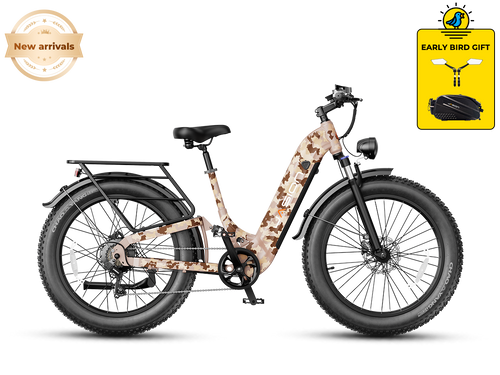
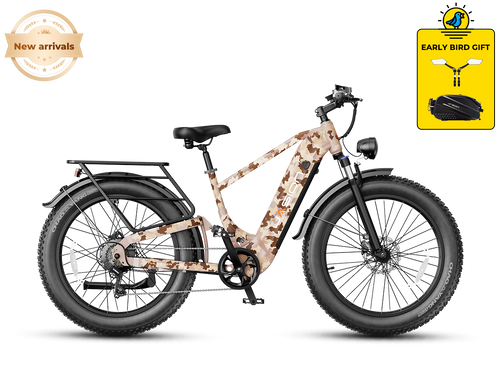
The Thunder Pro ST illustrates how assist level can change a published result. Under the test conditions shown on its product page, the listed range falls from 90 miles at PAS 1 to 45 miles at PAS 5. That does not predict every rider's result, but it shows why one bike can produce very different mileage at different assistance levels.

Why Listed and Ebike Range Differ
| Factor | How It Changes Range |
|---|---|
| Battery energy | More watt hours usually provide more range potential when the bikes and riding conditions are otherwise similar. |
| Assist level and throttle use | Stronger motor support generally uses more battery. |
| Speed and acceleration | Higher cruising speeds and repeated hard starts require more energy. |
| Terrain and surface | Climbs, soft ground, sand, snow, and rough trails demand more motor effort than flat pavement. |
| Rider and cargo weight | A heavier total load takes more energy to accelerate and climb. |
| Tires and bike condition | Low tire pressure, brake drag, a dry chain, or poor shifting increases resistance. |
| Wind and temperature | Headwinds increase drag, while cold conditions can temporarily reduce available battery output. |
How to Compare Ebike Battery Capacity
Battery listings commonly show voltage and amp hours, but watt hours give a clearer comparison of stored energy. Watt hours are calculated by multiplying voltage by amp hours. A 48V 15Ah battery is about 720Wh, while a 52V 20Ah battery is about 1,040Wh.
Wh helps compare range potential, but it does not produce an exact mileage by itself. Motor output, bike weight, tires, speed, terrain, and riding mode still matter. For charging, compatibility, battery lifespan, and replacement guidance, use the full electric bike battery guide.
How Much Ebike Range Do You Need?
Start with the complete route, including the return trip, then allow extra capacity for the conditions you regularly face.
| Riding Need | How to Plan |
|---|---|
| Daily commute | Use the full round trip and include traffic, detours, and days when you choose stronger assistance. |
| Hilly route | Leave more margin for repeated climbing. |
| Weekend ride | Include the return journey, optional stops, and any section without charging access. |
| Cargo or heavier load | Account for the rider, bags, locks, tools, and everything carried on the bike. |
| Cold or windy conditions | Plan more reserve than you would for a mild, calm day. |
| Limited charging access | Choose enough capacity to finish normal travel without depending on a charge at every destination. |
A 12 mile commute each way is a 24 mile daily route. A bike listed only slightly above 24 miles leaves little room for hills, wind, detours, or higher assistance. A wider margin makes the same trip easier to plan.
How to Estimate Your Real World Ebike Range
A short test on a representative route is more useful than guessing from the battery display. Use the same rider, cargo, tire pressure, and assist level you expect on the longer trip.
- Start with a properly charged battery and record the displayed percentage.
- Ride a familiar route that includes your usual hills, stops, and surface.
- Record the distance and the percentage of battery used.
- Estimate a full charge under similar conditions with this calculation: test distance ÷ battery percentage used × 100.
For example, if a 12 mile test uses 25% of the battery, the estimated range under similar conditions is about 48 miles. Treat the result as a planning estimate rather than a guarantee, and keep a reserve for weather, detours, or changes in assistance.
How to Increase Electric Bike Range
Range improves when the bike uses less energy to cover the same route. Focus on a few habits that make a meaningful difference:
- Use assistance where it helps most. Lower or medium PAS is often enough on easy sections, while higher support is useful for climbs, headwinds, cargo, and difficult starts. Read how pedal assist works for a fuller explanation of PAS levels and sensors.
- Ride smoothly. A steady pace and gradual acceleration usually use less energy than repeated full power starts.
- Reduce avoidable resistance. Keep tires within the recommended pressure range and correct brake rub, dry chains, or poor shifting before a long ride. The electric bike maintenance and repair guide covers those checks.
- Plan the route, not just the mileage. A slightly longer road with smoother pavement and fewer steep climbs may use less battery than a short, demanding route.
- Carry a practical reserve. Allow extra capacity for wind, cold weather, unexpected stops, and any part of the trip where charging is unavailable.
If your main concern is acceleration, top speed, or display settings rather than distance per charge, use the electric bike speed settings and performance guide. Keeping those topics separate makes it easier to diagnose a speed issue without confusing it with range planning.
What to Look for in a Long Range Electric Bike
Battery capacity matters, but comfort and practicality become just as important as the miles add up.
- Battery energy: compare watt hours when possible.
- Range information: check the test conditions and PAS specific figures when available.
- Frame fit: review rider height, step over height, reach, and riding position.
- Ride comfort: consider the saddle, tire size, suspension, and handlebar position.
- Payload: include the rider and everything carried on the bike.
- Charging time: make sure the charging schedule works with daily use.
- Storage: decide whether a full size or folding frame better fits your space and transport needs.
- Product support: check compatible batteries, chargers, manuals, and service resources.
The Jasion electric bike comparison lets you review current specifications side by side.
Current Jasion Long Range Ebikes Compared
The models below have the highest listed range among the current Jasion options featured here. Compare them by battery, frame, and intended use rather than treating the maximum mileage as an everyday guarantee.
| Model | Battery | Listed Max Range | Best Fit |
|---|---|---|---|
| Thunder Pro | 52V 20Ah, about 1,040Wh | Up to 90 miles | Full size riding, mixed terrain, longer commutes, and higher payload needs |
| Thunder Pro ST | 52V 20Ah, about 1,040Wh | Up to 90 miles | Longer rides with a step through frame |
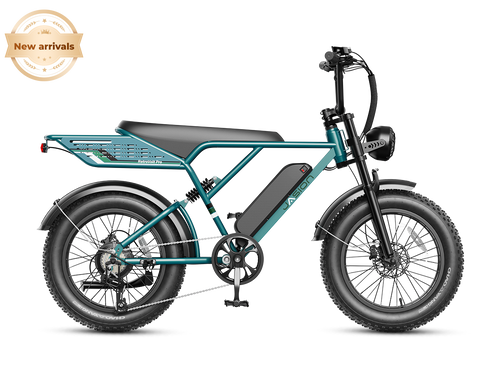
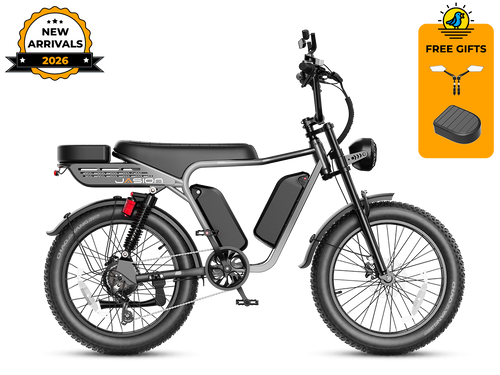
| RetroVolt Pro | 52V 20Ah, about 1,040Wh | Up to 90 miles | Moped style riding and full suspension comfort |
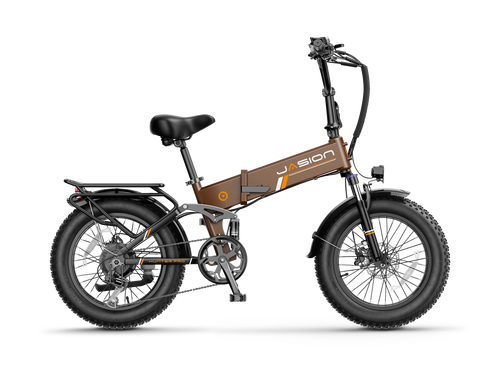
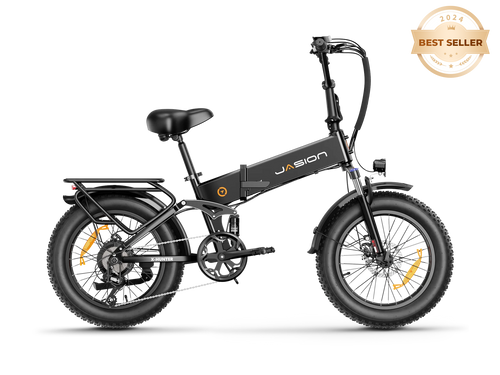
| Hunter Pro | 48V 15Ah, about 720Wh | Up to 80 miles | Folding storage, mixed terrain, and longer routes |
Actual range varies with assist level, throttle use, speed, terrain, total load, tire pressure, temperature, stops, and battery condition. Confirm current specifications on the product page before purchasing.
Is a Long Range Ebike Worth It?
A long range ebike can be a good fit for longer commutes, routes with frequent hills, cargo trips, weekend rides, or places where charging is not always convenient. Extra battery margin also makes detours and changes in riding conditions easier to manage.
For short trips, easy charging, apartment storage, or frequent lifting, a lighter and more compact bike may be the better choice. The right model is the one that covers your route comfortably while fitting your body, storage space, terrain, and riding style.
Frequently Asked Questions
What is considered a long range ebike?
There is no official distance. It is an ebike that can cover your normal route with a practical battery reserve. For some riders, 50 miles is enough, while longer commutes, hills, cargo trips, or full day rides may call for a listed range of 70 to 90 miles.
How far can an electric bike go on one charge?
The result depends on battery energy, assist level, speed, terrain, load, weather, and bike condition. Published maximum range is measured under specific conditions, so everyday mileage may be lower.
Is a 50 mile range good for an ebike?
Yes. A 50 mile listed range can cover many commutes and errands. Compare it with your complete round trip and leave room for hills, wind, detours, and stronger assistance.
Can an ebike go 100 miles?
Some ebikes can approach or exceed 100 miles under favorable conditions or with larger or dual battery systems. Actual distance depends heavily on the route, speed, assistance, load, and weather.
How do I estimate my real world ebike range?
Ride a representative route and record the distance and battery percentage used. Divide the distance by the percentage used, then multiply by 100. Use the result only for similar conditions and keep a reserve.
What battery size is best for a long range ebike?
Choose around your route rather than one battery number. Compare watt hours, listed range, bike weight, motor output, tires, charging time, and expected load.
Is Wh more useful than Ah for comparing ebike range?
Usually, yes. Watt hours include both voltage and amp hours, so they give a clearer picture of total stored energy. Ah alone does not show the full battery energy.
Why is my actual ebike range lower than advertised?
Published maximum range is measured under set conditions. Faster riding, hills, headwinds, heavier loads, high assistance, throttle use, low tire pressure, cold weather, or brake drag can reduce the distance.
How can I increase my ebike range?
Use assistance strategically, accelerate smoothly, maintain tire pressure, correct brake or drivetrain drag, choose an efficient route, and keep enough charge in reserve for changing conditions.
Which Jasion ebikes have the longest listed range?
Thunder Pro, Thunder Pro ST, and RetroVolt Pro currently list maximum ranges of up to 90 miles. Hunter Pro lists up to 80 miles. Actual mileage depends on riding conditions and bike setup.




Share: