
 EU
 UK
 US
 CA



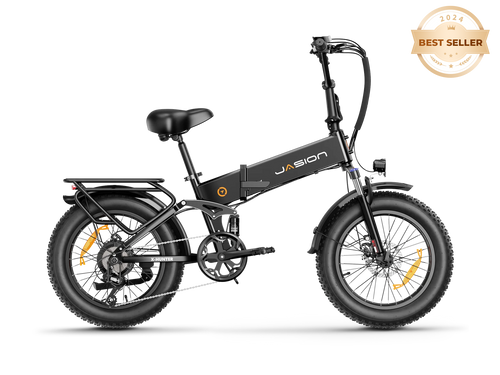
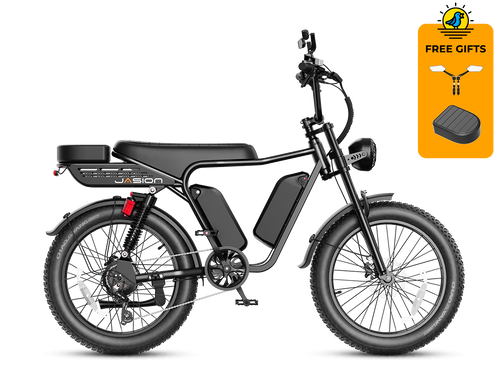
To wash an ebike safely, switch off the power, disconnect the charger, close the charging-port cover, and clean with a damp cloth and soft brush. Keep water away from electrical openings, dry the bike thoroughly, and lubricate the chain after cleaning it. This gentle method works for routine cleaning on many ebikes, including the Jasion Thunder Pro and Kago. Never use a pressure washer.

What You Need for Washing an Electric Bike
Set the bike upright on stable, level ground and gather your supplies. For routine cleaning, a bucket and cloths are enough. Use a hose only where your bike's instructions permit rinsing.
- Two containers: one for washing water and one for rinsing dirty cloths. Change the water when it becomes gritty.
- Soft cloths: keep a clean one for the display and painted surfaces, a separate one for the drivetrain, and another for drying.
- Soft brushes: use separate brushes for tires, frame details, and the drivetrain. Do not reuse an oily chain brush on the frame or brakes.
- Mild bike cleaner: choose a product compatible with the finish, plastics, rubber, and seals. Follow its dilution and application directions.
- Bicycle chain lubricant: apply it after the chain is clean and dry, then wipe off the excess.
Plain water on a damp cloth is sufficient for light dirt. Avoid gasoline, kerosene, harsh solvents, abrasive pads, and strongly degreasing household cleaners on the frame or electrical components. Do not use alcohol as an all-purpose bike wash. Brake components may have separate cleaning instructions that do not apply to the rest of the bike.
How to Wash an Ebike in 7 Steps
1. Switch off the power and protect electrical openings
Turn the bike off, disconnect it from the charger, and close the charging-port cover fully. Remove bags that obstruct cleaning. Check the port cover and visible cable housings for damage before bringing water near the bike.
Prepare the battery according to your model's instructions. Some systems require removal before washing; others specify leaving the battery secured. For a damp-cloth clean on Thunder Pro or Kago, start with the bike off, charger disconnected, and charging flap closed. If you remove a battery as instructed, keep it dry and protect the exposed mount and contacts from water. Leave fixed displays and electrical housings assembled.
2. Loosen mud without rubbing grit into the finish
Lift away loose debris with a soft brush. For dried mud stuck to the frame or fenders, hold a damp cloth against it to soften the dirt before wiping. Scrubbing a gritty surface harder can drag abrasive particles across the finish.
Work gently around cable guides, fender mounts, and the motor housing's exterior. Clean accessible surfaces without pushing debris into openings or pulling at cables. Keep the bike upright rather than turning it upside down, where wash water may collect around electrical parts.
3. Clean the frame from top to bottom
Wipe the handlebar, frame, fork exterior, and fenders before moving to the lower frame and wheels. Rinse the cloth frequently. If mild cleaner is needed, apply it to the cloth where practical so you can control where the liquid goes. Follow its directions and remove residue with a fresh damp cloth.
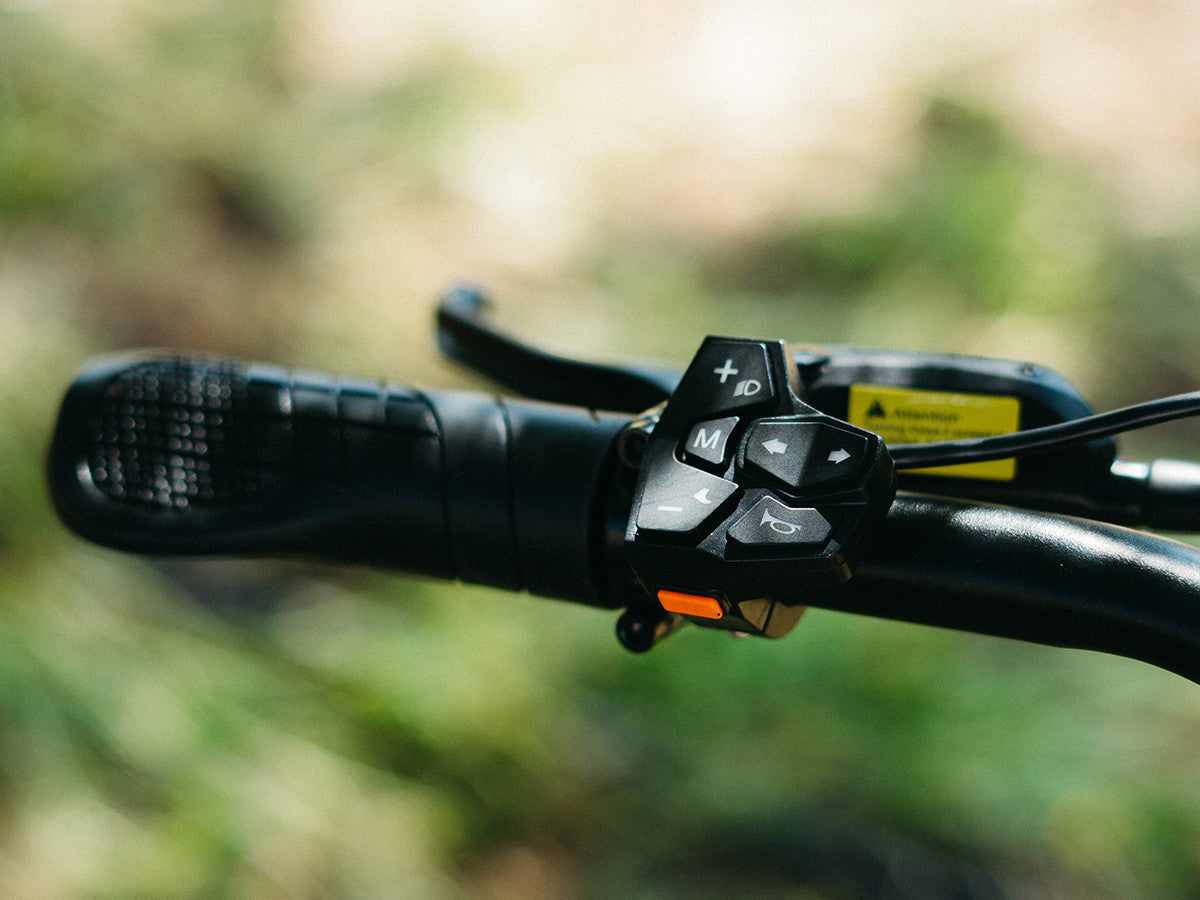
Clean the display and controls with a separate, lightly damp cloth. Avoid spraying them directly or letting liquid run toward buttons and cable entries. Wipe suspension stanchions gently with a clean cloth; do not drive grit toward their seals.
4. Give wheels and fenders their own brush
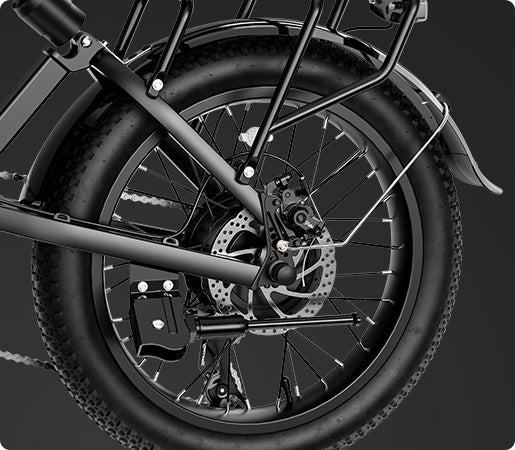
Remove dirt from tire tread, sidewalls, and the undersides of fenders. Pay attention to packed mud that could rub against the tire. Keep water away from hub openings and bearings, and avoid dragging a greasy brush across a brake rotor.
While the wheels are clean, inspect the tires for cuts, embedded debris, and visible damage. Check inflation against the limits specified for your tire and bike before riding; one pressure recommendation does not suit every ebike.
5. Clean the drivetrain without contaminating the brakes
Use a dedicated rag and brush for the chain, chainring, and accessible sprockets. Start by wiping off loose grime. Where buildup requires degreaser, use a bicycle drivetrain product according to its directions and keep it away from brake pads, rotors, bearings, and electrical parts.
Do not use the throttle or pedal assist to move the chain while cleaning. Keep fingers, cloths, and brushes clear of moving teeth and pinch points. For the full drivetrain procedure, follow our guide to how to clean a bike chain.
6. Dry the bike, then lubricate the chain
Wipe the frame and accessible hardware dry. Pay attention to the charging-port exterior, battery area, and cable entry points. Allow remaining moisture to dry in a ventilated place before reconnecting power or charging. Do not try to speed this up with a heat gun.
Once the chain is clean and dry, apply bicycle chain lubricant to the rollers following the product directions. Keep it away from brake rotors and pads, then wipe excess oil off the chain's outer surfaces. Too much lubricant leaves a sticky film that collects grit. For charging and storage care beyond washing, see our ebike battery maintenance guide.
7. Check braking and electrical operation before riding
Before switching on, check that the charging area is dry, the battery securely mounted, cables undamaged, and accessories properly refitted. Do not disconnect electrical plugs merely to inspect them during a routine wash.
Check each brake while walking the bike, then make a cautious low-speed check in a clear area. If braking is weaker than normal or stays noisy after drying, have it checked before returning to traffic. If moisture entered a charging port or connector, or an electrical fault appears after washing, keep the bike off and disconnected from the charger and contact Jasion support.
Can You Wash an Ebike with a Hose?
A gentle rinse is appropriate only when your bike's instructions permit it. Use low pressure and keep the stream away from the motor, display, battery mount, charging port, and bearings. A pressure washer or steam cleaner can force water past seals and into areas that normally resist splashes.
For routine cleaning of Thunder Pro and Kago, use the damp-cloth method described above. There is no need to introduce a hose when a cloth removes the dirt. Water resistance does not establish that a bike can tolerate a concentrated spray, immersion, or every cleaning chemical.
Adjust the Clean to the Ride
| Riding conditions | Where to focus | What to do |
|---|---|---|
| Dry dust | Frame, controls, chain exterior | Lift loose dirt with a soft brush, then wipe with a clean damp cloth. Check the chain before adding lubricant. |
| Mud | Tires, fender clearance, lower frame, drivetrain | Soften stuck mud before wiping. Use separate wheel and drivetrain tools, then dry and service the chain as needed. |
| Rain | Charging-port exterior, battery area, chain | Wipe away moisture and road grit. Check that electrical areas are dry before charging. |
| Road salt or coastal residue | Exposed metal, fasteners, wheels, drivetrain | Remove residue promptly with fresh damp cloths, changing the water frequently. Dry thoroughly and check chain lubrication. |
Clean according to conditions rather than a rigid calendar. A dry commute may need a brief wipe; a muddy or salty ride needs more attention. Look for grit around moving parts, dirty chain lubricant, and residue near seals. Frequent gentle cleaning is easier than scrubbing off weeks of buildup.
Ebike Cleaning FAQ
Can I wash an ebike without a hose?
Yes. Use a bucket, clean damp cloths, and a soft brush. Soften stuck dirt before wiping, rinse the cloth frequently, and finish with a dry cloth. This method is practical for apartment owners and for bikes whose instructions recommend wiping rather than rinsing.
Can I use dish soap to wash an ebike?
A mild soap solution may be suitable where the bike manufacturer allows it, but strongly degreasing products can affect materials and protective lubricants. Use plain water for light dirt or a compatible bike-specific cleaner for heavier grime. Keep cleaner away from electrical openings and follow separate brake-cleaning instructions.
Do I need to remove the battery before cleaning?
Follow the instructions for your battery system. Removal is required on some bikes and unnecessary for a routine damp-cloth clean on others. Always switch off the bike, disconnect the charger, and protect the charging port. If the battery is removed, keep the exposed mount and contacts dry.
How long should I wait to charge after washing?
There is no universal waiting time. Charge only when the bike, charging port, plug area, and battery contacts are completely dry. If water entered the port or an electrical connector, keep the charger disconnected and seek support rather than assuming a few hours will make it safe.
What if the brakes squeal after cleaning?
Let the brakes dry and check their operation before riding. Persistent squealing or reduced braking can indicate contamination or another brake problem. Do not apply lubricant to the rotors or pads. Have the brakes inspected if normal braking does not return.





Share: