
 EU
EU
 UK
UK
 US
US
 CA
CA



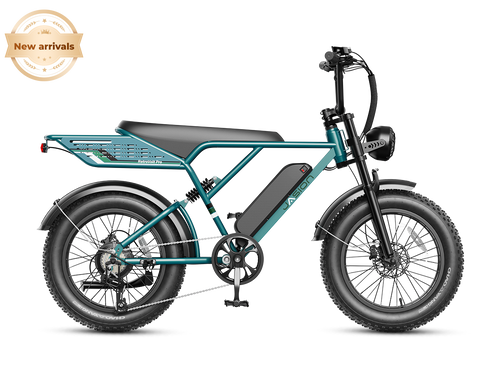
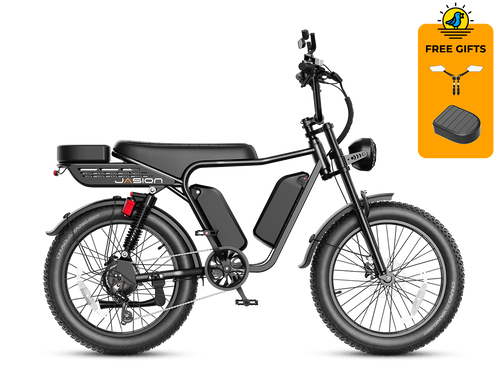
The RetroVolt Pro is a fun moped-style e-bike with a powerful motor, fat tires, and a retro look. You can pedal it comfortably, but the best experience comes from using pedal assist (PAS), throttle, and gears the right way—not riding it like a traditional bicycle.
Because the RetroVolt Pro is a moped-style e-bike, it naturally feels different from a classic commuter bike. It has a long saddle, wide tires, and a heavier build. That doesn’t mean pedaling is “wrong”; it just means pedaling works with the motor, not against it. Once riders understand how it’s meant to be used, the ride becomes relaxed, smooth, and predictable.
In this guide, we’ll explain why it feels different, how PAS, throttle, and gears work together, and how to ride comfortably in real life. We’ll also share three simple rider setups so you can choose what works best for city cruising, daily commuting, or hills and carrying extra weight.

Why Moped-Style E-Bikes Feel Different From Regular Bikes
Moped-style e-bikes are designed for comfort, balance, and smooth riding rather than fast or sporty pedaling. The RetroVolt Pro follows this idea closely, with a longer frame feel, a wide cushioned saddle, and thick fat tires—all of which change how pedaling feels compared to a regular bicycle.
First, the riding position feels different right away. You sit more upright, and your legs are placed slightly forward instead of directly under your body like on a traditional commuter bike.
Second, the long saddle is built for comfort and flexibility, not speed. It allows you to sit in different spots and adjust your position during longer rides. Because it’s wider and flatter than a normal bike seat, pedaling feels more easygoing.
Third, fat tires and a heavier build add stability, which makes the bike feel steady on the road—but they also create more resistance if you try to pedal with no assist. (The RetroVolt Pro’s listed weight is 82 lbs.)
RetroVolt Pro Riding Modes Explained
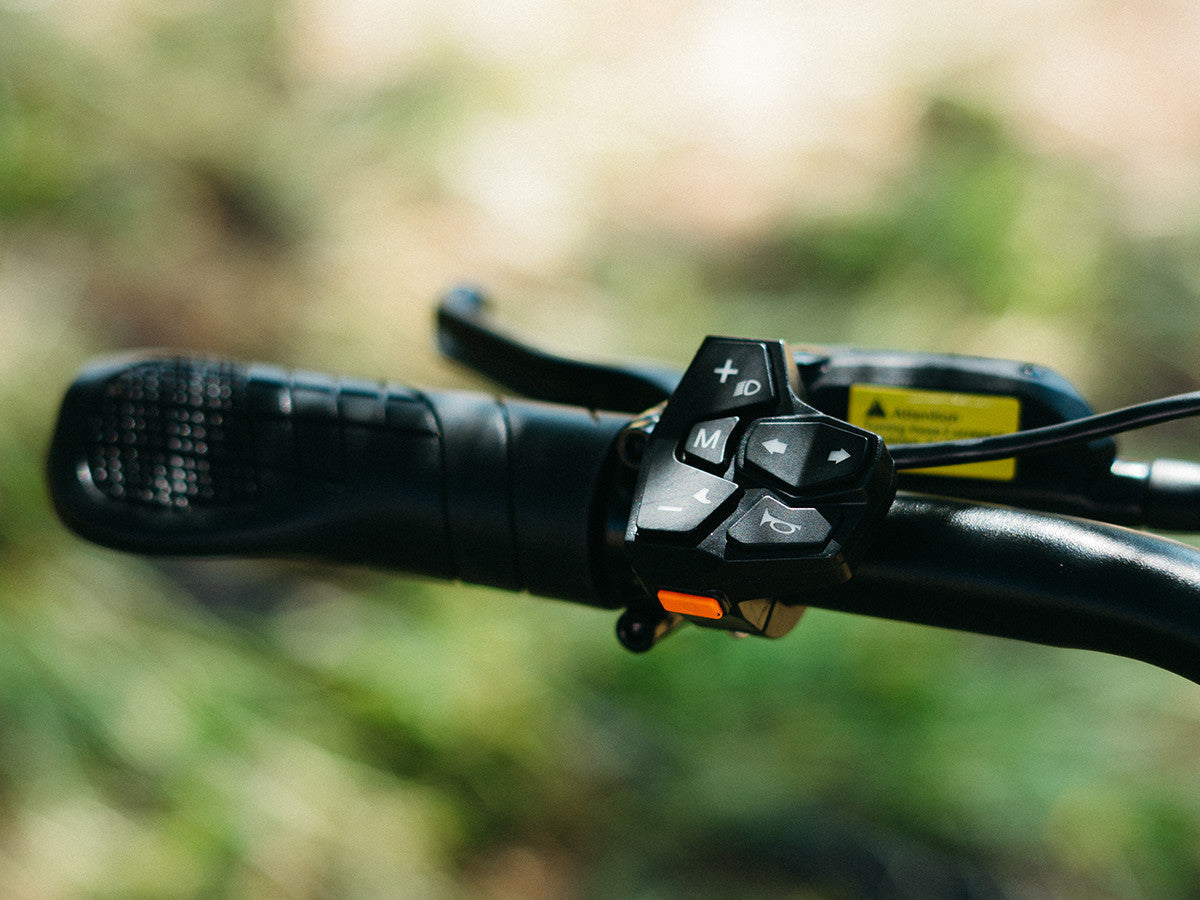
The RetroVolt Pro gives you three main riding tools: pedal assist (PAS), a throttle, and gears. When you understand how these work together, the bike feels smooth, easy, and predictable instead of heavy or jumpy.
Pedal Assist System Levels (PAS)
Pedal assist decides how much help the motor gives you while you pedal.
- PAS 0: No motor help at all. You’re moving the full weight of the bike by yourself—best for short moves or testing.
- PAS 1–2: Light motor help. Great for calm rides, flat roads, bike paths, and saving battery.
- PAS 3: Medium support. A comfortable everyday level for city riding with a natural feel.
- PAS 4–5: Strong support for hills, headwinds, rough roads, or heavier loads.
How the Cadence Sensor Feels
The RetroVolt Pro uses a cadence sensor. That means the motor turns on when it senses the pedals are turning (it detects movement—not how hard you push). To keep the ride smooth and avoid a sudden surge, use these tips:
- Start pedaling slowly and gently for the first 1–2 rotations
- Pick a comfortable gear before you start moving
- Choose a PAS level that fits the road and traffic
- Avoid stomping the pedals at takeoff—smooth inputs feel best on cadence assist
Using the Shimano 7-Speed Gears
The gears are there to protect your legs and keep pedaling comfortable. (The RetroVolt Pro comes with a Shimano 7-speed drivetrain.)
- Use lower gears when starting from a stop or going uphill
- Use higher gears when riding faster on flat roads
- If pedaling feels too hard or too easy, change gears first—then adjust PAS
See how it feels in real riding.
3 Real-World Setups
Below are three simple riding setups you can use in everyday situations.
Setup A: City Cruise (Comfort + Control)
This setup is best for relaxed city riding, short trips, and casual cruising around town. It’s all about staying comfortable and in control.
Use PAS 2–3 with a comfortable gear that lets your legs move easily without rushing. If you need a little push to start or cross an intersection, use the throttle gently instead of yanking it. In city traffic, leave extra space for braking—the bike is heavier than a regular bicycle, so it can take longer to slow down.
Setup B: Commuting (Range-Minded)
For commuting, the goal is to save battery while still riding comfortably. Use PAS 1–2 most of the time and rely on gears to keep pedaling easy. Shift when the road changes rather than increasing PAS right away. Save PAS 3+ for hills, headwinds, or situations where you need extra support.
The listed “up to 90 miles” range is based on ideal conditions (low assist, flat roads, steady speed, lighter load). Real-world range changes with rider weight, hills, wind, tire pressure, temperature, and riding style.
For best long-term performance, follow smart battery habits (charging, storage, and winter care).
Setup C: Hills / Carrying Cargo or a Passenger
When riding uphill or carrying extra weight, you need more support and better control. Use PAS 4–5 with a lower gear so the motor and your legs work together. This reduces strain and keeps cadence assist smooth.
The RetroVolt Pro is listed with 99 N·m of torque and supports up to 330 lbs max payload, so it’s built for these situations.
Even with strong power, ride carefully: brake earlier, avoid quick turns, and keep your movements smooth. Stay centered on the saddle and keep the bike balanced, especially when stopping and starting with cargo or a passenger.
Common Comfort Issues & Fixes
Here are a few common comfort issues riders mention—and practical ways to address them.
1) Heel Strike on Passenger Pegs While Pedaling
Some riders may notice their heels occasionally contacting the passenger footpegs during pedaling, especially with larger shoes or a wider pedaling stance.
Fixes to try:
- Adjust your foot position on the pedals (try placing the ball of your foot on the pedal)
- Slow your cadence slightly and keep strokes smooth
- If you ride solo most of the time, consider whether you need the passenger setup installed
- Check the RetroVolt Pro User Manual (PDF) for hardware guidance
2) Full Suspension Feels Too Firm
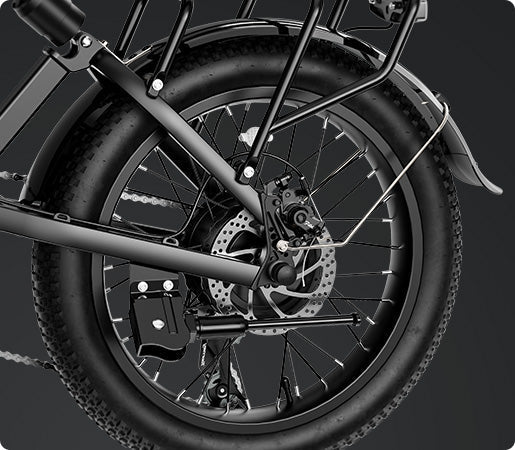
The RetroVolt Pro features Horst-Link rear suspension and a hydraulic front suspension. If the ride feels firmer than expected on rough roads, try:
Fixes to try:
- Adjust tire pressure within the safe PSI printed on the tire sidewall (lower can improve comfort; higher can improve efficiency)
- Shift your posture slightly and keep elbows/knees relaxed to absorb chatter
- Confirm any adjustment points in the user manual.
3) Handling a Heavier Bike
At 82 lbs, the RetroVolt Pro feels solid but can be challenging for parking, tight turns, or walking it around.
Fixes to try:
- Practice low-speed handling in a safe open area
- Use both hands when walking the bike and avoid sharp pivots from a dead stop
- Plan your parking spot before you arrive so you don’t have to lift or back it up awkwardly
FAQ: Pedaling a Moped-Style E-Bike
Can you pedal a moped-style e-bike comfortably for commuting?
Yes. The key is using PAS levels and gears together to maintain a comfortable cadence. Most commuters find PAS 1–3 plus smart shifting feels the smoothest and most efficient.
Will cadence PAS feel jerky?
It can feel slightly jerky at first because the motor engages when it detects pedaling movement. Smooth starts come from starting in a lower gear, pedaling gently for the first rotation or two, and increasing PAS gradually.
How do I avoid heel strike on passenger pegs?
Adjust your foot position on the pedals, slow your cadence slightly, and keep your strokes smooth. If you mostly ride solo, removing or repositioning passenger hardware may help—follow the RetroVolt Pro User Manual (PDF).
What rider height fits the RetroVolt Pro best?
The listed fit range is 5'4" to 6'2".
How long does it take to charge?
A full charge is listed at approximately 5–6 hours..
How should I store the battery safely?
Store batteries in a cool, dry place, avoid extreme temperatures, and follow best-practice charging/storage guidance. For a detailed walkthrough, see: How to Care for an E-Bike Battery (Jasion).
How should I store the bike in winter?
Keep it indoors if possible, avoid extreme cold for long periods, and follow winter battery storage recommendations. This guide covers winter storage steps: E-Bike Battery Care: Storage & Winter Tips (Jasion).
Where can I ride it?
This depends on local laws and e-bike classifications—especially around speed and throttle use. For a U.S.-focused overview, read: E-Bike Regulation Updates (Jasion).
Conclusion
The RetroVolt Pro is designed for comfort-first riding, not hard pedaling. When used the right way—with PAS, gears, and a relaxed approach—it becomes smooth, enjoyable, and practical for real life.
If you’re looking for a moped-style e-bike that balances power, comfort, and everyday usability, the RetroVolt Pro is worth exploring.





Share: