
 EU
EU
 UK
UK
 US
US
 CA
CA



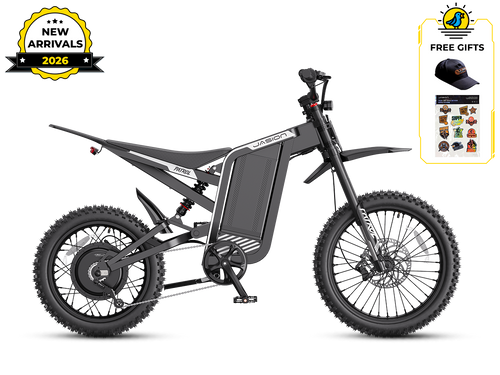
The Jasion RetroVolt Pro is a powerful moped style ebike. It has a top speed of 38 mph, along with a 2000W peak motor and a twist throttle. It has pedal assist levels from 0 to 5. Many people ask: Is this bike legal on the street or bike paths? It depends on your local rules. Some places allow it fully, others have limits, and a few treat faster bikes like mopeds. Here's a quick checklist to figure it out.
This guide is not legal advice; always check your state's laws, city rules, and any park or trail guidelines. Laws change, and local areas can add their own restrictions. Let's break it down so you feel confident riding safely and legally.

Where to ride
Most e-bike laws in the United States were created with traditional bicycle-style electric bikes in mind. These laws usually assume lower speeds, lighter frames, and pedal-focused riding. That’s why many rules are based on the well-known three-class e-bike system promoted by groups like PeopleForBikes.
The three classes are:
-
Class 1: Pedal assist only, motor stops at 20 mph.
-
Class 2: Pedal assist plus throttle, motor stops at 20 mph.
-
Class 3: Pedal assist only, no throttle, motor stops at 28 mph.
The RetroVolt Pro is different. Its published specifications include a top speed of up to 38 mph, a 2000W peak motor, a twist throttle, and PAS levels from 0 to 5. It also has a moped style ebike design, which visually and functionally separates it from standard commuter e-bikes.
This doesn’t mean the bike is illegal. It means the rider must pay attention to where and how they ride. Some areas allow powerful e-bikes on roads but restrict them on shared paths. Other areas focus more on riding behavior than motor numbers.
What this Means for You:
You need to check local rules and choose riding locations carefully. Roads, bike lanes, and private property are often more flexible than shared trails.
The 3-step Checklist to Know What Rules Apply
Follow these steps to understand the rules in your area
Step 1: Identify your Jurisdiction & Rule Type
There is more than one source from which ebike rules are made. Sometimes, these rules overlap with each other, and sometimes they conflict.
-
State Laws
-
City and county laws
-
Park and Trail Laws
Step 2: Identify the Definition your Area Uses
Once you know which jurisdictions apply to you, the next step is to understand how they define e-bikes.
-
Three-class System
-
Federal Consumer Definition
This is where the 38 mph speed creates confusion. A bike that can reach 38 mph goes beyond the usual 28 mph Class 3 limit and the 20 mph federal baseline. Even if you never ride that fast, the bike’s ability to reach those speeds can still affect how it is classified.
Step 3: Decide Where to Ride
Once you understand your local definitions, you can identify safe riding places.
- Roads and bike lanes are generally more permissive than trails.
- Most places allow higher-speed and throttle-equipped bikes on regular roads
- You'll need to follow vehicle traffic laws and potentially register the bike
- Multi-use paths and trails frequently restrict higher-speed bikes, throttle use, or both.
- Many systems limit bikes to Class 1 to protect pedestrian safety and trail experience.
Where Riders get in Trouble (and How to Avoid it)
Most issues don’t come from paperwork; they come from behavior.
Going too Fast around Pedestrians
Blasting past people on paths can scare them or cause accidents. So, slow down to 10–15 mph near walkers, joggers, or kids.
Using full Throttle on Trails
Many paths ban throttle or high speeds. You can use pedal assist only on shared paths.
No Lights at Dusk or Night
If you dont use lights, especially at night, then it will be harder for others to see you. Always turn on the lights when it's getting dark.
Not Yielding or Announcing Passes
People don't like surprises. So, you can say: ”on your left” when passing, and give plenty of space.
Treating Paths like Race Tracks
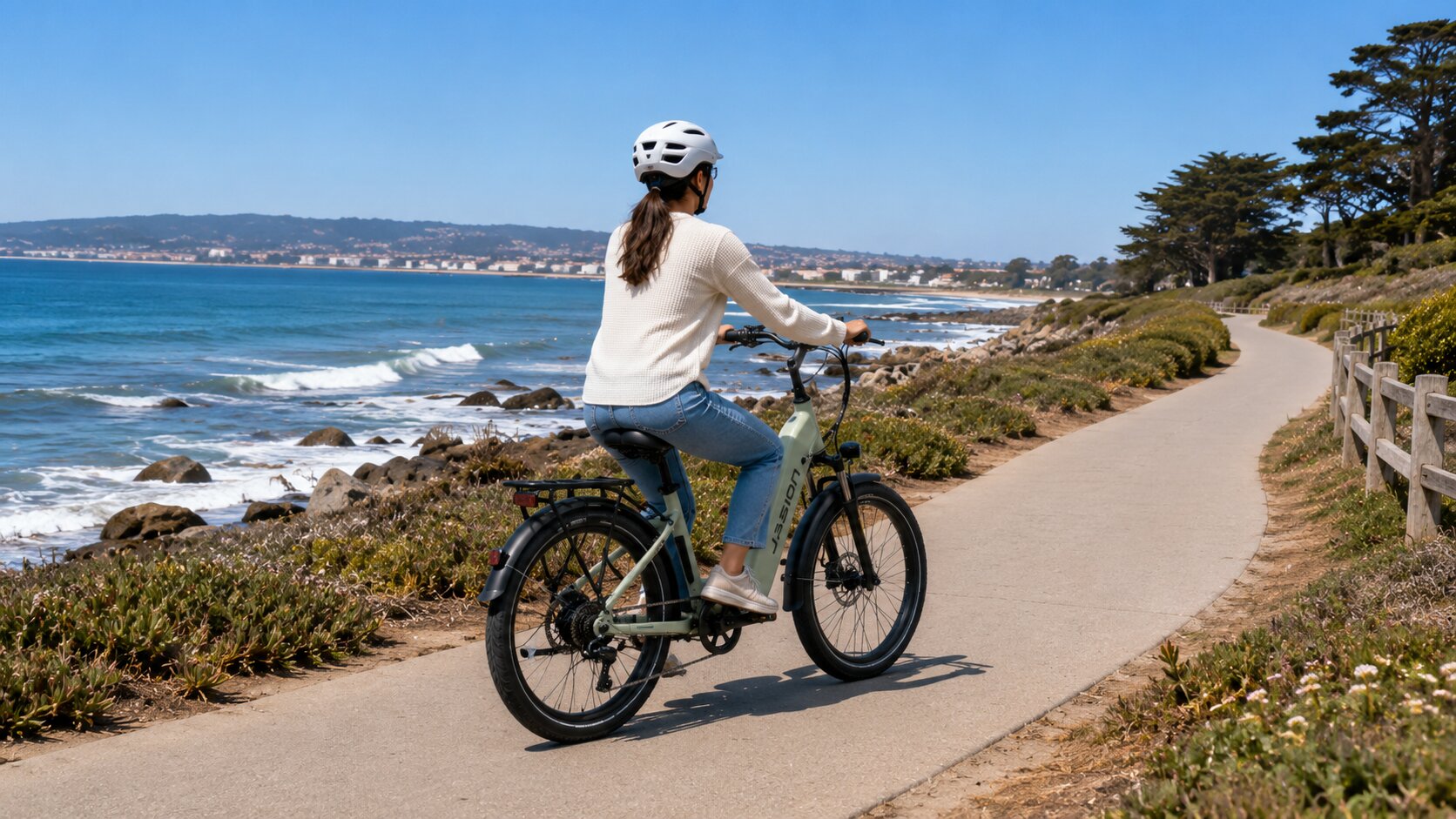
Fast riding annoys others and risks tickets. Ride at a calm pace, enjoy the scenery, and follow posted speed limits.
Responsible Riding Setup Tips for a Fast Moped Style eBike
Powerful e-bikes like the RetroVolt Pro are easiest to manage when set up thoughtfully.
- In crowded or mixed-use areas, use lower PAS levels.
- Save higher PAS levels for open roads or hills where extra power is actually needed.
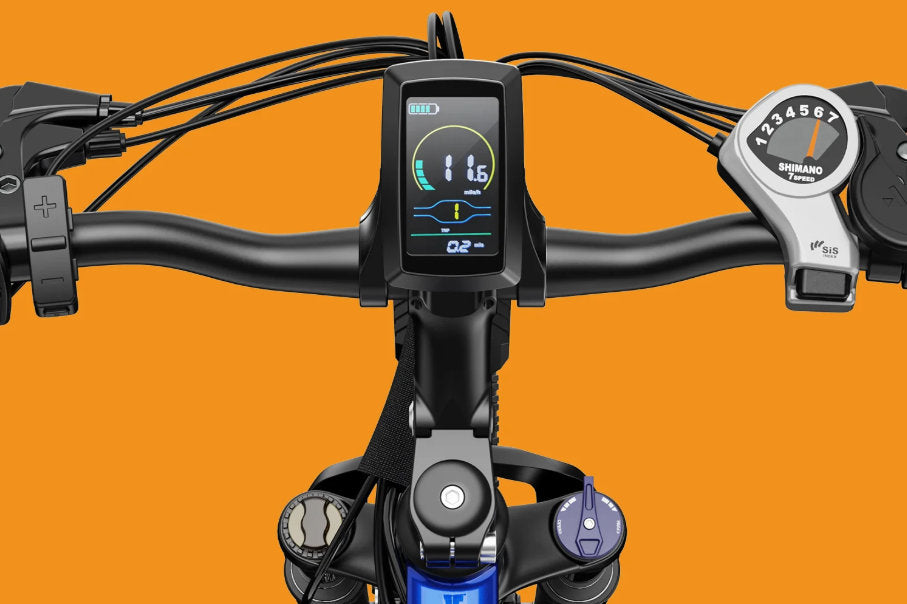
- Check the bike’s manual or display settings if available.
- Avoid sudden acceleration in tight spaces.
- The RetroVolt Pro features hydraulic brakes and integrated lighting, which support safer riding when used correctly.
- Good brakes give confidence, but they also remind riders to slow down earlier and ride predictably.
FAQ
Can a 38 mph e-bike be street legal?
Yes, in some areas it can be, especially on roads. However, many places restrict faster e-bikes on shared paths. Always check local laws before riding at higher speeds.
Is 2000W legal for an e-bike in the US?
There is no single nationwide rule. Some states focus on speed, others on motor power, and many rely on behavior and location rather than peak wattage.
Where can I ride a moped style ebike?
Roads and bike lanes are usually the safest choice. Trails and shared paths may have restrictions.
Can I ride it on bike paths or trails?
Sometimes yes, sometimes no. Many paths limit speed or ban throttle use. Check posted signs or park websites before riding.
Does having a throttle change the class?
In many places, yes. Throttle use often moves a bike into a different category or limits where it can be used. So, you should always check for throttle ebike laws.
Do I need registration or insurance?
Usually not for standard e-bikes, but rules vary. Some areas may require registration if the bike exceeds certain limits.
How do I check my local rules quickly?
Start with your state DOT website, then check city ordinances and local park or trail pages. Signs at trail entrances are also important.
What safety gear matters most on faster e-bikes?
A good helmet is essential. Lights, reflective clothing, and gloves also improve safety and visibility.
Sum Up
The RetroVolt Pro offers serious performance, comfort, and flexibility, but smart riding makes all the difference. When you understand your local rules and ride responsibly, you get more freedom and fewer limits. You can explore the




Share: