
 EU
EU
 UK
UK
 US
US
 CA
CA



Step into a world where the past comes alive—ancient cities, legendary landmarks, and local stories waiting around the next corner. With an electric bike, you can cover more ground than walking, climb hills without burning out, and still slow down enough to truly experience the place. In this guide, you’ll learn how to plan a culture-first e-bike day, uncover hidden historical gems, and travel responsibly while exploring heritage sites.

Why E-Biking Is Perfect for Historical Sites & Landmarks
Historic districts and landmark routes are often spread out: a cathedral in the center, ruins on the edge of town, a viewpoint above the old fort. An e-bike helps you connect these places efficiently while keeping the journey immersive.
- More stops, less fatigue: visit multiple sites in a single outing without feeling “time-poor.”
- Better access to viewpoints: pedal-assist makes steep approach roads far more manageable.
- Travel at “discovery speed”: faster than walking, slower than driving—ideal for noticing details.
How to Plan a Cultural E-Bike Route (A Simple Template)
Use this planning flow to build a day that feels smooth, photo-friendly, and respectful of site rules.
Step 1: Pick 1–2 “Anchor” Landmarks
Start with one major destination (old town center, fortress, ruins, memorial, landmark museum), then add a second anchor only if the distance is reasonable.
Step 2: Connect With a Scenic Corridor
Choose a route between anchors that adds cultural texture: a riverside promenade, an old railway path, a quiet neighborhood with preserved architecture, or a countryside lane leading to an archaeological area.
Step 3: Keep the Day Comfortable
For most travelers, 12–30 miles (20–50 km) with multiple stops is a great range for a culture-focused ride. If the route includes long climbs or strong winds, plan shorter and enjoy longer visits on foot.
Step 4: Plan Your Parking & Locking Points
Historic centers can be busy. Identify where you’ll lock up near entrances, and avoid blocking walkways, ramps, or emergency access. A compact lock and a short cable can make quick stops easier.
Unveiling the Stories of the Past (How to Experience Sites Better)
Electric biking isn’t just transportation—it’s a way to build a narrative day. Instead of “checking boxes,” try this approach:
- Start with context: begin at an information center, a key monument, or a main museum for the overview.
- Follow the timeline: ride to a related site (fortifications, temples, old city gates, battlefields, industrial heritage).
- End with a viewpoint: finish at a hilltop lookout or waterfront promenade to see the landscape the way earlier generations did.
Bring curiosity: read plaques, listen to local guides, and take time to notice smaller details—materials, carvings, street layouts, and the way the city “tells” its history.
Landmark Etiquette & Heritage-Friendly Riding
Many historical sites have strict rules for safety and preservation. These habits help you stay respectful and avoid surprises:
- Walk your bike where required: plazas, pedestrian zones, narrow alleys, and crowded entrances often require dismounting.
- Respect restricted areas: don’t enter protected ruins or sensitive landscapes off-trail.
- Keep noise low: heritage areas are shared spaces—ride slowly and yield to pedestrians.
- No “leaning” on history: avoid resting bikes on ancient walls, railings, or fragile structures.
Battery & Charging Basics for Culture Trips
Cultural routes include stop-and-go riding, short climbs, and long sightseeing breaks. A little battery strategy keeps your day effortless.
Range Tips That Work in Most Cities
- Use lower assist in flat old towns: save higher assist for hill approaches and headwinds.
- Expect extra drain on climbs: historic castles and forts are often uphill—plan for that.
- Top up when convenient: charge overnight, and bring your charger if your lodging allows it.
Packing Checklist for Visiting Historical Sites by E-Bike
Historic areas can mean uneven pavement, changing weather, and lots of walking. Pack for comfort and safety.
- Essentials: water, snacks, sunscreen, sunglasses
- Safety: helmet, small front/rear light (useful for tunnels or late returns)
- Navigation: phone mount or offline maps, portable power bank
- Security: compact lock, short cable for quick stops
- Comfort: light layer, small towel/wipes, comfortable walking shoes
- Mini repair kit: multi-tool, tire levers, spare tube, mini pump/CO₂
Two Bike Styles for Cultural Adventures
The best e-bike for landmarks is the one that makes travel logistics easy and keeps you comfortable between stops.
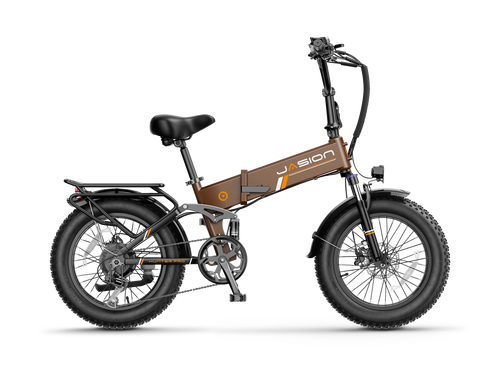
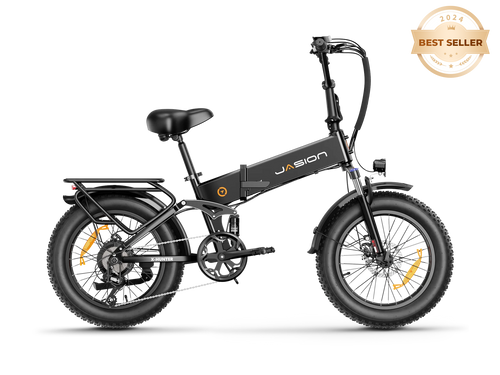
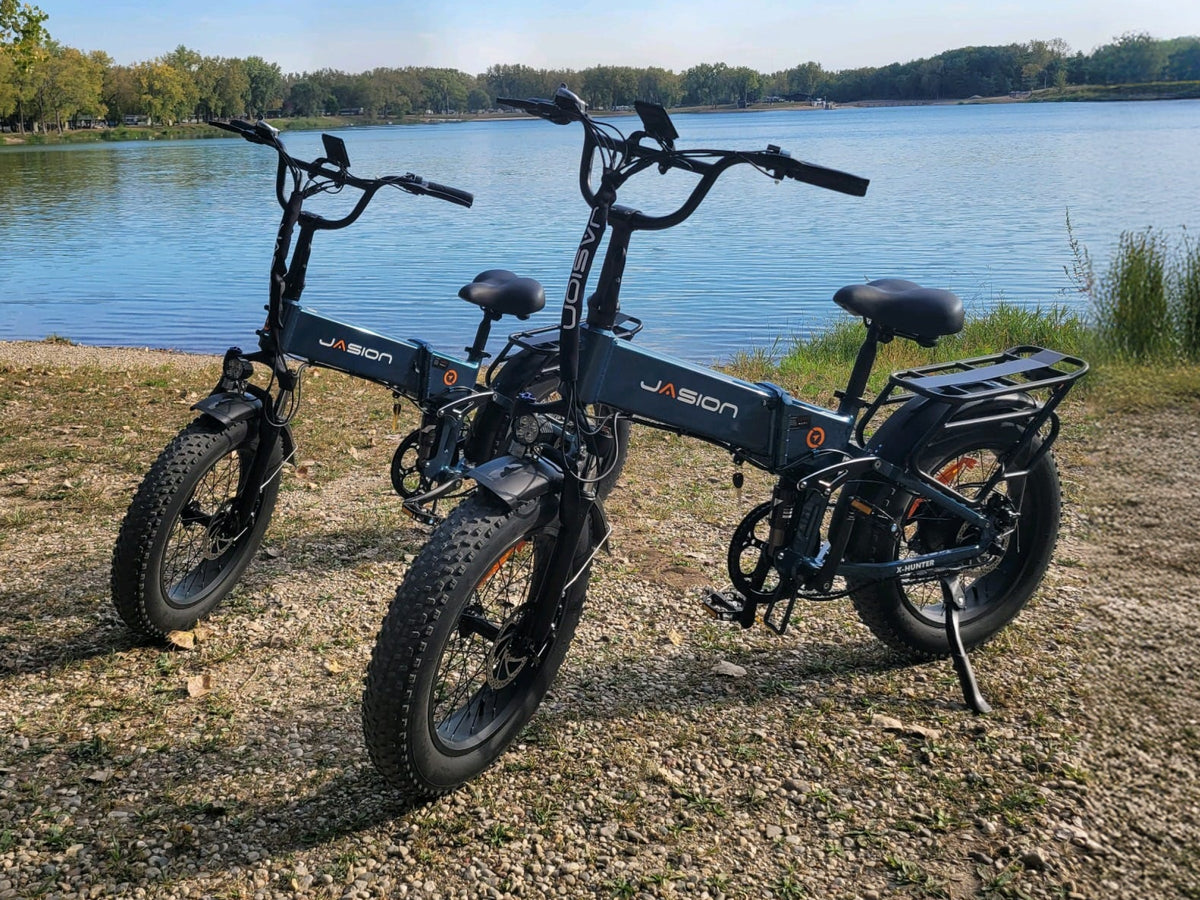
- Folding convenience for travel: If you’re combining trains, cars, or compact storage, a folding design can make cultural trips simpler. Check out the EB7 2.0.
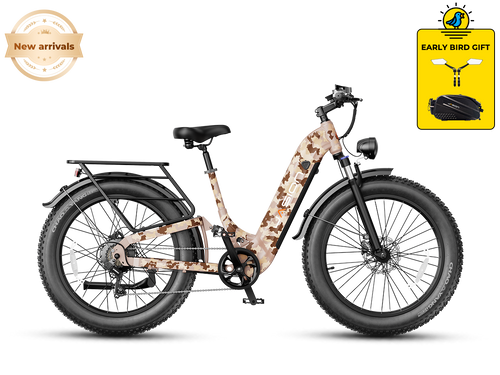
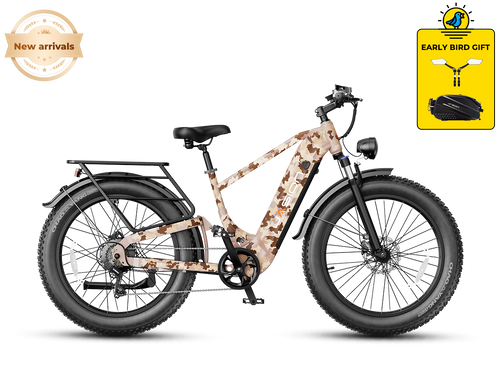
- Step-through comfort for all-day exploring: For riders who prioritize easy mounting and a relaxed ride—especially family trips—the EB7 ST is a great match.
Uncover Hidden Gems (Go Beyond the Famous Landmarks)
Some of the most memorable cultural moments aren’t at the most crowded sites. With the flexibility of an e-bike, you can explore:
- Quiet heritage neighborhoods with preserved architecture
- Lesser-known monuments, memorials, and local museums
- Archaeological areas outside the city center
- Traditional villages and scenic routes between sites
When in doubt, ask locals or museum staff for a “one place you’d take a friend” recommendation—those suggestions often lead to the best discoveries.
Preserving Cultural Heritage (Travel Responsibly)
Heritage sites are irreplaceable. Choosing an e-bike is already a lower-impact way to explore, but responsible behavior matters just as much. Stay on designated routes, follow posted guidance, respect wildlife and protected landscapes, and pack out any trash. Small choices help keep these places accessible and beautiful for future travelers.
FAQ: Electric Biking to Historical Sites
Is it safe to ride an e-bike in historic city centers?
Yes, as long as you ride slowly, yield to pedestrians, and follow local rules—many historic areas require dismounting in crowded zones or pedestrian streets.
How far should I plan to ride when visiting landmarks?
A comfortable culture-focused day is usually 12–30 miles (20–50 km) with multiple stops. If you’re adding long climbs to castles or forts, plan shorter.
Where do I park or lock my e-bike at landmarks?
Use official bike racks or designated parking areas when available. Avoid blocking sidewalks and ramps, and never lean bikes against historic walls or fragile structures.
What should I bring for a historical sites e-bike day trip?
Water, sunscreen, a lock, navigation (offline maps help), a small power bank, and a basic repair kit are the essentials. Comfortable walking shoes are a big win for museum and ruins visits.
Conclusion: Ride Into History
Unleash your curiosity and turn your next sightseeing day into a cultural adventure. With an e-bike, you can link landmarks smoothly, handle hills with confidence, and still take your time where it matters most—inside the stories themselves.
Ready to explore historical sites and landmarks with ease? Choose the travel-friendly EB7 2.0 or the comfort-first EB7 ST, and start planning your next cultural ride.


Share: