
 EU
EU
 UK
UK
 US
US
 CA
CA



How much torque do you need on an ebike? For most riders, 50 to 80 Nm is enough. If you ride hills, fat tires, or carry extra weight, 80 to 100 Nm is a better range. For off-road riding or electric dirt bike style use, 115 Nm or more may be useful.
Torque mainly affects starting, climbing, and pulling weight. It does not automatically mean a higher top speed. Motor output, battery size, tire width, rider weight, and terrain all matter too.
Below, we’ll break down what torque means and how to choose the right range for your ride.
What Is Torque on an Ebike?
Torque is rotational force. On an electric bike, it helps the motor turn the wheel and push the bike forward.
Put simply, torque is what helps your ebike get moving.
Torque is measured in Newton meters, usually written as Nm or N·m. A lower-torque e-bike can still work well on flat city roads. A higher-torque ebike usually feels stronger when starting, climbing, or riding with extra weight.
How Does Torque Affect Your Ride?
Torque affects the parts of the ride where the motor has to work hardest.
- Starting from a stop: More torque helps the bike move with less delay.
- Climbing hills: Higher torque helps the motor keep pulling when the road gets steep.
- Carrying weight: Extra torque helps when you ride with cargo, gear, or a heavier rider load.
- Fat tire riding: Wider tires add grip and comfort, but they also create more rolling resistance.
- Rough terrain: Dirt, gravel, sand, grass, snow, and broken pavement usually need stronger low-speed pull.
If your route is flat and paved, you may not need a high-torque e bike. If your ride includes hills, stop-and-go traffic, cargo, or rough ground, torque becomes much more important.
How Much Torque Do You Need on an E Bike?
That depends on how and where you ride.
Here is a simple reference table to help match torque range with real riding needs.
| Torque Range | Best For | What It Feels Like | Jasion Example | What Else to Check |
|---|---|---|---|---|
| 40–50 Nm | Flat city roads, short rides, light commuting | Smooth and easy, but not ideal for steep hills | Light commuter ebikes | Bike weight, range, brakes, tire size |
| 60 Nm | City commuting, errands, mild hills, step-through cruisers | Useful support without feeling too aggressive | EB5 Roamer ST | Rider weight, road surface, battery size, assist levels |
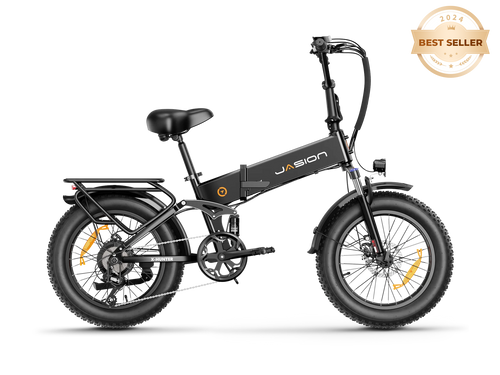
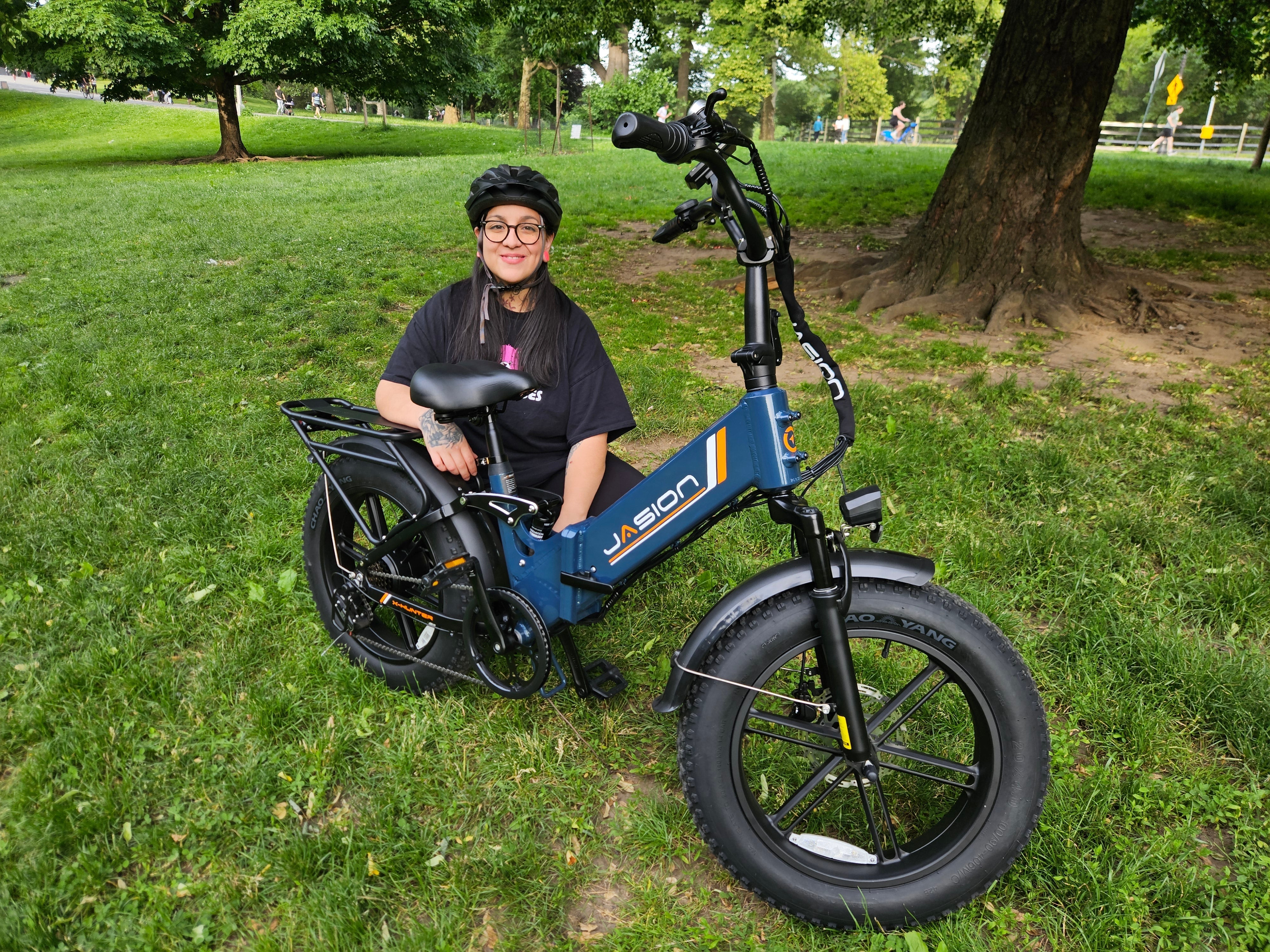
| 80–85 Nm | Fat tire riding, moderate hills, rough pavement, mixed terrain | Stronger starts and better hill support | X-Hunter, X-Hunter ST, Thunder | Payload, tire pressure, suspension, motor peak output |
| 95–100 Nm | Steeper hills, heavier riders, cargo, rough roads | More pull when the bike is loaded or the road turns steep | Hunter Pro, RetroVolt Pro | Brake type, frame strength, suspension, local speed rules |
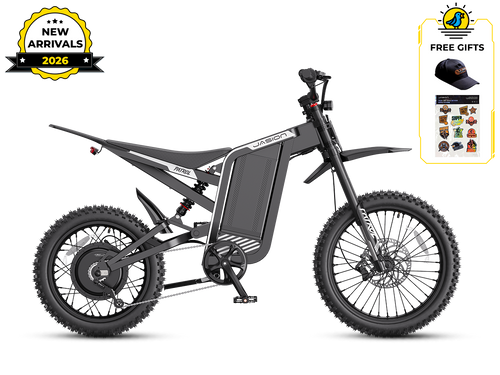
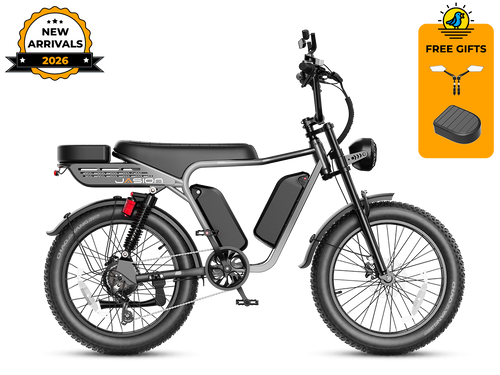
| 115 Nm+ | Hunting trails, off-road use, steep dirt climbs, electric dirt bike style riding | Very strong low-speed pull | Thunder Pro, Patrol 52 | Brakes, suspension, safety gear, trail access, local laws |
Is 60 Nm Torque Enough for an E Bike?
Yes, 60 Nm can be enough if you mostly ride city streets, bike lanes, campus routes, errands, and moderate hills.
This range makes sense for riders who want useful pedal support without choosing a heavier off-road bike. It helps with starts, small climbs, and daily riding, but it may feel limited if you ride steep hills often or carry a lot of weight.
The Jasion EB5 Roamer ST is a good example of this type of setup. It is closer to a city cruiser than a trail-focused fat tire ebike.
Is 85 Nm Torque Good for an Electric Bike?
Yes. For many riders, 85 Nm is a strong and useful torque rating.
It is enough for moderate hills, rough pavement, gravel, fat tire riding, and heavier rider loads. It also gives the bike better pull from a stop without moving into electric dirt bike territory.
This is the range many riders should look at when they want one bike for weekday riding and rougher weekend routes. It gives you more low-speed support than a basic commuter setup, but it still keeps the bike practical for storage, errands, and regular use.
Not if your ride needs it. Around 95 to 100 Nm is useful for heavier riders, steeper hills, fat tires, cargo, and rough roads. The bike usually feels stronger when starting from a stop and more stable when climbing under load. But if you only ride flat pavement, this much torque may be more than you need. Higher-torque bikes are often heavier and built for rougher use. This is the point where you should look beyond the motor number. Check the brakes, frame, suspension, tire size, and battery setup. A strong motor is only helpful if the rest of the bike can keep the ride controlled. Yes, 120 Nm is good if you ride steep hills, loose ground, hunting trails, or rough off-road routes. It can also help if you are carrying more weight. For normal flat commuting, 120 Nm is usually more than most riders need. At this level, you should not only look at torque. You should also check the brakes, suspension, tires, frame, and where the bike can legally be ridden. A high-torque fat tire ebike makes the most sense when your route is not always smooth. Think dirt roads, forest paths, hunting access routes, rough pavement, and longer climbs. Patrol 52 is not the same type of bike as a normal commuter ebike. It belongs closer to the electric dirt bike style category. Its 145 Nm torque rating makes more sense for dirt trails, steep climbs, loose ground, and off-road riding. It is not the first choice if your main use is riding to work on flat city streets. If you are looking at Patrol 52, think beyond the torque number. Check where you can ride it, what safety gear you need, and whether the bike fits your local rules and terrain. Torque and wattage are related, but they are not the same thing. Torque is turning force. It helps the bike start, climb, and pull weight. Wattage describes motor power output. It can affect acceleration, speed, and how well the motor holds power under load. Here is the simple way to think about it: watts tell you about the motor system, while torque tells you how strongly the bike can pull when the ride gets harder. No, not always. Higher torque can help an ebike accelerate faster and climb better. But it does not automatically mean the bike has a higher top speed. Top speed also depends on motor output, controller settings, battery voltage, wheel size, gearing, assist mode, rider weight, terrain, and local ebike class rules. A high-torque bike may feel strong from 0 to 20 mph, but its top speed may still be limited by design or regulation. This is one area where shoppers often mix up two different things. Motor torque is the force the motor produces. It is measured in Nm. A torque sensor is different. It measures how hard you press on the pedals and adjusts pedal assist based on your effort. A bike can have high motor torque and still use a cadence sensor. A bike can also have a torque sensor but a moderate motor torque rating. Both affect ride feel, but they are not the same spec. If you want to understand pedal assist feel, read our guide to torque sensor vs cadence sensor. More torque can help, but it is not always better. A high-torque fat tire bike may be great for hills and rough roads, but it can be heavier than you need for flat city riding. An 85 Nm ebike may feel strong for a lighter rider on flat roads. The same bike may feel more moderate for a heavier rider carrying cargo up a hill. Fat tires add comfort and grip, but they also add rolling resistance. If you ride 20" x 4" or 26" x 4" fat tires, higher torque can help the bike feel more responsive. Torque helps with pull. It is most useful at low speeds, during starts, and on hills. If you only care about top speed, you need to look at more than torque. More torque should come with better control. If you choose a high-torque ebike for rough terrain, check the brakes, suspension, tires, and frame before you buy. Start with your route. Then think about your weight, cargo, tire size, and storage needs. If most of your rides are on flat streets or bike lanes, you probably do not need the highest-torque model. A moderate torque cruiser or commuter bike is usually easier to live with. If your route has hills, rough pavement, gravel, or light trails, the 80 to 100 Nm range is where many riders will notice a real difference. This is also the range to consider if you want fat tires or folding storage without moving into a full off-road setup. If your riding is mostly dirt roads, hunting trails, loose ground, or steep climbs, higher torque starts to matter more. At that point, also pay close attention to brakes, suspension, tires, and where the bike is allowed to ride. If you are still comparing categories, start with the full Jasion electric bike collection. If storage is important, compare models in the folding electric bike collection. For most riders, 50 to 80 Nm is enough for commuting, mild hills, and casual rides. If you ride fat tires, carry cargo, or climb steeper hills, 85 to 100 Nm is a better range. Yes, 60 Nm is enough for many city riders. It works well for commuting, errands, bike lanes, and moderate hills. It may feel weak if you are a heavier rider, carry cargo, or ride steep hills often. Yes, 85 Nm is a strong torque rating for a fat tire e-bike. It helps with wider tire resistance and gives better support for hills, gravel, rough pavement, and heavier rider loads. Not necessarily. Around 100 Nm is useful for steep hills, heavier riders, cargo, and rough terrain. For flat city streets, a lower-torque commuter e-bike may be easier and more practical. Yes, 120 Nm is good for steep hills, hunting trails, heavy loads, and rough off-road riding. It is usually more than most riders need for a normal flat commute. No. Higher torque helps with acceleration, climbing, and pulling power, but it does not automatically mean a higher top speed. Speed also depends on motor output, controller settings, battery voltage, wheel size, and local rules. Torque and watts both matter. Torque is more important for starting, climbing, and carrying weight. Watts describe motor power output and can affect acceleration and speed. Motor torque is the force the motor produces, measured in Nm. A torque sensor measures how hard you pedal and adjusts pedal assist based on your effort. Not always. If your commute is mostly flat and paved, moderate torque may be enough. If your route includes hills, cargo, bad pavement, or a heavier rider load, more torque can help. Patrol 52 has the highest torque among the models discussed here, with electric dirt bike-style torque for off-road riding. Thunder Pro is a high-torque fat tire e-bike option for trails and hunting routes.Is 95 Nm or 100 Nm Torque Too Much?
Is 120 Nm Torque Good for an Ebike?
Where Does Patrol 52 Fit?
Torque vs Wattage: What Is the Difference?
Spec
What It Means
You Feel It Most When
Common Mistake
Torque
Rotational force, measured in Nm
Starting, climbing, hauling, riding fat tires
Thinking more torque always means more speed
Wattage
Motor power output
Acceleration, speed, holding power under load
Choosing only by watts and ignoring torque
Battery
Stored energy and voltage support
Range, long rides, power consistency
Assuming a bigger motor always means longer range
Controller
How power is delivered to the motor
Smoothness, response, power behavior
Ignoring ride feel and only reading headline specs
Does Higher Torque Mean Faster Speed?
Torque Sensor vs Motor Torque

Common Mistakes When Comparing EBike Torque
Only looking for the highest number
Forgetting rider weight
Ignoring tire size
Confusing torque with top speed
Not checking brakes and suspension
How to Narrow Your Choice
FAQ
What is a good torque for an e-bike?
Is 60 Nm torque enough for an e-bike?
Is 85 Nm torque good for a fat tire e-bike?
Is 100 Nm torque too much for an e-bike?
Is 120 Nm torque good for an e-bike?
Does higher torque mean faster speed?
Is torque more important than watts?
What is the difference between motor torque and a torque sensor?
Do I need a high-torque e-bike for commuting?
What Jasion model has the highest torque?
The Right Torque for the Right Ride




Share: