
 EU
EU
 UK
UK
 US
US
 CA
CA



A cargo ebike can save a car trip, but only if it fits the way you actually live. A long bike with a large loading platform may carry more, yet it can be awkward in a narrow garage or crowded bike rack. A shorter cargo bike is easier to place and steer, but the rack still has to handle your weekly load.
That is the real choice between a compact and a full size cargo ebike. Start with what you carry, then check the space available at home and along the route. The right bike is not necessarily the largest one. It is the one you can load, park and ride without turning every errand into a storage problem.
Compact and Full Size Cargo Ebikes at a Glance
There is no single industry measurement that separates every compact cargo ebike from every full size model. Brands also use terms such as short tail, mid tail, longtail and front loader. Instead of relying on the label alone, compare the bike's total length, wheelbase, cargo platform and intended load.
| What to compare | Compact cargo ebike | Full size cargo ebike |
|---|---|---|
| Overall shape | Closer to the footprint of a conventional bike | Longer rear platform or a large front cargo area |
| Handling | Easier to turn, park and move through tighter spaces | Needs more room for turns and low speed maneuvering |
| Cargo space | Best for regular errands and moderate loads | Better suited to bulky items or a larger dedicated cargo setup |
| Storage | More practical when floor space is limited | Usually works best with a garage, shed or other dedicated space |
| Best match | Shopping, commuting, packages and multi stop days | High volume hauling, long platforms and specialized cargo needs |
These are broad design tendencies, not promises about a particular bike. A compact model with a strong frame may have a higher total load rating than a longer model. A full size bike may provide more deck or box space without allowing every pound of that space to be filled. Always check the specifications for the exact model.
The Main Cargo Bike Shapes You Will See
Compact and full size are useful shopping terms, but they do not describe every frame in the same way. Knowing the basic layouts makes product pages easier to compare.
Compact or short tail
This design keeps the wheelbase and overall length relatively close to a regular bike. Cargo normally sits on a sturdy rear rack, in a front basket or across both. It is a strong match for daily errands when easy parking matters.
Mid tail
A mid tail adds more room behind the rider without becoming as long as a traditional longtail. The extra platform can accept larger bags or a broader accessory setup, but it also needs more turning and storage space than a short tail.
Longtail
A longtail stretches the rear of the bike to create a longer cargo deck. The rider still looks forward over a conventional front wheel, so the layout feels familiar, but the extended rear changes weight distribution and low speed handling.
Front loader
Often called a long john or box bike, a front loader places cargo low between the handlebar area and the front wheel. The rider can see the load, and the box can hold bulky items, but the long frame requires noticeably more room to turn and park.
There are also three and four wheel cargo cycles built around stability and specialized loads. They solve a different problem from the two wheel compact versus full size choice, so they should be compared separately.
Begin With the Cargo, Not the Bike
Think about the trips you make in an ordinary week. Groceries, a work bag, packages and sports gear place different demands on a bike. Write down the largest load you expect to carry regularly, not the unusual item you might move once a year.
Weight is only half of the question. A bag of pet food can be heavy but compact. A large package may weigh very little and still need a wide basket or a longer platform. When comparing bikes, look at both the maximum load and the usable cargo area.
The maximum load normally applies to everything supported by the bike: rider, cargo and installed accessories. If a bike is rated for 350 lb and the rider weighs 190 lb, that does not leave 350 lb for the rack. The product manual and any separate rack or basket limits should also be followed.
Where the weight sits matters
Two loads of the same weight can feel very different. A dense item placed low and close to the center of the bike is generally easier to manage than the same weight stacked high or hanging far behind the rear axle. Tall loads can move in a turn, while an uneven pair of bags can pull the bike toward one side.
Use baskets, bags and tie downs made for the bike, then keep loose straps away from the wheels and drivetrain. Pack heavier items first, place them as low as the setup allows and divide weight from side to side. Before entering traffic, make a short test ride in a quiet area and check the load again.
Measure the Route From Storage to Street
A bike can fit inside a garage and still be difficult to use. Before buying, trace the path it must travel from its parking spot to the road.
- Storage footprint: Measure the available length and width after baskets or bags are installed.
- Doors and gates: Check the narrowest opening, including handles and door frames.
- Turns: Look for tight corners in hallways, side yards, ramps and shared bike rooms.
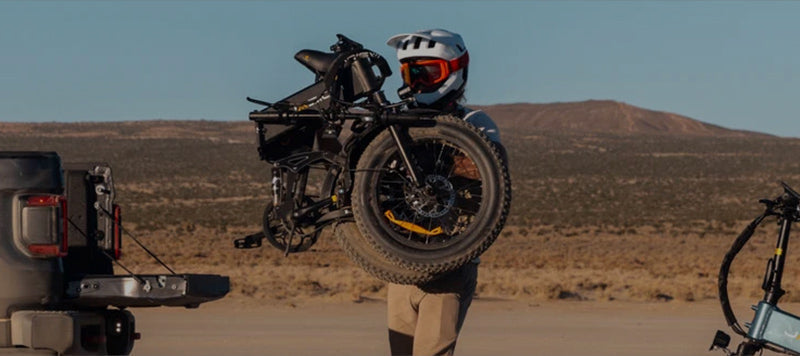
- Steps: Cargo ebikes are substantial machines. Do not assume a compact frame will be easy to carry upstairs.
- Parking: Consider whether the wheelbase and rack will fit the bike stands you use most often.
This simple check often settles the compact versus full size decision faster than a specification sheet. A larger bike offers little benefit if it is too inconvenient to bring out for an ordinary grocery run.
When a Compact Cargo Ebike Makes More Sense
A compact cargo ebike suits riders who want useful carrying space without moving to the footprint of a longtail or box bike. It is particularly practical for errands with several stops, where frequent turns, parking and starts matter as much as capacity.
Smaller wheels are common in this category. They allow designers to keep the frame and cargo platform lower while limiting overall length. Wheel size alone does not determine stability or comfort, so tire width, frame geometry, load placement and rider fit still need to be considered together.
Compact is likely the better direction when:
- Your regular load fits in front and rear baskets or on a moderate rear rack
- The bike must pass through a gate, hallway or crowded storage area
- You want handling that remains close to a familiar everyday ebike
- Shopping, commuting and local pickups are the main jobs
- You value a smaller footprint more than the longest possible cargo deck
When a Full Size Cargo Ebike Earns the Extra Space
A full size cargo ebike becomes worthwhile when cargo volume is the deciding factor. Longtail designs extend the rear platform, while front loaders place a box or loading area between the rider and the front wheel. Both create room that a conventional frame cannot provide.
The tradeoff is physical size. A longer wheelbase changes how the bike turns and how much room it needs at home. A wide front box may also rule out narrow gates or standard bike racks. Riders who choose this category should have a clear use for the additional platform and a reliable place to keep it.
Consider a full size model when:
- You routinely carry large boxes, tools or high volume supplies
- Your planned cargo setup requires an extended deck or front box
- You have suitable ground floor storage
- The same demanding cargo trip appears several times each week
- You are comfortable allowing more space for turning and parking
If passengers are part of the plan, use only a model and accessory combination that the manufacturer explicitly approves for that purpose. A long rack or high total load rating is not, by itself, passenger approval.
How Size Changes the Ride
An unloaded cargo bike may feel straightforward during a short showroom ride. The important test is how it behaves with the kind of load you plan to carry.
Starting and stopping
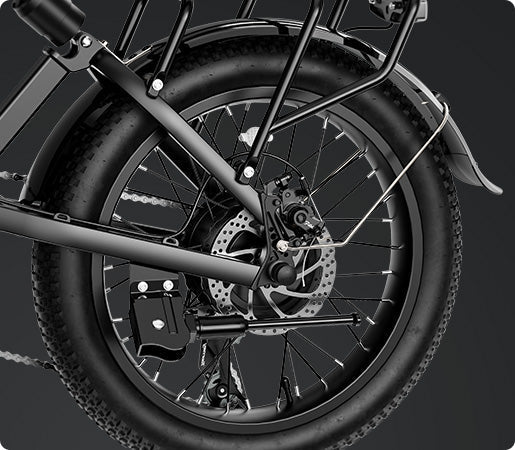
Additional weight takes more effort to bring up to speed and more distance to stop. An electric motor helps with the first part, but it does not remove the need to brake earlier. Hydraulic disc brakes can provide consistent lever control, while a motor cutoff stops drive assistance when the brake is applied. Brake type still does not replace correct adjustment, suitable speed and regular pad inspection.
Turning at low speed
A shorter wheelbase usually follows a tighter line. A longtail or front loader needs a wider arc and more planning around posts, curbs and narrow entrances. Whichever size you choose, look through the turn, keep sudden steering inputs to a minimum and practice away from traffic before carrying a full load.
Parking and loading
Loading a bike changes its balance before the rider even gets on. Use the kickstand on firm, level ground, hold the bike while adding cargo and avoid leaving it unattended when loaded. A full size platform may be easier to organize, but it can also extend beyond a standard rack or parking space.
Motor, Battery and Gearing Still Matter
Frame size answers whether the bike fits the job. The electrical and mechanical systems determine how manageable that job feels on the road.
- Motor support: Starting on an incline with cargo demands more from the motor than cruising on flat pavement. Compare the complete system and intended use rather than shopping by wattage alone.
- Battery capacity: Heavier loads, frequent stops, hills, cold weather and higher assist can all reduce range. A generous estimate on an unloaded test route should not be treated as a guaranteed loaded distance.
- Gearing: Mechanical gears let the rider select an easier pedaling ratio before a hill or stop. This is useful even when the bike has a throttle.
- Brakes: Check the brake type, rotor size, motor cutoff and maintenance needs, then allow more stopping room when the bike is carrying weight.
- Tires: Width, pressure and construction affect comfort and handling. Use the range printed on the tire or specified for the model rather than copying pressure from another cargo bike.
Range deserves particular attention if a cargo bike will cover several errands in one outing. A removable battery can simplify charging away from the bike, while a dual battery system provides more available energy without changing the need to plan for the actual load and route.
Where the Jasion Kago Fits
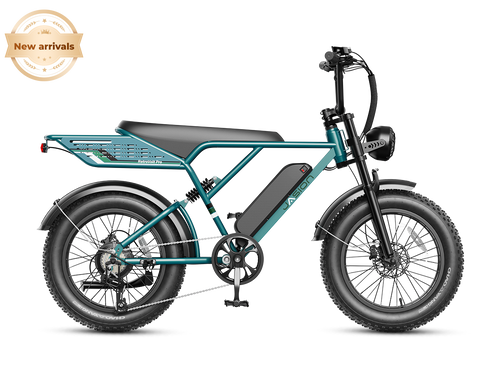
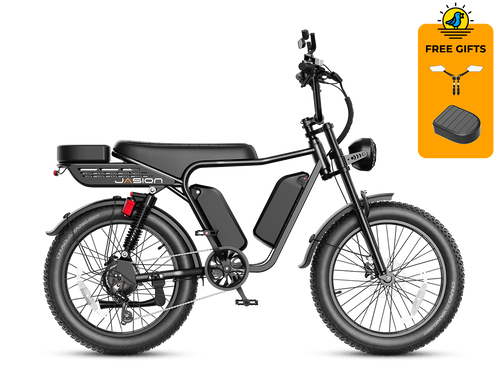
The Jasion Kago takes the compact utility route. Its published dimensions are 64.6 inches long and 28.0 inches wide, with a 44.9 inch wheelbase. That keeps its footprint closer to a conventional ebike than a stretched longtail or front loading cargo bike.
Kago still provides an extended rear rack and a 350 lb maximum load rating, including the rider and cargo. Its 20 x 3 inch tires, step through frame and front suspension are intended for everyday starts, stops and changing pavement. Two removable 52V 20Ah batteries support a listed range of up to 120 miles, although real distance varies with load, terrain, temperature, tire pressure, speed and the amount of motor assistance used.
In practice, Kago is for someone who wants more utility than a standard rear rack but does not need the length or cargo box of a full size carrier. It works best when the usual load is groceries, packages, work supplies or outdoor gear that can be secured to suitable racks, baskets or bags.
| Kago measurement | Published specification | What to check at home |
|---|---|---|
| Overall length | 64.6 in | Available floor space and room to turn |
| Overall width | 28.0 in | Doors, gates and basket clearance |
| Wheelbase | 44.9 in | Bike rack fit and turning area |
| Maximum load | 350 lb combined | Rider plus cargo and accessories |
Five Checks Before You Choose
- List your usual load. Separate what you carry every week from rare oversized jobs.
- Add the total weight. Include the rider, cargo and accessories rather than looking only at the rack.
- Measure the complete storage path. The narrowest gate or turn matters more than an open section of the garage.
- Check the route. Hills, frequent stops and heavier loads affect battery use and the way the bike handles.
- Confirm the accessory setup. Make sure baskets and bags fit the model and do not interfere with the wheels, brakes or lights.
Once those answers are clear, compare the available configurations in the Jasion cargo ebike collection. If range is an important part of the decision, our dual battery electric bike guide explains what a second battery changes and which riding conditions still reduce range.
Three Common Buying Scenarios
The weekly grocery rider
You carry several bags, make two or three stops and park outside different stores. A compact cargo ebike with a well planned basket setup is often easier to live with than a longer platform that rarely gets filled.
The home based professional
You carry tools, samples or packages most days. Start by measuring the largest regular item. A compact or mid tail may work when the cargo fits secure bags; bulky cases or large boxes may justify a longer deck or front loading design.
The high volume hauler
Your routine consistently fills a large platform, and you have dedicated storage at both ends of the trip. In that case, a full size cargo ebike can earn its extra length. Choose it for a repeated need, not for capacity that will remain unused.
One Cargo Ebike or Two?
If two people need their own bike, compare the Kago two bike option with buying separate configurations. The product card shows the available color combinations and current bundle details.
Frequently Asked Questions
What is a full size cargo ebike?
A full size cargo ebike generally uses a longer rear platform or a large front cargo area to provide more loading space than a compact model. There is no universal size boundary, so total length, wheelbase and cargo platform are more useful than the label alone.
Is a compact cargo ebike easier to store?
It usually requires less floor space and is easier to move through tight turns. However, cargo ebikes can still be heavy, especially after baskets and batteries are installed. Measure the complete path to the storage area rather than relying on the word compact.
Does a full size cargo ebike always carry more weight?
No. A longer cargo area may hold larger items, but maximum weight depends on the frame, wheels, rack and other components. Compare both usable cargo space and the manufacturer's published load limits.
Is the Jasion Kago compact or full size?
Kago is best described as a compact utility cargo ebike. It is 64.6 inches long and uses a 44.9 inch wheelbase, while providing an extended rear rack and a 350 lb maximum load rating that includes the rider and cargo.
Can a cargo ebike carry a passenger?
Only when the bike manufacturer explicitly permits passenger use and the correct approved equipment is installed. Rack length and total load capacity alone do not confirm that a bike is designed for passengers.


Share: