
 EU
EU
 UK
UK
 US
US
 CA
CA



Electric bikes work by adding motor assistance to a regular bicycle. When you pedal or use the throttle, the battery sends power through the controller to the motor, helping the bike move with less effort. You still steer, brake, and ride like a normal bike, but hills, starts, and longer trips feel much easier.
If you are new to ebikes, the system may sound complicated at first. In reality, most electric bikes rely on a few core parts: a battery, motor, controller, sensor, display, and sometimes a throttle. Once you understand how these parts work together, choosing the right ebike becomes much easier.

What Makes an Electric Bike Different from a Regular Bike?
A regular bicycle moves only when you pedal. An electric bike still works like a bicycle, but it includes an electric drive system that supports your pedaling or gives you a short boost through the throttle.
That is why ebikes are popular for commuting, errands, hills, and longer weekend rides. You can ride farther without feeling like every mile has to be a workout.
If you are still comparing different types of ebikes, you can also browse our electric bikes for adults to see how commuter, folding, cruiser, and fat tire models are built for different riding needs.
The Main Parts of an Electric Bike
| Part | What It Does | Why It Matters |
|---|---|---|
| Battery | Stores the power for the bike | Affects range, charging time, and ride distance |
| Motor | Adds power to help move the bike | Helps with hills, starts, and heavier loads |
| Controller | Manages power from the battery to the motor | Makes acceleration smoother and easier to control |
| Sensor | Detects pedaling or rider input | Tells the motor when to assist |
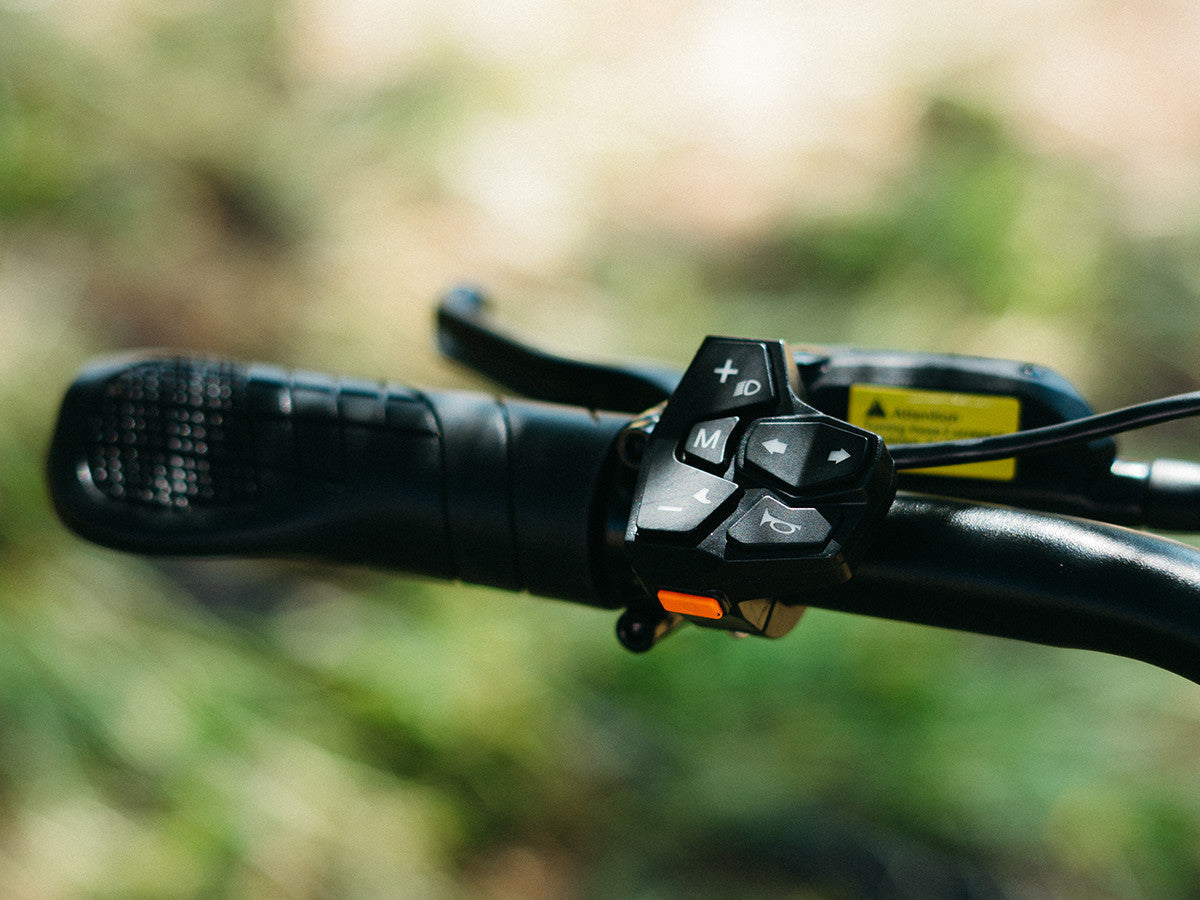
| Display | Shows speed, battery level, and assist mode | Helps you monitor and adjust your ride |
| Throttle | Activates motor power directly | Useful for starts, traffic, and short boosts |
How the System Works
The basic working process is simple:
- You turn on the ebike.
- You choose a pedal assist level from the display.
- When you pedal, the sensor detects your movement or effort.
- The controller sends power from the battery to the motor.
- The motor assists the wheel, making the bike easier to ride.
Think of it this way: battery → controller → sensor or throttle → motor → wheel.

The battery provides energy, the controller manages that energy, and the motor turns it into movement. The rider stays in control the whole time.
How Pedal Assist Works
Pedal assist means the motor helps only when you pedal. Most ebikes let you choose different assist levels. A lower level saves battery and feels closer to a regular bike. A higher level gives stronger support for hills, headwinds, or faster starts.
| Assist Level | Best For |
|---|---|
| Low assist | Flat roads, longer range, light exercise |
| Medium assist | Daily commuting and mixed city riding |
| High assist | Hills, heavy loads, faster starts, and longer rides |
Pedal assist is one of the main reasons riders choose ebikes. It keeps the ride active, but removes the hardest parts of cycling.
How an Ebike Throttle Works
Some electric bikes include a throttle, usually controlled by the thumb or twist grip. Instead of waiting for pedal input, the throttle tells the controller to send power to the motor directly.
A throttle can be useful when starting from a stop, crossing an intersection, climbing a short hill, or riding through stop-and-go traffic. It is convenient, but it usually uses more battery than pedal assist.
Local throttle rules can vary, especially on bike paths and trails. Before riding in a new area, check your local regulations or read our Class 1 vs Class 2 vs Class 3 ebike guide.

Cadence Sensor vs Torque Sensor
The sensor is what tells the ebike that you are pedaling. Most ebikes use either a cadence sensor or a torque sensor.
| Sensor Type | How It Works | Ride Feel |
|---|---|---|
| Cadence sensor | Detects pedal movement | Simple, relaxed, and beginner-friendly |
| Torque sensor | Detects how hard you press the pedals | More natural and responsive |
A cadence sensor is easy to use and works well for casual rides and commuting. A torque sensor feels closer to a traditional bike because the motor responds to your effort more directly.
Hub Motor vs Mid-Drive Motor
Most electric bikes use either a hub motor or a mid-drive motor.
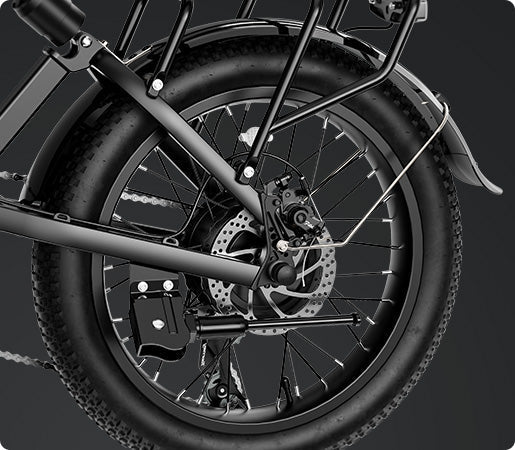
A hub motor is built into the wheel, often the rear wheel. It is common on commuter, folding, and fat tire ebikes because it is simple, practical, and reliable for everyday riding.
A mid-drive motor sits near the pedals and works through the bike’s drivetrain. It can feel more natural on climbs, but it is usually more expensive and may require more drivetrain maintenance.
| Motor Type | Best For |
|---|---|
| Rear hub motor | Commuting, casual rides, folding ebikes, city streets, light off-road use |
| Mid-drive motor | Steeper climbs, performance riding, riders who want a more bicycle-like feel |
For most new riders, a well-tuned hub motor is more than enough for daily use.
How the Battery Affects Range
The battery decides how much stored energy your ebike has, but real-world range depends on more than battery size. Rider weight, terrain, wind, tire pressure, speed, assist level, and throttle use all affect how far you can go.
To get more range from an ebike:
- Use lower assist levels when possible.
- Keep tires properly inflated.
- Pedal smoothly instead of relying only on the throttle.
- Avoid frequent hard acceleration.
- Store and charge the battery according to the user manual.
If you plan to commute, choose an ebike with more range than your exact daily distance. A little extra range gives you room for hills, cold weather, detours, and battery aging.
Do You Still Need to Pedal an Electric Bike?
Pedal assist works while you pedal. A model with an enabled throttle may also provide motor power without continuous pedaling. For a closer comparison of PAS, throttle, and riding with the assistance off, read our guide to when an electric bike needs pedaling.
How Fast Can an Electric Bike Go?
In the U.S., many ebikes are discussed through the three-class system:
| Class | Motor Support | Common Assisted Speed Limit |
|---|---|---|
| Class 1 | Pedal assist only | Up to 20 mph |
| Class 2 | Pedal assist plus throttle | Up to 20 mph |
| Class 3 | Pedal assist | Up to 28 mph |
Rules can vary by state, city, trail, and park. If you want a broader overview, visit our e-bike regulation updates.
Which Type of Ebike Fits Your Ride?
Once you understand how electric bikes work, the next step is matching the bike to your riding style.
| Riding Need | What to Look For | Jasion Option |
|---|---|---|
| Daily commuting | Comfortable frame, easy handling, practical range | Commuter-friendly ebikes |
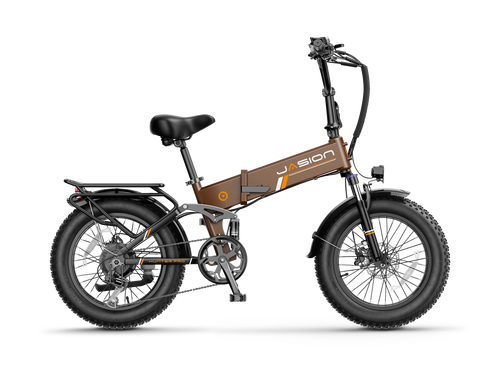
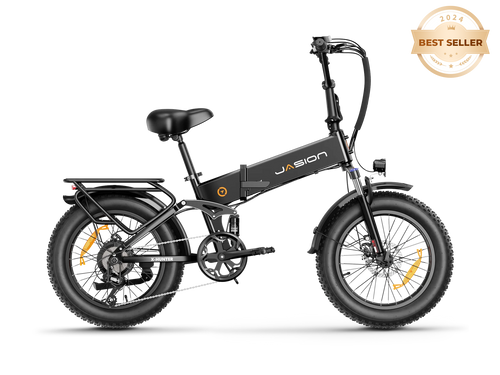
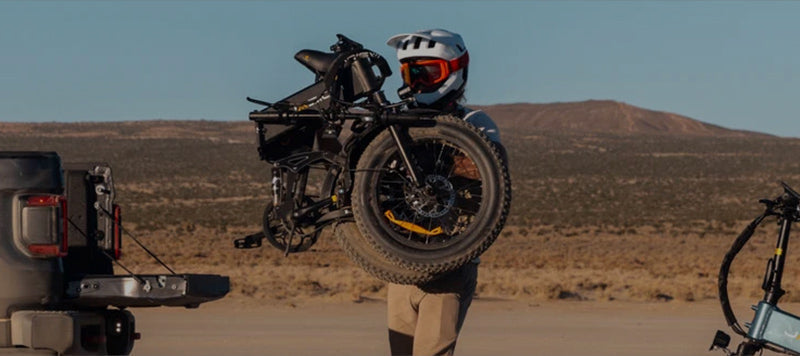
| Easy storage or travel | Folding frame, compact size, fat tires for stability | Jasion X-Hunter |
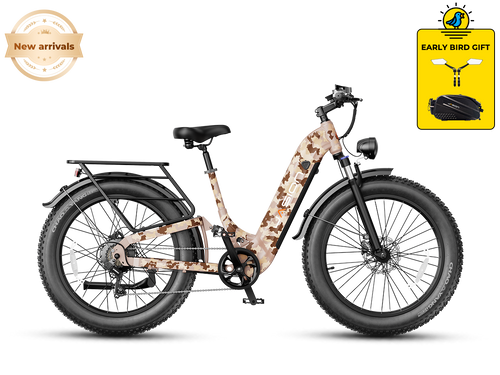
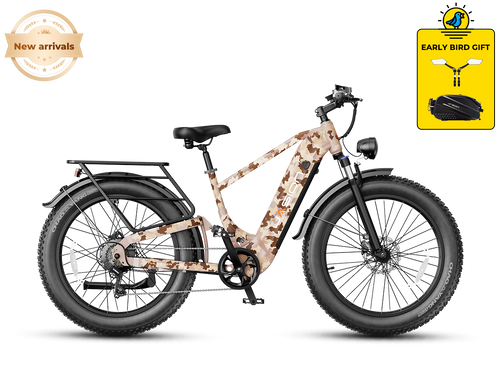
| All-terrain riding | Fat tires, suspension, stronger braking | Jasion Hunter Pro |
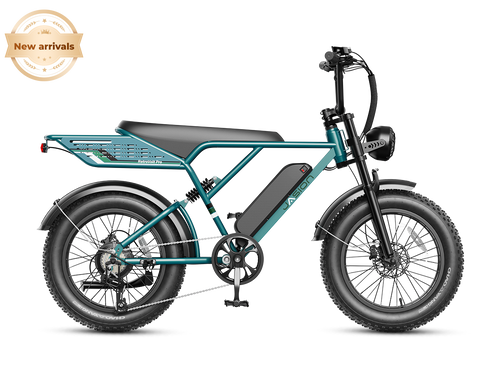
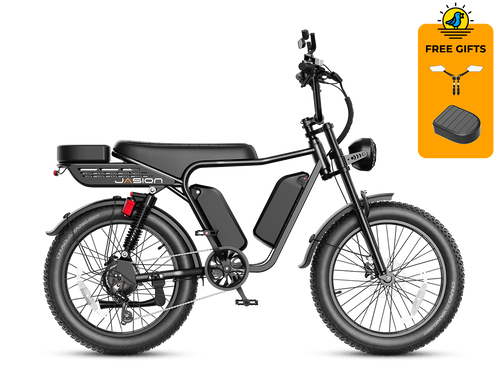
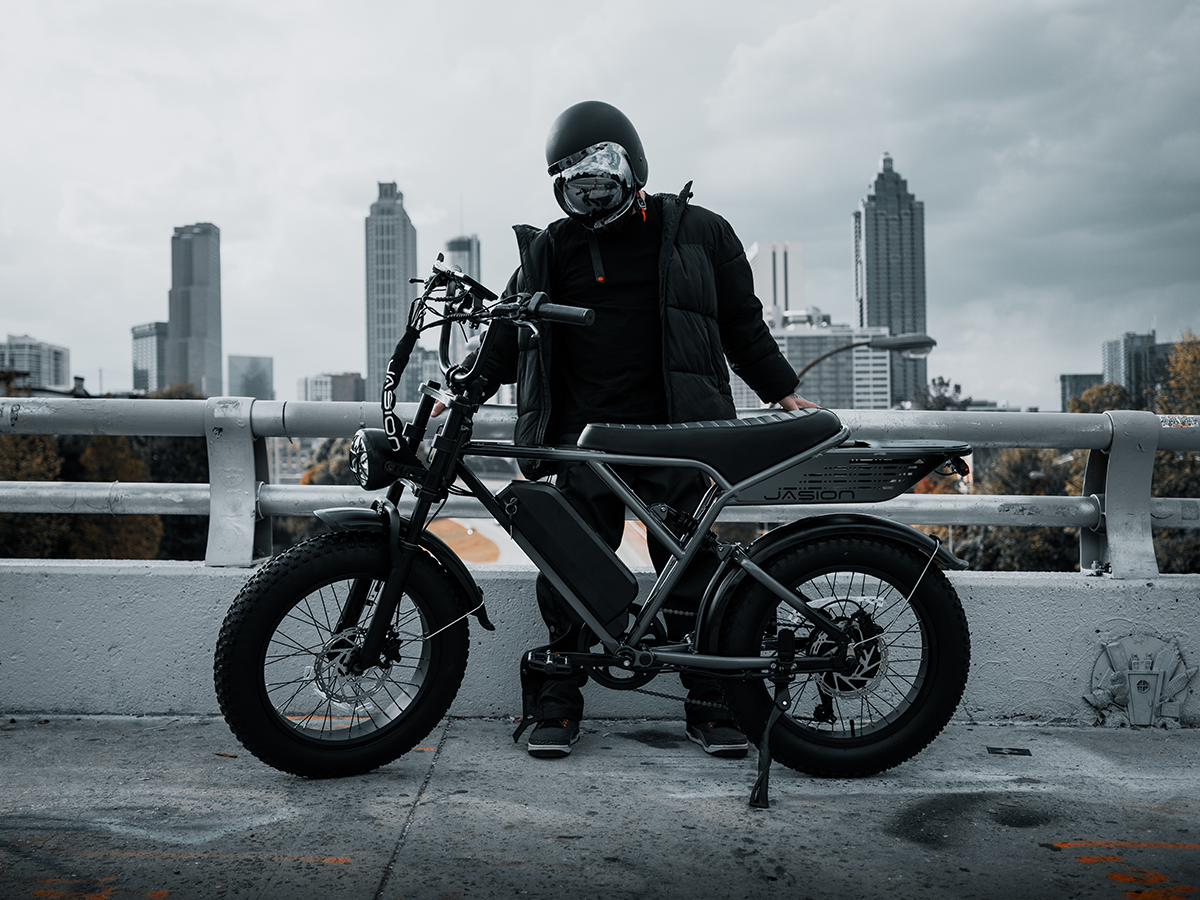
| Retro-style cruising | Comfortable seat, upright feel, powerful support | Jasion RetroVolt Pro |
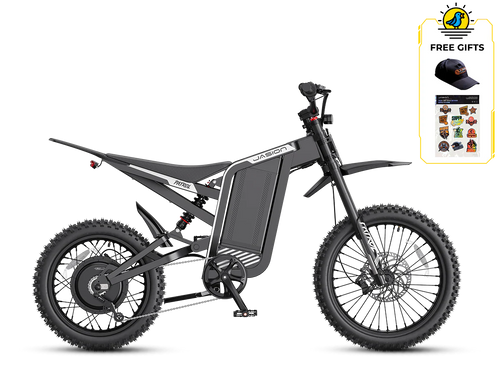
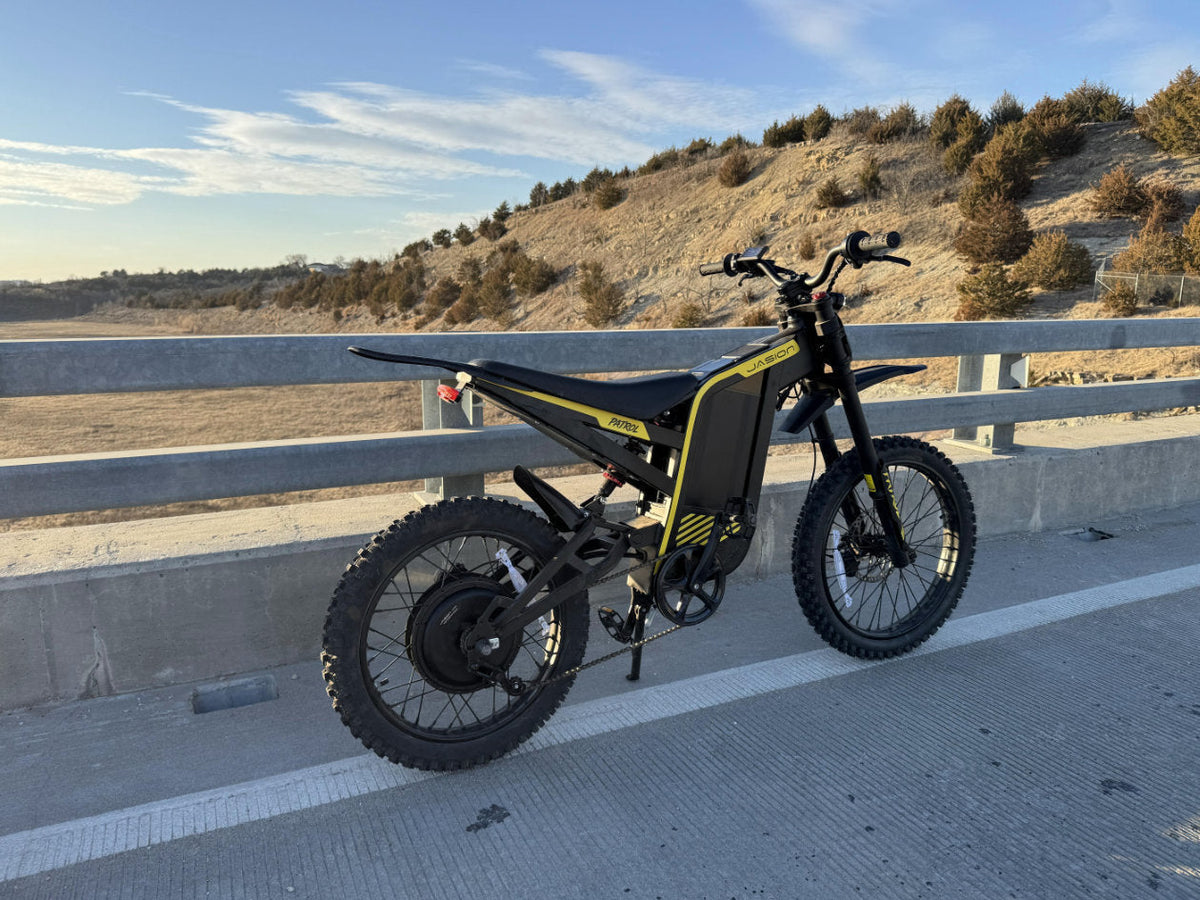
| Rugged outdoor routes | Strong frame, high stability, off-road-focused setup | Jasion Patrol 52 |
The best ebike is not always the one with the biggest number on the spec sheet. It is the one that fits your roads, your comfort level, your storage space, and your daily riding habits.
Final Thoughts
An electric bike is still a bicycle, but with a smart support system built in. The battery stores power, the controller manages it, the sensor or throttle tells the system when to assist, and the motor helps turn that energy into motion.
For new riders, that means easier starts, smoother hills, longer rides, and a more practical way to move through the day. If you are ready to compare models, start with Jasion’s electric bike collection and choose the style that fits how you actually ride.
FAQ
How does an electric bike work?
An electric bike works by using a battery, controller, sensor, and motor to assist the rider. When you pedal or use the throttle, the system sends power to the motor and helps the bike move with less effort.
Do you have to pedal an electric bike?
Pedal assist requires pedaling. A throttle equipped model may move without continuous pedal input. See our pedaling and throttle guide for the full explanation.
What is pedal assist on an ebike?
Pedal assist is a riding mode where the motor helps when you pedal. Most ebikes let you choose different assist levels depending on how much support you want.
What does the throttle do on an electric bike?
A throttle activates motor power directly, usually through a thumb lever or twist grip. It is useful for starts, short boosts, hills, and stop-and-go riding.
What is the difference between a cadence sensor and a torque sensor?
A cadence sensor detects pedal movement, while a torque sensor detects how hard you press on the pedals. Cadence sensors feel simple and relaxed. Torque sensors feel more natural and responsive.
How far can an electric bike go on one charge?
Range depends on battery capacity, rider weight, terrain, speed, assist level, throttle use, wind, and tire pressure. Lower assist levels and steady pedaling usually help extend range.
Can you ride an ebike like a normal bike?
Yes. You can pedal an ebike like a regular bicycle. If the battery runs out, most ebikes can still be pedaled, although they may feel heavier than a standard bike.
Are electric bikes good for commuting?
Yes. Electric bikes are good for commuting because they make hills, longer distances, and stop-and-go traffic easier. They can also help riders arrive with less effort than on a regular bike.


Share: