
 EU
EU
 UK
UK
 US
US
 CA
CA



From tropical getaways to dramatic coastal cliffs, islands pack big scenery into compact distances—perfect for electric biking. An e-bike helps you cover more ground than walking, tackle rolling hills with less effort, and still stay close to the sights, sounds, and local culture. Whether you’re planning a relaxed coastal cruise or a viewpoint-hunting loop, island hopping on two wheels turns “getting there” into the best part of the trip.

How to Choose the Perfect Island for an E-Bike Adventure
Not every island ride feels the same. Use these quick checks to pick a destination that matches your comfort level, bike setup, and travel style.
1) Terrain + Distance: Match the Ride to Your Day
- Beginner-friendly: mostly flat coastal roads, boardwalks, and town-to-beach routes.
- Intermediate: mixed terrain with steady climbs to viewpoints and lighthouse roads.
- Advanced: long climbs, exposed ridgelines, or gravel sections—bring extra planning and spares.
Practical mileage guidance: For most travelers, planning 15–35 miles (25–55 km) per day with sightseeing stops feels enjoyable rather than exhausting. Add buffer time for photos, beach breaks, and food stops.
2) Access + Bike Rules: Check Before You Go
Island travel often includes ferries, shuttles, or narrow roads. Before you lock in lodging, confirm:
- Ferry policies: whether bikes are allowed, how early to arrive, and if reservations are required.
- Local e-bike regulations: speed limits, where riding is permitted (bike lanes, trails, boardwalks), and any restrictions in parks.
- Road comfort: traffic levels, shoulder width, and whether there are safe alternatives (bike paths, quieter lanes).
3) Points of Interest: Build Routes Around “Stops Worth Parking For”
The best island routes connect a few must-sees rather than chasing the longest distance. Look for a mix of:
- Historic sites and waterfront towns
- Clifftop viewpoints and lighthouses
- Beaches and protected natural areas
- Local markets, cafes, and scenic picnic spots
Island Route Planning: A Simple Template That Works Anywhere
Use this framework to plan a day that feels smooth, flexible, and photo-friendly.
Step A: Pick One “Anchor Ride”
Choose one primary route style:
- Coastal loop: follow the shoreline and return via a quieter inland road.
- Town-to-viewpoint: ride to one big lookout, then coast back with stops.
- Beach-hopping: short hops between beaches, with plenty of time off the bike.
Step B: Add 2–4 Scenic Stops (Not 10)
Too many stops can turn your day into constant parking and unlocking. Aim for a few memorable highlights, then leave room for spontaneous detours.
Step C: Build in Wind + Heat Reality
Island conditions change fast. Strong crosswinds and heat can slow you down and drain battery faster. If the forecast is breezy, plan a shorter route or ride the exposed sections earlier in the day.
Battery & Charging Tips for Island Travel
Charging access can be limited on small islands, and salty coastal air can be tough on gear. A little planning keeps your ride stress-free.
Battery Range Planning (Quick Rules)
- Save assist for climbs and headwinds: use lower assist on flats to extend range.
- Start each day near full: top up overnight whenever possible.
- Watch temperature and wind: hot days + strong winds typically reduce effective range.
Charging on the Go
- Bring your charger and the right outlet adapter for the destination.
- Ask your lodging host where it’s OK to charge (some places prefer charging in common areas).
- Plan one “charging-friendly” stop: a long lunch, cafe, or rest period near your accommodation.
Salt Air Care: Keep Your Bike Happy
Coastal air can accelerate corrosion. After beach-adjacent rides, wipe down the frame and exposed components with a slightly damp cloth, then dry. Avoid spraying water directly into drivetrain or electrical areas.
Ferry + Transport: What to Prepare Before You Board
Island hopping often means ferries. Policies vary, so always confirm in advance, but these steps help almost everywhere:
- Arrive early: bike boarding can have separate lines or loading procedures.
- Bring a lock: you may need to secure your bike on deck or in a bike area.
- Remove loose accessories: bags, bottles, and phone mounts can rattle loose during loading.
- Know your bike weight: some services have handling limits or request assistance for heavier bikes.
Island Hopping Packing Checklist for E-Bike Riders
Pack light, but don’t skip the basics—especially when repair shops are far away.
- Riding essentials: water, sunscreen, sunglasses, light rain layer, snacks
- Safety: helmet, reflective element or small light (sunset comes fast on islands)
- Navigation: phone mount or offline map, portable power bank
- Security: compact lock, small cable for quick stops
- Mini repair kit: multi-tool, tire levers, spare tube, small pump/CO₂
Sustainable Riding: Leave the Island Better Than You Found It
Island ecosystems can be fragile. Electric bikes are a quieter, lower-impact way to explore—especially when you ride responsibly. Stay on designated routes, respect wildlife habitats, pack out trash, and keep speeds controlled in busy pedestrian areas. Small choices add up and help protect these places for future visitors.
Island Hopping Tips (Make the Trip Smoother)
- Plan your routes with realism: include stops, wind, and heat when estimating time.
- Pack for sun and sudden weather: coastal conditions can shift quickly.
- Eat local on the route: markets and cafes are part of the adventure.
- Capture the moments: sunrise/sunset light on islands is worth timing your ride for.
- Talk to locals: they’ll point you to hidden viewpoints and quieter roads.
FAQ: Island E-Bike Travel
Can I take an e-bike on a ferry?
Often yes, but policies vary by operator and route. Check ferry rules in advance and arrive early so you have time for bike boarding procedures.
Do islands allow throttle e-bikes?
Rules differ by location and may depend on where you ride (roads vs. trails vs. parks). Review local regulations and follow posted signage.
How far can I ride in a day while sightseeing?
Most travelers enjoy 15–35 miles (25–55 km) with stops. If the island is hilly or windy, plan shorter.
What’s the best setup for island travel?
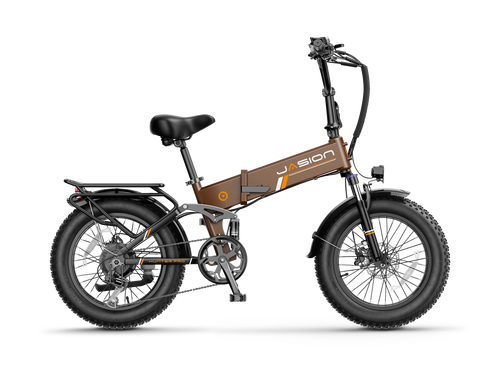
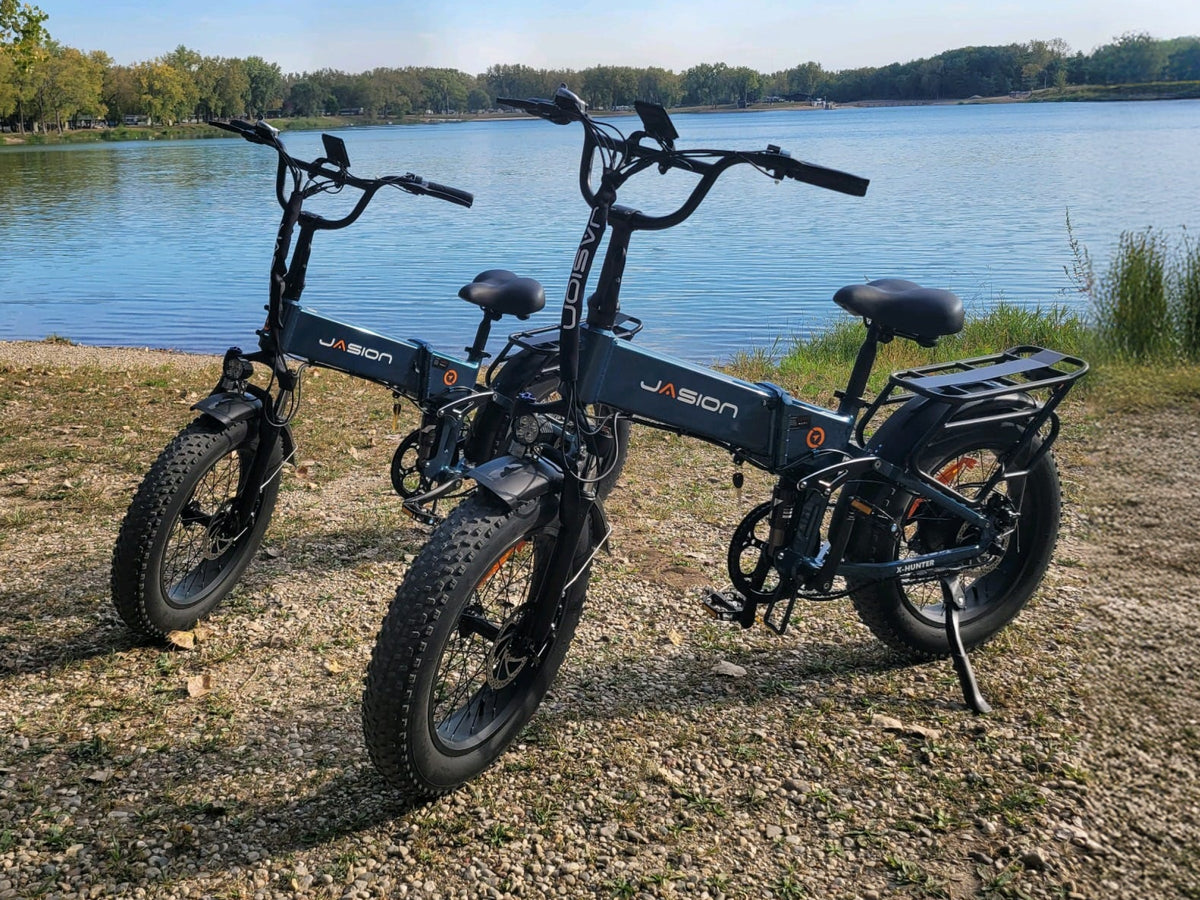
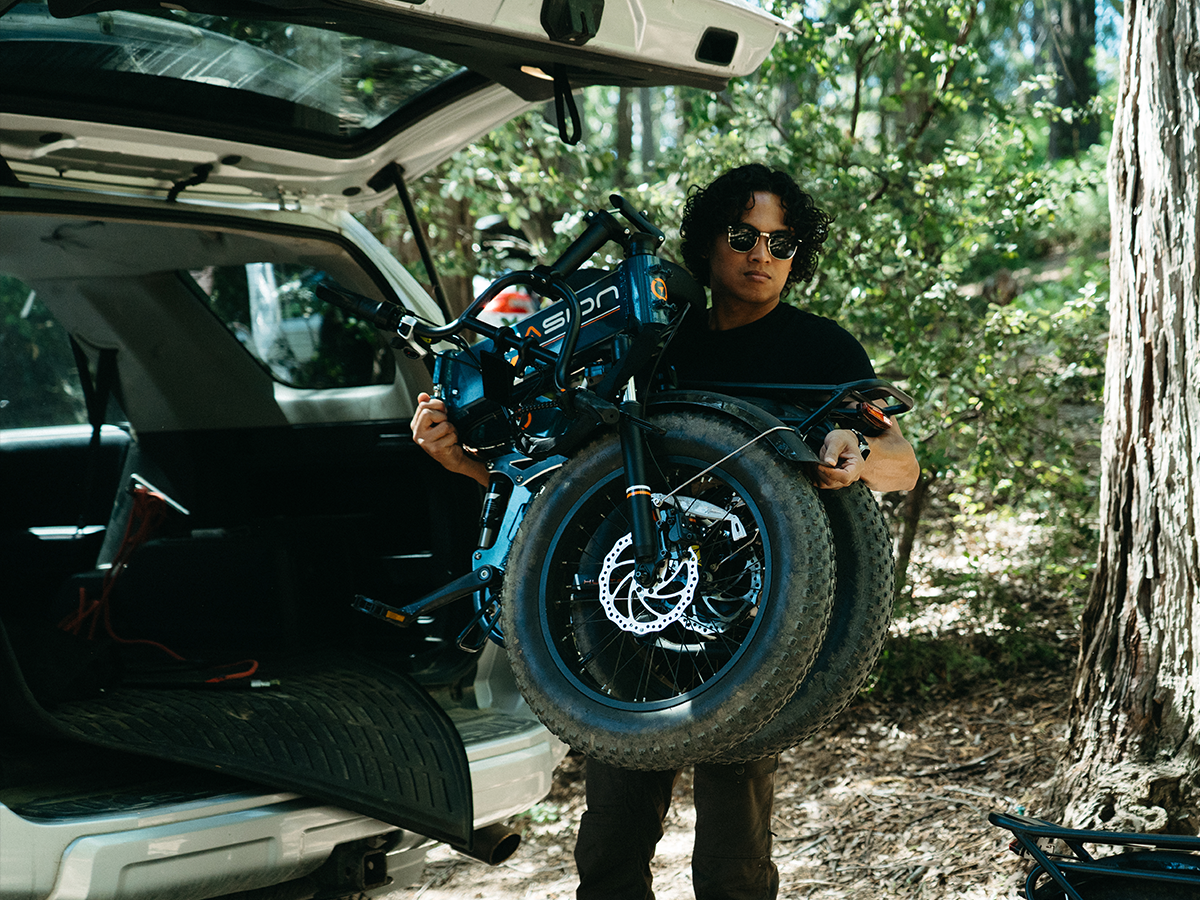
A comfortable upright ride position, reliable brakes, and storage for water/snacks go a long way. Folding models can be especially convenient for ferries and tight lodging spaces.
Conclusion: Start Your Island Hopping Journey
Island hopping by e-bike is a rare combination: effortless exploration, scenic freedom, and a lighter footprint. Plan smart, ride respectfully, and give yourself time to stop often—because the best island moments usually happen off-schedule.
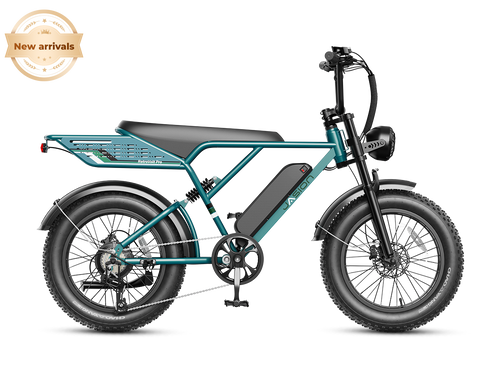
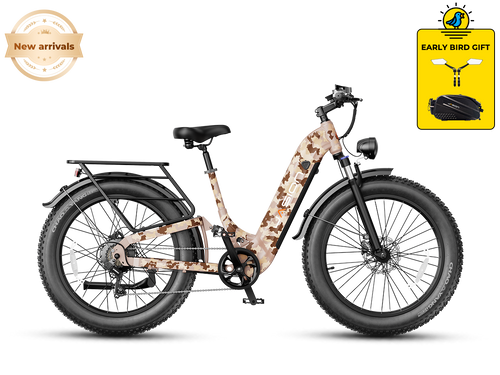
If you’re ready to explore island routes with a travel-friendly electric bike, check out our EB7 2.0 to start your next adventure.



Share: