
 EU
EU
 UK
UK
 US
US
 CA
CA



Last reviewed: October 10, 2026. Yes, electric bikes are street legal in Texas when they meet the state’s definition of an electric bicycle. The bike must have fully operable pedals, an electric motor of fewer than 750 watts, and a top assisted speed of 28 mph or less. A qualifying ebike does not need a driver’s license, vehicle registration, or motor-vehicle insurance, but its class, equipment, and riding location still matter.

Texas Ebike Laws at a Glance
| Question | Texas rule |
|---|---|
| Are ebikes legal? | Yes, when the vehicle meets Texas’s electric-bicycle definition. |
| Motor and speed boundary | Fully operable pedals, a motor of fewer than 750 watts, and top assisted speed of 28 mph or less. |
| License, registration, and insurance | Not required for a qualifying electric bicycle. |
| Class 3 age | The operator must be at least 15. A younger person may ride as a passenger. |
| Helmet | The statewide ebike provisions do not add a general helmet mandate, but local or venue rules may apply. |
| Roads and bicycle areas | Generally allowed where the statute protects ebike access; natural-surface trails and locally regulated sidewalks require a separate check. |
| Texas State Parks | Allowed on public roadways, not on park trails under current Texas Parks & Wildlife guidance. |
The legal terms behind Texas electric bike laws come from the current Texas Transportation Code, particularly Sections 551.104, 551.106, 551.107, and Chapter 664. City rules and land-manager policies can be more specific, so check the exact route as well as the bike.
How Texas Defines an Electric Bicycle
Texas law starts with the vehicle, not the name used in an advertisement. Under Section 664.001, an electric bicycle has fully operable pedals, an electric motor of fewer than 750 watts, and a top assisted speed of 28 mph or less. “Top assisted speed” is the point at which the motor stops propelling the bike or helping the rider.
That definition is the gateway to the simpler ebike rules. A vehicle outside it is not automatically illegal to own, but it should not be assumed to receive the same treatment as a Class 1, Class 2, or Class 3 electric bicycle on public roads or bicycle facilities.
Class 1, Class 2, and Class 3 in Texas
| Class | How assistance works | Texas assisted-speed wording | Extra point to check |
|---|---|---|---|
| Class 1 | The motor assists only while the rider pedals. | 20 mph or less | No throttle-only propulsion within the class definition. |
| Class 2 | The motor may propel the bike without pedaling. | 20 mph or less | The class covers throttle capability within the stated speed boundary. |
| Class 3 | The motor assists only while the rider pedals. | More than 20 but less than 28 mph | Operator age 15+ and a speedometer supplied by the manufacturer or seller. |
One detail is easy to miss: the general electric-bicycle definition says 28 mph or less, while the specific Class 3 definition says more than 20 but less than 28 mph. Do not resolve that wording by changing the class yourself. Check the permanent label, the published specification, and how the bike is currently configured. Our Class 1 vs. Class 2 vs. Class 3 ebike guide explains the operating differences in more detail.
Do You Need a License for an Ebike in Texas?
You do not need a driver’s license, title, vehicle registration, or state-mandated motor-vehicle insurance for a bike that qualifies as an electric bicycle under Texas law. Those answers change if the vehicle falls outside the electric-bicycle definition and enters another motor-vehicle category.
License, registration, insurance, and legal riding locations are separate questions. A license-free ebike can still be restricted on a particular sidewalk, natural-surface trail, campus, or park. For the nationwide distinction between these requirements, see our electric bike license guide.
Texas age and helmet rules
Texas Transportation Code Section 551.107 says a person must be at least 15 to operate a Class 3 electric bicycle. It expressly allows someone under 15 to ride as a passenger on a Class 3 bike. A passenger still needs a seat and equipment designed for carrying one; the age exception is not permission to improvise a passenger setup.
The cited statewide ebike provisions do not impose a general helmet requirement for every ebike rider. A city, park, school, trail system, rental provider, or event can have additional rules. Regardless of the minimum legal requirement, a correctly fitted bicycle helmet is the sensible choice for road traffic and higher assisted speeds.
Where Can You Ride an Ebike in Texas?
Section 551.106 says the Texas Department of Transportation or a local authority may not prohibit an electric bicycle on a highway used primarily by motor vehicles. It also protects ebike access in areas where nonelectric bicycles are permitted, with an important exception for certain natural-surface paths that are closed to motor vehicles.
Roads and bike lanes
Can you ride an electric bike on the road in Texas? In most cases, yes: a qualifying ebike is generally treated like a bicycle on Texas roads and in bicycle-oriented spaces. Riders still have the duties that apply to bicycle operation, including obeying traffic controls and using required equipment. A city may also establish bicycle speed limits on paths.
Sidewalks and shared-use paths
Texas authorizes local authorities to prohibit bicycles on sidewalks. Check the city rule instead of assuming that statewide ebike legality guarantees sidewalk access. Shared-use paths also deserve a route-specific check, especially where pedestrian traffic is the primary use.
Natural-surface trails
The statewide access protection has a specific exception for a path that is not open to motor vehicles and has a natural-surface tread made by clearing and grading native soil without added surfacing. A department or local authority can restrict ebikes on that type of trail. Trailhead signs and the land manager’s current page are more useful than a generic statewide answer.
Texas State Parks
Texas Parks & Wildlife currently says ebikes are allowed on public roadways but not on park trails. Check the individual park before traveling because closures and route conditions can change.
Labels, Brakes, Lights, and Speedometers
Texas requires the manufacturer or seller to place a permanent label in a prominent location showing the electric-bicycle class, top assisted speed, and motor wattage. If someone changes the motor-powered speed capability or engagement, the law requires the label to be replaced with accurate information.
Class 3 bikes must have a speedometer when manufactured or sold. Texas also requires the motor to disengage or stop functioning either when the rider stops pedaling or when the brakes are applied. Bicycle-equipment rules require a brake capable of making a braked wheel skid on dry, level, clean pavement.
At night, the bike needs a white front lamp visible from at least 500 feet. At the rear, Texas allows either an approved red reflector visible under the specified headlamp conditions from 50 to 300 feet or a red lamp visible from 500 feet. These are legal minimums; clean lenses, charged lights, and conspicuous clothing make the rider easier to see in real traffic.
What If an Ebike Is 750W or Faster Than 28 MPH?
Texas uses “fewer than 750 watts” in its electric-bicycle definition. A bike that does not meet that motor boundary, lacks operable pedals, or receives motor assistance above the state’s speed boundary may fall outside the electric-bicycle category. That does not tell you, by itself, which other category applies or where the vehicle can be used.
Product pages can show rated, nominal, peak, or multiple power figures. A peak figure alone is not a substitute for reading the bike’s class label and current specifications. Our guide to 750W electric bike speed explains why motor power and assisted speed are related but not interchangeable.
Changing the speed limit, motor engagement, or electrical components can also affect how the bike fits the statute. Evaluate the bike as it operates now, not only as it left the factory.
Texas Ebike Buying Checklist
- Read the permanent label. Confirm the class, top assisted speed, and motor wattage.
- Separate rated and peak figures. Identify what each number on the product page actually describes.
- Check throttle behavior. A Class 2 bike may propel without pedaling within its class boundary; Class 1 and Class 3 definitions are pedal-assist only.
- Match the bike to the route. Roads, sidewalks, shared paths, natural-surface trails, and state parks do not all follow the same access rule.
- Check equipment. Look for working brakes, required nighttime lighting, the class label, and a speedometer on a Class 3 bike.
- Recheck modified bikes. Changes to speed capability or motor engagement can affect the label and legal category.
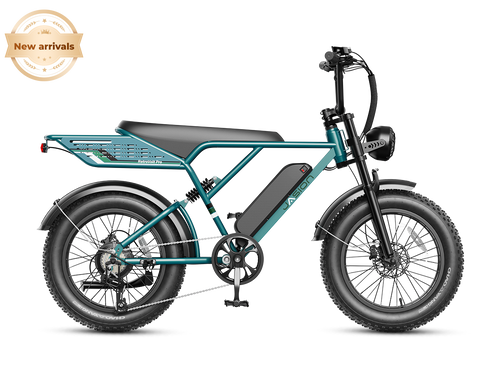
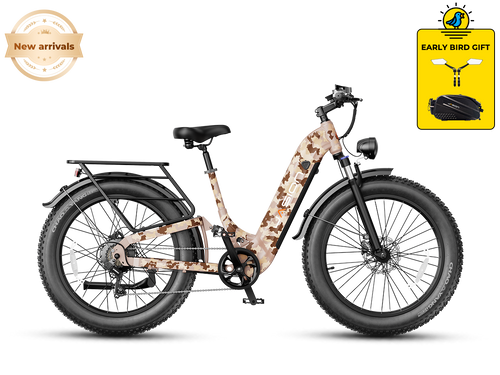
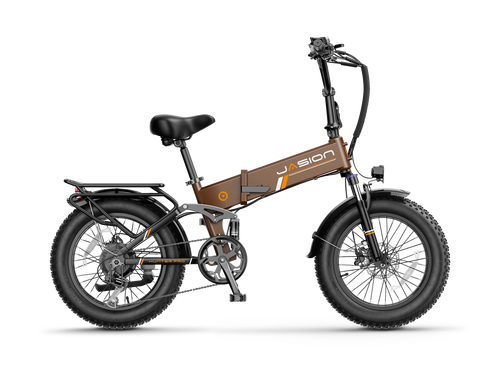
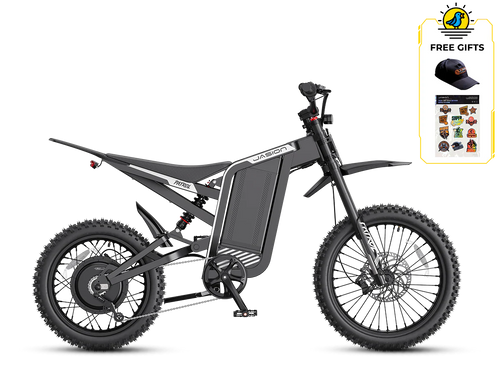
Once you know the class and configuration that fit your route, browse Jasion electric bikes and compare the current specifications on each product page. The right buying decision starts with the route and legal category, then moves to frame style, range needs, storage, comfort, and cargo capacity.
Texas Ebike Laws FAQ
Are electric bikes street legal in Texas?
Yes. An ebike is street legal under the Texas electric-bicycle framework when it has fully operable pedals, a motor of fewer than 750 watts, and a top assisted speed of 28 mph or less. Traffic, equipment, and local access rules still apply.
Do you need a license for an ebike in Texas?
No driver’s license is required for a qualifying electric bicycle in Texas. It also does not require ordinary motor-vehicle registration or state-mandated motor-vehicle insurance.
Is a 750W ebike legal in Texas?
Texas’s statutory definition says the motor must be fewer than 750 watts. Check whether a product figure is rated, nominal, or peak power, then compare the permanent class label, assisted speed, and current configuration with the statute.
How old do you have to be to ride a Class 3 ebike in Texas?
You must be at least 15 to operate a Class 3 electric bicycle in Texas. A person under 15 may ride as a passenger on a Class 3 bike that is designed and equipped to carry a passenger.
Can you ride an ebike on a sidewalk in Texas?
Do not assume every sidewalk is open to ebikes. Texas law allows a local authority to prohibit bicycles on sidewalks, so check the rule for the city or property where you plan to ride.
Can you ride an ebike on Texas trails?
Access depends on the trail and its manager. Texas law allows restrictions on certain natural-surface paths, and Texas Parks & Wildlife currently allows ebikes on state-park public roadways but not on park trails.
Does Texas require a helmet for an ebike?
The statewide ebike provisions cited here do not add a general helmet requirement for every rider, but a city, park, school, rental provider, or event may impose one. Wearing a properly fitted bicycle helmet is recommended.
This article provides general information for Texas riders and is not legal advice. Laws and local access policies can change after the review date; confirm the current rule for the bike and location before riding.



Share: