
 EU
EU
 UK
UK
 US
US
 CA
CA



If you keep sliding toward the handlebars, rocking your hips or putting too much weight on your hands, the saddle may not be the problem. Its position may simply be off.
Start with the seat close to level and make one adjustment at a time. A few millimeters of height or a small change in angle can be easier to judge than replacing the saddle and changing the entire setup at once.
Know which part you are adjusting
Bike seat and saddle usually mean the same thing: the part the rider sits on. The other parts become important when you loosen or replace it:
- Saddle rails: The two rails beneath the saddle.
- Saddle clamp: The hardware that grips the rails and controls angle and forward or backward position.
- Seatpost: The tube between the saddle and bike frame.
- Seatpost clamp: The clamp on the frame that holds the seatpost at the chosen height.
Loosening the saddle clamp changes the saddle angle or rail position. Loosening the seatpost clamp changes height. Mixing up the two is an easy way to adjust the wrong part.
Before reaching for a wrench
Take a photo of the bike from the side and another from above. If the new position feels worse, the photos give you a way back. A small piece of removable tape at the current seatpost height is useful for the same reason.
Most saddle clamps use an Allen key, although the size and clamp design vary. Use the tool that fits fully in the bolt head. If the bike or component manual gives a torque value, follow that number rather than tightening by feel.
How to adjust bike seat height
A practical starting point is the heel check:
- Have someone steady the bike, or place it in a secure stand.
- Sit in your normal position.
- Put one pedal at the bottom of its stroke.
- Rest your heel on that pedal.
- Adjust the saddle until your leg is nearly straight without reaching or dropping one hip.
When you move your foot back to its normal pedaling position, your knee should have a comfortable bend at the bottom of the stroke. The heel check is a starting point, not a custom bike fit.
Watch what happens during a short ride:
- If your hips rock from side to side or you point your toes to reach the bottom, lower the saddle slightly.
- If your knees remain sharply bent and pedaling feels cramped, try raising it slightly.
- If you cannot stop and support the bike confidently, review the height and your starting technique before riding in traffic.
Move the post in small steps and keep its minimum insertion mark inside the frame. If you are replacing the post rather than adjusting it, read our suspension seatpost and sizing guide before ordering.
How to adjust bike seat angle
Level is the most useful place to begin. Set a small level along the main seating area, not across a raised tail or heavily curved nose.
- Loosen the saddle clamp only enough for the saddle to move.
- Bring the main seating area close to level.
- Make sure the rails sit evenly in the clamp and remain within their marked adjustment range.
- Tighten the clamp to the specified torque.
- Ride your normal route for a few minutes before deciding on another change.
If you feel pressure at the front, a very small nose down change may help. If you keep sliding forward and bracing on the handlebars, the nose may already be too low. Large tilts usually trade one problem for another, so make changes a little at a time.
How to move the saddle forward or backward
The markings on the saddle rails show the area the clamp is designed to hold. Start near the middle of that range. From there, use your normal riding position to judge the change.
- If the cockpit feels cramped, a small move backward may create more room.
- If you feel stretched toward the bars, a small move forward may feel more natural.
- If moving the saddle creates heavy pressure on your hands, undo the change and review both height and angle.
Move it only a few millimeters at a time. Do not slide the saddle rails beyond their marked clamp area to compensate for a frame that does not fit.
How to replace a bike seat
If the cover is torn, the rails are bent or the saddle still feels wrong after careful setup, replacement may make sense. A thicker saddle is not automatically a better one; width, shape and riding position matter more than padding alone.
- Photograph the current angle and rail position.
- Loosen the saddle clamp. You may not need to remove every bolt completely.
- Remove the old saddle and wipe dirt from the clamp.
- Place both new rails evenly in the clamp grooves.
- Center the saddle on the bike and begin near the middle of the rail markings.
- Set the seating area close to level.
- Tighten the hardware gradually and evenly to the specified torque.
- Grip the saddle and try to twist or rock it before riding. It should remain still.
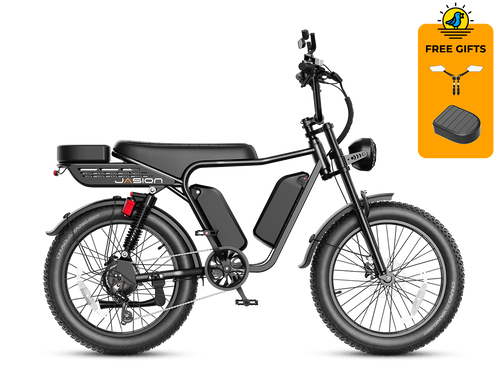
Standard rider saddles, long moped style seats and rear passenger cushions are not interchangeable. Confirm the exact bike and accessory compatibility before buying a model specific seat or rear cushion.
Change one thing, then test it
A short ride tells you more than sitting on a stationary bike for a few seconds. Use a familiar route and pay attention to what changes after ten or fifteen minutes.
| What you notice | What to check first |
|---|---|
| Hips rocking while pedaling | Saddle may be too high |
| Knees stay very bent at the bottom | Saddle may be too low |
| Sliding toward the handlebars | Nose may be too low; also check height |
| Too much weight on the hands | Review angle and forward position |
| Saddle moves or changes angle | Stop and inspect the clamp, rails and torque |
| Ride feels harsh on broken pavement | Check tire pressure, saddle setup and seatpost options |
Do not change height, angle and rail position together. If the ride improves, you will not know which adjustment helped.
Seat setup on an ebike
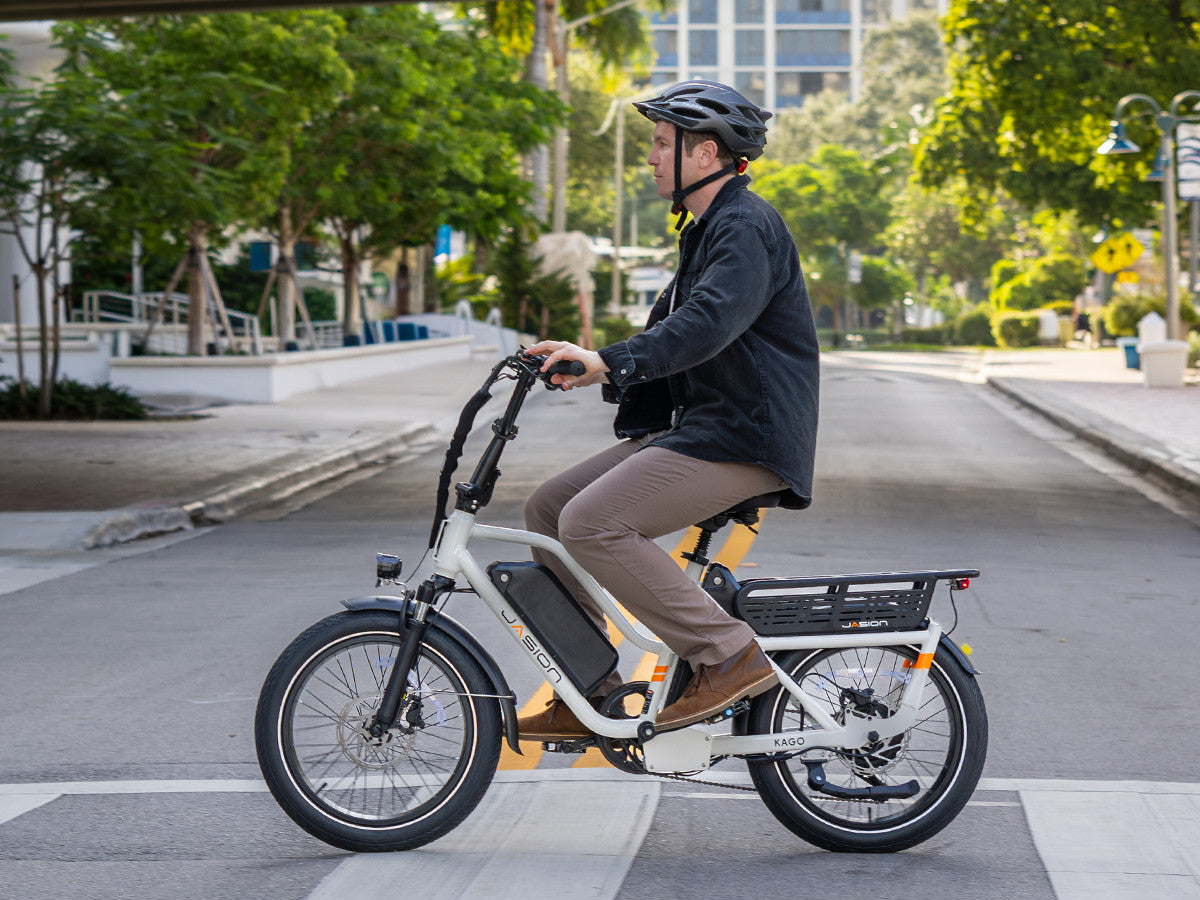
The basic fit process is the same on a bike and an ebike, but the extra weight of an ebike makes confident starts and stops especially important. Practice away from traffic after changing the saddle height. Folding bike owners should also check the height mark after transporting the bike or sharing it with another rider.
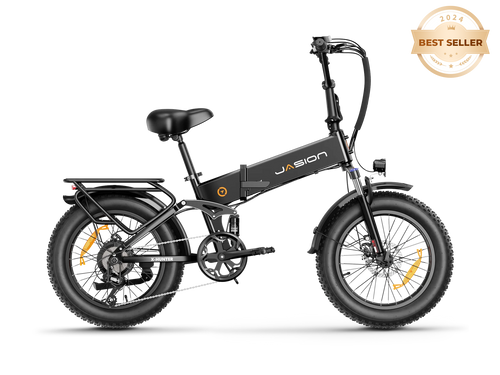
For rougher routes, saddle setup is only one part of comfort. Tire pressure, riding posture and suspension all affect what reaches the rider. The Jasion Hunter Pro pairs an oversized saddle with 20 × 4 inch tires and full suspension for riders who want these comfort features built into the bike.
You can compare other frame and riding styles in our electric bike collection.
Looking for a Jasion rear seat?
A rider saddle and a rear passenger seat are different parts. The saddle mounts to the seatpost and is adjusted for pedaling. A rear seat or cushion mounts behind the rider and is usually designed around a particular rack, frame and bike model.
If you are shopping for a Jasion rear seat or a RetroVolt Pro rear seat, check the compatible models shown on the accessory page before ordering. A cushion that looks as if it fits may still use different mounting points or hardware. The bike's payload limit and local passenger rules also continue to apply after a rear seat is installed.
The Jasion Anti Slip Rear Seat is a model specific accessory, not a replacement for the rider's saddle. Do not assume compatibility with a Patrol, X Hunter or another Jasion model unless that model is listed on the current product page or confirmed by Jasion support.
When adjustment is not the answer
Replace damaged rails, cracked clamp parts or hardware that will not hold the specified torque. Persistent slipping, unexplained movement or a seatpost that binds in the frame should be inspected before the bike is ridden again.
If discomfort continues after sensible adjustments, the saddle shape or bike size may not suit you. Persistent numbness or pain is a reason to stop riding and seek advice from a qualified bike fitter or healthcare professional rather than continuing to tilt or raise the saddle.
Frequently asked questions
Should a bike seat be level?
Level is the best starting point for most saddles. After a short test ride, make only a small angle change if you feel pressure or keep sliding forward.
How high should my bike seat be?
As a starting point, place your heel on the pedal at the bottom of the stroke and set the saddle so your leg is nearly straight without your hips rocking. With your foot in its normal pedaling position, the knee should retain a comfortable bend.
Why do I keep sliding forward on my bike seat?
The saddle nose may be tilted too far down. Bring it closer to level and check that the saddle is not too high. Change one setting at a time and test it on a short ride.
How far forward or backward should a bike seat be?
Begin near the middle of the saddle rail markings. Move it a few millimeters at a time based on reach and balance, and never clamp outside the marked rail area.
Can I replace the seat on my ebike?
Many standard saddles can be replaced, but the new saddle rails must fit the clamp. Long seats, rear passenger cushions and some model specific parts require an exact compatibility check.
Why does my bike seat keep moving after I tighten it?
The clamp may be assembled incorrectly, the rails or hardware may be damaged, or the bolt may not be at the specified torque. Stop riding until the cause is found; overtightening is not a safe repair.




Share:
1 comment
Would like to buy , & install , a Banana Seat with mounting rail to my 26 inch Jason E-Bike.