
 EU
EU
 UK
UK
 US
US
 CA
CA



Shopping by ebike type can get confusing. Commuter and cargo describe a job; folding and step through describe a frame; fat tire and full suspension describe equipment. A single ebike may fit several of those labels. The useful question is what combination fits your route, storage and everyday plans.
What Are the Main Types of Ebikes?
Ebikes are commonly grouped by purpose, frame design and ride features:
- Purpose: commuter, cargo, utility, recreational or off-road riding
- Frame design: folding, step-through, step-over, moped style or etrike
- Ride features: fat tires, full suspension or a long-range battery setup
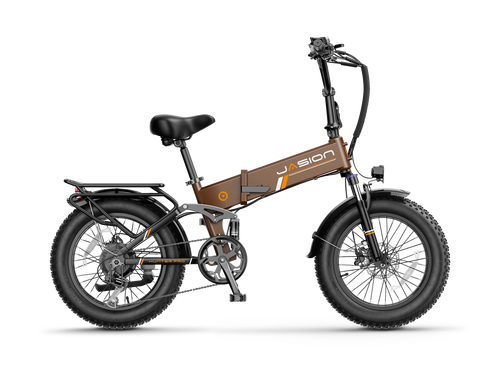
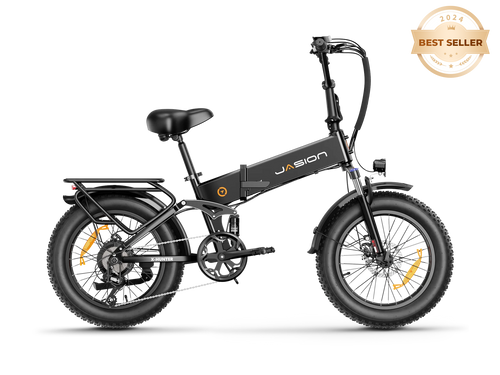
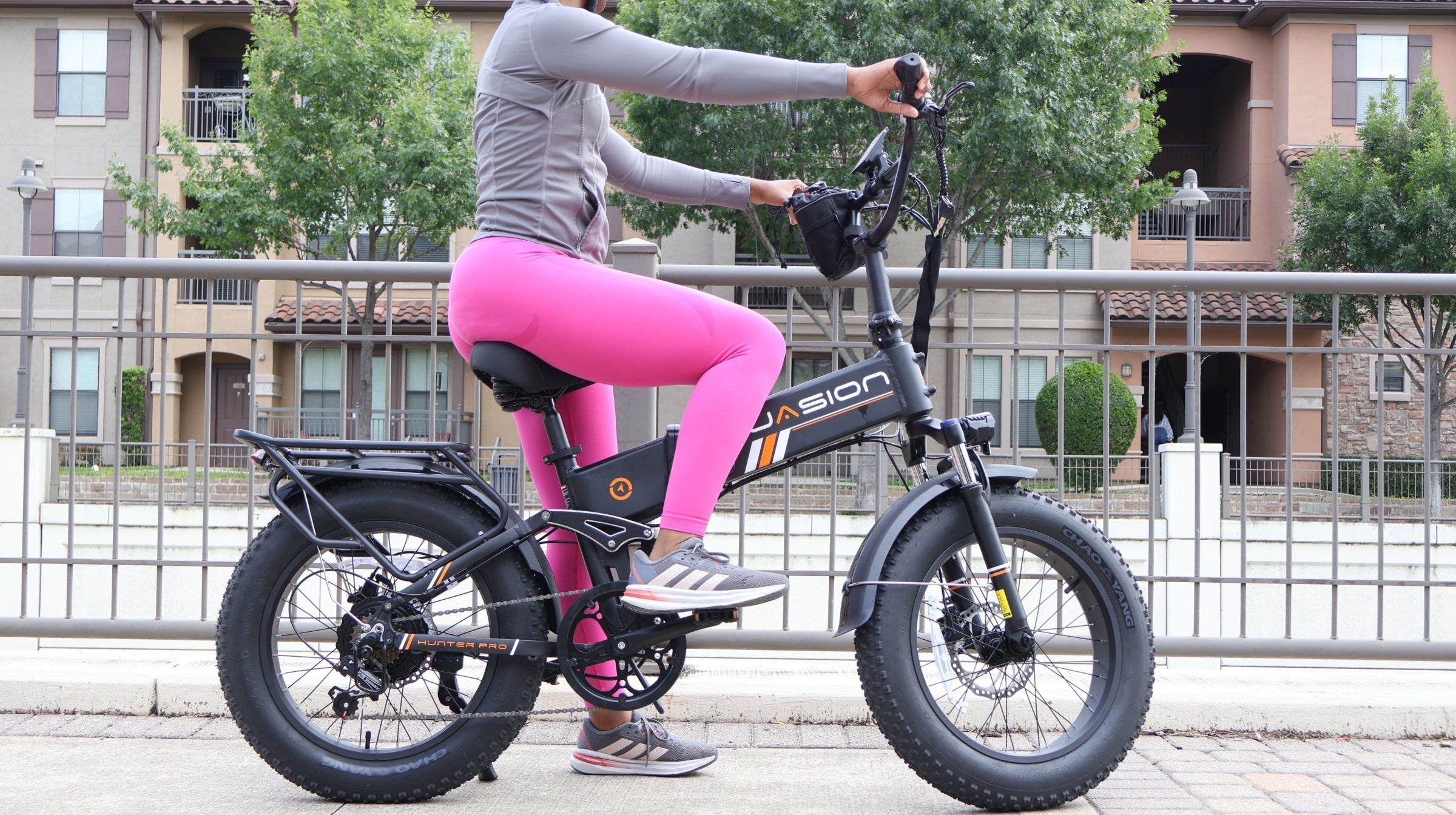
The Jasion Hunter Pro Full Suspension Folding Ebike, for example, combines a folding frame, 20-inch fat tires and front-and-rear suspension. Start with the ride you make most often, then choose the frame and features that support it.
Types of Ebikes by Riding Purpose
Commuter Ebike
A commuter ebike is built around repeatable transportation: riding to work, school, appointments or a transit stop. Useful commuter equipment often includes lights, fenders, a rear rack or mounting points, and a battery that can be removed for charging.
A commuter may be full size, folding or step through. A longer route favors battery capacity and ride comfort; vehicle travel or compact storage makes a folding frame more useful.
Cargo and Utility Ebike
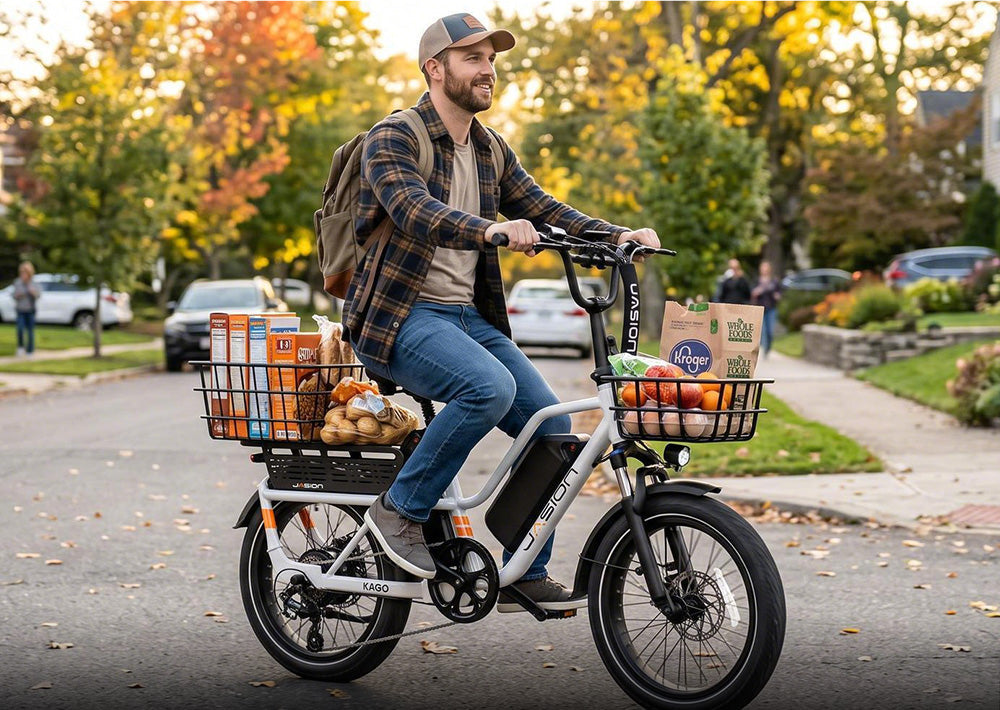
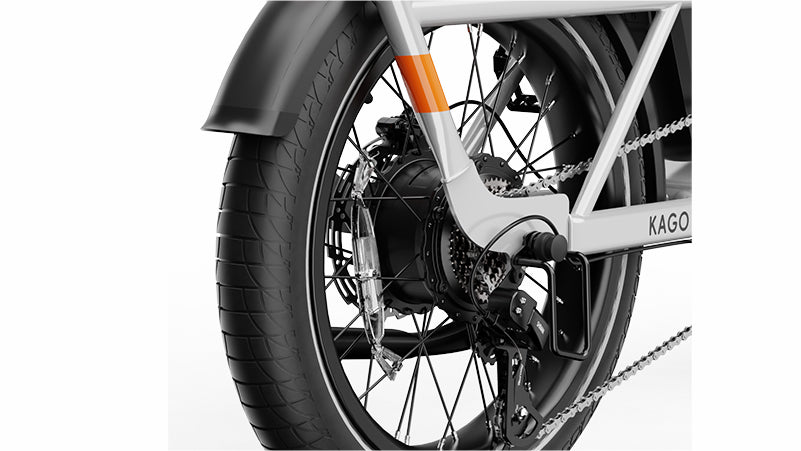
Cargo and utility ebikes add carrying space for groceries, work supplies and multi-stop days. The Jasion Kago Long Range Cargo Ebike combines a compact step-through frame, an extended rear platform and two removable batteries in one everyday utility setup.
Visit the Jasion cargo ebike collection to see the current configuration.

Recreational and Cruiser Ebike
Recreational ebikes favor comfortable pacing, an approachable riding position and the ability to stay out longer without turning every hill into a hard effort. A wider saddle, swept or raised handlebar and step-through frame may support that relaxed use.
Cruiser describes the relaxed riding character rather than one fixed component list, so rider position and saddle adjustment are the most useful comparison points.
Off-Road Ebike
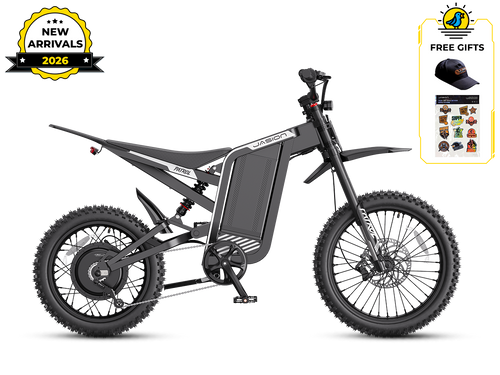
Off-road ebikes are built for loose surfaces, uneven routes and steeper terrain. Tires, suspension, brakes and ground clearance shape how the bike handles everything from maintained gravel to rougher trails.
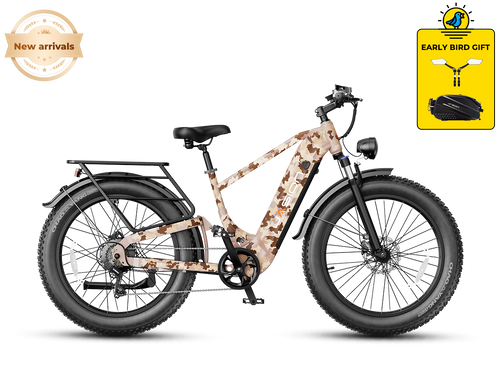
The Jasion Thunder Pro Long Range Full Suspension Ebike pairs 26 x 4-inch fat tires with full suspension for riders who want a larger-wheel platform for mixed surfaces and longer outings.
Ebike Types by Frame Design
Folding Ebike
A folding ebike has a hinged frame that reduces its storage footprint. It works well in an RV, garage, SUV or other space where a full-length bike is awkward. Folded dimensions show how much room it needs, while total weight matters when loading it into a vehicle.
Wheel size also affects the folded package. Many adult folding ebikes use 20-inch wheels, but rider fit still comes from the complete frame geometry and adjustment range. Browse folding ebikes for adults to compare current Jasion frame options.

Step Through Ebike
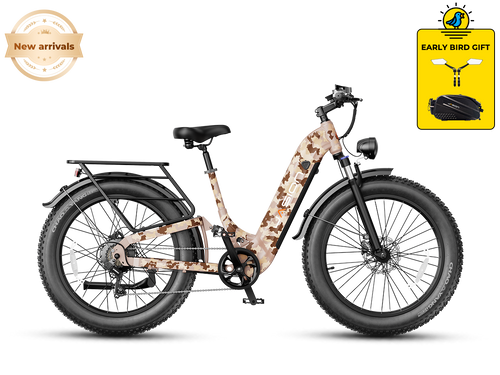
A step through frame lowers or removes the high top tube, reducing the height a rider must clear when getting on. It is useful for frequent stops, limited hip mobility, work clothing or a rear load that makes swinging a leg over the saddle inconvenient.
The design appears on commuter, cargo, folding and full-size fat tire ebikes. Standover clearance and rider-height range help narrow the fit.
Step Over Ebike
A step over frame uses a higher top tube to create a familiar diamond or triangular structure. It suits riders who prefer a traditional frame shape, with reach and saddle position determining the final fit.
Moped Style Ebike
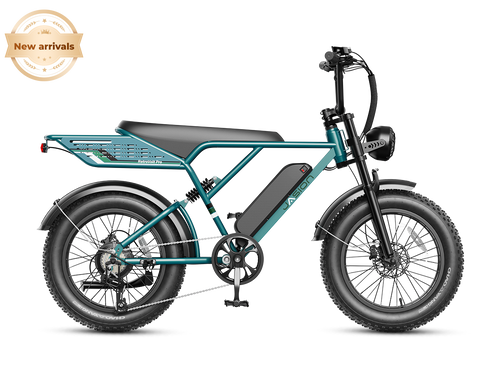
A moped style ebike uses a low, substantial frame and a long saddle to create a relaxed silhouette. Many models combine 20-inch fat tires, suspension and generous battery capacity for longer leisure rides.
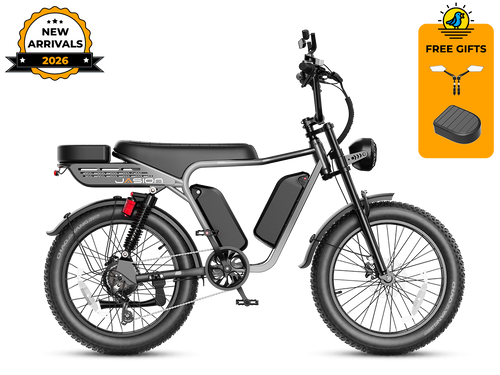
The Jasion RetroVolt Max Long Range Moped Style Ebike uses this layout with full suspension and a dual-battery system. More models are available in the Jasion moped style ebike collection.

Etrike
An etrike uses three wheels and remains upright when stopped, adding low-speed stability and useful carrying space for local errands. Its wider stance is worth including when measuring a doorway or parking area.
The Jasion JT18 Electric Tricycle for Adults combines a folding step-through frame with a rear basket, giving the three-wheel format a compact everyday role.
Ebike Types by Ride Features
Fat Tire Ebike
Fat tire ebikes use wider tires with more air volume than narrow city or road tires. That larger volume can add cushioning and create a broader contact patch on changing surfaces. Tire pressure, tread and construction still influence how the bike rolls and grips.
They appear on folding, cargo, moped style and full-size models. The Jasion fat tire ebike collection includes compact 20-inch and full-size 26-inch designs.
Full Suspension Ebike
A full suspension ebike has suspension at the front and rear to soften bumps and help the wheels follow uneven ground. It is a natural match for rough pavement, gravel and trails, especially when paired with wider tires.
Long Range and Dual-Battery Ebike
A long-range ebike uses greater available battery capacity or an efficient system to extend the distance between charges. Dual-battery designs are especially useful when one day includes a commute, errands and a longer return route.
For a useful comparison, plan around your longest routine day. Terrain, load, weather, tire pressure and assistance level affect the distance available from a charge.

Types of Ebikes at a Glance
| Ebike type | Best matched to | Main detail to check | Jasion example |
|---|---|---|---|
| Folding fat tire | Vehicle travel, mixed routes and compact storage | Folded size and bike weight | Hunter Pro |
| Cargo utility | Groceries, work gear and multi-stop days | Rack design, payload and accessories | Kago |
| Full-size fat tire | Longer outings and mixed surfaces | Wheel format, frame size and storage | Thunder Pro |
| Moped style | Relaxed seated riding and bold frame design | Saddle position and rider fit | RetroVolt Max |
| Etrike | Three-wheel stability and local carrying | Overall width and turning space | JT18 |
How to Choose the Right Type of Ebike
- Define the regular trip. Start with the route you ride every week, not a rare edge case.
- Check the surface. Smooth streets, broken pavement, gravel and trails place different demands on tires and suspension.
- Measure the storage space. Include doors, corners, vehicle cargo areas and room around the bike.
- List what comes with you. A work bag needs a different setup from weekly groceries or passenger equipment.
- Choose the frame access. Compare step-through clearance, standover and rider-height guidance.
- Plan the battery around a real day. Include the return trip and normal stops, then allow room for changing conditions.
Once those requirements are clear, compare current electric bikes for adults by riding purpose rather than choosing from the largest numbers on a specification sheet.
Ebike Type, Class and Motor System Are Different
An ebike type describes its use, frame or major equipment. An ebike class describes how motor assistance operates and the assisted-speed threshold. The motor system describes where and how power is delivered, such as a hub-drive or mid-drive arrangement.
These labels answer different questions. A folding cargo ebike and a full-size commuter could share the same class while using different frames. If road or trail access matters to your decision, read the Jasion guide to Class 1, Class 2 and Class 3 ebikes separately from choosing the bike style.
Find Your Jasion Ebike
Jasion's range covers compact folding bikes, full-size fat tire models, cargo utility bikes, moped style designs and an adult etrike. Browse the complete electric bike collection to compare current models, colors and availability.
Frequently Asked Questions
What are the most common types of ebikes?
Common types include commuter, cargo, folding, step-through, fat tire, moped style, off-road and three-wheel ebikes. These categories overlap because some describe use while others describe the frame or equipment.
What type of ebike is best for commuting?
The best commuter type depends on distance, surface, storage and carrying needs. A folding ebike can suit vehicle travel or compact storage, while a cargo utility model works well when commuting includes groceries or work equipment.
What type of ebike is best for carrying cargo?
A purpose-built cargo or utility ebike provides a stronger foundation for regular carrying. Check the rack design, total payload, accessory compatibility, brakes and battery setup against the loads you expect to carry.
What is the difference between an ebike type and an ebike class?
Ebike type describes the bike's purpose, frame or equipment. Ebike class describes how the motor provides assistance and the speed at which that assistance stops.
Are fat tire ebikes only for off-road riding?
No. Fat tires are also used on folding, cargo, moped style and recreational ebikes. Tread, pressure, frame geometry and suspension help determine where a particular model works best.


Share: