
 EU
EU
 UK
UK
 US
US
 CA
CA



A backpack works for a light commute. Add groceries, work gear, a second stop and something bulky to bring home, and the limits of a standard setup show quickly. A utility ebike is built for those practical, repeatable trips.
The term covers more than one frame style. Some utility bikes resemble commuters with stronger carrying equipment. Others use compact cargo or longtail frames. What connects them is simple: they make it easier to carry what the day requires.
What Is a Utility Ebike?
A utility ebike is an electric bike designed around everyday transportation and carrying tasks. It combines pedal assistance with practical features such as a rear rack, cargo-compatible frame, stable riding position, useful battery capacity and mounting points for baskets or bags.
There is no single wheel size or frame shape that defines the category. The more useful test is whether the bike can handle your regular trips without turning every load into a workaround.
That may mean carrying a laptop and lunch to work, bringing home a weekly grocery shop, transporting sports equipment or completing several errands before returning home. For riders with larger carrying needs, a purpose-built cargo ebike provides more room to build a practical setup.
Is a Utility Ebike the Same as a Cargo Ebike?
The terms overlap, but they describe the bike from different angles. Utility describes what the bike helps you do. Cargo describes a design that puts greater emphasis on carrying space and load support.
A commuter ebike with a useful rack can serve as a utility bike for lighter trips. A compact cargo ebike can handle the same commute while providing a longer platform for groceries, equipment or an approved passenger setup. Longtail and front-loading cargo bikes take carrying space further with larger frames.
So a cargo ebike can also be a utility ebike. The practical question is not which label sounds better, but how much carrying space your normal week requires.
What Can You Use a Utility Ebike For?
Commuting Without Wearing Your Load
A rack or pannier setup keeps a laptop bag, lunch and a change of clothes off your back. That becomes especially useful on warm days or when the commute includes several stops. Fenders, lights and removable batteries can also make a bike easier to use as regular transportation.

Grocery and Household Runs
Structured baskets help keep groceries upright, while panniers make it easier to separate heavier items from bread, produce or fragile goods. A bike with front and rear carrying options also gives you more ways to balance the load instead of stacking everything in one pla
Work Gear and Local Pickups
Tools, uniforms, packages and samples often need more space than a commuter bag provides. A utility setup lets the container match the job: enclosed bags for weather protection, open baskets for quick loading or a longer rear platform for larger items that can be secured safely.
Family Transportation
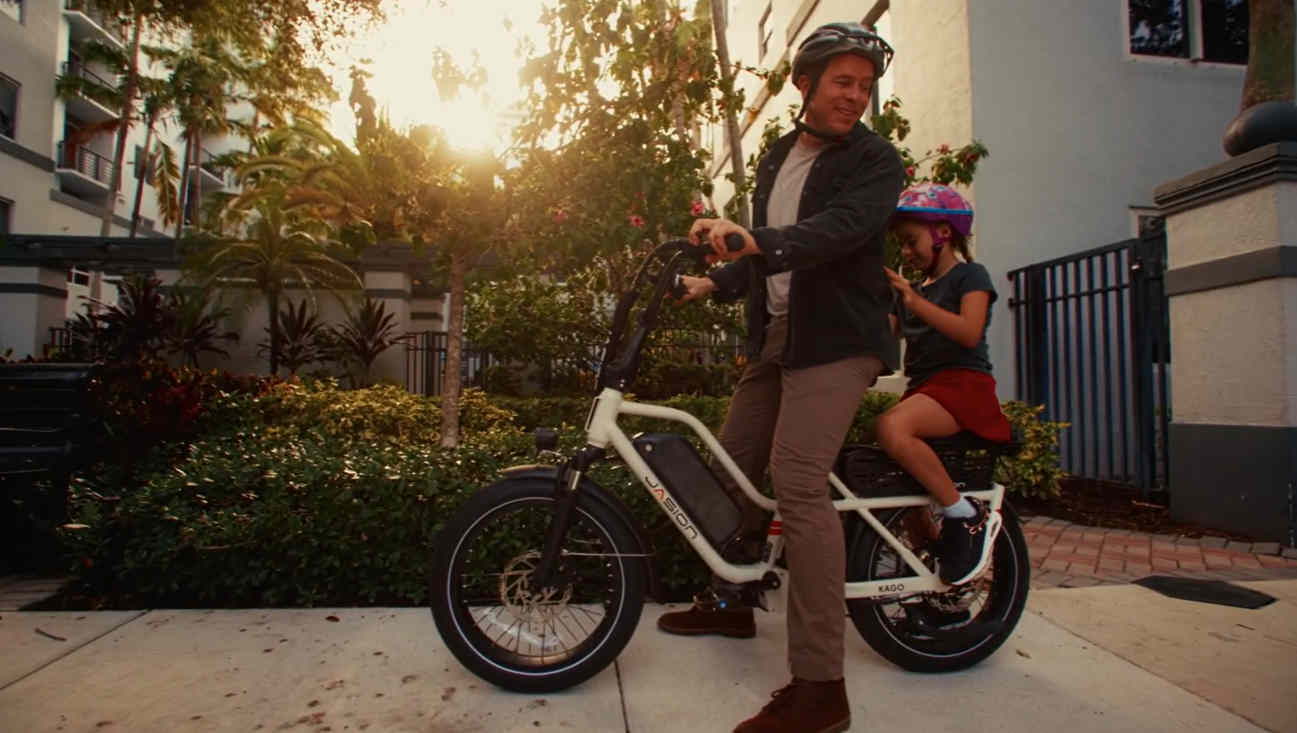
Some cargo utility ebikes support passenger equipment or a compatible child-seat setup. The bike, seat and passenger accessories must be intended to work together; suitable seating, foot support and wheel protection are part of the setup. Our guide to using an electric bike with a child seat covers the planning and riding checks in more detail.
Day Trips and Outdoor Gear
A cooler, picnic supplies, camera bag or sports equipment can turn a recreational ride into a carrying task. Utility capacity gives those items a dedicated place, leaving the rider free to pedal and control the bike comfortably.

What Makes an Ebike Useful?
A high specification in one area does not automatically create a good utility bike. The frame, cargo equipment, battery and controls need to work as a complete system.
| Feature | Why it matters | What to check |
|---|---|---|
| Cargo platform | Provides a stable base for bags, baskets or passenger equipment | Rack design, usable deck space and accessory compatibility |
| Payload capacity | Leaves room for the rider and the loads carried most often | Published total capacity and any separate rack rating |
| Battery capacity | Supports longer routes and days with several stops | Listed range, removability and your typical loaded route |
| Braking | Helps the rider manage the added momentum of a loaded bike | Brake type, lever feel and regular maintenance access |
| Frame access | Makes frequent starts and stops easier to manage | Step-through height and recommended rider range |
| Lighting | Supports visibility during commuting and evening errands | Headlight, rear light, brake light and turn signals where fitted |
How Much Utility Capacity Do You Need?
Start with one ordinary week rather than the biggest trip you can imagine. Write down what travels with you, how far the route is and where the bike will be parked. That produces a more useful shortlist than choosing on payload or range alone.
- Light utility: a work bag, small grocery stop or gym kit may fit a standard rack and pannier setup.
- Everyday cargo: larger grocery runs, work equipment and multiple errands benefit from a longer rack, baskets and more available battery capacity.
- Passenger or bulky cargo use: look for a purpose-built cargo frame and equipment designed for the intended passenger or load.
Storage matters too. Measure the doorway, garage position or apartment space before buying. A compact cargo ebike can provide useful carrying room without requiring the footprint of a full-length carrier. If overall dimensions are central to your decision, see our guide to compact and full-size cargo ebikes.
Where the Jasion Kago Utility Cargo Ebike Fits
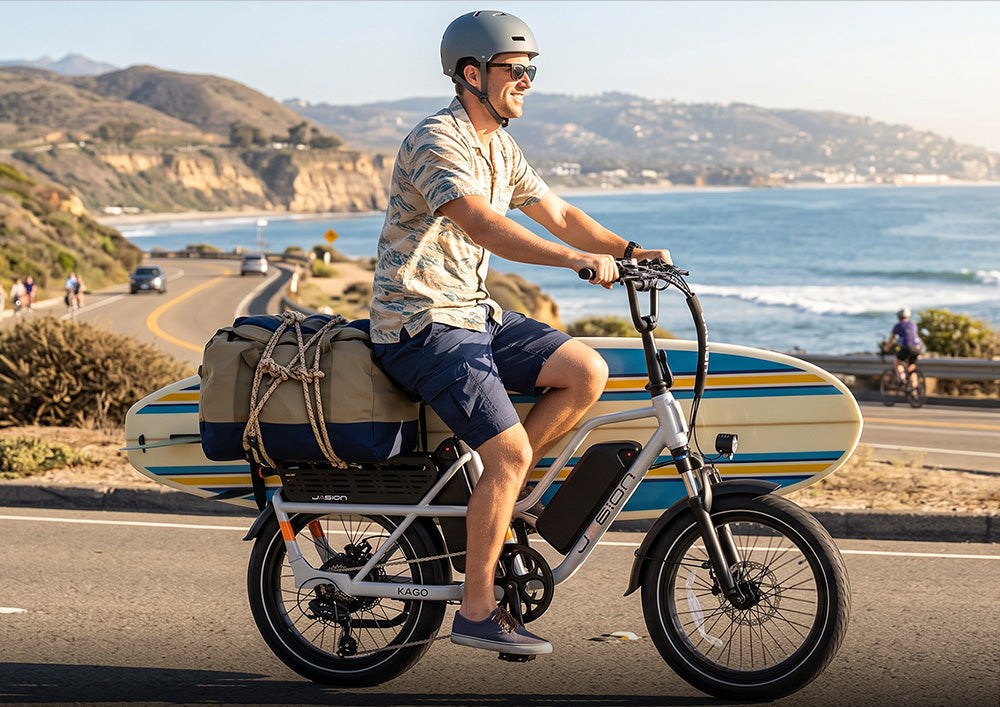
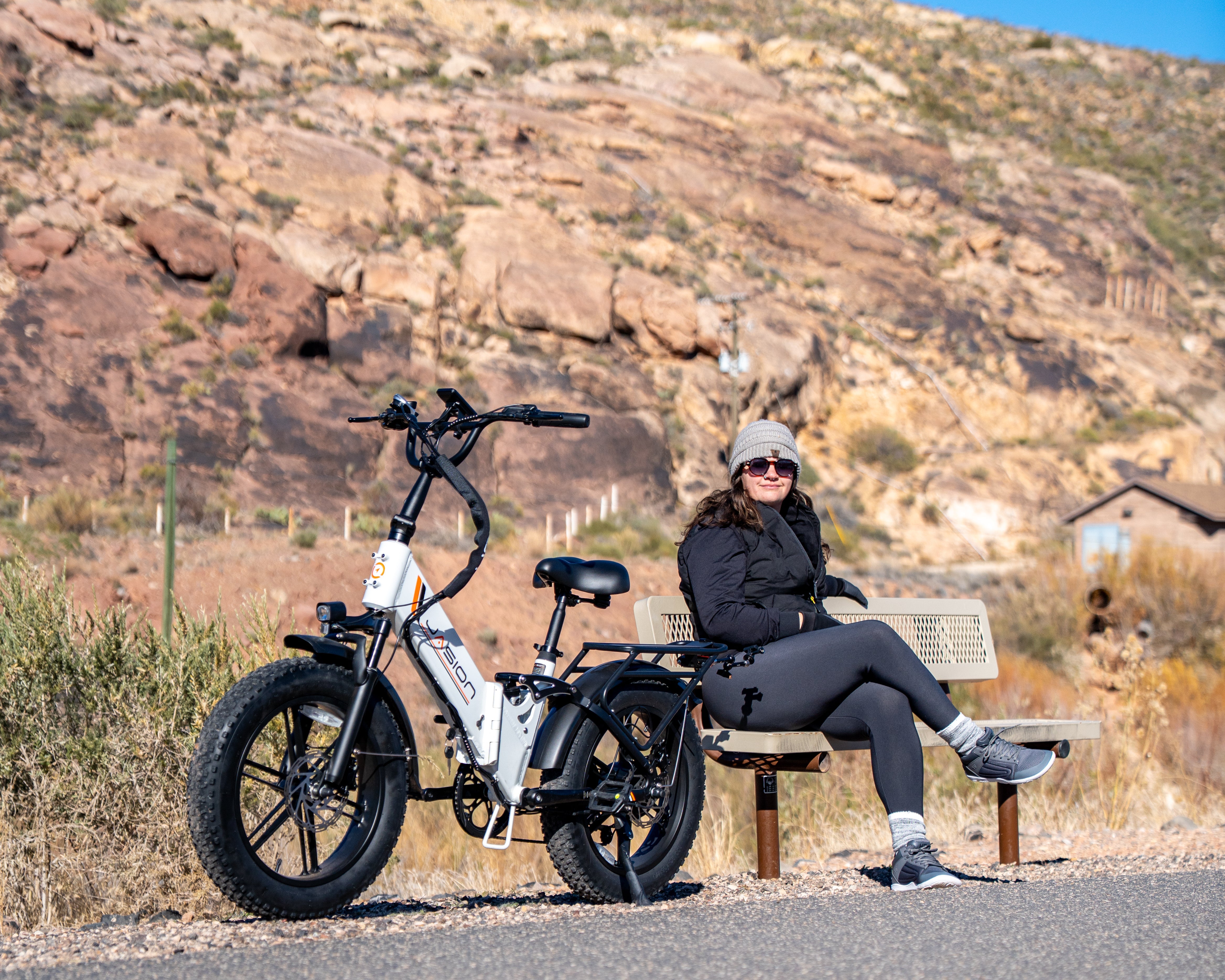
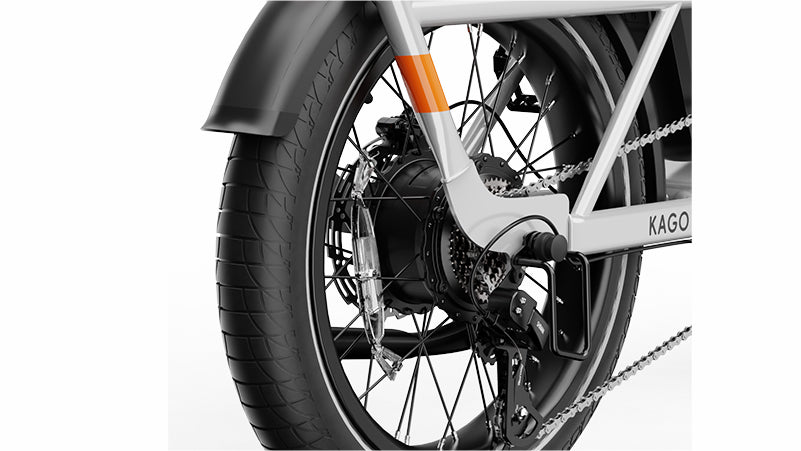
The Jasion Kago Long Range Cargo Ebike takes the compact utility approach. Its step-through frame, 20 x 3-inch tires and extended rear rack create a practical platform for commuting, groceries, work gear and day-trip supplies.
Kago can carry up to 350 lb and uses two removable 52V 20Ah batteries, with a listed range of up to 120 miles. That battery capacity is useful when the day includes several stops or when charging the bike between short trips would be inconvenient. Actual range changes with load, terrain, weather, tire pressure and assistance use.
Hydraulic disc brakes with motor cutoff, front suspension and an open step-through frame support the stop-and-go pattern of everyday errands. Front and rear basket options give smaller items a defined place, while the rear platform leaves room to adapt the setup as carrying needs change.
For a closer look at the bike's controls, equipment and current specifications, read Meet the Jasion Kago Cargo Ebike.
Questions to Ask Before Buying a Utility Ebike
- What do I carry in a normal week? Include bags, equipment, groceries, accessories and any passenger setup.
- Can the load be organized? A useful rack still needs baskets, panniers or restraints suited to the items.
- Will the bike fit my route and storage space? Check hills, surface conditions, doors, parking and transport racks.
- Can I charge it conveniently? A removable battery helps when the parking location has no outlet.
- Does the bike fit the rider? Confirm the published rider-height range and adjustable contact points.
A good utility bike should remove friction from trips you already make. It needs enough carrying room to be useful, a layout you can handle confidently and a battery setup that fits your routine. Explore the current Jasion cargo ebike collection, or compare other riding styles in the complete electric bike collection.
Frequently Asked Questions
What is a utility ebike?
A utility ebike is an electric bike designed for practical transportation such as commuting, grocery runs, carrying work gear and completing everyday errands. It usually includes a rack or cargo-compatible frame and practical accessory options.
Is a utility ebike the same as a cargo ebike?
The categories overlap. Utility describes the bike's everyday purpose, while cargo describes a carrying-focused frame or setup. A compact cargo ebike can also serve as a utility ebike.
Are utility ebikes good for commuting?
Yes. A utility ebike can carry a work bag, lunch, clothing and small purchases without placing everything on the rider's back. The best setup depends on the commute distance, storage and cargo needs.
What should I look for in a utility ebike?
Check the cargo platform, total payload, battery setup, brakes, frame access, rider fit and compatible baskets or bags. Compare those features against the trips you make regularly.
Is the Jasion Kago a utility ebike?
Yes. Kago is a compact cargo ebike designed for everyday utility, with an extended rear rack, step-through frame, dual removable batteries and room for commuting supplies, groceries and other secured loads.
What size wheels do utility ebikes use?
Utility ebikes use several wheel sizes. Compact cargo models often use smaller wheels to help keep the bike and cargo platform manageable, while other utility bikes use larger wheels. Frame geometry and intended use matter more than wheel size alone.


Share: