
 EU
EU
 UK
UK
 US
US
 CA
CA



California has no shortage of memorable places to ride an ebike. You can follow the Pacific coastline, cruise beside rivers, ride through wine country, or use long paved trails that connect several cities in a single trip.
What makes choosing a route more complicated is that ebike access is not the same everywhere. Rules can change by trail, city, county, park system, and ebike class. That is why this 2026 guide focuses not only on scenery, but also on practical details such as distance, surface, difficulty, and access considerations.
Below are 10 California bike routes worth considering for your next ebike ride.
Quick Comparison of the Best Ebike Trails in California
| Trail | Location | Distance | Surface | Difficulty | Best For |
|---|---|---|---|---|---|
| Jedediah Smith Memorial Trail | Sacramento | 32 miles | Mostly paved | Easy to moderate | Long riverside rides |
| Marvin Braude Bike Trail | Los Angeles County | 22 miles | Paved | Easy | Beach riding |
| Monterey Bay Coastal Recreation Trail | Monterey Bay | About 18 miles | Mostly paved | Easy | Coastal scenery |
| Iron Horse Regional Trail | East Bay | 32 miles | Mostly paved | Easy | Urban and recreational riding |
| Santa Ana River Bikeway | Orange County | About 30 miles in the lower section | Paved | Easy to moderate | Long-distance riding |
| Joe Rodota Trail | Sonoma County | 8.5 miles | Paved | Easy | Wine country and casual rides |
| Los Gatos Creek Trail | Santa Clara County | About 10 miles | Mixed | Easy to moderate | Creekside riding |
| West County Regional Trail | Sonoma County | 5.5 miles | Mostly paved | Easy | Relaxed countryside rides |
| Napa Valley Vine Trail | Napa Valley | Varies by completed section | Mostly paved | Easy | Wine country scenery |
| Bayshore Bikeway | San Diego Bay | 24-mile route | Mixed bikeway and street sections | Easy to moderate | Bay views and sightseeing |

Before You Ride: California Ebike Rules in 2026
Before choosing a trail, make sure you know which class your ebike falls into. Under California's three-class system, a Class 1 ebike provides pedal assistance up to 20 mph, a Class 2 ebike can use throttle assistance up to 20 mph, and a Class 3 ebike provides pedal assistance up to 28 mph.
Those classifications do not mean every ebike can be used on every trail. Local agencies can apply their own access rules, and trails that cross different jurisdictions may have different regulations from one section to another. California State Parks also manages ebike access on a park-by-park basis.
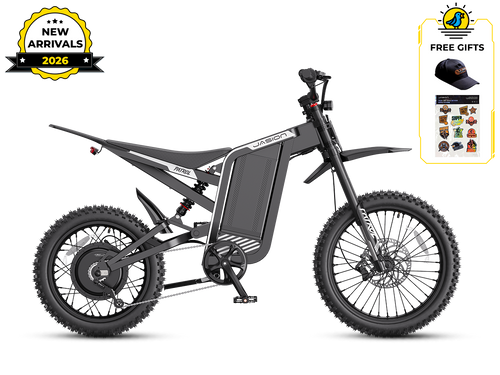
It is also important to distinguish a legal ebike from a faster electric motorcycle or moped. A vehicle that exceeds California's legal ebike speed limits may fall into a different vehicle category and be subject to different licensing and riding requirements.
Before your trip: check the current trail website, look for posted signs at the trailhead, and confirm that your ebike class is allowed on the section you plan to ride.
1. Jedediah Smith Memorial Trail
Location: Sacramento County
Distance: 32 miles
Surface: Mostly paved
Difficulty: Easy to moderate
Best for: Long rides, river views, and riders who want plenty of access points
Often called the American River Bike Trail, the Jedediah Smith Memorial Trail follows the American River from Discovery Park toward the Folsom area. At 32 miles, it is one of the better options on this list for riders who want to turn a casual afternoon trip into a longer day ride.
The route passes parks, picnic areas, river access points, and long stretches away from busy streets. You do not need to ride the entire trail to enjoy it, since there are numerous places to enter and leave the route along the way.
Ebike access note: The route enters the Folsom State Recreation Area near its eastern end, where State Parks rules may apply. Check the regulations for the exact section you plan to ride rather than assuming one rule covers the full 32 miles.
2. Marvin Braude Bike Trail
Location: Los Angeles County
Distance: 22 miles
Surface: Paved
Difficulty: Easy
Best for: Beach views and mostly flat recreational riding
The Marvin Braude Bike Trail is one of Southern California's best-known coastal bike paths. It runs for 22 miles between Will Rogers State Beach and Torrance Beach, passing some of the most recognizable parts of the Los Angeles coastline along the way.
Depending on how much of the trail you ride, you can pass Santa Monica, Venice, Marina del Rey, Dockweiler State Beach, Manhattan Beach, and other coastal communities. The mostly flat terrain makes it approachable for casual riders, although busy sections can become crowded with cyclists, runners, skaters, and pedestrians.
Ride conservatively around beach entrances and high-traffic areas, especially on weekends. Because different sections of the route are managed by different local agencies, check current ebike rules for the part of the trail you plan to use.
3. Monterey Bay Coastal Recreation Trail
Location: Monterey Bay
Distance: About 18 miles, depending on the section
Surface: Mostly paved
Difficulty: Easy
Best for: Ocean views, sightseeing, and relaxed rides
The Monterey Bay Coastal Recreation Trail is a good choice for riders who want to combine an ebike trip with sightseeing. The coastal corridor connects communities around Monterey Bay and passes waterfront areas near Fisherman's Wharf, Cannery Row, and Pacific Grove.

This is not a route where you need to focus on covering as many miles as possible. Some of the best sections are also the busiest, so expect to slow down around pedestrians and popular attractions.
Within the City of Monterey, all three classes of electric bicycles that meet California's legal definition are permitted on Class I multiuse paths such as the Monterey Recreation Trail. Rules can differ once you leave the city, so check local regulations when extending your ride into neighboring communities.
4. Iron Horse Regional Trail
Location: Alameda and Contra Costa counties
Distance: 32 miles
Surface: Mostly paved
Difficulty: Easy
Best for: Long, relatively flat rides and car-free regional connections
The Iron Horse Regional Trail follows a former railroad corridor through several East Bay communities, including areas around Concord, Walnut Creek, Danville, San Ramon, Dublin, and Pleasanton.
Unlike a remote wilderness trail, this route mixes recreation with everyday transportation. Riders can pass parks, residential neighborhoods, town centers, shops, and public transit connections during the same trip. The mostly flat profile also makes longer distances manageable for riders who are still getting used to their ebike.
Ebikes are allowed on the Iron Horse Regional Trail. Before planning a full-length ride, check the East Bay Regional Park District's current closure and maintenance notices, since construction work can occasionally affect individual sections.
5. Santa Ana River Bikeway
Location: Orange County and the Inland Empire
Distance: About 30 miles in the lower Orange County section, with additional sections farther inland
Surface: Paved in the main bikeway sections
Difficulty: Easy to moderate
Best for: Longer rides and riders who prefer fewer street crossings
The Santa Ana River Bikeway is one of Southern California's major regional cycling corridors. The lower portion runs through Orange County toward the coast, while other sections continue farther inland as part of the larger Santa Ana River Trail system.
The scenery changes considerably depending on where you start. Some stretches feel distinctly urban, while others provide more open views along the river corridor. Because the route can support longer rides, it is worth planning your turnaround point in advance and making sure your battery range comfortably covers the distance.
OC Parks permits Class 1 and Class 2 ebikes on designated paved regional bikeways, including the Santa Ana River Bikeway. Other jurisdictions along the larger trail system may apply different rules.
6. Joe Rodota Trail
Location: Sonoma County
Distance: 8.5 miles
Surface: Paved
Difficulty: Easy
Best for: Shorter rides between Santa Rosa and Sebastopol
The Joe Rodota Trail is an 8.5-mile paved route linking Santa Rosa and Sebastopol. It follows a former railroad corridor and provides a largely off-road connection between the two communities.
The route is a practical choice for riders who want a manageable ride rather than an all-day trip. Rural sections offer views of farmland and the surrounding Sonoma County landscape, and the trail can also be combined with nearby routes for a longer outing.
Sonoma County Regional Parks allows Class 1 ebikes where conventional bicycles are permitted unless otherwise posted. Check current trail conditions before leaving, particularly after storms or maintenance work.
7. Los Gatos Creek Trail
Location: San José, Campbell, and Los Gatos
Distance: About 10 miles for the main corridor
Surface: Paved and unpaved sections
Difficulty: Easy to moderate
Best for: Creekside scenery and shorter urban rides
The Los Gatos Creek Trail connects several communities in Santa Clara County and follows the creek through parks, neighborhoods, and areas around Vasona Lake. Riders can choose shorter sections near Campbell and Los Gatos or continue toward Lexington Reservoir for a longer trip.
One important detail is that the trail is not managed by a single agency. Different sections fall under Santa Clara County, the City of Campbell, the Town of Los Gatos, and the City of San José.
Because of that, ebike rules should be checked for the specific section you plan to ride. The surface also changes along the route, so a rider covering the full corridor should be prepared for conditions that are less uniform than a fully paved coastal bike path.
8. West County Regional Trail
Location: Sonoma County
Distance: 5.5 miles
Surface: Mostly paved
Difficulty: Easy
Best for: Casual countryside rides
The West County Regional Trail links Sebastopol, Graton, and Forestville through a quieter part of Sonoma County. At about 5.5 miles, it works well for an easy morning or afternoon ride without requiring the planning of a much longer regional trail.
The route passes through a mix of small communities and rural scenery, making it a good alternative for riders who prefer a slower trip away from busy coastal boardwalks.
Class 1 ebikes are generally allowed in Sonoma County Regional Parks wherever conventional bicycles are permitted unless signs indicate otherwise.
9. Napa Valley Vine Trail
Location: Napa Valley
Distance: Varies by completed section
Surface: Mostly paved multiuse trail
Difficulty: Easy
Best for: Wine country scenery and relaxed day trips
The Napa Valley Vine Trail is being developed as a 47-mile multiuse trail network designed to connect communities through Napa Valley and provide an alternative to riding directly alongside busy traffic.
Because the full network is being built in stages, trip planning matters here. Check the current Vine Trail map before leaving and choose a completed section that matches the distance you want to ride.
The appeal is less about technical riding and more about the setting. This is a route for taking your time, stopping along the way, and exploring Napa Valley at a pace that is difficult to experience from a car.
Ebike riders should check current rules for the specific completed segment they plan to use, since the network passes through different communities and jurisdictions.
10. Bayshore Bikeway
Location: San Diego Bay
Distance: 24-mile route
Surface: Dedicated bikeway and on-street sections
Difficulty: Easy to moderate
Best for: Bay views, sightseeing, and longer urban rides
The Bayshore Bikeway offers a different type of California ebike experience. Rather than following one continuous recreation trail through a park, the route circles San Diego Bay and connects waterfront destinations in several communities.
Sections of the route provide separated cycling infrastructure, while others involve streets and intersections. Riders should be comfortable following a map and riding around city traffic before attempting the complete route.
The reward is variety. A longer trip can include views of the San Diego skyline, Coronado, the South Bay, and several waterfront communities.
Since the route crosses multiple jurisdictions and regional bikeway projects continue to develop, check the latest regional bike map and local ebike regulations before your ride.
Which California Ebike Trail Is Right for You?
The best route depends more on how you like to ride than on which trail is the longest.
If you want an easy coastal ride, start with the Marvin Braude Bike Trail or Monterey Bay Coastal Recreation Trail. Both offer scenery without demanding technical terrain.
For a longer day in the saddle, consider the Jedediah Smith Memorial Trail, Iron Horse Regional Trail, or Santa Ana River Bikeway.
For shorter rides with a quieter setting, the Joe Rodota Trail and West County Regional Trail are easier to fit into a half-day trip.
The Napa Valley Vine Trail is better suited to riders who want to combine cycling with a day of exploring, while the Bayshore Bikeway is a good option for riders comfortable navigating a mix of bike paths and urban streets.
Choosing an Ebike for California Trails
For most paved multiuse trails, comfort, predictable handling, and practical range matter more than maximum motor output. An upright riding position can be useful for casual sightseeing, while a larger battery may be more important for riders planning 30- to 60-mile days.
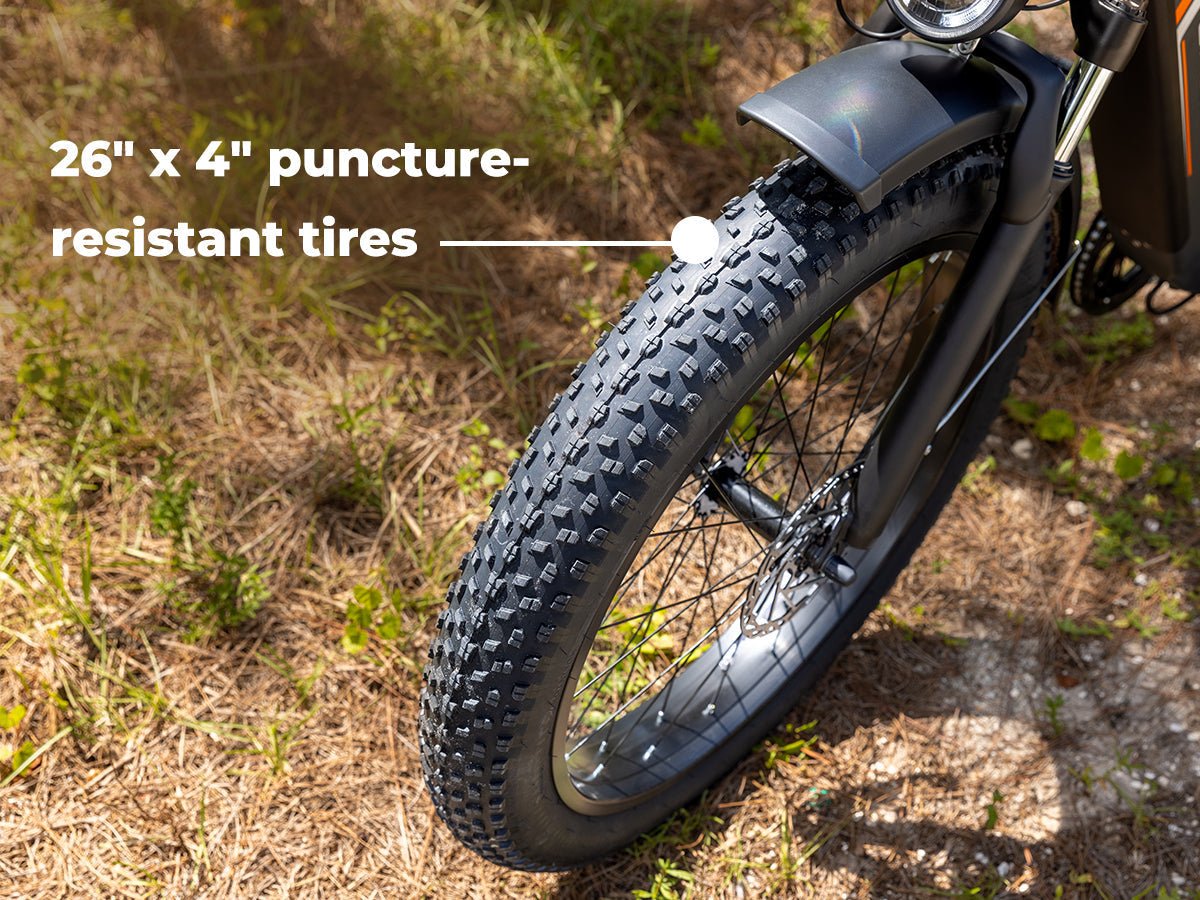
Wider tires and suspension can improve comfort on rough pavement and mixed surfaces, but they are not necessary for every route. For flat coastal paths and urban greenways, a lighter commuter or cruiser-style bike may be easier to handle around pedestrians and frequent stops.
Whatever bike you choose, make sure its legal classification and riding mode comply with the rules of the trail. A model capable of speeds beyond California's legal ebike limits may not be permitted to operate as an ebike on public bike paths.
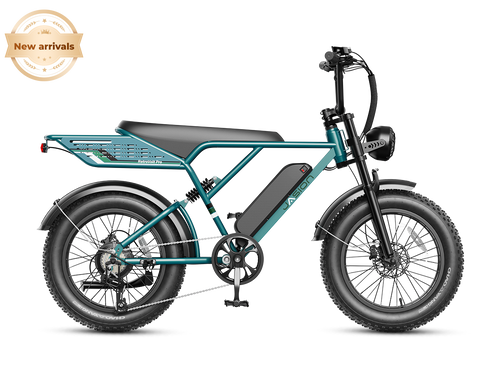
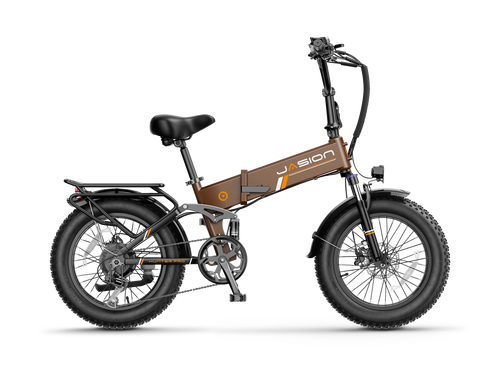
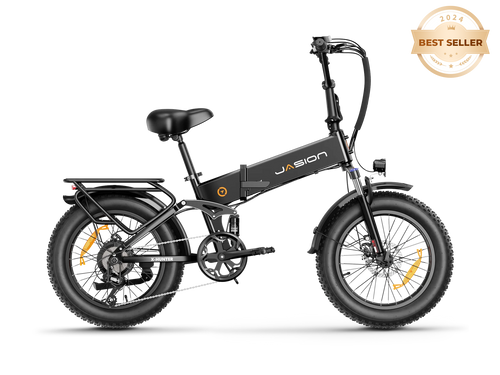
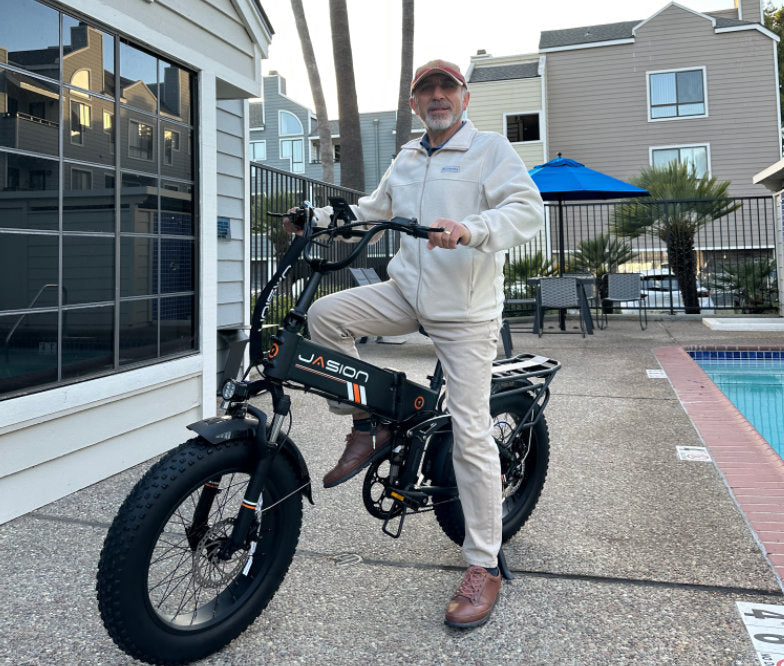
To compare different riding styles and specifications, visit the Jasion ebike comparison page or browse the current Jasion electric bike collection.
Frequently Asked Questions
Are ebikes allowed on bike trails in California?
Many California bike trails allow ebikes, but there is no single access rule covering every trail. The answer depends on the ebike class, trail surface, managing agency, and local regulations. Always check the official rules for the route you plan to ride.
Can Class 2 ebikes ride on California trails?
Class 2 ebikes are permitted on some paved multiuse trails and regional bikeways, but not everywhere. For example, OC Parks allows Class 1 and Class 2 ebikes on designated paved regional bikeways. State parks and other local agencies may follow different rules.
Can Class 3 ebikes use bike paths in California?
Access varies. Some jurisdictions permit Class 3 ebikes on certain multiuse paths, while others restrict them. The City of Monterey, for example, allows all legally defined ebike classes on its Class I multiuse paths, including the Monterey Recreation Trail. Check local rules before riding.
What is the best ebike trail in California for beginners?
The Marvin Braude Bike Trail, Monterey Bay Coastal Recreation Trail, Joe Rodota Trail, and West County Regional Trail are all worth considering for newer riders because they offer relatively approachable terrain. Busy multiuse paths still require careful speed control and awareness around other users.
What are the best coastal ebike trails in California?
The Marvin Braude Bike Trail and Monterey Bay Coastal Recreation Trail are two of the strongest choices for dedicated coastal scenery. The Bayshore Bikeway is another option for riders who prefer a longer urban waterfront route.
Can you ride an ebike in California State Parks?
It depends on the specific park and route. Ebikes are generally permitted on public roadways, while trail and controlled-access road use is subject to individual Superintendent's Orders and park classifications. Check the current rules for the exact state park before visiting.
Final Thoughts
California's best ebike rides are not limited to one type of landscape. A single trip can take you along the ocean, beside a river, through wine country, or between several cities on a regional trail.
The main thing to remember is that access rules are part of planning the ride. Check your ebike class, review the latest trail information, and pay attention to posted signs once you arrive. A little preparation makes it much easier to focus on the reason you came in the first place: enjoying the ride.





Share: