
 EU
EU
 UK
UK
 US
US
 CA
CA



The Jasion X-Hunter is the best hunting ebike under $1000 for most riders. It combines a $799 price with a folding frame, fat tires, and full suspension, leaving room in the budget for a carrier, lock, or cargo bag. The X-Hunter ST is the better choice for easier mounting, while the Hunter Pro adds hydraulic disc brakes and a larger battery.
If hunting is only one of several planned uses, compare the broader range of e bikes for sale before choosing a specialized setup. The ranking below focuses on access-road use, vehicle transport, braking, battery capacity, and documented cargo information—not the largest motor claim.
8 Best Hunting Ebikes Under $1000 in 2026
A hunting ebike should fit the trip before it tries to win a specification contest. This table keeps the comparable facts in one place; the model notes below explain where each package makes practical sense instead of repeating every specification.
| Bike | Checked price | Battery | Frame and tires | Suspension and brakes | Cargo and transport evidence | Best match |
|---|---|---|---|---|---|---|
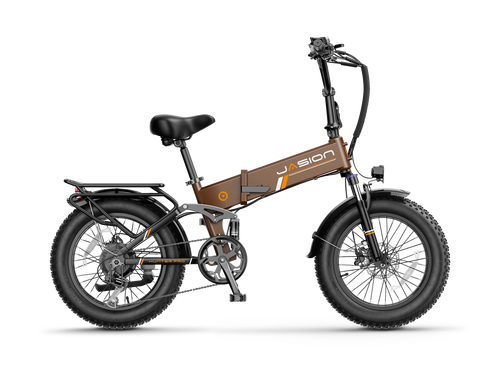
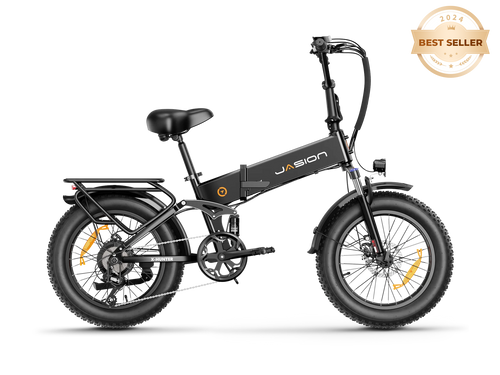
| Jasion X-Hunter | $799 | 48V 13Ah | Folding step-over; 20 × 4 in | Front/rear suspension; mechanical discs | 71 lb; folding frame | Best overall value for vehicle transport |
| Jasion X-Hunter ST | $899 | 48V 13Ah | Folding step-through; 20 × 4 in | Front/rear suspension; hydraulic discs | 71 lb; folding frame | Easy mounting plus full suspension |
| Jasion Hunter Pro | $999 | 48V 15Ah | Folding step-over; 20 × 4 in | Front/rear suspension; hydraulic discs | 82 lb; folding frame | Larger Jasion battery and hydraulic braking |
| Kingbull Hunter 2.0S | $999 | 48V 18Ah | Non-folding; 26 × 4 in | Front suspension; hydraulic discs | Integrated rack rated to 150 lb; bike rated to 400 lb total load | Full-size cargo planning |
| Lectric XP4 | $999 | 48V 10.4Ah / 500Wh | Folding step-over; 20 × 3 in | Front suspension; hydraulic discs, 180mm rotors | Integrated rack rated to 150 lb; folded size 37 × 17 × 29 in | Compact transport with a documented rack |
| Heybike Ranger S 2.0 | $999 | 692Wh | Folding step-through; 20 × 4 in | Front suspension; hydraulic discs | UL 2849 certified; no rack capacity stated on the checked page | Step-through with the largest listed battery among the folding choices |
| Smartravel Explorer DK400 | $669.99 | 48V 18.2Ah | Non-folding moped style; 20 × 4 in | Front/rear suspension; mechanical discs | Rack and fenders included; rack rating not stated clearly | Lowest checked price |
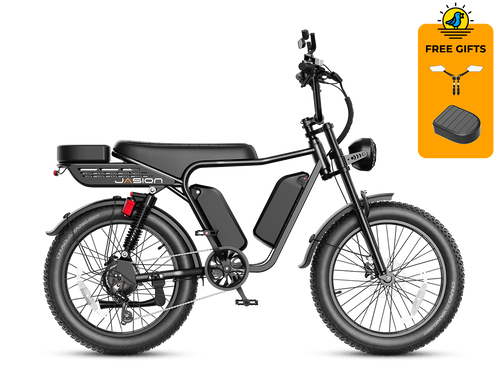
| SAMEBIKE M20 | $999 | 48V 18Ah | Non-folding moped style; 20 × 4 in | Front/rear suspension; hydraulic discs | Transport assembled; no cargo rating used in this comparison | Moped-style seating with hydraulic brakes |
1. Jasion X-Hunter: Best Overall Hunting Ebike Under $1000
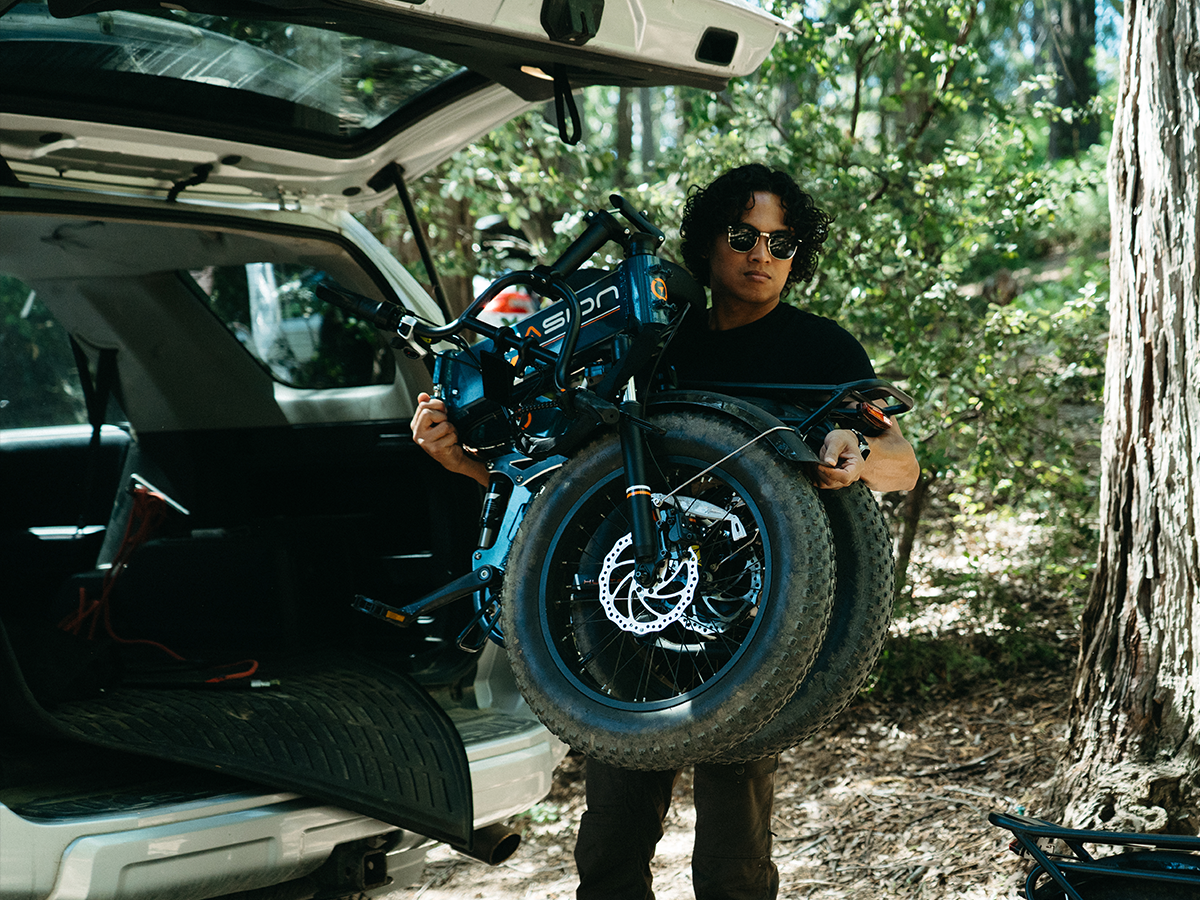
Why it ranks first: The Jasion X-Hunter solves two common budget problems at once: how to fit the bike into a vehicle and how to keep enough money for the rest of the setup. It is the lowest-priced folding model in this group and one of the few that also includes rear suspension.

The practical comparison is with the $999 Lectric XP4 and Ranger S 2.0. X-Hunter gives up hydraulic brakes, a torque sensor, and the larger batteries available on some rivals, but it costs $200 less and has wider tires plus rear suspension. That makes it the strongest value when compact storage and repeated rough-road bumps matter more than premium brake hardware.
2. Jasion X-Hunter ST: Best Step-Through Value
The Jasion X-Hunter ST is not simply the standard bike with a lower top tube. The additional $100 also brings hydraulic disc brakes. That combination is useful for riders making frequent stops in boots or layered clothing, especially when swinging a leg over a loaded rear bag would be awkward.

Ranger S 2.0 is the closest alternative: it has a larger 692Wh battery and UL 2849 certification. X-Hunter ST costs $100 less and adds rear suspension. The decision therefore comes down to which constraint appears on the real trip—battery reserve and certification, or mounting ease, rough-road comfort, and purchase price.
3. Jasion Hunter Pro: Best Jasion Braking Package
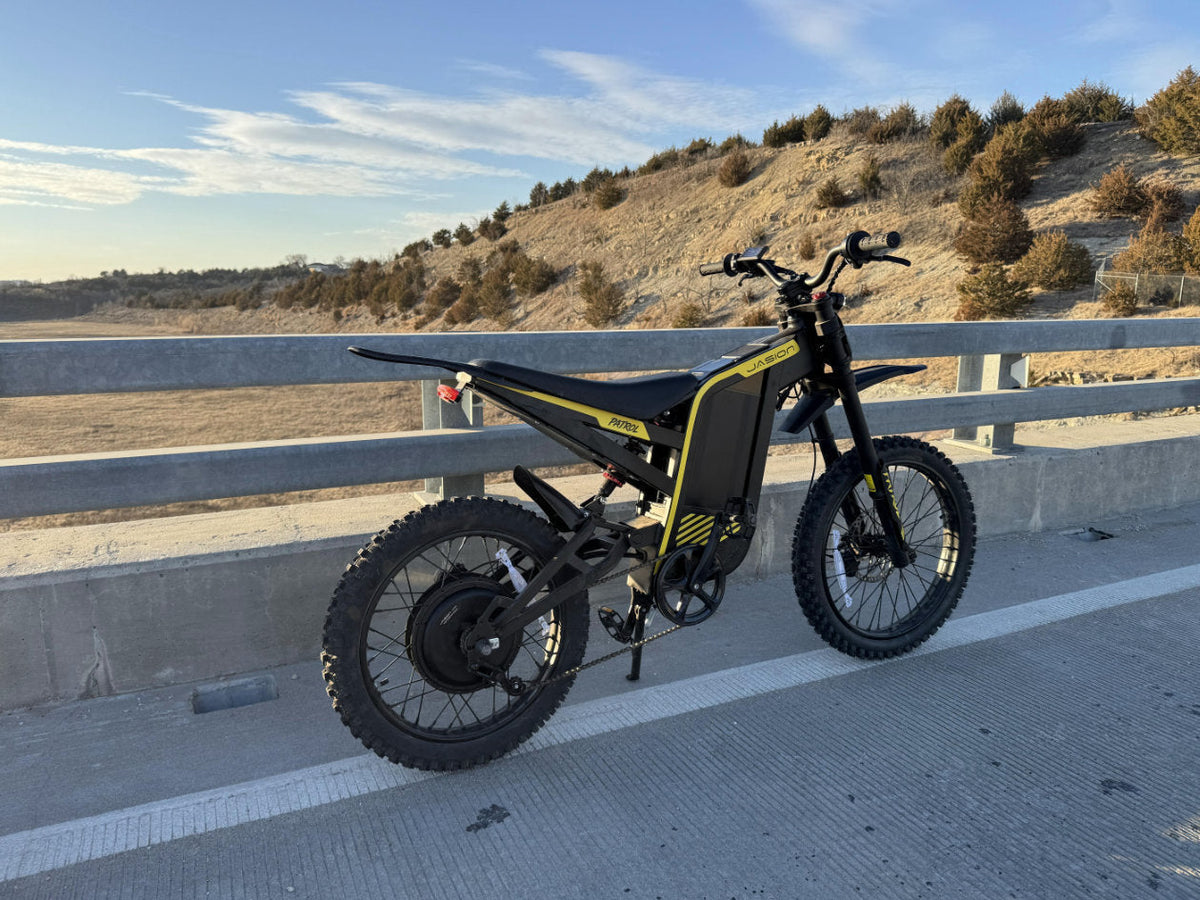
The Jasion Hunter Pro is the step-up choice for a buyer who wants the Jasion folding and full-suspension package but does not want mechanical brakes. Its 48V 15Ah pack equals 720Wh of nominal energy, about 15% more than the 624Wh calculated for either 48V 13Ah X-Hunter pack.

The tradeoff is physical, not hidden: Hunter Pro weighs 82 lb, 11 lb more than either X-Hunter model. Folding reduces the space it occupies; it does not turn it into a light bike. It makes the most sense when the bike can be rolled to the vehicle or lifted by two people and the larger battery and hydraulic braking justify using the full $999 bike budget.
4. Kingbull Hunter 2.0S: Best Full-Size Cargo Platform
Kingbull publishes two numbers that many product pages leave unclear: a 400 lb total load limit and a 150 lb rear-rack rating. That makes the Hunter 2.0S the easiest option here to evaluate when a rack is essential. The limits still have to be used together—a heavy rear load cannot push the complete rider-and-cargo total beyond the bike limit.
Compared with X-Hunter, Kingbull provides full-size wheels, more nominal battery energy, hydraulic brakes, and a rated integrated rack. Jasion costs $200 less, folds, and adds rear suspension. Kingbull is therefore the better-planned cargo platform; X-Hunter is the more flexible answer when the bike must share space inside a vehicle.

5. Lectric XP4: Best Compact Bike With a Rated Rack
Lectric gives buyers unusually usable planning data: a 150 lb integrated-rack rating, 330 lb total payload, and a folded size of 37 × 17 × 29 inches. It also lists UL 2849 certification for the bike and UL 2271 for the battery. These are more useful for checking a vehicle and load plan than an unsupported “adventure ready” label.

The standard $999 XP4 has the smallest battery in this group at 500Wh and uses 3-inch tires with front suspension only. In return, it offers a torque sensor, hydraulic brakes, and well-documented cargo and folded dimensions. Choose it when those verified limits matter more than X-Hunter's lower price, wider tires, and rear shock.
6. Heybike Ranger S 2.0: Best Large-Battery Step-Through
Ranger S 2.0 is the battery-led alternative among the folding step-through models. Its published 692Wh capacity is 68Wh above the calculated 624Wh of X-Hunter ST, and Heybike lists UL 2849 certification. The product page does not give a sufficiently clear rack rating, so no cargo advantage is inferred from the presence of a rear platform.
The comparison with X-Hunter ST is clean: Ranger prioritizes battery capacity and certification; the Jasion costs $100 less and adds rear suspension. Neither difference guarantees a longer or smoother trip by itself, but each gives the buyer a defensible way to choose.

7. Smartravel Explorer DK400: Best Low-Price Package
At $669.99, Smartravel Explorer DK400 leaves the most money for accessories and has the largest nominal battery figure in the table at 873.6Wh. It also includes a rack and fenders, but the manufacturer does not publish a clear rack load rating, so their presence should not be mistaken for verified hauling capacity.
The low price comes with practical questions: the moped-style frame does not fold, the brakes are mechanical, and the official page mixes DK400 and DK401 wording. We therefore use only the specifications that remain consistent and treat this as a low-entry-price option for buyers who can transport the complete bike assembled.

8. SAMEBIKE M20: Best Moped-Style Option
SAMEBIKE M20 is the relevant choice for a buyer who specifically wants a long moped-style seat with hydraulic brakes and full suspension. Its 48V 18Ah battery calculates to 864Wh, but SAMEBIKE publishes conflicting range figures, so those figures are not used to predict how far it will travel.
Hunter Pro costs the same and gives up some nominal battery energy, but it folds and uses a height-adjustable bicycle saddle. The M20 is the style-led choice when its fixed seating position fits the rider and the complete bike can be transported assembled; Hunter Pro is the more adaptable fit-and-storage package.

Three Checks That Make the Specifications Useful
1. Convert Every Battery to Watt-Hours
When a product page gives volts and amp-hours but not watt-hours, multiply them: volts × amp-hours = nominal watt-hours. That puts the packs in this list on a common scale: 624Wh for X-Hunter and X-Hunter ST, 720Wh for Hunter Pro, 864Wh for Kingbull and SAMEBIKE, 500Wh for Lectric, 692Wh for Ranger S 2.0, and 873.6Wh for Smartravel.
Watt-hours compare stored energy, not tested range. Hills, speed, throttle use, temperature, surface, tire pressure, rider weight, and cargo all change consumption. Use the number to compare battery size, then plan the actual route with a return reserve.
2. Build a Load Budget
Write down rider + clothing + lock + rack or basket + bags + gear. The sum must stay within the bike's total load limit, while the items on the rack must also stay within the rack's separate limit. A 150 lb rack rating does not add 150 lb to the bike's total payload, and an unrated rack should not be assigned a capacity based on appearance.
This is why Kingbull and Lectric receive cargo recognition here: both publish rack-specific and total-load figures. Other bikes may accept useful accessories, but missing evidence is not converted into an assumed capacity.
3. Measure the Transport Job
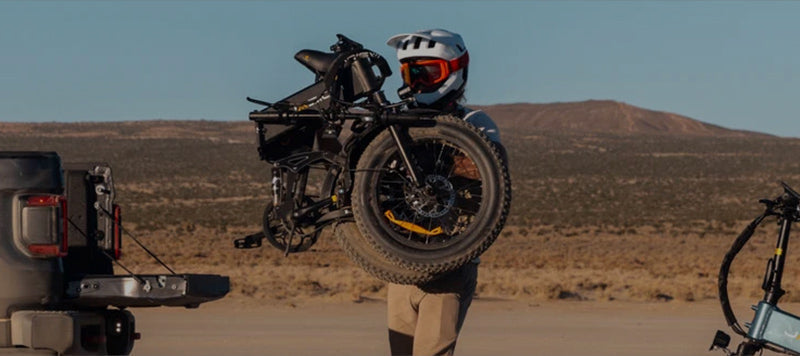
A folding electric bike is easier to fit into many vehicles, but folding does not mean light. X-Hunter and X-Hunter ST each weigh 71 lb; Hunter Pro weighs 82 lb. Lectric lists 62 lb without the battery and a 7 lb battery, or about 69 lb together. Measure the cargo opening, protect the controls while folded, and decide who will lift the bike before buying it.
What to Look For in a Budget Hunting Ebike
Start With the Round Trip, Not the Advertised Range
Trace the actual distance, elevation, surface, temperature, and likely load. Cold weather, hills, soft ground, throttle use, low tire pressure, and added weight can all reduce range. Build in a return reserve instead of planning to arrive with an empty battery. If the return leg climbs or carries more weight, it deserves the larger share of the battery budget.
Match Tires and Suspension to the Access Road
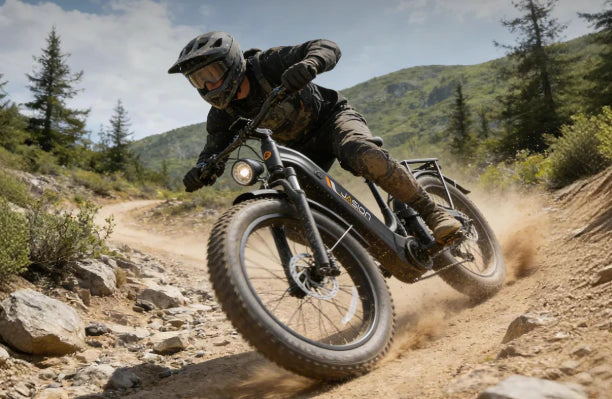
Four-inch tires add flotation and cushioning on loose ground. A 26-inch wheel rolls through larger irregularities more easily, while a 20-inch wheel keeps many folding bikes compact. Rear suspension improves comfort on repeated bumps, but a rigid rear frame can offer simpler rack integration. Riders who regularly cross sand, loose gravel, or broken access roads can compare a fat tire ebike with narrower alternatives; tire width should solve a real surface problem rather than serve as a substitute for route judgment.
Separate Bike Load, Rack Load, and Bag Load
These are three different limits. The bike's total load covers rider and cargo; the rear rack has its own capacity; a basket or bag may have another. The lowest applicable number controls that part of the setup. Keep straps and loose fabric away from wheels, brakes, chain, and suspension.
Check the Brake Type and Service Path
Hydraulic disc brakes generally offer lighter lever effort and automatic pad-wear compensation. Mechanical disc brakes are simpler and can still work well when correctly adjusted. In either case, confirm replacement pads, tires, tubes, charger support, and local service options before relying on the bike away from home.
For a deeper route-and-terrain checklist, read our hunting ebike selection guide. Our Jasion ebikes under $1,000 guide covers commuting and everyday uses beyond hunting access.
When It Is Worth Spending More Than $1,000
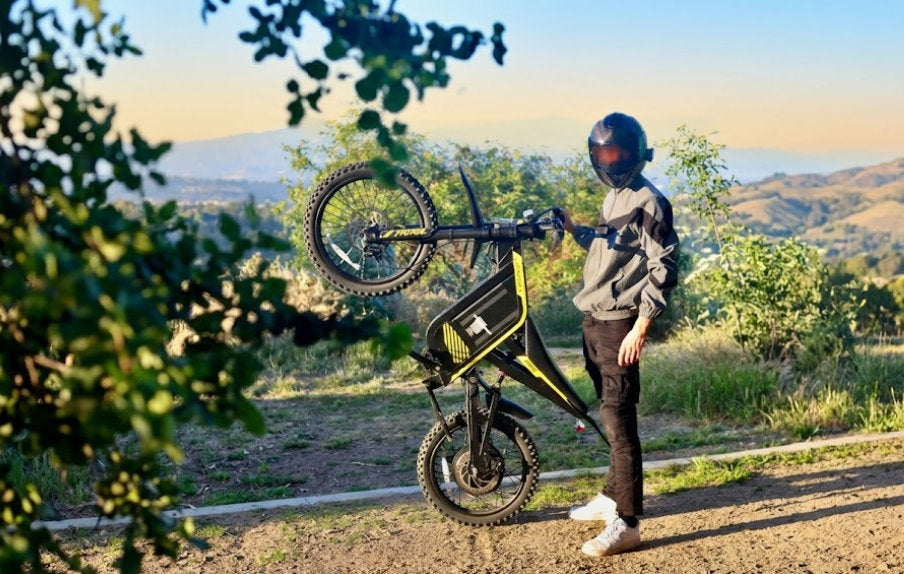
The Jasion Thunder Pro and Thunder Pro ST belong in the hunting conversation even though their $1,099 price keeps them outside this ranking. Both list a 52V 20Ah battery, 26 × 4-inch tires, front and rear suspension, and hydraulic disc brakes. The standard Pro uses a higher top tube; the ST lowers the step-over.

That extra $100 over a $999 bike buys a full-size platform with a larger listed battery while retaining rear suspension and hydraulic brakes. Hunters with longer routes, room to transport a 26-inch bike, or a preference for a full-size frame should compare the upgrade before finalizing a budget choice. Our Thunder Pro feature guide explains the platform in more detail.
Before You Ride Into Hunting Country
Check the land manager's current rules for the exact road or trail, because access can change at a boundary. Test the loaded bike close to home, confirm fasteners and tire pressure, and plan the return with battery reserve, water, lights, a repair kit, and navigation that does not depend on cell service.
Frequently Asked Questions
Can an ebike under $1,000 carry hunting gear?
It can carry gear only within both the bike's total load limit and the rack or basket's separate limit. Add the rider, clothing, lock, accessories, bags, and gear before comparing the result with those ratings. If a manufacturer does not publish a rack capacity, do not estimate one from the rack's size.
Are fat tires necessary for hunting access?
No. Fat tires can add flotation and cushioning on sand, loose gravel, and rough roads, but they also add weight and rolling resistance. A moderately wide tire may be the better choice on firm roads. Match tire width to the actual access surface and keep pressure within the tire and bike manufacturer's guidance.
Is a folding ebike easy to lift into a vehicle?
Not necessarily. Folding reduces the bike's storage dimensions, not its mass. The folding models in this guide range from about 69 lb to 82 lb with the battery. Check the vehicle opening and lift height, remove the battery when the manufacturer permits it, and use two people or a suitable ramp when needed.
How much battery reserve should a hunter plan?
There is no universal percentage because terrain, temperature, assistance level, speed, tire pressure, and load change energy use. Test the loaded route close to home, turn back earlier than the theoretical halfway point when the return leg is harder, and avoid planning to arrive with an empty battery.


Share: