
 EU
EU
 UK
UK
 US
US
 CA
CA



Last reviewed: October 11, 2026. Electric bikes are legal in New York, but the bike must fit the state definition and the rider must follow the rules for the exact location. A qualifying Class 1 or Class 2 ebike—and a qualifying Class 3 ebike in New York City—does not need a driver’s license, DMV registration, or a license plate. Class 3 ebikes are legal only in New York City, and NYC limits the actual riding speed of all three ebike classes to 15 mph on city streets.
2026 update: New York’s July 31 consumer alert reinforced the existing class, power, and labeling rules; it did not announce a statewide ebike ban. The additional Class 3 and delivery-service measures publicized by the NYC Council on September 30 were still proposals as of this review.

New York Ebike Laws at a Glance
| Question | New York State outside NYC | New York City |
|---|---|---|
| Legal classes | Class 1 and Class 2 | Class 1, Class 2, and New York Class 3 |
| Motor-assisted limit | 20 mph for Class 1 and Class 2 | 20 mph for Class 1 and Class 2; 25 mph for Class 3 |
| Actual riding speed | Subject to class limits, traffic law, posted limits, and local rules | No more than 15 mph on city streets |
| Minimum operator age | 16 | 16 |
| License and DMV registration | Not required for a qualifying ebike | Not required for a qualifying ebike |
| Sidewalk riding | Not allowed unless a local law authorizes it | Not allowed |
These class limits come from New York’s electric-bicycle definition. Vehicle and Traffic Law Section 1242 covers age, road and sidewalk use, labels, and local authority; NYC adds the city rules shown in the right-hand column.
What Counts as a Legal Electric Bike in New York?
New York does not classify a vehicle by appearance or product name alone. A bicycle with electric assist must be no more than 36 inches wide, have operable pedals, use an electric motor rated at less than 750 watts, meet federal bicycle equipment requirements, and fit one of the state’s three classes.
| New York class | How the motor works | Assistance must stop | Where recognized |
|---|---|---|---|
| Class 1 | Assists only while the rider pedals | At 20 mph | New York State and NYC |
| Class 2 | May propel the bike without pedaling | At 20 mph | New York State and NYC |
| Class 3 | May propel the bike without pedaling | At 25 mph | Only in a city with at least one million residents—currently NYC |
New York’s Class 3 is different from the 28 mph pedal-assist class used in many states. Here it is a throttle-capable class with a 25 mph assistance cutoff, recognized only in NYC. Use the table above for New York trips; our Class 1, Class 2, and Class 3 ebike guide is useful when comparing the broader US system.
For public-street use, the bike must carry a permanent manufacturer label showing its class, maximum motor-assisted speed, and motor wattage. Check that label when choosing a bike for a New York route.
Do You Need a License for an Electric Bike in New York?
No. You do not need a driver’s license to operate a qualifying Class 1 or Class 2 ebike in New York, or a qualifying Class 3 ebike in NYC.
Do You Need to Register an Ebike with the DMV?
No. New York DMV does not register a qualifying bicycle with electric assist, so it does not need a license plate or VIN either. If a vehicle exceeds the state’s ebike power or assisted-speed limits, it may fall into a different vehicle category with different licensing, registration, or insurance requirements. The class label is the quickest place to verify which rules apply.
For rules beyond New York, see our state-by-state guide to electric bike license requirements.
New York Age and Helmet Rules
You must be at least 16 years old to operate an ebike in New York. Every Class 3 rider must wear a helmet. State law does not set the same all-rider helmet requirement for ordinary Class 1 or Class 2 use, although a local rule, employer, or rental operator may require one.
In NYC, people using a Class 1 or Class 2 ebike for commercial work must wear a helmet and follow additional commercial-bicycle requirements, including identification, reflective apparel, and safety training rules. For every rider, a properly fitted helmet is still the practical choice in traffic. Our ebike safety gear guide covers fit, visibility, gloves, and other everyday equipment.
What Is the Ebike Speed Limit in NYC?
NYC DOT sets a 15 mph riding limit on city streets for Class 1, Class 2, and Class 3 ebikes. This is different from the speed used to classify the bike.
- Class 1 and Class 2: the motor may assist up to 20 mph, but the rider must stay at or below 15 mph on NYC streets.
- New York Class 3: the motor may assist up to 25 mph, but the same 15 mph NYC street-riding limit applies.
Outside NYC, Class 1 and Class 2 motor assistance must stop at 20 mph. Posted traffic limits and any stricter local rule still apply.
Where Can You Ride an Ebike in New York?
Roads and bike lanes
New York allows a bicycle with electric assist on highways with a posted speed limit of 30 mph or less, including designated bicycle lanes. Local governments may further regulate when, where, and how ebikes are used. In NYC, all three recognized classes may use eligible streets and bike lanes, subject to the 15 mph riding limit and ordinary traffic rules. If the bike will be left at a station, office, or store, our guide to locking an ebike properly explains lock type and placement for city stops.
Sidewalks
Do not ride an ebike on a sidewalk unless the local government has expressly authorized it. NYC tells ebike riders to stay off sidewalks. When a route pushes you onto a pedestrian-only area, dismount and walk the bike.
Bridges, park drives, and greenways in NYC
NYC DOT allows ebikes on bridge bike lanes. Its current guidance also points riders to the NYC Parks program allowing ebikes and stand-up scooters on park drives and greenways. Use the marked bicycle route, follow posted signs, and check for construction or temporary restrictions before a trip.
Trails and public land outside NYC
Trail access is not automatic just because an ebike is street legal. New York law lets a state agency or local government designate public land for ebike travel and set conditions such as eligible trails and hours. Check the managing agency’s current page and the trailhead signs rather than relying on a statewide yes-or-no answer.
Required Equipment and NYC Battery Rules
New York bicycle equipment law requires a brake capable of skidding the braked wheels on dry, level, clean pavement and a bell or other warning device audible from at least 100 feet. From one-half hour after sunset to one-half hour before sunrise, the bike needs a white front light visible from at least 500 feet and a red or amber rear light visible from at least 300 feet, along with the required reflective equipment. When comparing bikes, our hydraulic vs. mechanical disc brake guide explains how each system feels and what maintenance it needs.
NYC also regulates the sale, lease, and rental of powered mobility devices and batteries. The Department of Consumer and Worker Protection states that powered bicycles must be certified to UL 2849 by an accredited laboratory, and their storage batteries must be certified to UL 2271. Online product listings must show the applicable safety certification.
Certification does not replace day-to-day battery care. Use the charger specified for the bike, keep the charging area clear, and stop using a battery that is swollen, leaking, damaged, unusually hot, or making unusual sounds. Our electric bike battery guide covers charging, storage, and replacement in more detail.
What Changed in 2026?
July 31: New York Restated the Existing Ebike Rules
In a July 31 consumer alert, the Attorney General reminded sellers and buyers that an ebike sold in New York must remain within the state’s class and power limits and carry the required label. The alert distinguished legal ebikes from e-motos, mopeds, and motorcycles, but it did not create a new statewide ban.
September 30: NYC Measures Were Still Proposals
On September 30, the City Council announced 23 micromobility proposals, including ideas involving delivery-service licensing and Class 3 sales or use. The council described them as proposed legislation. Until a measure is enacted and reaches its effective date, riders should follow the current state law, DMV guidance, and NYC DOT rules summarized above.
How to Choose an Ebike for New York
Choose around the route you ride most. NYC streets, suburban roads, and managed trails can apply different access and speed rules to the same bike.
- Confirm the route. Note whether it includes NYC streets, bridges, greenways, or a managed trail.
- Check the class label. Match its wattage and motor-assisted speed to the New York definitions above.
- Choose for daily use. Look for a comfortable frame, dependable brakes, integrated lights, a bell, practical tire width, and a battery you can remove and charge conveniently.
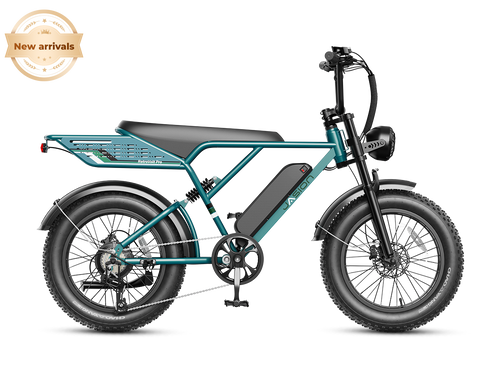
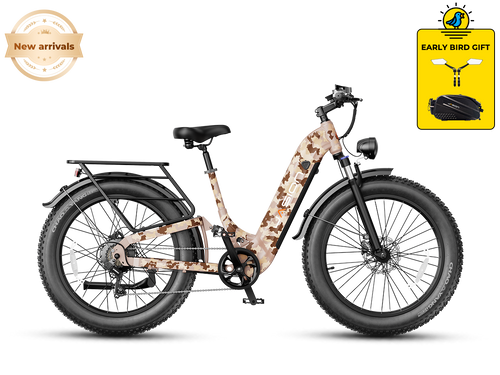
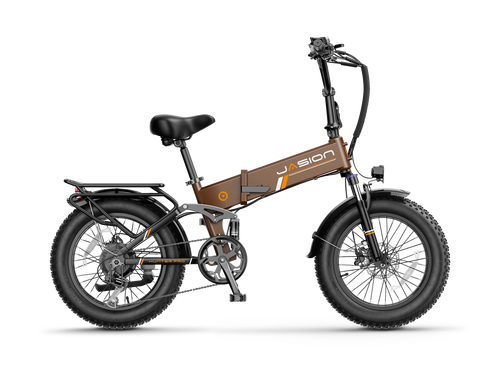
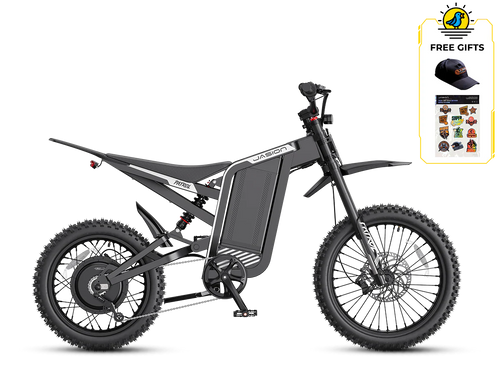
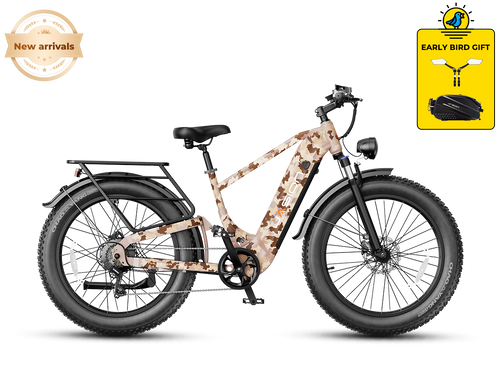
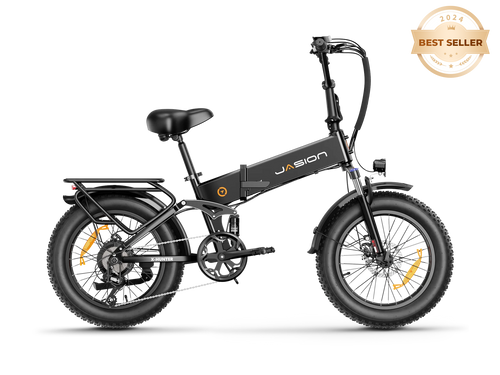
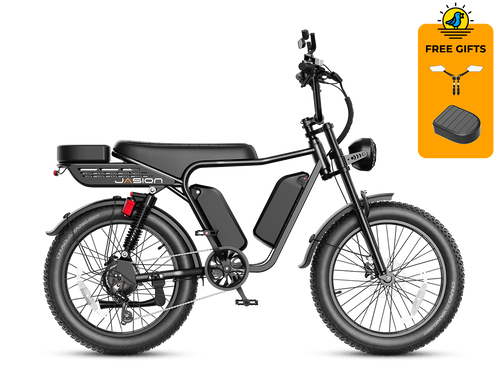
Jasion’s electric bike collection lets you compare frame styles, rider fit, range, braking, storage, and comfort in one place. Use each model’s current specifications and class label to find the configuration that fits your New York route.
New York Ebike Laws FAQ
Are Ebikes Street Legal in New York?
Yes. Class 1 and Class 2 ebikes are street legal when they meet New York’s definition and are used on eligible roads. New York Class 3 ebikes are recognized only in New York City. Local access and operating rules still apply.
Do you need a license for an electric bike in New York?
No. A qualifying New York ebike does not require a driver’s license, DMV registration, license plate, or VIN. A vehicle outside the state’s ebike definition may fall into a category with different requirements.
Are Class 3 ebikes legal in New York?
Yes, but only in New York City. New York Class 3 motor assistance must stop at 25 mph, the operator must be at least 16, and every Class 3 rider must wear a helmet. NYC still limits the actual riding speed to 15 mph on city streets.
What is the ebike speed limit in NYC?
The riding speed limit is 15 mph on New York City streets for Class 1, Class 2, and Class 3 ebikes. The 20 mph and 25 mph figures describe motor-assistance cutoffs, not permission to ride that fast on a city street.
Is there an ebike ban in New York?
No statewide ebike ban is in effect. Qualifying ebikes are legal on eligible roads, although local governments and land managers may restrict particular places. The NYC Council discussed additional proposals in 2026, but a proposal is not the same as an enacted ban.
Can an ebike go 28 mph in New York?
New York does not use the common 28 mph Class 3 definition. Class 1 and Class 2 assistance stops at 20 mph, while the New York Class 3 limit is 25 mph and applies only in NYC. A vehicle that exceeds the applicable boundary should not be assumed to have ordinary ebike access.
Can you ride an ebike on a New York City sidewalk?
No. NYC directs ebike riders to stay off sidewalks. Use eligible streets and bike lanes, and walk the bike through pedestrian-only areas.
Are electric dirt bikes legal on NYC streets?
Street eligibility depends on the vehicle category, not the dirt-bike styling. A model that meets New York’s ebike definition follows the applicable ebike rules. An off-road-only model belongs on private property or a designated riding area unless it qualifies for another road-legal category and meets that category’s registration and equipment requirements.
For more state-specific guidance, browse Jasion’s electric bike safety and law articles.
This article provides general information, not legal advice. State law, local ordinances, agency policies, and trail access can change after the review date. Confirm the current rule for the exact bike and location before riding.


Share: