
 EU
EU
 UK
UK
 US
US
 CA
CA



A hunting ebike is useful only when it fits the ground you ride, the gear you carry, the way you transport it, and the rules that apply where you hunt. A large motor number or an aggressive looking frame cannot answer those questions on its own.
Use this guide to compare the parts of an electric bike for hunting that affect an actual day outdoors: route access, traction, range planning, cargo, braking, storage, and local restrictions. The goal is not to find a one size fits all winner. It is to choose a bike that makes sense for your terrain and routine.
Start With Where You Are Allowed to Ride
Before comparing hunting ebikes, find out which roads, trails, and access areas permit them. Rules can differ between states, counties, wildlife management areas, national forests, private land, and even different trails in the same area. An ebike that is legal on a paved local road may not be allowed on a trail or hunting area.
Check the land manager's current rules as well as state hunting and ebike regulations. Pay attention to vehicle class, motorized access limits, seasonal closures, parking rules, and whether a permit is required. Get permission before using private land. These checks should happen before you choose a model, not after it arrives.
What Makes an Ebike Practical for Hunting?
Most riders are looking for a way to cover an access route with less effort while keeping enough energy and time for the rest of the day. That means the right choice often comes down to four practical questions.
- Can the tires and suspension suit the surface you will actually ride?
- Can the bike carry your normal gear within its stated total load limit?
- Can you complete the out and back route with a realistic battery margin?
- Can you load, store, and secure the bike without creating a problem at home or at the trailhead?
A good hunting ebike does not have to be the biggest or most expensive model. It has to be manageable on your route, within the limits of the land where you ride, and practical to own between trips.
Match the Bike to Your Hunting Route
| Your typical situation | What to compare | Question to answer before buying |
|---|---|---|
| Access roads, packed paths, or campground routes | Local permission, comfortable fit, brakes, and battery margin | Is an ebike permitted for this route, and can I return with power in reserve? |
| Uneven ground on private or permitted land | Tire choice, suspension, braking, frame fit, and low speed control | Does the route match the bike's stated intended use and my riding ability? |
| Long drive to the trailhead | Bike weight, folding method, vehicle capacity, and tie down plan | Can I load and unload the bike safely every trip? |
| Gear for a full day outside | Total payload, rack or basket approval, cargo balance, and weather protection | Does the published load limit cover me, my equipment, and accessories together? |
| Shared paths or narrow access points | Overall width, turning space, speed control, and trail etiquette | Can I ride slowly and pass others responsibly where access is allowed? |

Choose Tires and Suspension for the Surface, Not the Label
Fat tires and suspension are often attractive to people shopping for a hunting ebike because outdoor routes are not always smooth. They can help make rough pavement, loose gravel, and uneven ground more manageable, but they do not turn every surface into a suitable route. Deep mud, wet roots, loose side slopes, and unmaintained trails can still be difficult or unsafe.
Think about the surface you use most often. A wide tire can be useful for mixed conditions, while suspension may improve comfort and control on repeated bumps. Both add considerations such as tire pressure, maintenance, weight, and storage. Your skill and the route's permitted use still matter more than a feature label.
Plan Range for the Return Trip
Range is a planning question, not just a number on a product page. Load, terrain, temperature, tire pressure, assist level, throttle use, stops, and climbing can all change how far an ebike travels on one charge. A route that feels easy on the way out can consume more battery on the return if it is uphill or you are carrying more gear.
Start with your longest realistic out and back distance, then leave a margin for detours, weather, and reduced battery performance. Check whether you can charge the battery where you store the bike and follow the manufacturer's charging instructions. Do not plan a trip around the maximum listed range alone.
Carry Gear Without Exceeding the Load Limit
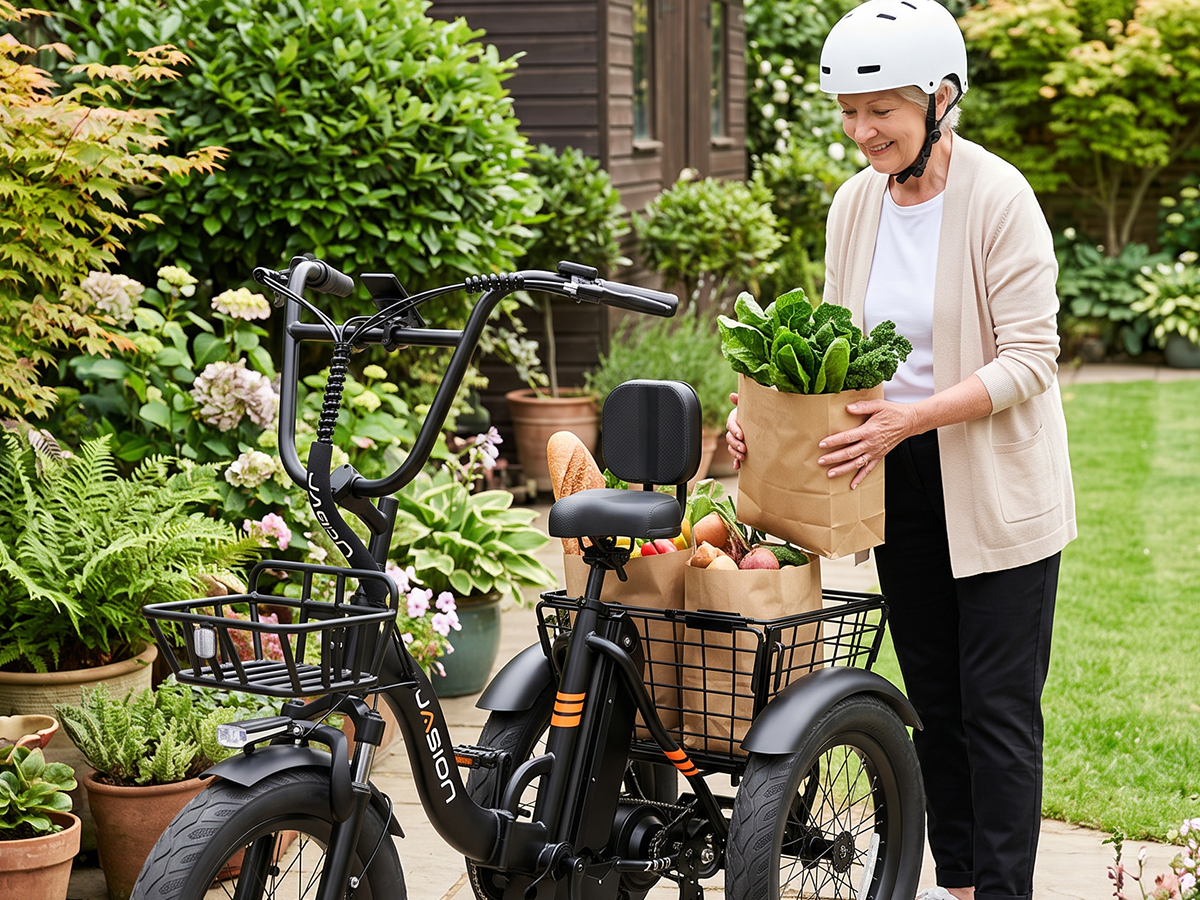
Before buying a rack, trailer, basket, or cargo bag, check the manufacturer's stated total load limit and accessory guidance. The limit may include the rider, the bike's accessories, and cargo together. Keep heavier gear low and secure it so it cannot shift into a wheel, chain, brake, or another rider's path.
Do not assume that a rack is approved for a passenger, a trailer, or every type of load. If you plan to transport harvested game or unusually heavy equipment, confirm the model's load definition, compatible accessories, and the legal transport rules that apply to your area before relying on the bike for that job.
Storage and Transport Can Decide the Right Model
A folding hunting ebike can be useful when it must fit in a vehicle or a tight garage, but folding is not the same as being easy to lift. Measure the vehicle opening, available floor space, and storage route. Account for the bike's weight, the height you need to lift it, and how it will be secured during travel.
If you use a vehicle rack, confirm that it is rated for the bike's weight and tire size. Practice loading before the first trip, not in a dark parking area at the end of the day. A simple, repeatable transport setup often matters more than one additional feature.
Jasion Outdoor Riding Options to Compare
Jasion has several models with outdoor oriented positioning, but the right option depends on the same route, storage, and legal checks above. Use the current product pages to confirm specifications, availability, accessories, and fit before deciding.
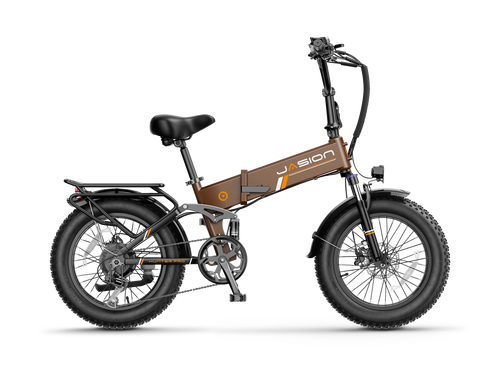
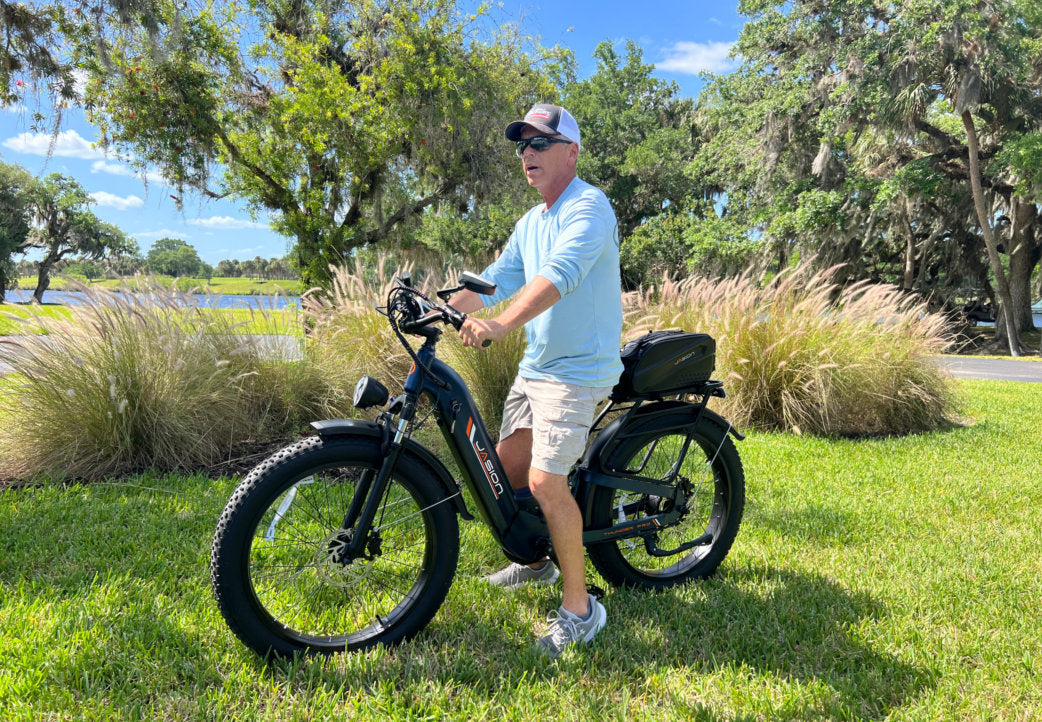
For a compact all terrain folding format: Jasion X-Hunter
The Jasion X-Hunter is presented as an all terrain folding ebike. It is worth comparing when you want an outdoor oriented format and need to consider vehicle or storage space as part of the purchase. Confirm the current product page details and your intended route before treating it as a fit for hunting use.
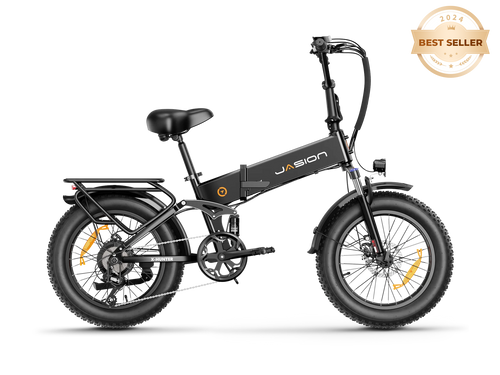
For a folding fat tire option: Jasion Hunter Pro
The Jasion Hunter Pro is presented as a folding fat tire ebike. It can be a useful model to compare if your normal route includes mixed outdoor surfaces and you need a folding format. Review the current specifications, total load limit, and tire setup, then compare them with the ground you ride most often.
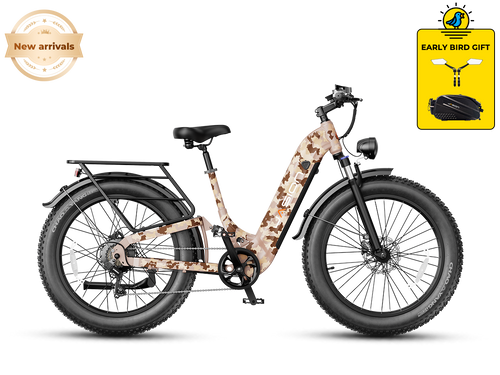
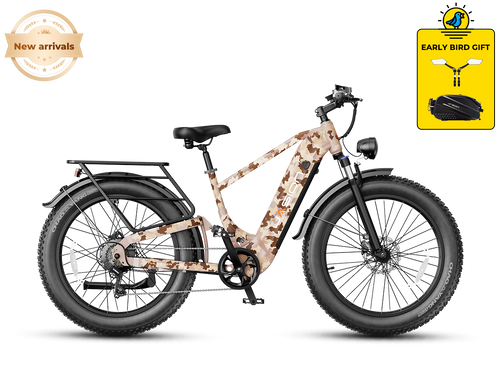
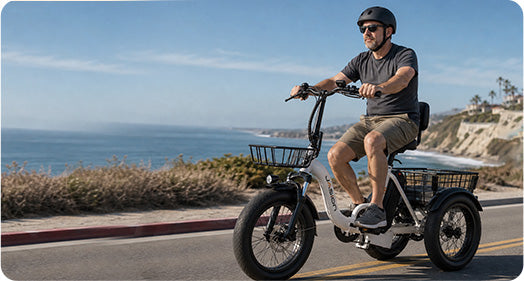
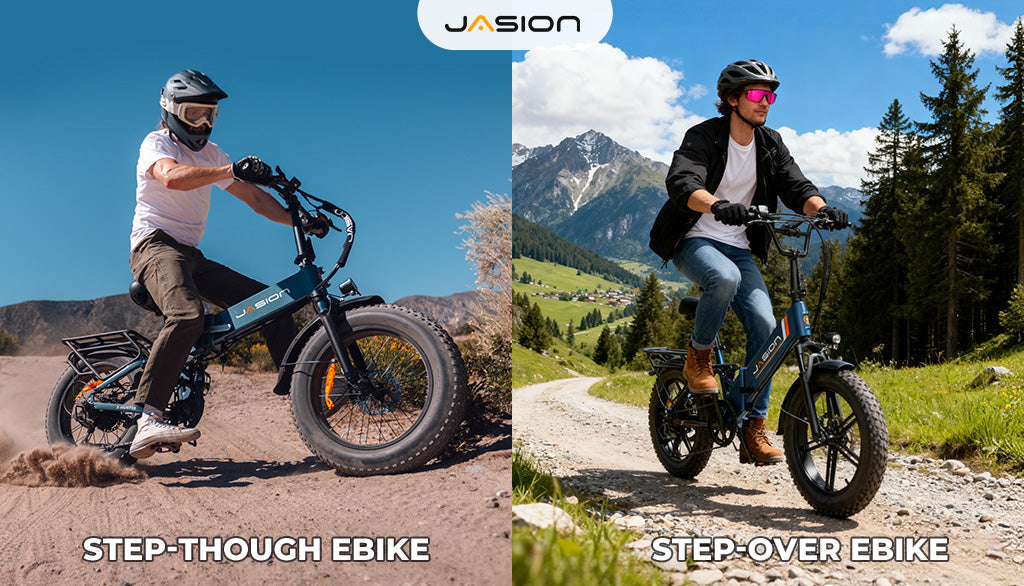
For riders who prefer step through access: Jasion Thunder Pro ST
The Jasion Thunder Pro ST is presented as a step through fat tire ebike. A frame that is easier to step through can matter when you are mounting and dismounting repeatedly or wearing heavier outdoor clothing. Fit, route access, and storage still need to be checked against the current product page and your local conditions.
Explore the Jasion Thunder Pro ST
How to Compare Hunting Ebikes at Different Prices
A lower price can be a good fit when it still covers the route, storage, and gear needs you have today. Do not choose by price alone. Compare the complete ownership picture: brakes, tire setup, battery capacity, compatible accessories, service options, transport equipment, and the cost of anything required to make the bike usable for your routine.
If you are specifically shopping for the best hunting ebike under $1,000, current sale prices can change quickly. Check the live product page on the day you buy, then make the same fit, range, load, and access checks as you would at any other price.
A Field Checklist Before You Buy
- Confirm ebike access rules with the land manager and the relevant state or local authority.
- Map the full out and back route, including steep sections, gates, and areas with limited turning room.
- Estimate the combined rider, gear, and accessory load before comparing published load limits.
- Measure your vehicle, storage space, and any rack before choosing a folding or heavy bike.
- Plan for the return trip with battery margin instead of depending on a maximum listed range.
- Test braking, turning, mounting, and low speed control in a legal open area before a field trip.
Choose for the Whole Trip, Not Just the Ride Out
The best hunting ebike is the one that fits the entire trip: the drive, the loading process, the permitted route, the gear you carry, and the ride back. Start with those practical constraints, compare the current product information carefully, and choose a model that you can use responsibly on every outing.
Frequently Asked Questions
Are hunting ebikes legal where I hunt?
It depends on the state, land manager, and specific road or trail. Check current hunting regulations, ebike classifications, motorized access rules, and private land permission before riding. Rules can differ within the same region.
What should I look for in an ebike for hunting?
Compare route permission, fit, tires, braking, realistic range, total load limit, cargo options, storage, and vehicle transport. The best combination depends on the surface you ride and the gear you need to carry.
Are fat tires good for a hunting ebike?
Fat tires can be useful on some mixed outdoor surfaces, but they do not make every trail appropriate or easy to ride. Choose tires for the ground you actually use, maintain them correctly, and ride only where ebikes are allowed.
How much range do I need for hunting?
Plan around your full out and back distance with reserve power for terrain, load, weather, and detours. Do not rely only on a product's maximum listed range, because real riding conditions can reduce it.
Can I use an ebike to carry hunting gear or game?
Carry gear only within the manufacturer's stated total load limit and accessory guidance. For harvested game or unusually heavy loads, confirm the bike's load definition, compatible cargo equipment, and the transport rules that apply to your area.



Share: