
 EU
EU
 UK
UK
 US
US
 CA
CA



If you’ve ever typed “ebike trails near me” and ended up with 27 open tabs, you’re not alone. Most trail pages are written for hikers, some don’t mention e-bikes at all, and “easy” can mean very different things depending on surface and hills. This is a practical guide to finding e-bike friendly trails near me—without wasting your Saturday.

Ebike Trails Near Me: The Quick Method That Actually Works
Here’s the simplest way to find a ride you’ll enjoy—especially if you’re new to mixed-surface paths or you’re bringing a friend, partner, or family. The goal is to filter for routes that are pleasant, not just “possible.”
1) Start with the right trail type
For a low-stress win, begin with paved greenways, riverside paths, park loops, or rail trails. They’re usually smoother, more predictable, and easier to shorten if the ride runs long. If you want a quieter “hidden gem,” look for firm crushed-gravel rail trails or wide forest roads—still friendly, but with fewer crowds.
2) Use apps that surface real trail intel
Two minutes in the right app can save you a miserable ride. Here are three tools riders use constantly:
AllTrails is great for scanning surface notes and recent reviews (many areas have “ebike allowed” lists). AllTrails e-bike allowed lists can be a helpful starting point, but always verify with the trail manager.
Strava is useful when you want routes that people actually ride; their Maps tab also highlights trail networks by activity type (including gravel and trail options). Strava route discovery overview explains where to find those trail layers.
Trailforks is strong for off-road networks and gravel routes (especially where trail direction and usage patterns matter). Trailforks gravel routes can help you avoid dead-ends and confusing connectors.
3) Do the “three checks” before you commit
Most bad trail days come from skipping one of these:
Surface: Paved and firm crushed gravel are easiest. Loose gravel, sand, and muddy sections require slower speeds and more control.
Grade: Look at the elevation profile. A route can be “easy” yet hide a steep climb that drains battery and patience.
Exits: Favor routes with multiple access points (trailheads, crossings, small towns, parking areas). That’s your built-in Plan B.
Are E-Bikes Allowed on Bike Trails?
This one matters, and it changes by location. Some systems welcome e-bikes; others limit by class; some restrict them entirely on certain surfaces. The safest move is to treat trail access as a manager-by-manager decision.
A fast, low-drama way to verify trail rules
- Identify who manages the trail: city, county, state park, federal land, or a private trail system.
- Check the official rules page: search the site for “e-bike” or “electric bicycle.”
- Confirm at the trailhead: signage can update faster than websites.
- If it’s unclear: pick another route or contact the managing office. Don’t guess.
If you ride on U.S. public lands, these two official references are worth bookmarking: the National Park Service overview of e-bike policy (NPS e-bike guidance) and the Bureau of Land Management e-bike FAQ (BLM e-bike FAQ). For a bigger-picture view of how e-bike classes are handled across the U.S., PeopleForBikes maintains a policy and laws hub: PeopleForBikes e-bike laws & policy.
Beginner-Friendly Trail Picks
If you’re still building confidence, here’s what tends to feel good for most riders—and what tends to feel stressful.
Great first choices
Start with park loops, river paths, paved greenways, or rail trails on firm gravel. Look for fewer road crossings, wide sight lines, and places to stop (bathrooms, benches, water, cafés). If you’re searching for ebike friendly trails near me for families, prioritize picnic spots, playgrounds, and low-traffic access points.
Ride them with a plan
Loose sand, muddy singletrack, crowded mixed-use paths at peak hours, and steep descents can be fun—just not as a first “let’s see how this goes” ride. If you want the remote vibe, pick a wide gravel route with easy access rather than a technical trail that punishes small mistakes.
Trail Etiquette: The Difference Between “Fun” and “Everyone’s Mad”
E-bikes are under more scrutiny on shared paths, and most of the conflict comes down to speed and passing. Ride like you want trails to stay open.
Passing, pacing, and being predictable
Slow down early near walkers, kids, dogs, blind corners, and crowded sections. When you pass, announce clearly, pass wide, and don’t squeeze through tight gaps. A bell helps, but tone and timing matter more than volume.
Low-impact habits that protect trails
Stay on the designated line. Avoid widening trails by riding around puddles or soft edges. If the route is muddy enough to leave deep ruts, it’s often better to choose a different trail that day.
Battery Planning for “Off-Road” Style Routes
Mixed-surface riding can use more battery than a flat paved cruise—climbs, softer surfaces, and frequent acceleration add up. The best strategy is boring (in a good way): ride with margin and keep options open.
A simple range plan you can repeat
Use moderate assist on flats, save higher assist for climbs and headwinds, and plan your first attempt as a shorter version of the route. If your ride includes a long stop (coffee, visitor center, lunch), toss your charger in your bag and top up when you can. For more practical range tips, this guide is worth a read: maximizing e-bike range.
What to Pack for a Trail Day Ride
You don’t need to pack like you’re crossing a desert, but a few small items prevent most “we have to turn back” moments.
The short list
Bring water, a snack, lights (yes, even in daytime), a small lock for stops, and a basic repair kit (multi-tool, tube/patch kit, levers, and a mini pump). Add a lightweight wind/rain layer and a power bank if you’re heading to quieter routes where signal can be patchy.
If You’re Picking a Bike for Trailhead Hopping
Here’s the most honest advice: the “best” trail bike is the one you’ll actually load, store, and ride. If your plan is weekend trailheads and scenic loops, travel-friendly features matter.
Two practical setups for local exploring
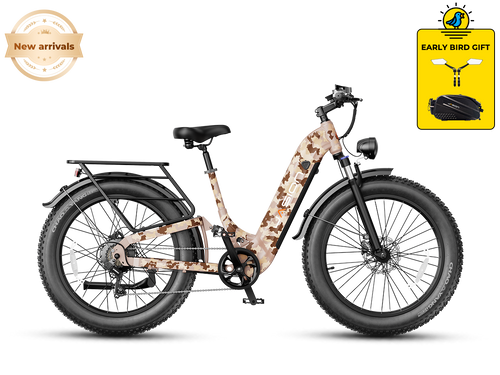
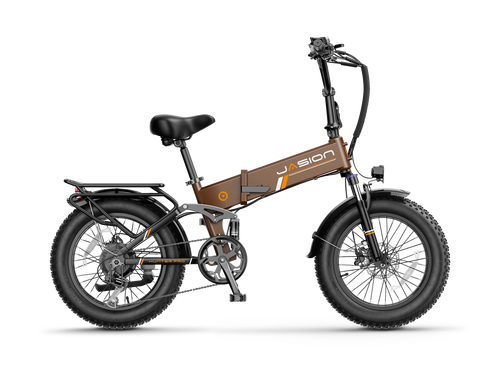
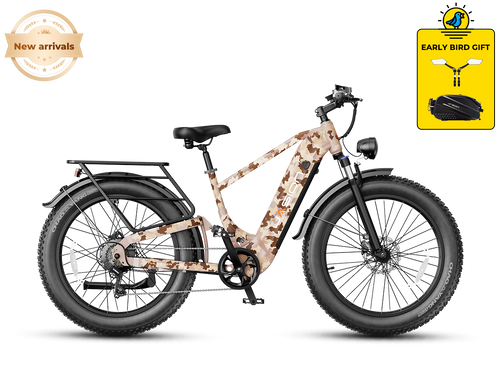
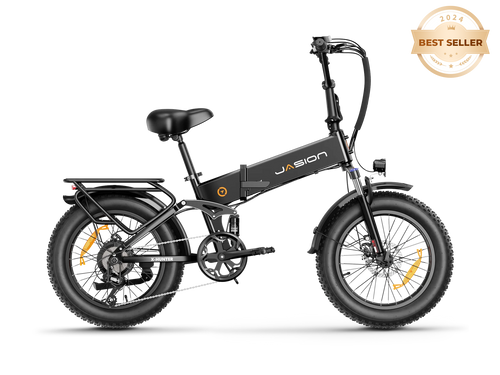
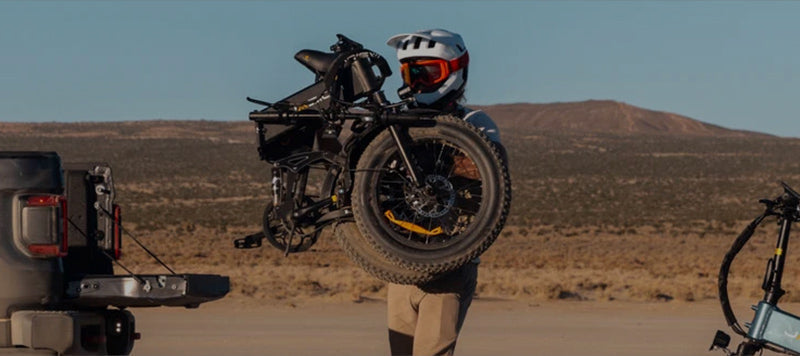
If you like throwing a bike in the car and chasing new routes, a folding option can make life easier. The EB7 2.0 is a convenient choice for trailhead trips and mixed-surface cruising. If you want easier on-and-off for frequent stops and photo breaks, the EB7 ST is a comfortable step-through option.
One small ask: if you find a great trail near you, share it in the comments with the surface type (paved / crushed gravel / mixed) and whether e-bikes are clearly allowed. It helps other riders build a better “local trail radar.”
FAQ: Ebike Trails Near Me
What’s the fastest way to find ebike trails near me?
Start with paved greenways, park loops, river paths, and rail trails, then use an app like AllTrails, Strava, or Trailforks to check surface notes, elevation, and recent updates. Verify access rules on the official trail manager site or trailhead signage.
Are e-bikes allowed on bike trails and rail trails?
Sometimes—rules vary by manager and sometimes by e-bike class. Identify who manages the trail, check their published e-bike policy, and confirm at the trailhead signs before riding.
How do I find beginner-friendly ebike trails near me for families?
Look for wide shared paths or park loops with gentle grades, frequent rest stops (bathrooms, benches), and multiple exits. Picnic areas and low-traffic trailheads make rides smoother with kids.
What should I avoid on my first “off-road” e-bike ride?
Skip loose sand, muddy sections, steep descents, and crowded paths at peak hours. Start on paved or firm crushed-gravel routes, then level up one variable at a time.
Why do some trails restrict e-bikes?
Restrictions are often about safety on shared paths, trail wear on sensitive surfaces, and local policy choices. Good etiquette—especially speed control and respectful passing—helps keep trails open.
Conclusion
The best “ebike trails near me” result isn’t a viral list—it’s a route that matches your surface comfort, your schedule, and the local rules. Start with a beginner-friendly loop, build confidence, and keep your trail manners sharp. You’ll find plenty of quiet, scenic rides close to home.
If you’re planning more local exploring, browse our electric bikes collection and pick a setup that fits how you actually ride—storage, transport, and comfort included.


Share: