
 EU
EU
 UK
UK
 US
US
 CA
CA



A cargo e-bike under $1,500 no longer has to feel like a stripped-down compromise. Several current models offer hydraulic brakes, wide tires, useful racks and enough battery for daily errands. The harder part is seeing what the advertised price actually includes.
One bike may include two batteries, while another reaches its lowest price with a single battery and charges more for the longer-range setup. Payload numbers, accessories and ride feel also vary. We compared four current options using specifications and prices published by each brand, checked on August 27, 2026.
If you are still deciding between cargo-bike formats, start with our guide to compact versus full-size cargo e-bikes. This comparison focuses on complete bike configurations advertised below $1,500 before tax and optional accessories.
Best Cargo E-Bikes Under $1,500 at a Glance
| Model | Price checked | Battery | Advertised range | Max payload | Configuration note |
|---|---|---|---|---|---|
| Jasion Kago | $1,199 | 52V 20Ah × 2 2,080Wh total |
Up to 120 miles | Up to 350 lb | Two batteries included |
| Lectric XPedition2 Single Battery | $1,399 | 48V 13Ah 624Wh |
Up to 60 miles | Up to 450 lb | Single-battery version |
| Heybike Hauler Single Battery | From $1,099 | 48V 18Ah 864Wh |
Up to 55 miles | Up to 440 lb | Starting price; single-battery version |
| HOVSCO HovCart | $1,499 | 48V 15Ah 720Wh |
40–60 miles | Up to 450 lb | Price sits at the $1,500 ceiling |
Prices, configurations and availability can change. Range figures above are manufacturer estimates and are not directly comparable unless the bikes are tested with the same rider, load, terrain, speed and assistance level.
How We Chose These Cargo E-Bikes
This is not a disguised list of the cheapest bikes we could find. Each pick needed a practical cargo platform, a current advertised configuration below $1,500 and enough published information to make a useful comparison. We also looked beyond motor output, since a large wattage number alone does not tell you how a loaded bike will fit, stop or feel at low speed.
The table is designed to reveal differences in the configurations sold at these prices. It is not a ranking of every version each brand offers. In particular, the XPedition2 and Hauler figures shown here apply to their single-battery versions, while Kago includes two batteries in the configuration compared.
Why Kago Stands Out in This Price Range
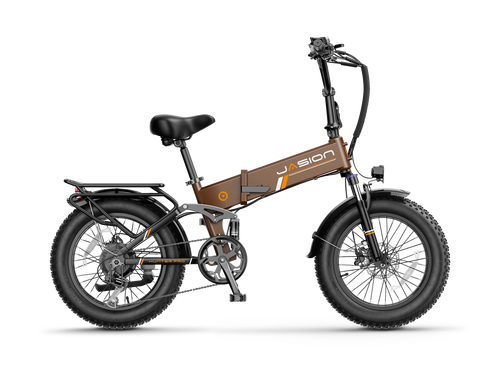
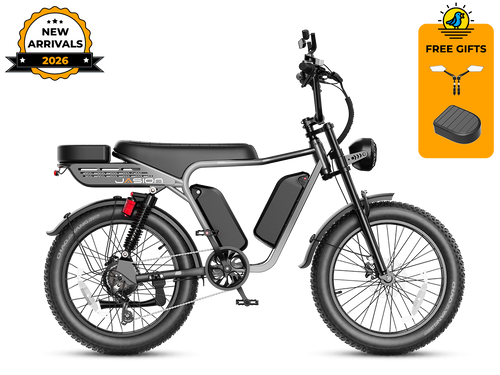
The Jasion Kago stands out because its current $1,199 configuration includes two 52V 20Ah batteries. Together they provide 2,080Wh of published capacity, compared with 624Wh to 864Wh for the single-battery configurations in the table. Jasion lists up to 120 miles of range, giving riders more room for multi-stop errands and less frequent charging.
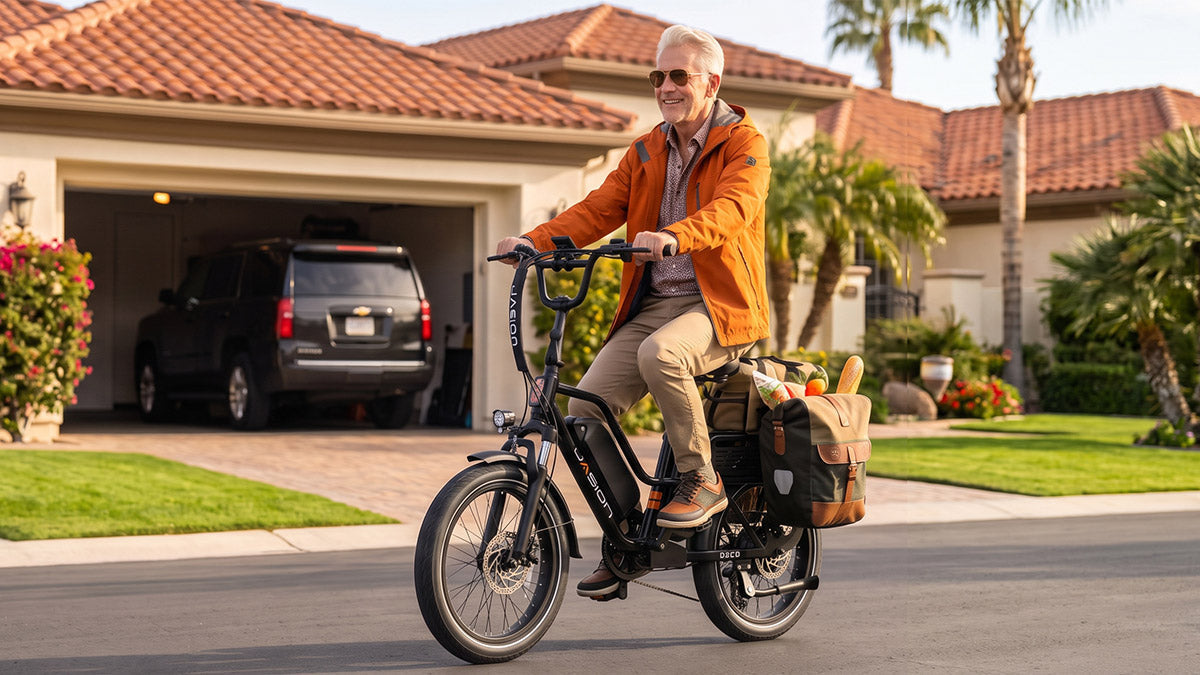
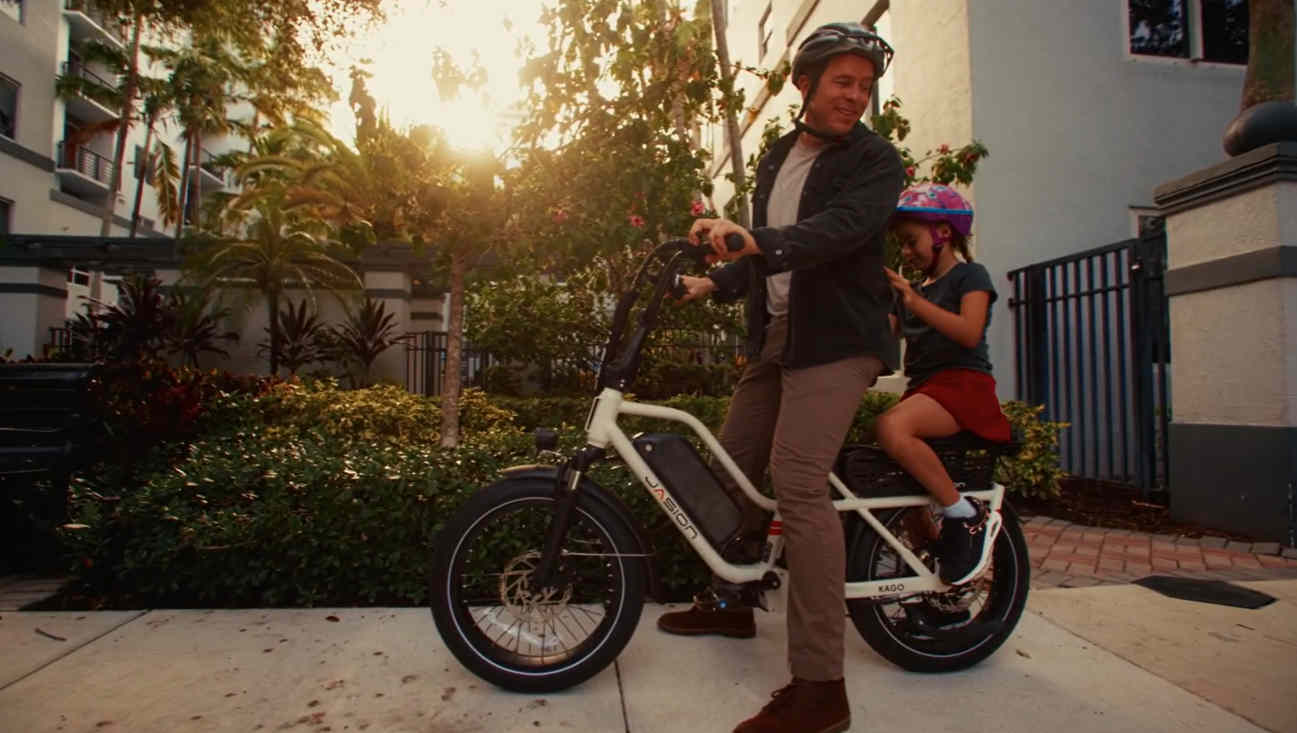
Kago uses 20-by-3-inch tires, hydraulic disc brakes and a front suspension fork. The long rear rack supports grocery runs, school trips and everyday gear, while the low-step frame makes mounting easier when the bike is loaded. Its listed payload is up to 350 lb, and the integrated headlight, brake light and turn signals support regular street use.
Kago weighs 94 lb, a figure worth considering when planning storage. In regular use, its compact 20-inch platform is designed around frequent local trips rather than being carried up stairs. Read the Kago introduction for a closer look at its design and everyday uses.
What the Kago package includes
- You want two batteries included without moving above the $1,500 mark.
- Your routine includes several errands, longer weekend rides or fewer charging stops.
- You prefer a compact 20-inch cargo platform over a longer full-size bike.
What the Comparison Numbers Actually Show
The headline prices are close, but the included energy capacity is not. The XPedition2 entry uses a 624Wh battery, the HovCart lists 720Wh and the Hauler starts with 864Wh. Their brands sell or promote other configurations, but adding battery capacity can change the final price. Kago includes 2,080Wh across two removable batteries in the version shown here.
Payload tells a different story. Some competitors publish higher maximum totals, while Kago supports up to 350 lb. That is enough for many combinations of rider, groceries and everyday gear, but buyers should calculate their own expected load. The useful comparison is not the largest number in one column; it is whether the bike provides the carrying capacity, battery reserve and equipment needed for the trips it will make most often.
All four bikes list hydraulic disc brakes and 20-inch cargo-oriented wheels or tires, so those features do not create much separation in this group. Kago's clearer point of difference is the amount of battery capacity included at its current price, paired with a long rear rack, integrated lighting and a low-step frame.
What Should a $1,500 Cargo E-Bike Include?
Enough battery for your real route
Start with watt-hours rather than the range headline alone. Watt-hours make battery configurations easier to compare: multiply battery voltage by amp-hours. A 48V 15Ah battery, for example, contains 720Wh. Two 52V 20Ah batteries provide 2,080Wh in total.
More capacity usually supports longer riding or more reserve for hills and cargo, but it also adds weight. Weather, tire pressure, rider weight, assistance level and repeated starts can all change real-world range. Our e-bike battery guide explains these factors in more detail.
Brakes suited to added weight
A cargo bike carries more momentum than an unloaded commuter. All four models listed here use hydraulic disc brakes, a useful feature for smoother lever effort and controlled stopping. Good brakes still depend on correct adjustment, healthy pads and sensible speed.
A frame that fits the rider and the parking space
Payload does not tell you whether a bike will feel comfortable at a stop. Check minimum rider height, stand-over access, handlebar reach and overall length. Smaller wheels can keep the cargo platform lower and make a utility bike easier to maneuver, while a longer frame may offer more passenger or cargo space.
A cargo setup that matches the job
A bare rear rack is only the foundation. Groceries need a basket, loose work gear may need a crate or panniers, and carrying a child requires the proper passenger equipment and protective gear. Browse cargo accessories before comparing final costs so you know what the bike needs on day one.
Look Beyond the Sticker Price
The best value is the configuration that completes your routine with the fewest costly additions. Before ordering, add up the bike, required cargo accessories, a suitable lock and any assembly or local service you plan to use. A lower starting price can remain the better deal, but only if the included battery and equipment already meet your needs.
Battery configuration deserves special attention. Kago includes two batteries in the price checked for this article. The XPedition2 and Hauler entries compared here are their single-battery versions. That distinction is more useful than comparing range headlines without looking at what comes in the box.
Is Kago the Right Cargo E-Bike for Your Routine?
Kago is designed for riders who want to turn more everyday car trips into bike trips without planning each outing around the next charge. Its two removable batteries provide 2,080Wh of total capacity, while the long rear rack and available cargo accessories let the same bike move from grocery runs to work gear or family outings.
The 20-inch wheels keep the cargo area relatively low, and the step-through frame helps when getting on and off with the bike loaded. Hydraulic disc brakes, front suspension and integrated turn signals round out a package built for regular use rather than an occasional light errand.
Check current Kago colors, offers and availability below. You can also browse the full Jasion cargo e-bike collection.
Frequently Asked Questions
Can you buy a good cargo e-bike for under $1,500?
Yes. Current models under $1,500 offer practical racks, hydraulic disc brakes and useful battery capacity. Compare the exact battery and accessory configuration, since a low advertised starting price may not include the setup shown in promotional photos.
Is a dual-battery cargo e-bike worth it?
A dual-battery setup is useful for longer routes, frequent errands and riders who want more reserve between charges. For short local trips, one battery may be enough. If you are new to assistance systems, see how pedal assist works.
How much payload does a cargo e-bike need?
Add the rider, cargo and any passenger or accessories that the manufacturer permits, then choose a bike with comfortable capacity remaining. Do not use motor power or rack size as a substitute for the published payload rating.
What extra costs should I expect?
Common additions include baskets, panniers, passenger equipment, a quality lock, helmets and professional assembly or service. Check what is included with the exact configuration before comparing final prices.
Which cargo e-bike under $1,500 includes two batteries?
As of August 27, 2026, the Jasion Kago configuration checked for this article includes two 52V 20Ah batteries at a listed sale price of $1,199. Confirm the current offer on the product page before ordering.
Want to understand the system behind the ride? Read how electric bikes work.




Share: