
 EU
EU
 UK
UK
 US
US
 CA
CA



Eco-tourism is about experiencing nature and local culture with a lighter footprint. eBike touring supports that goal by helping you travel farther at a slower, more connected pace—without relying on a car for every mile. This guide turns the idea into a practical plan: how to pick destinations, build routes, manage battery and charging, pack smart, and ride responsibly.

Choose the Right Destination for eBike Touring
The best eco-friendly trips start with the right setting. Prioritize places that are bike-friendly, have clear rules for trail access, and make it easy to refuel (both you and your battery).
What to look for in a sustainable, bike-friendly destination
- Protected paths: Dedicated bike lanes, greenways, rail trails, or multi-use paths that keep you away from fast traffic.
- Services along the way: Towns, cafés, visitor centers, or campgrounds spaced realistically for your daily distance.
- Charging opportunities: Public facilities, lodging, or restaurants where you can ask to top up while you take a break.
- Clear access rules: Confirm whether e-bikes are allowed on specific trails and what class/speed rules apply.
- Low-impact options: Routes that reduce trail wear (avoid sensitive habitats during wet seasons) and support local businesses.
Destination ideas that work well for eBike touring
- Rail trails and greenways: Smooth grades, frequent towns, and easy navigation—great for first-time touring.
- Coastal paths: Scenic riding with natural rest points; plan around wind and exposed weather.
- Lake loops and river routes: Reliable services and easy detours if you need to shorten a day.
- Bike-friendly cities + nearby nature: Combine urban cycling infrastructure with parks and day trips.
Route Planning That Actually Works
A good eBike touring route balances scenery with simplicity. Build your plan around how long you want to ride each day, where you can reliably stop, and what conditions will affect battery use.
Plan your daily riding blocks
- Break the day into segments: Morning ride → charge/lunch break → afternoon ride → check-in.
- Choose surfaces you can handle: Pavement and hard-packed paths are more predictable than loose gravel or sand.
- Add bailout options: Identify a shortcut, transit option, or pickup point in case weather or range changes.
Navigation and offline backups
- Download offline maps before you start (cell coverage can disappear in parks and rural areas).
- Save key waypoints: lodging, grocery stops, charger-friendly cafés, and bike shops.
- Carry a simple paper note of your route highlights (start/end, major turns, emergency contact).
Battery, Charging, and Range Management
Range depends on terrain, rider weight, tire pressure, temperature, wind, cargo, and assist level. Instead of guessing, treat battery planning like food planning: you want extra margin.
Simple habits that stretch your battery
- Use assist strategically: Save higher assist for hills, headwinds, and stop-and-go sections.
- Keep tires properly inflated: Under-inflation increases rolling resistance and drains battery faster.
- Start smooth: Gentle acceleration is more efficient than frequent hard launches.
- Mind the temperature: Cold conditions can reduce battery performance; store your battery indoors overnight when possible.
How to plan charging stops
- Prioritize reliable locations: Lodging, campgrounds with power access, visitor centers, and cafés you can call ahead.
- Charge during long breaks: Pair charging with lunch, museum visits, or scenic stops.
- Ask politely and be ready: A compact charger and a neat setup makes hosts more comfortable saying yes.
Transport, Ferries, and Multi-Modal Touring
Eco-tourism often includes a mix of riding and transit. Before you commit, check how your route handles bikes—especially if you’ll use trains, buses, or ferries.
Before you book transit
- Confirm whether e-bikes are allowed and if batteries have special rules.
- Check weight/space limits and whether reservations are required for bike spots.
- Arrive early for ferries and peak-season trains (bike space can be limited).
Why a foldable e-bike can make travel easier
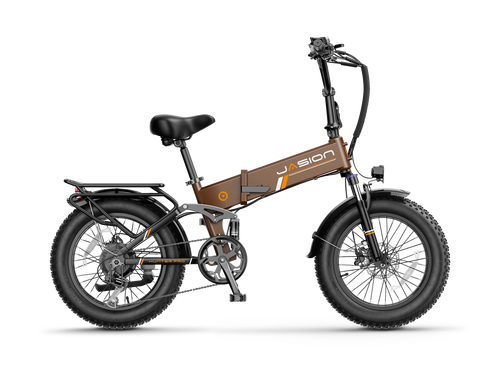
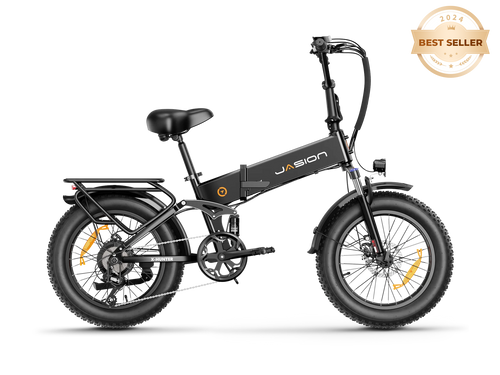
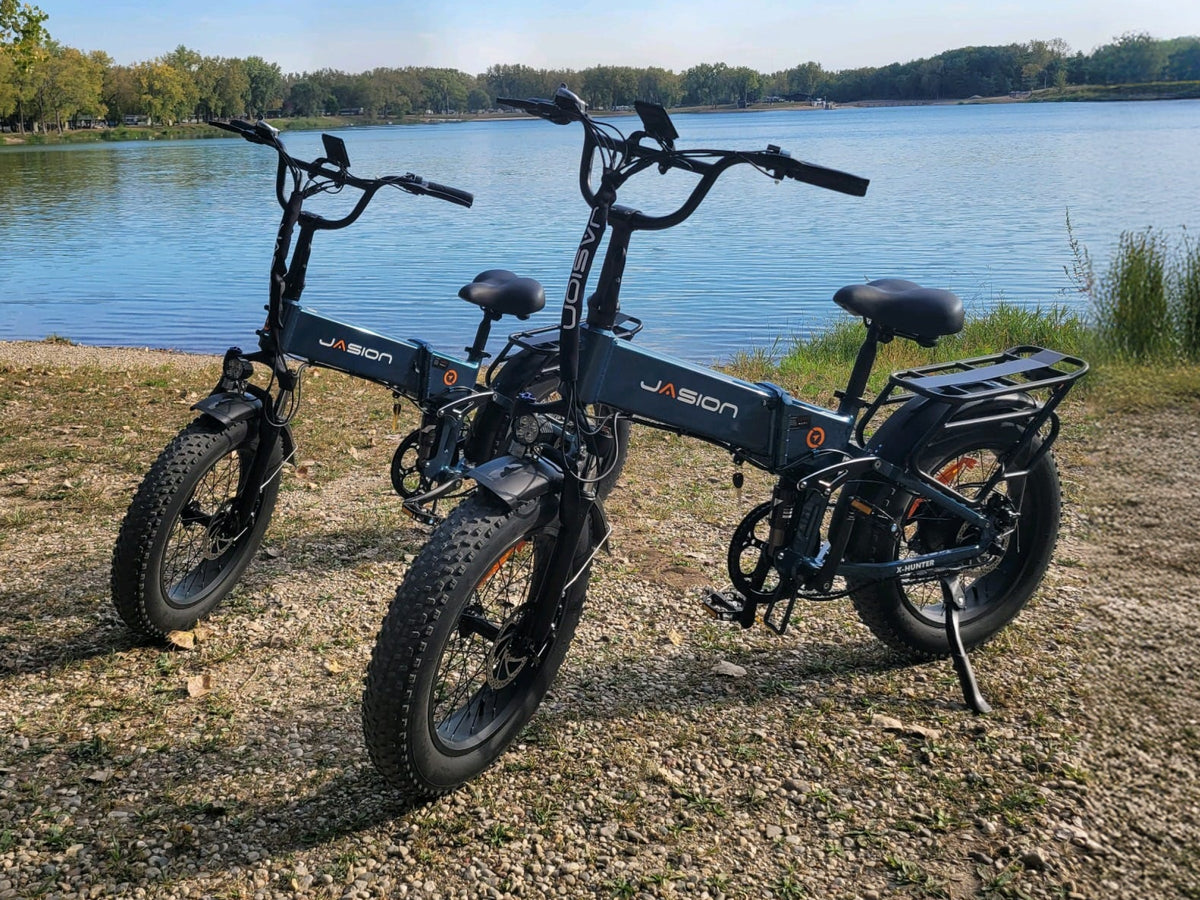
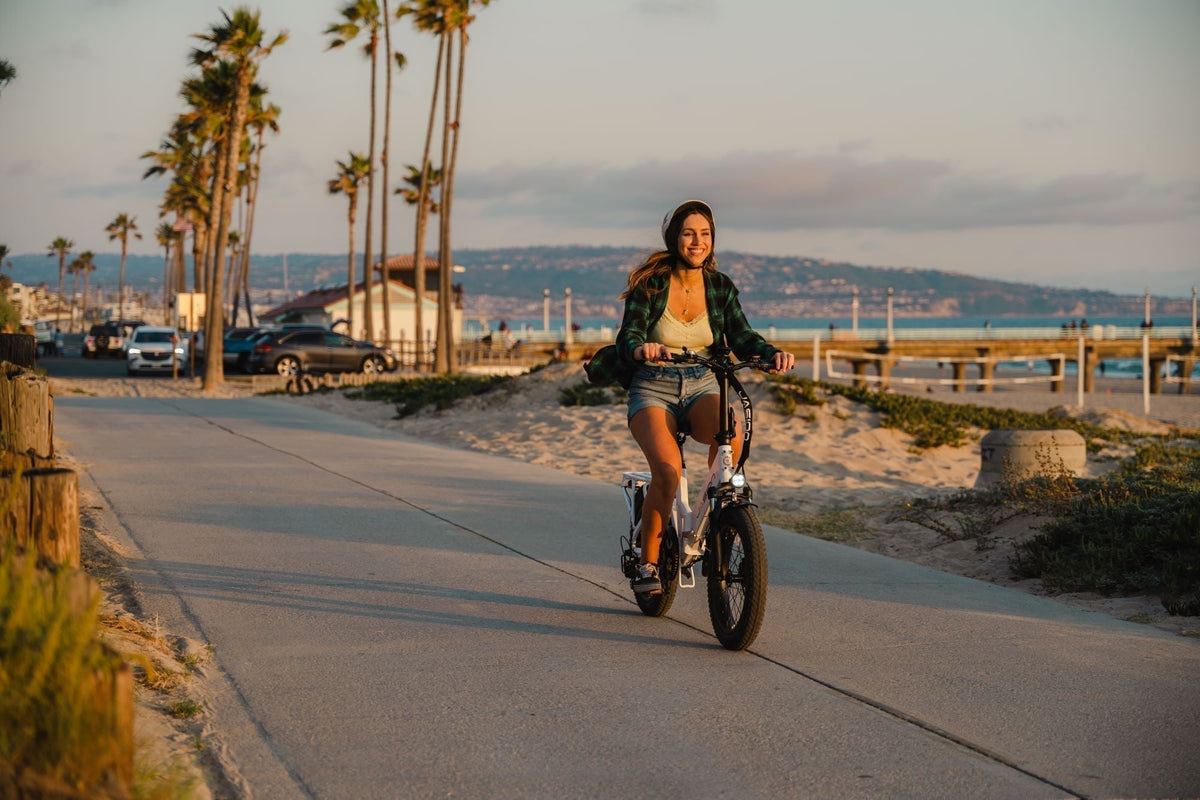
If your trip involves car trunks, RV storage, elevators, or tight lodging, a foldable design can simplify logistics. For example, the Jasion EB7 2.0 is a practical option for riders who want a travel-friendly setup for weekend getaways and multi-modal touring.
What to Pack for eBike Touring
Pack for safety and self-sufficiency, then keep it light. If you’re unsure, start with essentials and add only what solves a real problem.
Must-have essentials
- Helmet + lights: Daytime visibility matters even on trails.
- Charger: Keep it accessible so you can charge during breaks.
- Lock: A solid lock for café stops and scenic walks.
- Water + snacks: Touring days can run longer than expected.
- Phone mount + power bank: Navigation is a battery drain—bring a backup.
Repair and maintenance kit
- Multi-tool, tire levers, spare tube/patch kit, and a mini pump or CO2 inflator.
- Quick-link (for chains), small rag, and basic first-aid supplies.
- Zip ties and a small roll of tape for fast fixes.
Clothing for changing conditions
- Light layers, a wind/rain shell, and gloves for early mornings.
- Sun protection: sunglasses, sunscreen, and a breathable cap.
- Comfort items: chamois shorts or a cushioned liner for longer days.
Safety, Weather, and Trail Etiquette
A safe trip is a sustainable trip—less strain on local resources and fewer emergencies. Plan around weather, ride predictably, and respect the places you’re visiting.
Weather checks that prevent bad days
- Check wind direction and storm windows—coastal routes can change fast.
- Avoid high-heat riding in the afternoon; start earlier and rest during peak sun.
- If rain is expected, choose firmer surfaces and avoid sensitive muddy trails.
Riding etiquette in eco-tourism areas
- Yield to pedestrians and keep speeds appropriate for shared paths.
- Stay on designated routes to protect vegetation and wildlife habitat.
- Keep distance from wildlife and never feed animals.
- Pack out all trash, including food scraps.
Sustainable Travel Habits That Make a Real Difference
- Support local: Choose locally owned cafés, guides, and lodging.
- Travel off-peak: Reduce crowding stress on popular trails and towns.
- Leave no trace: Ride, rest, and camp with minimal impact.
- Respect local rules: Trail access and e-bike policies vary—follow posted guidance.
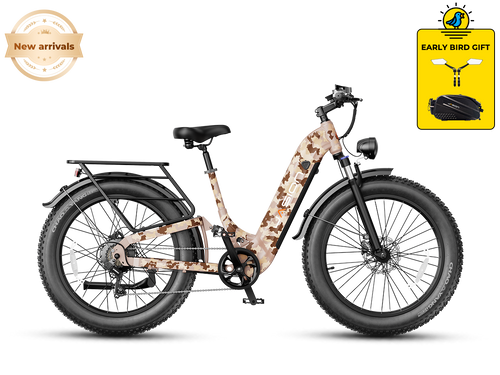
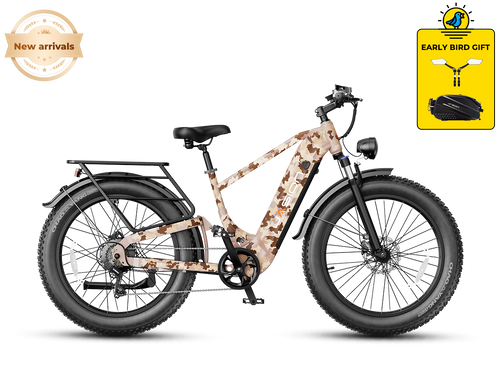
If you’re planning a relaxed, comfort-first route (especially with mixed-age groups), a step-through frame can make starts and stops easier. The Jasion EB7 ST is a convenient option for riders who want an accessible fit for everyday exploring.
FAQ: eBike Touring and Eco-Tourism
Are e-bikes allowed on national park and nature trails?
It depends on local rules. Some parks allow e-bikes on paved roads and certain multi-use paths but restrict them on singletrack trails. Always check the specific park or land manager’s website before you ride.
How do I plan charging stops on a multi-day eBike tour?
Build charging into long breaks and overnight stays. Choose lodging or campgrounds with reliable power access, and identify cafés or visitor centers where you can politely ask to charge while you eat or rest.
What is the difference between an eBike tour and eBike touring?
An eBike tour often refers to a guided or booked experience with a set itinerary. eBike touring usually means planning your own route (self-guided), managing logistics like charging, and traveling over one or multiple days at your own pace.
What should I pack for a weekend eBike touring trip?
Start with the essentials: helmet, lights, lock, charger, water, snacks, a power bank, and a basic repair kit (tube/patches, multi-tool, pump). Add layers and a rain shell if conditions can change.
How can I keep my eco-tourism ride low-impact?
Stay on designated routes, keep speeds appropriate for shared paths, avoid sensitive trails in wet conditions, give wildlife space, and support local businesses. Pack out everything you bring in.
Conclusion
Eco-tourism and eBike touring pair naturally: you move efficiently, experience places more deeply, and can reduce car dependence for short-distance travel. Use the destination filters, route and charging plan, packing checklist, and low-impact habits above to build a trip that’s enjoyable and responsible.
Ready to turn your next weekend into an eco-friendly adventure? Explore travel-friendly options like the EB7 2.0 or the comfort-focused EB7 ST, then plan a simple route and start with a one-night tour to build confidence.



Share: