
 EU
EU
 UK
UK
 US
US
 CA
CA



Pedal assist—often shortened to PAS—is the system that adds motor support while you pedal an e-bike. You still steer, brake, shift, and control the ride; the motor simply reduces the effort needed to start, climb, commute, or travel farther.
Quick answer: When you pedal, a sensor detects your movement or effort. The controller then tells the motor how much assistance to provide based on the PAS level you select.
Below, we explain how pedal assist works, how it differs from a throttle, what cadence and torque sensors do, and how to choose the right assist level for your ride.

What Does Pedal Assist Mean on an E-Bike?
Pedal assist means the motor helps only while you are pedaling. Instead of replacing your effort, it works with your legs to make riding easier.
That support is especially useful when you are:
- Starting from a stop
- Climbing hills or riding into a headwind
- Commuting through stop-and-go traffic
- Carrying groceries, work gear, or other cargo
- Riding farther than you would on a traditional bicycle
Because you can change the amount of assistance during the ride, PAS lets you choose between a more active cycling experience and stronger motor support.
How Does Pedal Assist Work?
A pedal-assist system uses five main components:
- Sensor: Detects pedal movement or pedaling force.
- Controller: Processes the sensor signal and determines how much power to send.
- Battery: Supplies electrical energy.
- Motor: Adds power to help move the bike.
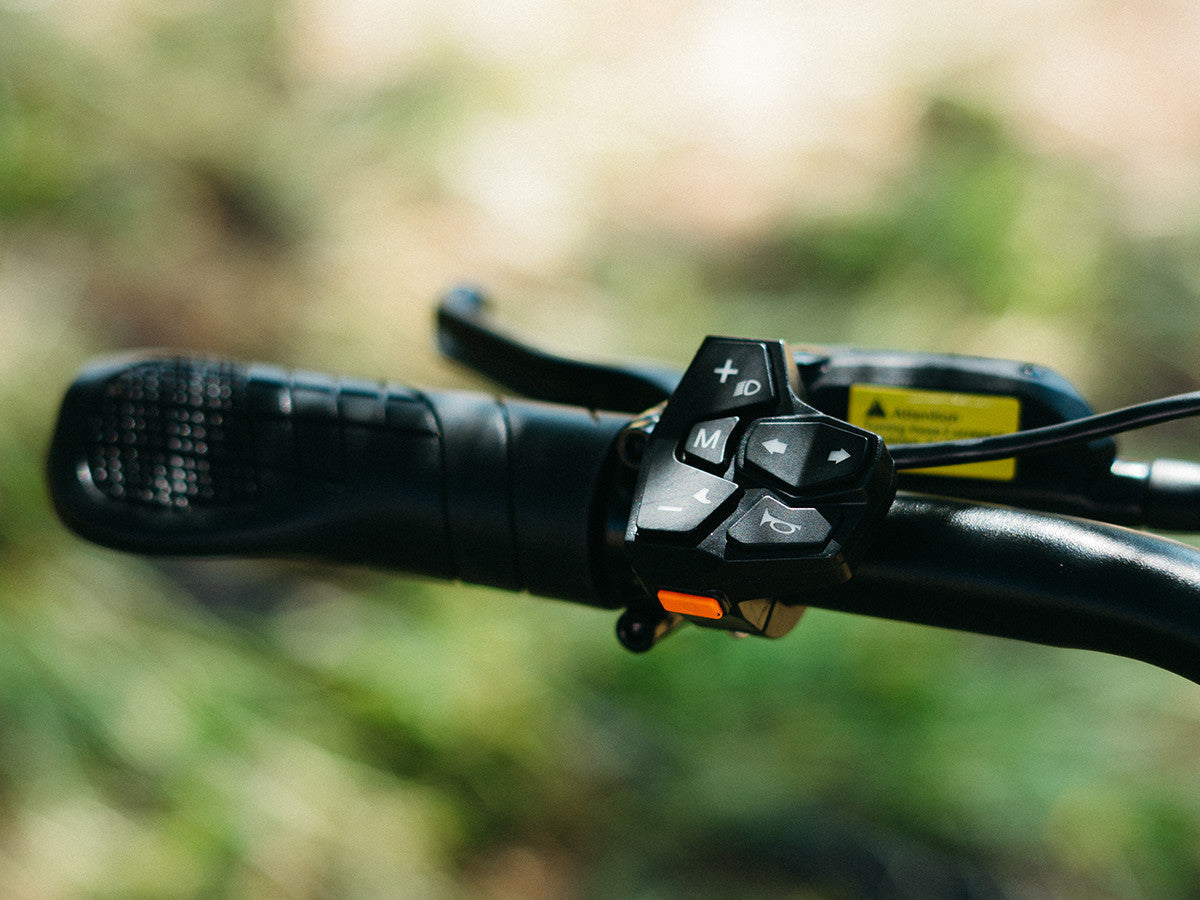
- Display or control panel: Lets you select an assist level.
In practice, you turn on the e-bike, select a PAS level, and begin pedaling. The motor then provides assistance up to the limits set by the bike, its settings, and applicable regulations.
To see how these components work together across the whole bike, read our guide on how an electric bike works.
Pedal Assist vs. Throttle
Both systems use motor power, but they respond differently.
| Feature | Pedal Assist | Throttle |
|---|---|---|
| Activation | Works while you pedal | Works through a lever or twist grip |
| Ride feel | More bicycle-like | More directly motor-driven |
| Common uses | Commuting, longer rides, hills, and fitness | Starting, low-speed maneuvering, and short boosts |
| Control | Adjusted through PAS levels and pedaling | Adjusted directly through the throttle |
Pedal assist changes how much support the motor provides while you pedal. A throttle responds to its own handlebar control. If you want to know when an ebike can move without continuous pedaling, read our guide to pedaling, PAS, and throttle riding.
Cadence Sensor vs. Torque Sensor
The sensor has a major influence on how pedal assist feels.
Cadence Sensor
A cadence sensor detects whether the pedals are turning. Once pedaling begins, the motor provides assistance according to the selected PAS level. This creates a simple, steady ride feel that suits relaxed cruising and everyday commuting.
Torque Sensor
A torque sensor measures how hard you press on the pedals. The motor provides more support when you pedal harder and less when you pedal lightly. This usually feels more natural and responsive.
| Choose a Cadence Sensor If You Prefer... | Choose a Torque Sensor If You Prefer... |
|---|---|
| Easy, relaxed cruising | A more natural cycling feel |
| Simple and predictable assistance | Assistance that responds to effort |
| Steady support with light pedaling | Smoother power changes |
Neither sensor is best for every rider. The right choice depends on whether you value effortless cruising or a closer connection between your pedaling effort and motor output. Read our full torque sensor vs. cadence sensor comparison for more detail.
Do not confuse a torque sensor with motor torque. Motor torque describes the motor's turning force, which affects starts, hills, and carrying loads. A torque sensor measures your pedaling effort and changes assistance accordingly. Learn more in our e-bike torque guide.
Pedal Assist Levels Explained
PAS levels control how much help the motor provides. Lower levels generally use less battery and require more rider effort; higher levels provide stronger assistance but usually consume energy faster.
The number of levels and the amount of assistance at each level vary by model. Always check the display settings and owner’s manual for your specific e-bike.
| Assist Setting | Typical Use | What to Expect |
|---|---|---|
| Off / Level 0 | Manual riding | No motor assistance |
| Low | Flat roads, easy cruising, longer rides | More rider effort and better potential range |
| Medium | Daily commuting and rolling terrain | A balance of comfort, speed, and battery use |
| High | Hills, headwinds, cargo, and difficult starts | Stronger support and higher energy use |
New riders should begin in a low setting, especially when starting, turning, or riding in crowded areas. Increase assistance gradually as you become familiar with the bike’s response.
How Pedal Assist Affects Range
Using more assistance generally reduces how far the battery can take you on a charge. Real-world range also depends on:
- Rider and cargo weight
- Terrain, wind, and temperature
- Speed and stop-and-go riding
- Tire pressure and bike condition
- Battery condition and capacity
For a practical balance, use low or medium assistance on easy sections and switch to a higher level only for hills, headwinds, heavy loads, or difficult starts.
Is Pedal Assist Good for Commuting?
Yes. PAS can make commuting more manageable by smoothing out hills, repeated starts, longer distances, and the added weight of a backpack or groceries. Many commuters use a medium setting for most of the route and adjust it as conditions change.
Pedal-assist e-bikes may be allowed on city streets, bike lanes, paved paths, or selected trails, but access depends on the bike’s class and local regulations. For a general overview, read our guide to Class 1, Class 2, and Class 3 e-bikes.
Tips for a Smoother Pedal Assist Ride
- Start low: Use a lower assist setting until you understand how quickly the motor engages.
- Adjust during the ride: Increase assistance for hills or cargo and reduce it on easy sections.
- Pedal smoothly: A steady cadence helps the system deliver more consistent support.
- Use the correct gear: Shift to an easier gear before climbing instead of relying only on maximum assistance.
- Maintain tire pressure: Properly inflated tires improve handling and efficiency.
- Brake before tight turns: Avoid sudden acceleration while cornering or maneuvering in crowded areas.
How to Choose a Pedal-Assist E-Bike
The best choice is not necessarily the bike with the largest motor. Focus on how the complete bike fits your route and daily use.
- For city riding: Look for predictable assistance, comfortable geometry, easy handling, and practical accessories.
- For hills or heavier loads: Consider stronger motor torque, suitable gearing, stable tires, and dependable brakes.
- For a natural ride feel: A torque-sensor system may be worth considering.
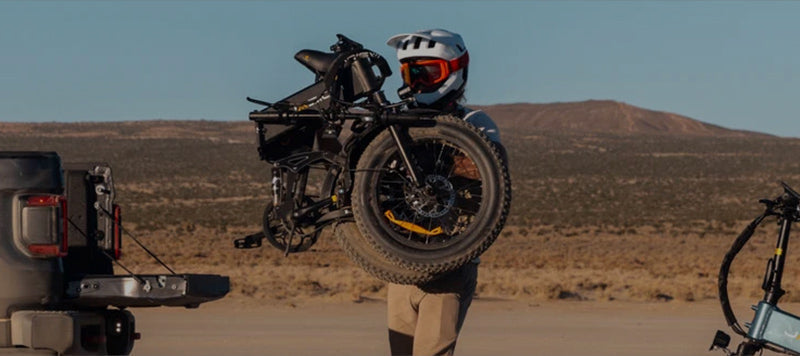
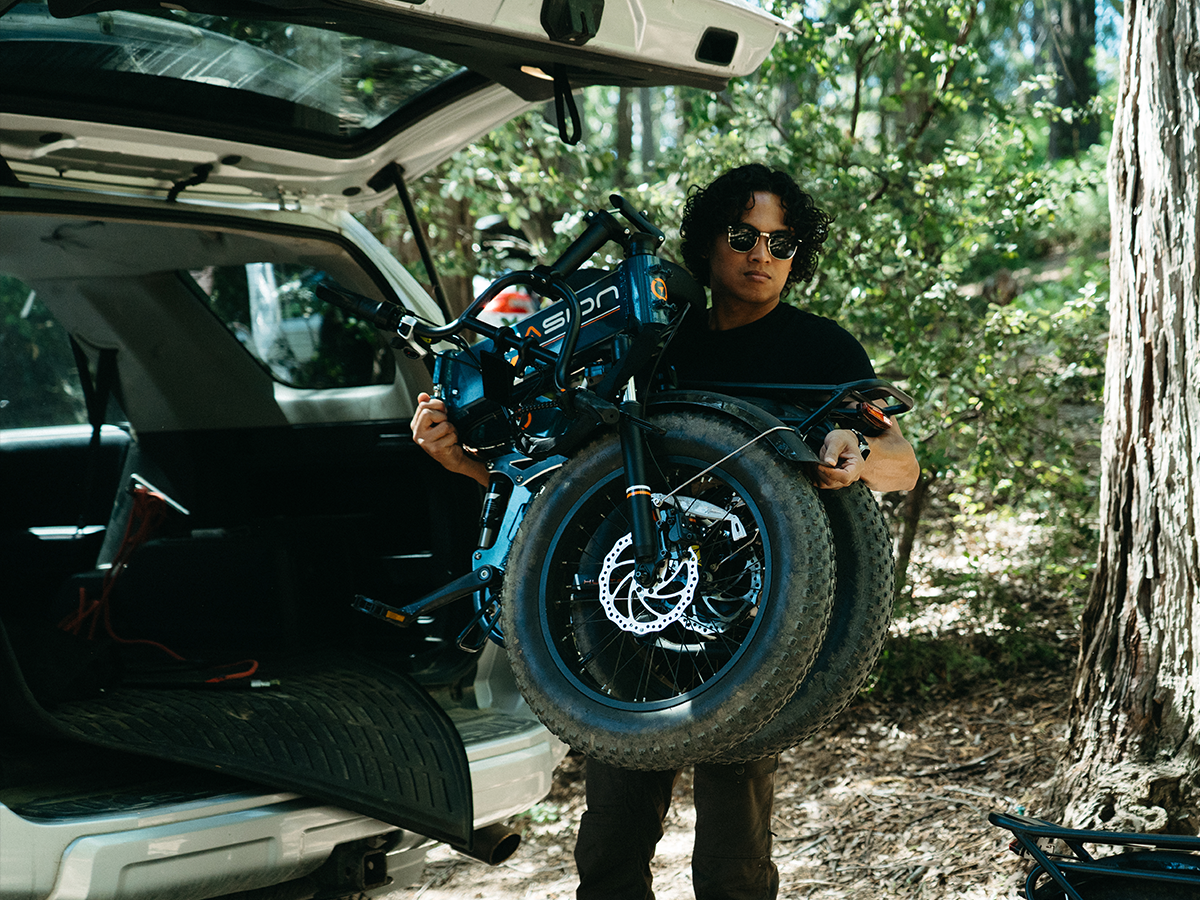
- For storage or transport: A folding frame may be more practical.
- For comfort: Check frame size, step-over height, saddle position, handlebar reach, and tire size.
Our guide on how to choose the right e-bike for your lifestyle can help you compare frame styles, range, comfort, and intended use.
Which JasionBike Pedal-Assist E-Bike Fits Your Ride?
Use the table below as a starting point. Confirm current specifications, sensor type, assist settings, fit, and local riding requirements on the individual product page before purchasing.
| Riding Need | Features to Prioritize | Model to Consider |
|---|---|---|
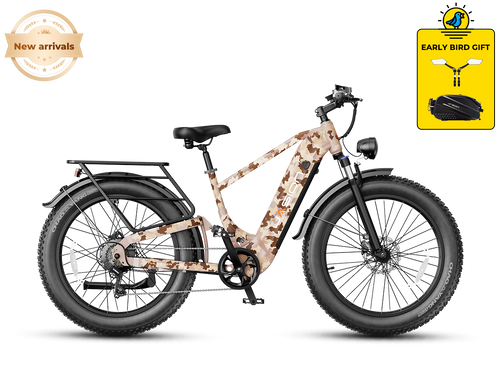
| City streets and daily errands | Step-through access, comfort, and easy controls | EB5 Roamer ST |
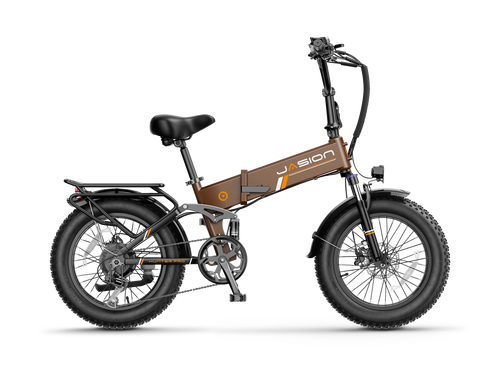
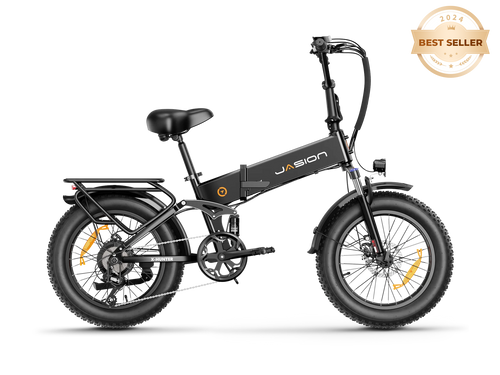
| Mixed roads and limited storage | Folding frame, stable tires, and practical storage | X-Hunter |
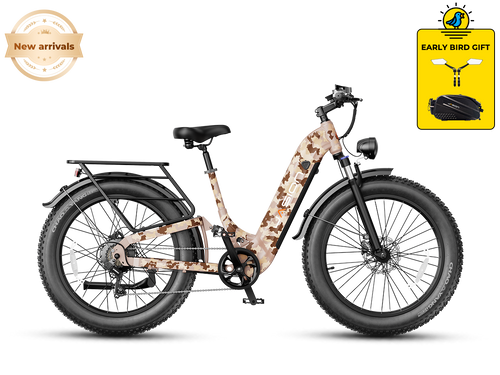
| Hills and rougher routes | Stronger torque, stable handling, and all-terrain capability | X-Hunter ST |
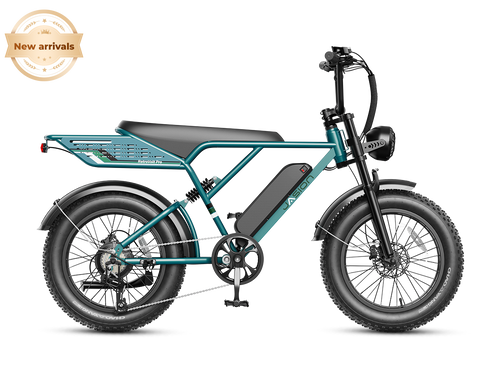
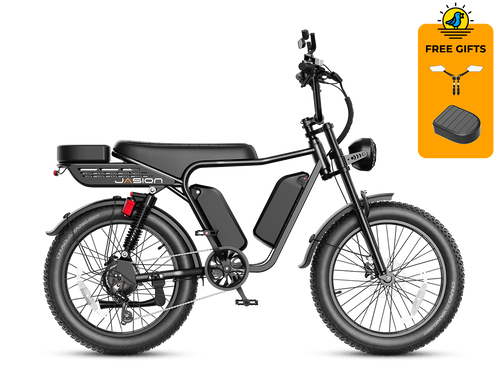
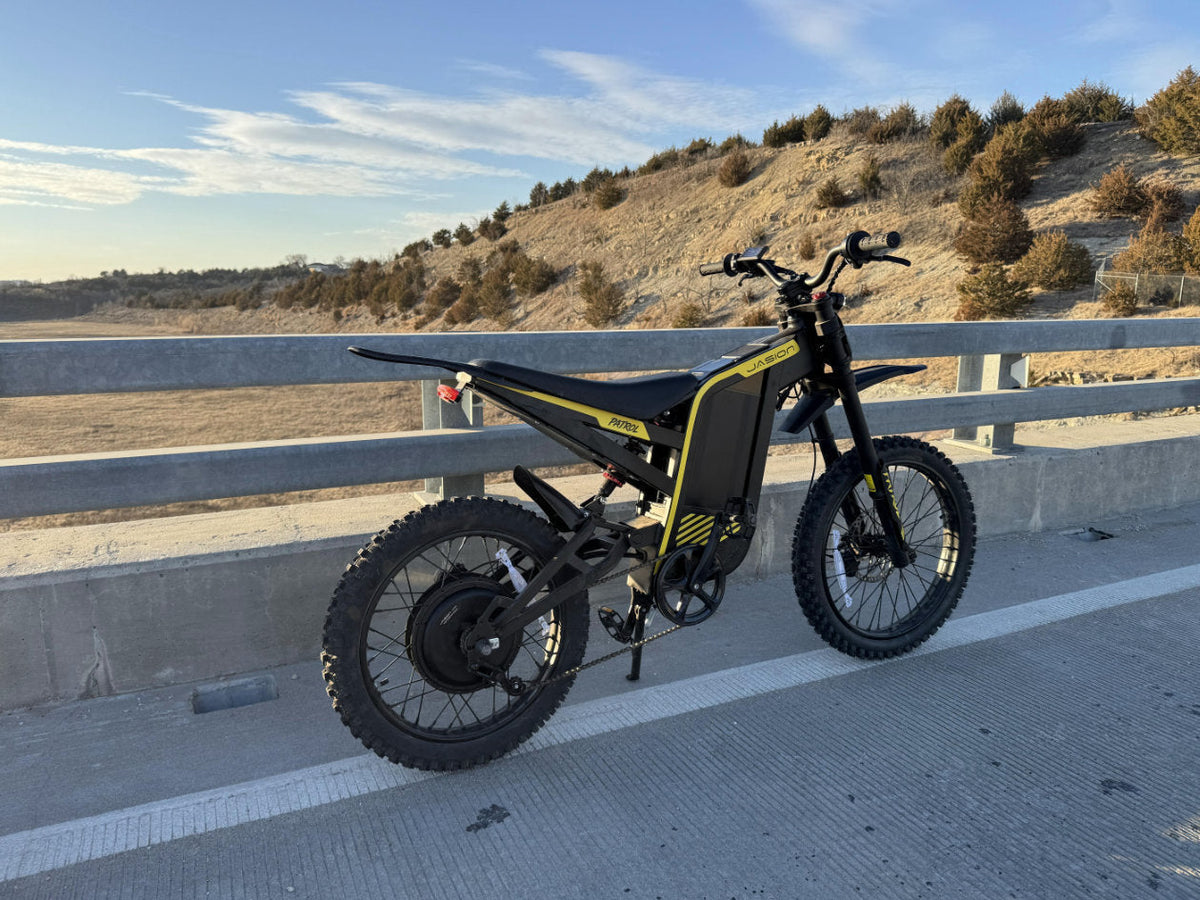
| Higher-power all-terrain riding | Strong acceleration, climbing support, and robust components | Hunter Pro |
EB5 Roamer ST
A step-through option for riders focused on city streets, errands, and comfortable everyday use.
X-Hunter
A folding option for riders who need easier storage and versatility across mixed roads.
X-Hunter ST
An all-terrain step-through option for riders who regularly face hills, rougher surfaces, or heavier demands.
Hunter Pro
A higher-power option for riders prioritizing acceleration, climbing support, and all-terrain performance.
Browse all Jasion electric bikes to compare current specifications, fit, and intended use.
Final Thoughts
Pedal assist makes an e-bike easier to adapt to different riders and routes. Use lower assistance when you want more exercise or better potential range, and increase it when hills, wind, cargo, or repeated starts make the ride harder.
The most important factors are how smoothly the system responds, whether the bike fits you, and whether its performance matches where you plan to ride.
Explore JasionBike Electric Bikes
Frequently Asked Questions
What does PAS mean on an e-bike?
PAS stands for Pedal Assist System. It uses a sensor, controller, battery, and motor to provide assistance while you pedal.
Do you have to pedal with pedal assist?
Yes. PAS responds to pedal input. Some ebikes also have a separate throttle; our pedaling and throttle guide explains when continuous pedaling is not required.
Is pedal assist better than a throttle?
Neither is always better. Pedal assist provides a more bicycle-like experience and is well suited to commuting and longer rides. A throttle can be useful for starting or short boosts.
Which pedal assist level should I use?
Start with a low level on flat roads or when learning the bike. Use medium assistance for everyday riding and higher assistance for hills, headwinds, cargo, or difficult starts. Exact settings vary by model.
What is the difference between a cadence sensor and a torque sensor?
A cadence sensor detects whether the pedals are turning. A torque sensor measures how hard you pedal and changes assistance in proportion to your effort.
What is the difference between motor torque and a torque sensor?
Motor torque describes the motor’s turning force. A torque sensor measures rider input and tells the system how much assistance to provide.


Share: