
 EU
EU
 UK
UK
 US
US
 CA
CA



Updated for 2026: This guide explains Michigan e-bike laws, including Class 1, Class 2, and Class 3 rules, license requirements, helmet rules, trail access, sidewalk use, and what to check before buying an electric bike.

Michigan is a great state for electric bike riders, whether you commute in Detroit, ride around Ann Arbor, explore lakefront paths, or use an e-bike for weekend errands and casual rides. For most riders using a properly classified e-bike, Michigan rules are straightforward: no driver's license, registration, or insurance is required.
The main thing to understand is your e-bike class. Michigan uses a three-class system to explain how the motor works, how fast it can assist, and where the bike may be used. Once you know whether your e-bike is Class 1, Class 2, or Class 3, it becomes much easier to choose the right model and ride with confidence.
Are Electric Bikes Legal in Michigan?
Yes, electric bikes are legal in Michigan if they meet the state's definition of an electric bicycle. In Michigan, a legal e-bike must generally have:
- A seat or saddle for the rider
- Fully operational pedals
- An electric motor of no more than 750 watts
- A class label that identifies the bike's class, top assisted speed, and motor wattage
Michigan follows a three-class e-bike system under the Michigan Vehicle Code. These classes help define how the motor works, how fast the motor can assist, and where the e-bike may be used.
For everyday riders, the easiest way to stay within Michigan's e-bike rules is to choose a bike with working pedals, a clear class label, and motor assistance that stays within Class 1, Class 2, or Class 3 limits. If you are looking at a higher-power, unlocked, or heavily modified electric ride, check the rules before using it on public roads, bike lanes, or trails.
Michigan E-Bike Classes Explained
Michigan separates electric bikes into Class 1, Class 2, and Class 3. Before buying or riding, check your bike's class label and product specifications.
| E-Bike Class | How the Motor Works | Maximum Assisted Speed | Throttle Allowed? |
| Class 1 | Pedal-assist only. The motor assists only while the rider is pedaling. | 20 mph | No |
| Class 2 | The motor can propel the bike without pedaling, but only within the class limit. | 20 mph | Yes |
| Class 3 | Pedal-assist only. The motor assists only while the rider is pedaling. | 28 mph | No |
For many everyday riders, Class 1 and Class 2 e-bikes are the easiest to use for city streets, errands, and casual routes because their motor assistance is limited to 20 mph. Class 3 e-bikes can provide faster pedal assist, but they also come with extra age, helmet, and trail restrictions.
Do You Need a License, Registration, or Insurance for an E-Bike in Michigan?
No. A driver's license, vehicle registration, and insurance are not required for a compliant Class 1, Class 2, or Class 3 electric bike in Michigan.
This makes e-bikes a practical option for commuting, short trips, campus rides, and everyday errands. Even when no license is required, riders should still follow applicable bicycle and traffic rules, including riding with traffic, obeying signs and signals, and using lights when needed.
Where Can You Ride an E-Bike in Michigan?
Michigan e-bike access depends on the e-bike class and the type of route. Roads are usually easier to understand than trails, because trail access can depend on the land manager.
Roads and Bike Lanes
Class 1, Class 2, and Class 3 e-bikes can generally be ridden on roads where traditional bicycles are allowed. This includes many public streets, roads, shoulders, and designated bike lanes.
For commuting, this means a properly classified e-bike can be a practical option for city riding, errands, and daily transportation. If you ride in traffic, choose a bike that matches your route, speed comfort, braking needs, and visibility needs.
Paved and Linear Trails
Class 1 e-bikes are often the most accepted class on paved or linear bicycle trails. These may include paved paths, crushed limestone trails, rail-trails, or similar bicycle routes where local rules allow e-bike use.
Class 2 and Class 3 e-bikes may be more restricted on paved or non-motorized trails. Local authorities and land managers can approve, limit, or restrict certain e-bike classes, so riders should always check posted signs and local rules before riding.
DNR-Managed Trails
Michigan DNR-managed trails have specific rules. Class 1 e-bikes are allowed in many state parks, recreation areas, and state forest pathways, with some exceptions. Class 2 e-bikes are generally limited to riders with mobility needs who have a DNR-issued permit in areas open to Class 1 e-bikes. Class 3 e-bikes are not allowed on state-managed trails.
Because trail rules can change by land manager, riders should check posted signs and official guidance before riding. For state-managed trail information, visit the Michigan DNR e-bike page.
Natural Surface and Mountain Bike Trails
Natural surface trails, hiking trails, and mountain bike trails can be more restrictive than paved paths. Some may allow certain e-bike classes, while others may limit e-bike use to protect trail conditions and other users.
Fat tire e-bikes can feel stable and comfortable on rough pavement, gravel, sand, snow, and light trails, but tire style does not automatically decide where you can ride. Always match your riding plan to both the terrain and the local e-bike rules.
Can You Ride an Electric Bike on the Sidewalk in Michigan?
Michigan sidewalk rules can vary by city, township, or local ordinance. There is not one simple statewide answer that applies to every sidewalk in every Michigan community.
Before riding an e-bike on a sidewalk, check local rules for the city or area where you plan to ride. Some places may treat bicycles and e-bikes similarly, while others may restrict sidewalk riding in business districts, downtown areas, parks, or crowded pedestrian zones.
Even where sidewalk riding is allowed, riders should slow down, yield to pedestrians, use a bell or voice when passing, and avoid riding faster than conditions allow.
Michigan E-Bike Age and Helmet Rules
Michigan has specific rules for Class 3 e-bikes. A Class 3 ebike rider must be at least 14 years old. Riders and passengers on Class 3 e-bikes must wear a helmet if they are under 18.
There is no statewide minimum age for Class 1 and Class 2 e-bike riders, and Michigan does not require helmets for Class 1 or Class 2 riders. Still, wearing a helmet is strongly recommended for all riders, especially on roads, higher-speed routes, and mixed-use paths.
| Rule | Class 1 | Class 2 | Class 3 |
| Minimum age to operate | None statewide | None statewide | 14 |
| Helmet required by state law | No | No | Yes, if under 18 |
| Pedaling required for motor assist | Yes | No | Yes |
| Maximum motor-assisted speed | 20 mph | 20 mph | 28 mph |
Special Rule: Are E-Bikes Allowed on Mackinac Island?
Mackinac Island has special e-bike rules. E-bikes are generally not allowed on Mackinac Island, except for qualified riders with mobility disabilities who go through the island's licensing process.
For two-wheeled e-bicycles, Mackinac Island generally allows only Class 1 pedal-assist e-bikes for qualified riders. If the e-bike has a throttle, the throttle may need to be permanently removed before registration. Because Mackinac Island rules are more specific than general Michigan e-bike rules, riders should check the island's current requirements before visiting.
A Quick Note on High-Power or Moped-Style E-Bikes
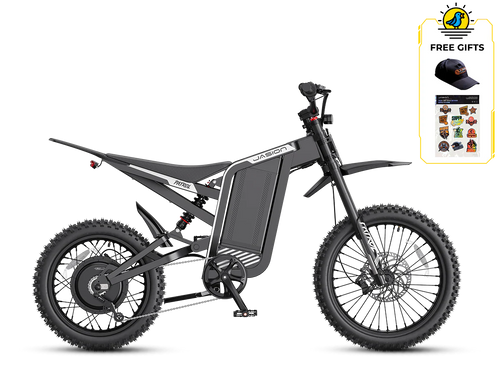
Moped-style e-bikes can be a fun choice for relaxed cruising, but the style of the bike does not decide its legal status. What matters is whether the bike still fits Michigan's e-bike class rules, including pedals, motor power, throttle behavior, and assisted speed.
If you choose a moped-style e-bike, check the product specifications and use the riding mode that matches local rules. For many riders, a properly classified e-bike is still a practical choice for roads, bike lanes, errands, and casual neighborhood rides.
What Do Michigan Riders Care About Most?
Most Michigan riders are not only asking whether e-bikes are legal. They also want to know whether an e-bike is easy to ride, easy to store, comfortable on rough pavement, and practical for their daily route.
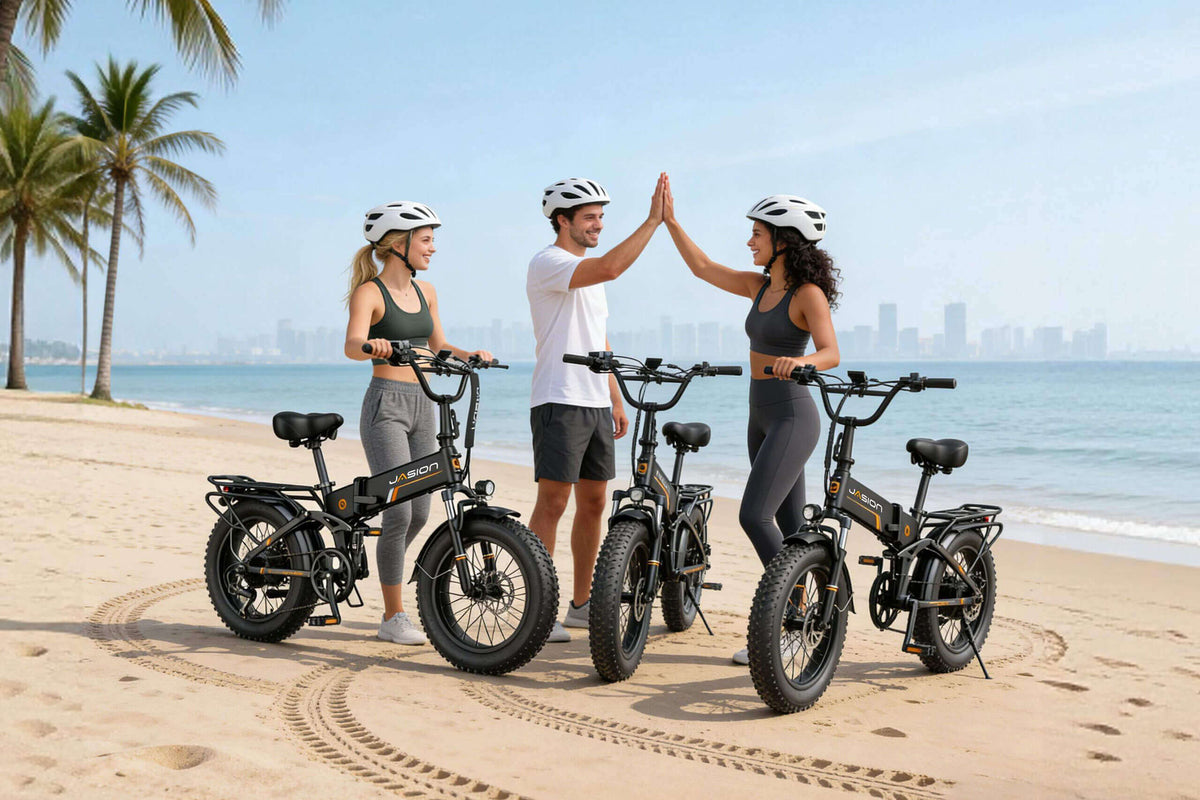
If your main route is city streets and bike lanes, a commuter e-bike may be the simplest choice. If you live in an apartment, use an RV, or need to save space, a folding e-bike can be easier to store. If you ride over rough pavement, gravel, sand, or light snow, a fat tire e-bike can add comfort and stability. If you prefer a relaxed riding position and bold styling, a moped-style e-bike may fit your riding style.
The best choice is not always the fastest e-bike. For Michigan riders, the better question is: where will you ride most often, how much range do you need, and which e-bike class fits your route?
How to Choose the Right E-Bike for Michigan Riding
The best electric bike for Michigan depends on where you plan to ride most often. A rider commuting through city streets may need something different from a rider who wants weekend lakefront paths, campground rides, or easier storage in an apartment.
For City Commuting
A commuter e-bike is a strong choice if your route is mostly pavement, bike lanes, and public roads. Look for a comfortable riding position, reliable brakes, good lights, fenders, and enough battery range for your daily trip.
If you want a practical everyday option, you can compare JasionBike's electric bikes by motor, battery, frame style, range, brakes, and riding position.
For Apartments, RVs, and Small Storage Spaces
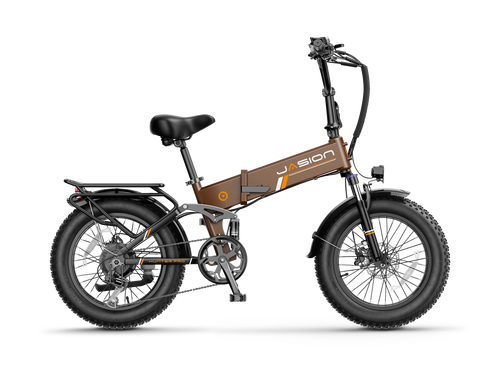
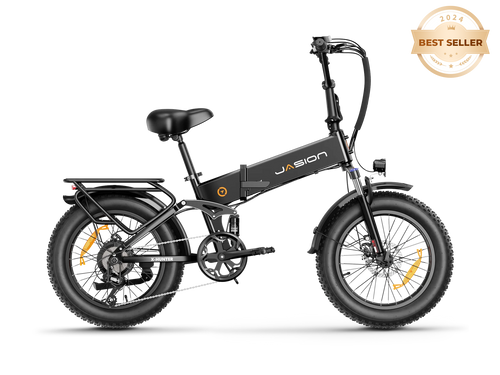
A folding e-bike may be a better fit if storage is your biggest concern. Folding models can be easier to keep in an apartment, garage, car trunk, RV, camper, or office.
If you want easier storage for commuting or travel, browse JasionBike folding electric bikes and compare folded size, weight, tire size, range, and comfort features.
For Rough Pavement, Gravel, Sand, or Snow
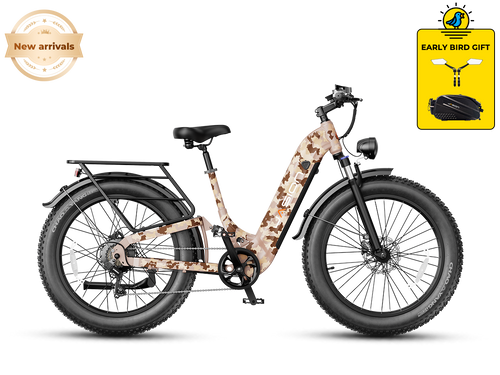
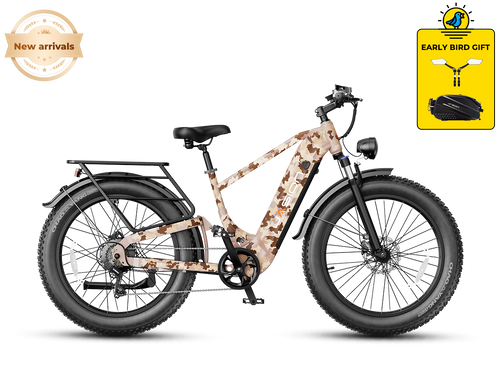
A fat tire e-bike can provide more grip, comfort, and stability on uneven surfaces. This can be helpful for Michigan riders dealing with cracked pavement, gravel roads, sandy areas, light snow, or mixed terrain.
Before riding on trails, remember that fat tires improve traction but do not override trail rules. For comfort-focused riding, compare JasionBike fat tire e-bikes by tire size, suspension, brakes, payload, and battery range.
For Relaxed Cruising and Moped-Inspired Style
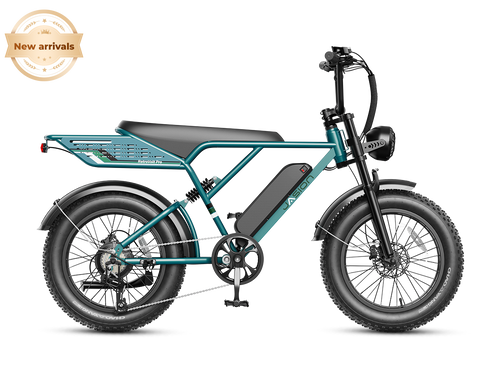
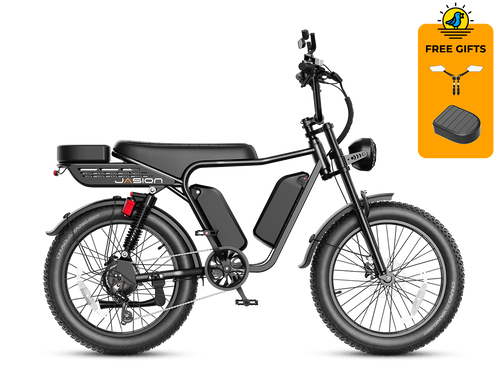
Moped-style e-bikes are popular with riders who want a relaxed riding position, wider tires, a longer seat, and a bold look. They can be fun for cruising, short trips, and casual city riding.
However, Michigan riders should pay close attention to class rules before using a moped-style e-bike on public roads or paths. Explore JasionBike moped-style e-bikes, but always check motor power, throttle behavior, speed settings, and local riding restrictions before riding.

Quick Pre-Ride Checklist for Michigan Riders
Before your first ride, take a minute to check a few simple details:
- Know whether your e-bike is Class 1, Class 2, or Class 3.
- Check that the bike has working pedals and a visible class label.
- Make sure the battery range fits your commute or weekend route.
- Use roads and bike lanes where bicycles are allowed.
- Check posted rules before riding on trails, sidewalks, or park paths.
- Wear a helmet, especially for faster routes or Class 3 riding.
- Keep your bike in the riding mode that matches your route and local rules.
FAQ About Michigan E-Bike Laws
Are e-bikes legal in Michigan in 2026?
Yes. E-bikes are legal in Michigan if they meet the state's electric bicycle definition, including a seat or saddle, fully operational pedals, and an electric motor of no more than 750 watts.
Do you need a license for an e-bike in Michigan?
No. A driver's license, vehicle registration, and insurance are not required for compliant Class 1, Class 2, or Class 3 electric bikes in Michigan.
Can you ride an electric bike on the sidewalk in Michigan?
Sidewalk rules can vary by city, township, or local ordinance. Check local rules before riding an electric bike on a sidewalk in Michigan.
Can Class 2 e-bikes use Michigan trails?
Class 2 e-bikes can be restricted on trails. On Michigan DNR-managed trails, Class 2 e-bikes are generally allowed only for riders with mobility needs who have a DNR-issued permit in areas open to Class 1 e-bikes.
Can Class 3 e-bikes use Michigan trails?
Class 3 e-bikes are more restricted than Class 1 and Class 2 e-bikes. They are not allowed on Michigan DNR-managed trails, and local trail rules may also restrict them.
Are moped-style e-bikes legal in Michigan?
A moped-style e-bike can be legal if it still meets Michigan's e-bike definition and class limits. The design alone does not determine legal status; motor power, pedals, throttle use, assisted speed, and local rules all matter.
What type of e-bike is best for Michigan riders?
The best e-bike depends on your route. A commuter e-bike works well for city streets, a folding e-bike is helpful for small storage spaces, a fat tire e-bike adds comfort on rough pavement or light gravel, and a moped-style e-bike can be a good fit for relaxed cruising.
Conclusion
Michigan e-bike laws in 2026 follow a three-class system, but the practical rules depend on where you ride and what kind of e-bike you use. Roads and bike lanes are usually more flexible, while trails, sidewalks, state-managed lands, and Mackinac Island can have extra rules to check before your trip.
Before buying an electric bike for Michigan riding, think about your route, storage space, comfort needs, and preferred riding style. A commuter e-bike may be ideal for city streets, a folding e-bike may solve storage problems, a fat tire e-bike may add comfort on rough surfaces, and a moped-style e-bike may offer a relaxed cruising feel. The best choice is the one that fits your daily life while staying within Michigan's e-bike rules.


Share: