
 EU
EU
 UK
UK
 US
US
 CA
CA



If you have seen people talking about “July 1st e-bike laws” online, you are not the only one. Many riders are asking the same thing: did something suddenly change for electric bikes?
The answer is: not everywhere, and not in the same way.
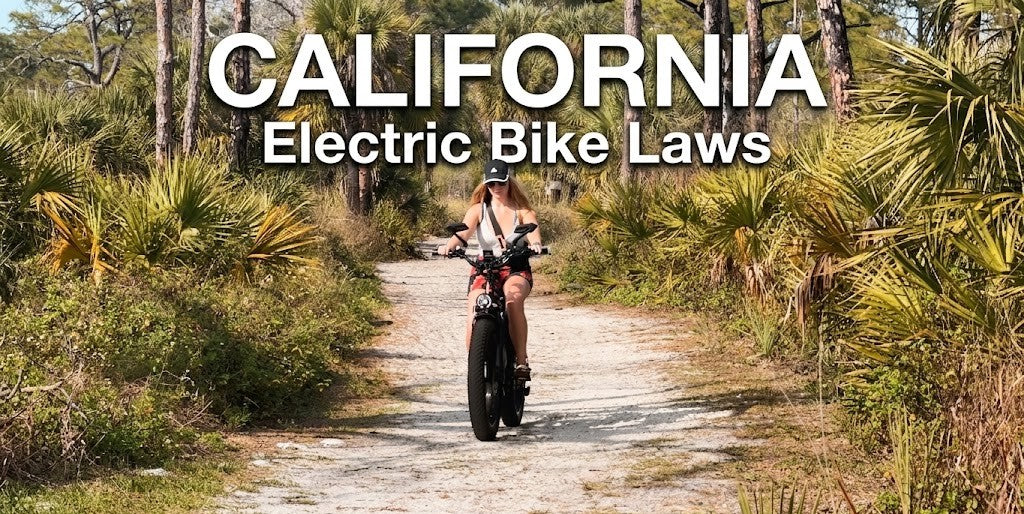
There is no single July 1st e-bike law that applies to every rider across the United States. Some regions have introduced new rules around July 1, while others are updating how they classify electric bikes, e-scooters, and faster electric mobility devices. For everyday riders, the most important thing is to understand your local rules before riding on public roads, sidewalks, bike lanes, or shared paths.
This guide breaks down what the July 1st e-bike law discussion really means, why people are searching for it, and how to check whether your e-bike fits the rules where you ride.
Is There a New Federal E-Bike Law on July 1st?
No. There is not a new nationwide July 1st e-bike law that changes e-bike riding everywhere in the U.S.
At the federal level, a low-speed electric bicycle is generally described as a two- or three-wheeled vehicle with fully operable pedals, an electric motor of less than 750 watts, and a motor-powered speed of less than 20 mph on a paved level surface. You can read the federal definition through the U.S. Code.
But federal product definitions are only one part of the picture. Rules about where you can ride, whether helmets are required, whether throttles are allowed, and whether a rider must meet a minimum age are usually handled by state, city, county, or park authorities.
That is why two riders in two different places may face different rules, even if they are riding similar e-bikes.
Why Are People Searching for “July 1st E-Bike Laws”?
The search trend is mainly coming from three things.
First, some places really did introduce new e-bike or micromobility rules around July 1. For example, Queensland introduced tougher e-bike and personal mobility device rules from July 1, 2026, with a focus on speed, power, riding behavior, and device compliance. Riders who want to compare international rule changes can check the Queensland Government e-bike rules.
Second, several U.S. states and cities are paying more attention to fast electric mobility devices. In many cases, the goal is not to ban e-bikes. The goal is to make clearer distinctions between regular e-bikes, e-scooters, mopeds, and higher-speed electric vehicles.
Third, social media can make local updates sound like national law. A post about one state, one city, or one proposed bill can quickly become “e-bikes are illegal after July 1,” even when that is not accurate.
Are E-Bikes Becoming Illegal?
No. E-bikes are not becoming illegal.
What is changing is that more places are paying closer attention to speed, rider age, sidewalk riding, bike lane access, and how different electric devices should be classified.
For most riders, this is less about panic and more about preparation. If your e-bike fits your local class rules and you ride in allowed areas, e-bikes remain one of the easiest ways to commute, run errands, enjoy weekend rides, and replace short car trips.
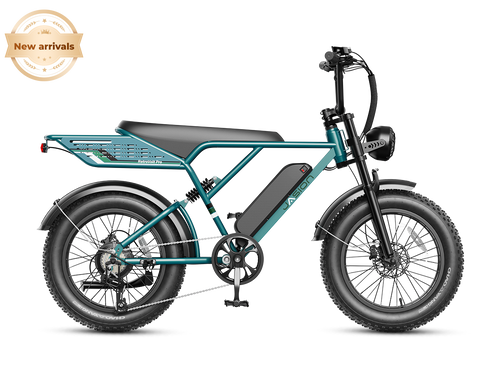
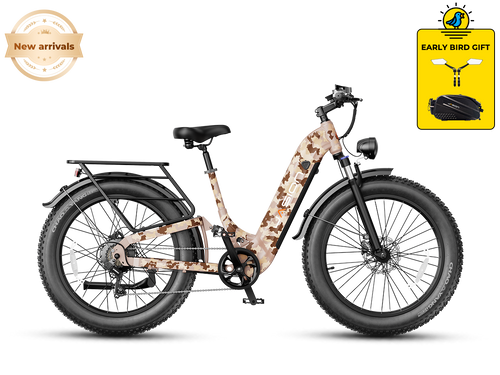
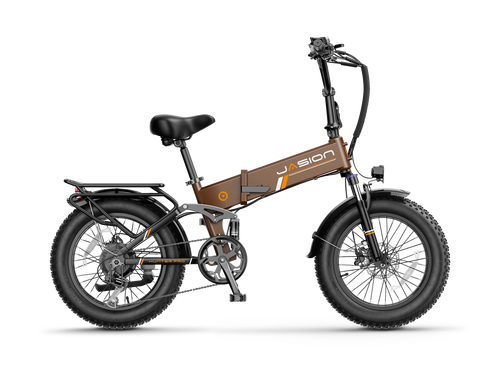
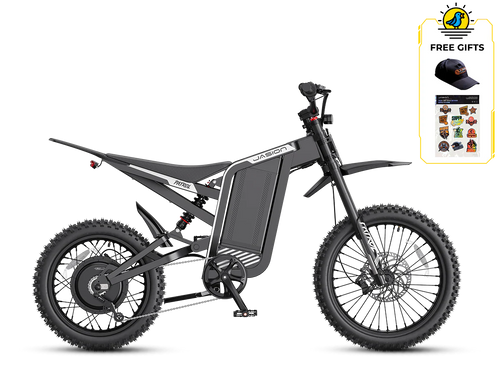
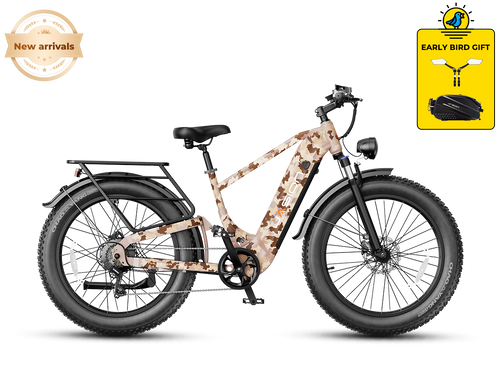
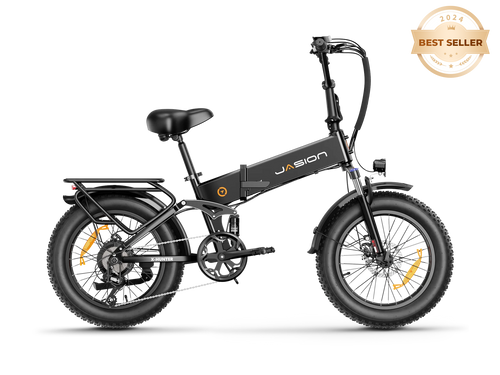
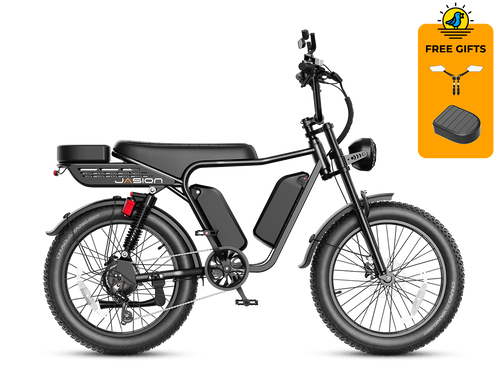
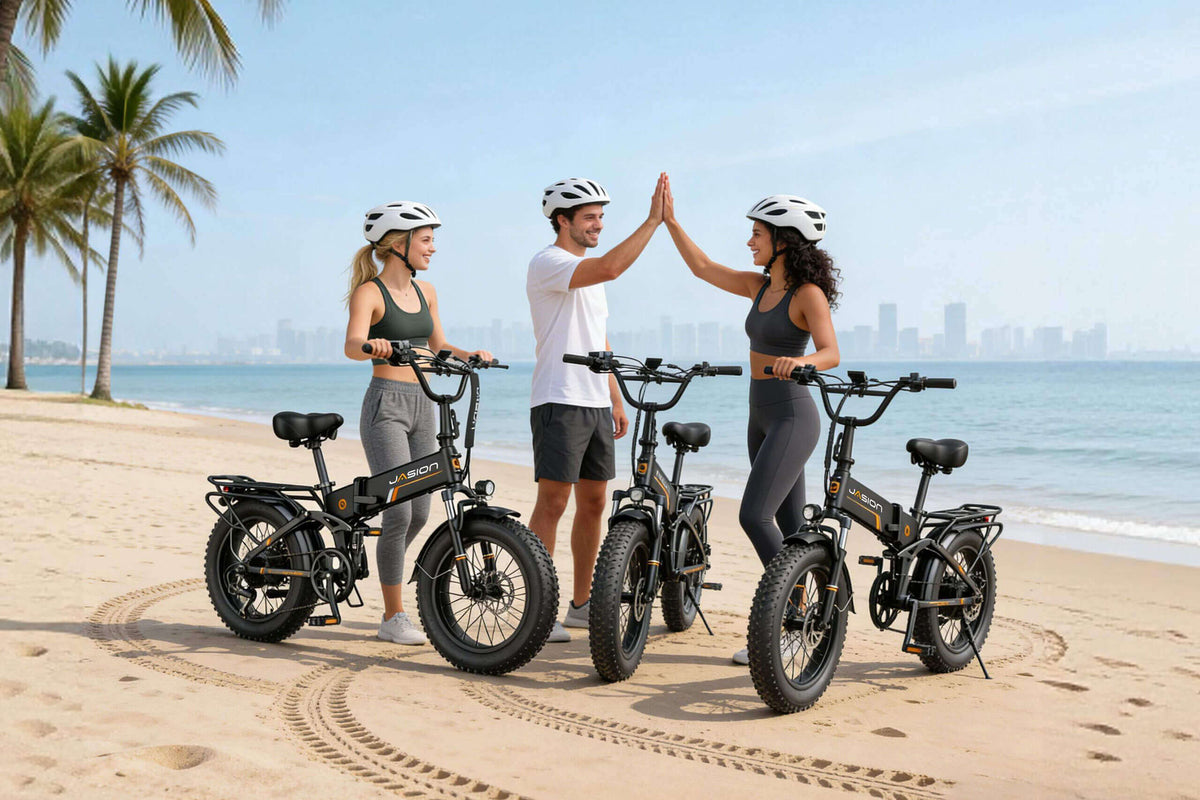
If you are still comparing models, you can explore JasionBike electric bikes and choose a model based on where you plan to ride most often.
Common E-Bike Classes Riders Should Know
Many U.S. states use a three-class e-bike system. The exact wording can vary by state, but the basic idea is usually similar:
| E-Bike Class | Typical Motor Support | Typical Assisted Speed | Common Use |
|---|---|---|---|
| Class 1 | Pedal assist only | Up to 20 mph | Bike paths, casual rides, city use |
| Class 2 | Throttle and/or pedal assist | Up to 20 mph | Errands, commuting, easier starts |
| Class 3 | Usually pedal assist | Up to 28 mph | Longer commutes, road riding, bike lanes |
This class system can affect where you are allowed to ride. For example, some shared-use paths may be more comfortable with Class 1 e-bikes, while some roads and bike lanes may be better suited for commuter-style Class 2 or Class 3 models.
If you are new to these terms, read our full guide here: Class 1 vs Class 2 vs Class 3 E-Bikes.
What Should Riders Check Before Riding?
Instead of asking only “Is there a July 1st e-bike law?”, it is better to ask a more practical question:
What rules apply to the place where I actually ride?
Before riding on public roads, sidewalks, bike lanes, trails, or shared paths, check these details:
- Speed rules: Does your area follow 20 mph or 28 mph assisted-speed limits?
- Motor rules: Does your state or city use a wattage limit for standard e-bikes?
- Throttle rules: Are throttle-assisted e-bikes allowed where you plan to ride?
- Age rules: Is there a minimum rider age for certain e-bike classes?
- Helmet rules: Are helmets required for all riders or only younger riders?
- Where-to-ride rules: Are e-bikes allowed on sidewalks, bike lanes, parks, or trails?
- Local signs: Some parks, campuses, and trail systems have their own posted rules.
You can also read our broader guide on current regulation trends here: 2026 E-Bike Regulation Updates.
How This Affects Everyday E-Bike Buyers
For most buyers, the takeaway is simple: choose the e-bike that fits your real riding environment.
If you ride mostly on neighborhood streets, bike lanes, campuses, or around town, you may want a comfortable commuter model with practical range, stable handling, and easy controls.
If you ride mixed terrain, carry groceries, or want extra comfort, a fat-tire or step-through e-bike may make more sense.
If you want a stronger adventure-style ride, pay closer attention to where that type of riding is allowed in your area.
The best e-bike is not always the fastest one. The best e-bike is the one that matches your route, local rules, storage needs, battery range, and comfort level.
If you are still deciding, this guide may help: Things to Know Before Buying an E-Bike in 2026.
JasionBike Riding Reminder
JasionBike offers electric bikes for different riding needs, from daily commuting to weekend fun and adventure-style riding. No matter which model you choose, we recommend checking your local e-bike rules before riding in public spaces.
A few simple habits can make a big difference:
- Ride at a safe speed around pedestrians.
- Use lights when visibility is low.
- Wear a helmet, especially on busy roads or longer rides.
- Follow posted signs on trails, campuses, and shared paths.
- Keep your e-bike well maintained before every ride.
Responsible riding helps keep e-bikes welcome in more places, and it also makes every ride safer and more enjoyable.
FAQ: July 1st E-Bike Laws
What is the July 1st e-bike law?
There is no single July 1st e-bike law that applies everywhere. Some places introduced or discussed new rules around July 1, but e-bike laws depend on your state, city, and riding location.
Did e-bikes become illegal on July 1st?
No. E-bikes did not suddenly become illegal. Most standard e-bikes can still be used where they meet local rules for speed, power, rider age, and riding location.
Are e-bike laws the same in every state?
No. E-bike laws vary by state and sometimes by city, park, trail, or campus. Always check the rules for the place where you plan to ride.
Do I need a license to ride an e-bike?
In many areas, standard Class 1, Class 2, or Class 3 e-bikes do not require a driver’s license. Some higher-speed electric mobility devices may have different local requirements, so it is best to check official state or city guidance before riding.
Can I ride an e-bike on the sidewalk?
It depends on local rules. Some cities allow sidewalk riding in certain areas, while others restrict it, especially in busy pedestrian zones.
How do I know if my JasionBike fits local rules?
Check your local e-bike rules and compare them with your bike’s assisted speed, motor rating, throttle use, and where you plan to ride. When in doubt, use official state or city sources before riding in public spaces.
Should I still buy an e-bike if laws are changing?
Yes. E-bikes remain a practical choice for commuting, errands, recreation, and short trips. The key is choosing a model that fits your riding needs, local riding environment, and comfort level.
Find an E-Bike That Fits Your Ride
Whether you ride for commuting, errands, fitness, or weekend fun, JasionBike has models built for different needs and riding styles.
Not sure which model fits your riding style? Explore JasionBike electric bikes and compare options for commuting, comfort, storage, and weekend rides.


Share: