
 EU
EU
 UK
UK
 US
US
 CA
CA



An ebike controller coordinates the battery, motor, display, pedal sensor, throttle, and brake cutoffs. It turns rider input into controlled motor assistance, shaping how the bike starts, accelerates, and responds. Replacement controllers must be selected for the exact bike model.
If the bike loses assistance or behaves unpredictably, the controller may be involved—but so might the battery, wiring, display, or a sensor. Knowing what the controller actually does makes the problem easier to narrow down.

What Is an Ebike Controller?
The controller is a compact electronic unit, usually housed in a metal case on or inside the frame. It is more than an on-off switch: selecting an assist level, turning the cranks, using the throttle, or pulling a brake lever can all change the signals it receives and the motor output it allows.
The controller is one part of a larger system. To see how the battery, motor, sensors, and display work together, read How Do Electric Bikes Work?.
How an Electric Bike Controller Works
While you ride, the system repeats the same sequence:
- The battery supplies electrical energy. The controller receives DC power from the battery.
- The bike sends input signals. The display, pedal assist sensor, throttle, speed sensor, and brake cutoffs tell the controller what is happening.
- The controller processes the request. Its electronics compare rider input with the bike's programmed limits and current system conditions.
- The controller drives the motor. It switches current through the motor phases in the sequence and amount needed to produce assistance.
- The system keeps monitoring itself. Depending on the design, the controller may respond to low voltage, excessive current, abnormal temperature, braking input, or communication errors.
Controller programming helps determine how quickly assistance begins, how smoothly power builds, and how the bike responds at low speed.

What Does an Ebike Controller Control?
Motor starting and acceleration
The controller determines when assistance begins and how rapidly output increases. Motor wattage alone does not create a smooth start; sensor behavior, programming, gearing, load, and rider input all contribute.
Pedal assist response
When the pedal sensor detects crank movement or pedaling force, it sends a signal to the controller. The controller then supplies assistance according to the selected level and its programmed response. Learn more about the input side of this process in Jasion's torque sensor vs cadence sensor guide.
Throttle response
On a throttle-equipped model, the controller reads the throttle signal and requests the corresponding motor output within the bike's configuration. The throttle is an input device; it does not send battery power directly to the motor. Our guide to riding an ebike without continuous pedaling explains how throttle and pedal assist differ.
Brake motor cutoff
Many ebikes have brake sensors that tell the controller to stop motor output when a brake lever is pulled. A stuck, damaged, or misaligned brake cutoff can therefore make a healthy motor appear unresponsive.
Electrical protection
Depending on the system, the controller may limit or stop output when voltage moves outside its operating range or it detects excessive current, heat, or an invalid signal. The thresholds vary by model.
Common Types of Ebike Controllers
Brushed and brushless controllers
A controller must match the motor design. Brushed motors rely on mechanical commutation inside the motor. Brushless DC motors, common on current ebikes, rely on the controller to switch power electronically among the motor phases.
Sensored and sensorless brushless controllers
A sensored controller uses motor position signals, commonly from Hall sensors, to time phase switching. This can help with starting and low-speed operation. A sensorless controller estimates motor position from electrical feedback once the motor is moving. Some systems can operate in more than one mode, but compatibility depends on the complete electrical design.
Sine wave and square wave controllers
These terms describe switching strategies. Sine wave controllers are often associated with quieter, smoother motor operation, while square wave designs can feel more abrupt and produce more motor noise. Neither label tells the whole story; programming, current limits, sensors, motor design, and installation still matter.
Single-motor and dual-motor systems
A dual-motor ebike may use two coordinated controllers, a combined controller assembly, or another model-specific arrangement. It is not enough to buy a controller simply because its voltage and advertised wattage look similar.
Voltage, Current, and Power: What the Numbers Mean
Controller listings often emphasize voltage and current. Both matter, but they describe different things.
| Specification | What it describes | Why compatibility matters |
|---|---|---|
| Voltage | The electrical operating range the controller is designed to accept | The battery, controller, display, and other electrical components must support the same system |
| Current limit | The amount of current the controller may allow under defined conditions | Too much current can exceed the design limits of the battery, wiring, connectors, motor, or controller |
| Motor power label | A motor rating or marketing figure, which may use rated, nominal, maximum, or peak conventions | It does not by itself confirm controller compatibility or predict real riding performance |
The familiar equation volts × amps = watts can describe electrical input at a particular moment, but it does not predict the complete riding experience. Programming and operating conditions affect controller output, and some energy is lost before it becomes mechanical power at the wheel.
Why Ebike Controllers Are Not Universal
Two controllers can share the same voltage label and still be incompatible. A replacement may also need to match:
- battery voltage range and low-voltage cutoff;
- motor type, phase wiring, Hall sensor arrangement, and current limits;
- display communication protocol and settings;
- throttle, pedal sensor, speed sensor, and brake cutoff signals;
- connector type, pin order, wire gauge, and polarity;
- lighting or accessory outputs;
- physical size, mounting location, and heat dissipation; and
- model-specific programming or software pairing.
A plug that fits can still have a different pinout or communication protocol. For a Jasion bike, start with the exact model and version in the Jasion manual library. If replacement compatibility is unclear, confirm it with Jasion support before ordering or connecting the part.
Signs of a Possible Ebike Controller Problem
A controller fault can cause noticeable symptoms, although the same signs can come from other electrical parts:
- the display turns on but the motor does not assist;
- pedal assist or throttle response cuts in and out;
- the motor runs roughly, jerks, or starts unpredictably;
- power cuts out during acceleration or climbing;
- the display shows a communication or electrical error;
- the controller area becomes unusually hot during normal use; or
- visible wiring or connectors show heat, corrosion, or water damage.
Before replacing anything, rule out a discharged or poorly seated battery, damaged cable, loose connector, engaged brake cutoff, sensor fault, display communication problem, or motor issue.
What to Check Before Blaming the Controller

- Record the exact symptom. Note when it happens, which assist mode is active, and whether an error code appears.
- Check the battery. Confirm it is charged, fully seated, locked in place, and free of visible connector damage.
- Read the display. Photograph any error code before turning the system off.
- Inspect accessible connectors. With the bike powered off, look for loose plugs, bent pins, damaged insulation, corrosion, or moisture. Do not pull wires by the cable.
- Check the brake levers. Make sure they return normally and are not holding a motor cutoff signal.
- Use the model instructions. Error codes, connector layouts, and reset procedures vary by bike.
Stop using the bike if the motor starts unexpectedly, wiring becomes hot, insulation is melted, there is a burning smell, or the electrical system has been exposed to significant water. Do not open a battery or probe live connectors unless you have the correct documentation, tools, and electrical experience.
Can You Reset an Ebike Controller?
Sometimes a power cycle or model-specific reset can clear a temporary display or communication issue. It cannot repair a failed electronic component, damaged connector, incompatible part, or underlying battery problem.
Reset steps vary by model, so avoid copying display parameters from another bike. For this task, use Jasion's dedicated guide to resetting an ebike controller and display, then confirm the model-specific steps in the manual.
Should You Repair, Replace, or Upgrade a Controller?
Before choosing among repair, replacement, and upgrade, first confirm that the controller is actually the faulty component.
- Check and reconnect: appropriate when the problem points to an accessible loose connection and there is no sign of heat or physical damage.
- Reset: useful only when the model documentation identifies a supported reset for the symptom.
- Replace: may be appropriate after compatible testing or service diagnosis identifies an internal controller fault.
- Upgrade: requires a full-system compatibility review, not just a higher voltage or current number.
Changing the controller can alter acceleration, current draw, heat, display communication, and speed behavior. An approved model-specific replacement keeps the electrical system matched and avoids unnecessary compatibility questions.
How the Controller Affects the Ride
Most buyers will experience the controller through the complete ebike rather than shop for the component separately. During a test ride or product comparison, pay attention to:
- predictable motor engagement from a stop;
- smooth changes between pedal assist levels;
- controlled low-speed response;
- clear display feedback and accessible controls;
- consistent brake cutoff behavior;
- documentation and model-specific support; and
- a riding position, frame, gearing, and battery that suit the whole trip.
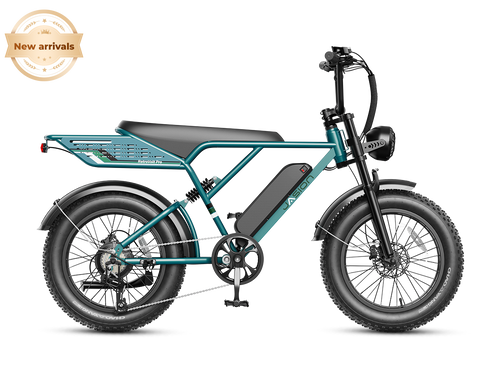
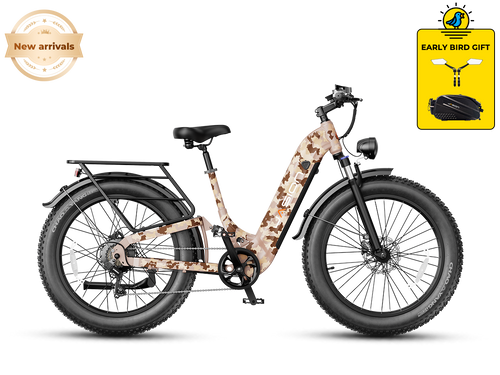
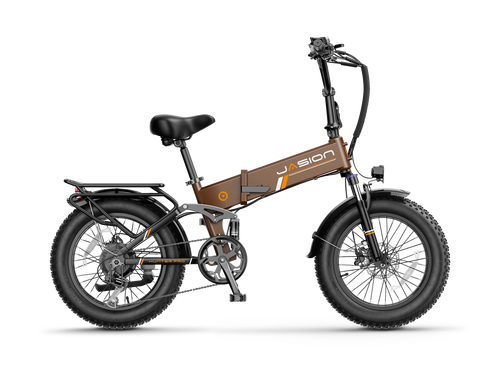
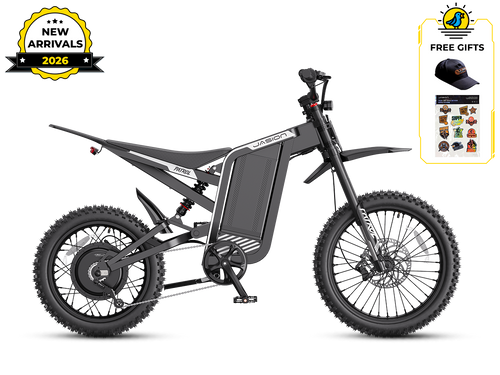
Controller response is one part of the ride alongside fit, frame style, gearing, battery capacity, and intended use. Use the Jasion ebike comparison page to compare complete models, or browse Jasion electric bikes by riding style.
Ebike Controller FAQs
What does an ebike controller do?
An ebike controller reads signals from components such as the display, pedal sensor, throttle, speed sensor, and brake cutoffs, then regulates electrical power from the battery to the motor.
Is an ebike controller the same as the display?
No. The display is the rider interface for information and settings. The controller is the power electronics unit that interprets system signals and drives the motor. The two must use compatible communication and settings.
How do I know if my ebike controller is bad?
Motor cutouts, missing assist, rough operation, errors, or unusual heat can point to a controller problem, but batteries, wiring, brake cutoffs, sensors, displays, and motors can cause similar symptoms. Check simpler causes and model-specific error information before replacing the controller.
Can I replace an ebike controller with a more powerful one?
Not safely based on voltage or advertised wattage alone. Battery limits, motor design, current, wiring, connectors, sensors, display protocol, programming, heat management, warranty, and legal classification may all be affected.
Are all 48V ebike controllers compatible?
No. A shared 48V label does not confirm matching current limits, connectors, pinouts, motor sensors, display communication, accessories, programming, or physical installation.
Can resetting an ebike controller fix every electrical problem?
No. A reset may clear certain temporary or settings-related issues on supported models, but it cannot repair damaged wiring, failed electronics, battery faults, incompatible parts, or water damage.
When contacting support, include the exact bike model, any displayed error code, and when the symptom occurs. A photo or short video can also make an intermittent problem easier to identify.


Share: