
 EU
EU
 UK
UK
 US
US
 CA
CA



An ebike can remain useful for many years when the frame is sound, the electrical system is cared for, and normal wear parts are replaced when needed. There is no single expiration date for the whole bike: the battery, tires, chain, brake pads, and other components age at different rates.
A worn tire or a battery with reduced capacity does not automatically mean the ebike is finished. When comparing Jasion electric bikes, look at battery access, brakes, tires, drivetrain, fit, intended use, and support rather than one lifespan estimate.
How Long Do Ebikes Last?
It helps to separate the bike into three groups:
- Long-term structure: the frame and fork can serve for years when undamaged, correctly used, and protected from severe corrosion.
- Electrical components: the battery, motor, controller, display, sensors, wiring, and charger each have their own operating conditions and service needs.
- Wear parts: tires, tubes, brake pads, chains, cassettes, cables, and grips are expected to wear and be replaced during normal ownership.
Mileage alone does not tell the full story. Two ebikes with the same odometer reading can age differently because of load, hills, weather, storage, maintenance, and riding style.
| Part | What normally changes | When to act |
|---|---|---|
| Frame and fork | Finish wear, corrosion, loose hardware, or damage from impact or overload | Inspect after a crash, hard impact, or visible structural change |
| Battery | Gradual capacity loss with age, use, temperature, and charging history | Evaluate when useful range drops or charging behavior changes |
| Motor and controller | Performance depends on heat, load, connections, water exposure, and system condition | Check new error codes, unusual noise, intermittent assistance, or loss of power |
| Chain and gears | Chain stretch, tooth wear, contamination, and shifting changes | Service when shifting skips, the drivetrain stays noisy, or measured wear reaches its limit |
| Brakes | Pads wear; rotors, cables, or fluid systems may need service | Act on reduced braking, rubbing, damage, or wear-limit indications |
| Tires and tubes | Tread wear, cuts, punctures, cracking, and pressure loss | Replace damaged or worn tires instead of judging by calendar age alone |
How Long Does an Ebike Battery Last?

Battery lifespan and range per charge are different questions. Range describes how far a bike may travel before recharging. Lifespan describes how the battery's usable capacity and condition change across months, years, and charge cycles.
Lithium-ion batteries gradually lose capacity with time and use. Temperature, charging, storage, load, and battery design all affect the pace. A battery may still work after its range becomes shorter; replacement becomes useful when its condition or available range no longer meets the rider's needs.
Use the charger specified for the exact battery, keep the charging area dry and ventilated, and follow the model instructions for temperature and storage. Jasion's ebike battery maintenance guide covers the detailed care tasks so this page does not duplicate it.
If the correct replacement battery remains available, reduced battery capacity does not make the rest of a sound ebike obsolete. Stop using a visibly damaged, swollen, leaking, or unusually hot battery and contact qualified support rather than opening the pack.
For long-term ownership, make sure you can identify the exact compatible replacement rather than assuming any pack with a similar voltage will fit. The mount, connector, charging requirements, communication, and bike electronics also need to match.
How Long Do Ebike Motors and Controllers Last?
Motors and controllers do not have one replacement date that applies to every ebike. Their condition reflects design, installation, load, heat, connections, and use.
Keep accessible connections clean and dry, use the bike for its intended purpose, and respond to error codes or changing behavior early. If assistance cuts in and out or the motor develops a new sound, diagnosis should come before replacement.
The controller coordinates the battery, motor, display, sensors, and rider inputs. Read the Jasion ebike controller guide to understand that role without turning a lifespan article into a troubleshooting manual.
Wear Parts Are Meant to Be Replaced
Chains, brake pads, tires, and tubes often need attention well before a frame or motor. That is normal bicycle ownership, not evidence that the ebike has reached the end of its life.
A dirty or worn chain can shift poorly and accelerate wear on the rear cogs. Jasion's bike-chain cleaning guide covers cleaning and lubrication without turning this article into another maintenance tutorial.
Brake and tire wear changes with load, terrain, speed, weather, and riding technique. Respond to changing braking feel or visible tire damage instead of waiting for a universal mileage number. For inflation guidance, use the tire's printed range and Jasion's tire-pressure guide.
Five Habits That Protect the Bike You Already Own
- Store it dry: Wipe down a wet bike and avoid long outdoor exposure.
- Follow the battery instructions: Use the specified charger and observe the model's charging, temperature, and storage guidance.
- Check tires and brakes: Correct pressure and timely brake service support both control and component condition.
- Keep the drivetrain moving cleanly: Remove grit, lubricate the chain appropriately, and investigate persistent noise or skipping.
- Catch small changes early: Check fasteners, wheels, cables, connections, and error codes before a minor issue affects other parts.
This routine does not need to feel complicated. Jasion's electric bike maintenance guide provides the fuller checklist when it is time to inspect the bike in detail.
Replace a Component or Replace the Ebike?
Replacing one component makes sense when the frame is sound, compatible parts and service are available, and the repair restores the bike to the use you need. Tires, brake pads, a chain, or a battery can be normal ownership expenses without making the rest of the bike obsolete.
A complete-bike decision becomes more relevant when the frame or fork has structural damage, several major systems need work at the same time, or the bike no longer fits the rider and intended use. A qualified technician can help separate a straightforward repair from a structural or electrical issue.
What to Check When Buying for Long-Term Ownership
- Fit and intended use: A bike that fits the rider and route is less likely to be pushed into the wrong job.
- Battery replacement path: Confirm how the exact compatible battery and charger are identified, charged, removed, stored, and replaced.
- Wear-part availability: Tires, brake pads, chains, and tubes should be identifiable for future service.
- Clear specifications: Check load, charger, battery, tire, and operating instructions for the exact model.
- Service path: Know which tasks are routine bicycle service and which require electrical support.

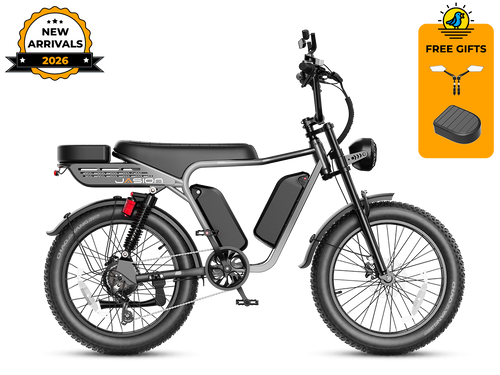
The Jasion RetroVolt Max Ebike combines a removable dual-battery system with a Shimano 7-speed drivetrain, hydraulic disc brakes, and 20 × 4-inch tires. It is a practical option for riders who value battery flexibility and a familiar multi-speed drivetrain for varied routes.
Use the Jasion ebike comparison page to compare the complete setup for your route, storage, and riding needs.
Frequently Asked Questions
How many years does an ebike last?
An ebike has no single expiration date. A sound frame can remain useful for many years, while batteries and ordinary wear parts are replaced according to their condition, use, and the manufacturer's guidance.
How many miles do ebikes last?
Mileage alone cannot predict whole-bike life. Load, terrain, weather, storage, maintenance, tire pressure, and riding style can make two ebikes with the same mileage age differently.
Does an ebike battery need to be replaced before the bike?
Often, the battery's useful capacity changes before the frame reaches the end of its service life. If the bike is otherwise sound and the correct replacement is available, battery replacement can extend useful ownership.
Do ebike motors wear out?
Motors can eventually develop faults, but there is no universal replacement schedule. Heat, load, water exposure, connections, installation, and use all matter. Diagnose new noises, error codes, or power loss before assuming the motor needs replacement.
Is a high-mileage ebike worth keeping?
It can be if the frame and fork are sound, the bike fits its intended use, and needed parts and service remain practical. Condition and maintenance history are more useful than the odometer alone.
What maintenance helps an ebike last longer?
Keep tires correctly inflated, test and service the brakes, clean and lubricate the chain, store the bike dry, follow battery instructions, and address loose parts or changing electrical behavior early.
Choose a bike that fits the job, keep up with its ordinary wear parts, and the same ebike can continue serving new routes and routines over time. Explore Jasion electric bikes for everyday riding.




Share: