
 EU
EU
 UK
UK
 US
US
 CA
CA



Most people do not start shopping for an e-bike because they want to compare motor charts.
They start because there is a ride they want to make easier. Maybe it is the daily commute that feels too long on a regular bike. Maybe it is a hill near home that ruins every ride. Maybe it is a weekend trail, a grocery run, a campus route, or a stretch of rough road that would be a lot more fun with electric assist.
That is the better way to choose an e-bike. Start with the ride you actually want, then look at the motor, battery, frame, tires, brakes, and local rules that fit that ride.
A city commuter does not need the same setup as a folding fat tire bike. A casual rider may care more about comfort than top speed. Someone riding gravel, grass, or rough roads will look at suspension, torque, and tire grip much more closely.
This guide breaks down what matters before buying an e-bike in 2026, including riding style, battery range, motor feel, e-bike class rules, frame fit, comfort, safety, and which Jasion model fits each kind of rider.
Start With How You Ride
Once you know the kind of ride you want, the specs start to make more sense.
For commuting
Look for a comfortable riding position, enough range for the round trip, reliable brakes, lights, and a class that works on your local roads or bike lanes. A step-through frame can also make daily stop-and-go riding easier.
For errands and casual rides
A throttle, upright posture, and easy handling may matter more than top speed. If you ride to the store, across campus, or around the neighborhood, convenience is the point.
For mixed terrain
Fat tires, suspension, stronger brakes, and better torque become more important. A bike that feels fine on smooth pavement may not feel as good on gravel, grass, rough roads, or dirt paths.
For storage and transport
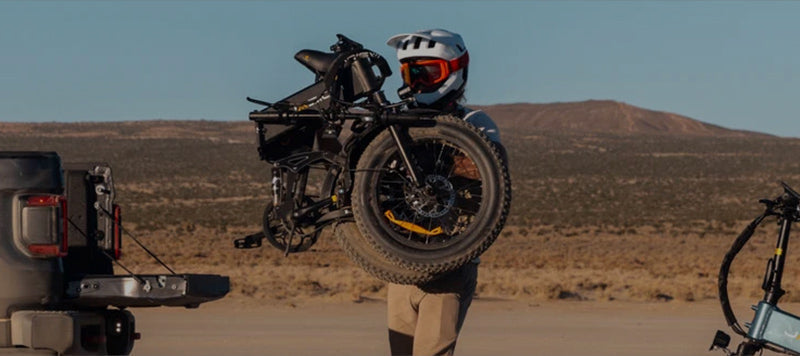
If you live in an apartment, carry the bike in a vehicle, or want something easier to store, a folding e-bike can make more sense than a full-size frame.
For moped-style riding
A long saddle, upright feel, and stronger motor can be fun for cruising and comfort. Just remember that moped-style e-bikes can be heavier, and street or path rules may vary by location.
If you are new to e-bikes and still learning the basic terms, start with this electric bike 101 guide before comparing models.
Motor Power, Torque, and Sensor Type
Motor power gets attention because it is easy to compare. A bigger number looks better. But wattage alone does not tell the whole story.
For real riding, pay attention to three things:
- Motor power: Helps with acceleration, speed, and carrying heavier loads.
- Torque: Matters when climbing hills, starting from a stop, or riding with cargo.
- Sensor type: Changes how natural or easy the pedal assist feels.
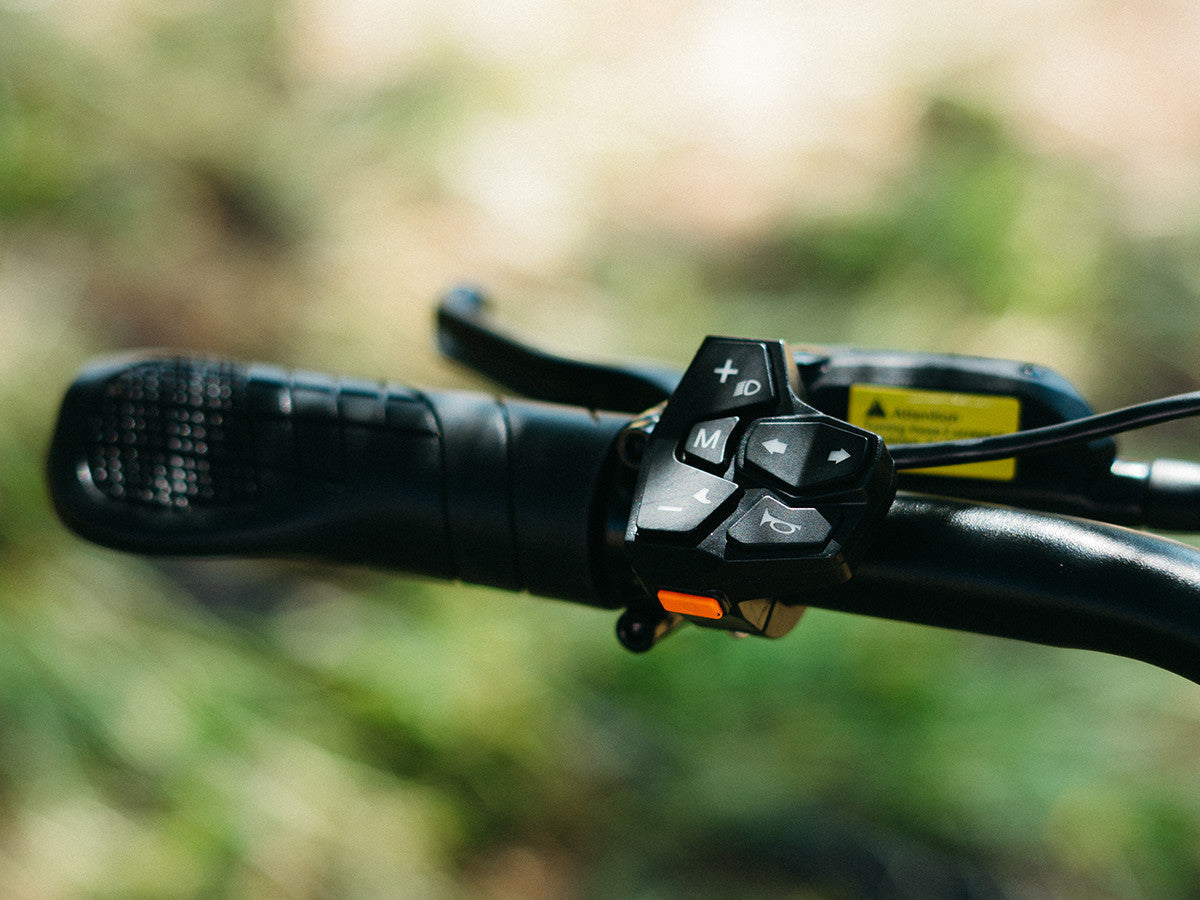
A cadence sensor usually responds when the pedals are turning. It can feel easy and relaxed, especially for casual riding. A torque sensor responds to how hard you press the pedals, which often feels more like a traditional bike.
Neither one is automatically better. If you want a simple, easy ride with less effort, cadence assist can be comfortable. If you want a more natural ride feel, read our guide to torque sensor vs cadence sensor before choosing.
Battery Range: Look Beyond the Max Number
Range claims are useful, but they are not promises for every rider.
The same e-bike can go farther or shorter depending on rider weight, hills, tire pressure, wind, temperature, pedal assist level, throttle use, road surface, and how often you stop and start.
When comparing batteries, look at the actual battery size and your real route. A commuter should think about the round trip plus a buffer. If your daily ride is 18 miles, do not buy based on an ideal 20-mile range. Give yourself room for cold weather, headwinds, hills, and battery aging.
For longer rides, all-terrain use, or heavier bikes, a larger battery can make the bike easier to live with. For short city rides, you may not need the largest battery on the page.
If you want a deeper breakdown, read this guide to electric bike battery basics.
Know Your E-Bike Class and Local Rules
Before buying an e-bike, make sure you understand the class system.
- Class 1: Pedal assist only, usually up to 20 mph.
- Class 2: Pedal assist plus throttle, usually up to 20 mph.
- Class 3: Pedal assist up to 28 mph.
That class label can affect where you are allowed to ride. Some shared paths allow Class 1 but restrict throttles. Some areas treat Class 3 differently because of the higher assisted speed. Faster or more powerful e-bikes may also need extra attention before you ride them on public roads, bike paths, or trails.
For a full breakdown, read our guide to Class 1, Class 2, and Class 3 e-bike rules.
In many places, standard e-bikes do not require a driver’s license, but rules vary by state and city. If legality is part of your buying decision, check our article on whether you need a license to ride an e-bike.
Do this before buying, not after. A bike that looks perfect on paper may not be the best choice if your favorite route does not allow that class or speed.
Choose the Right Frame and Fit
Fit is easy to overlook when you shop online. It should not be.
A powerful e-bike still feels wrong if the frame does not fit your height, flexibility, and riding routine.
Step-through vs step-over
A step-through frame is easier to mount and dismount. It works well for commuting, errands, shorter riders, and anyone who stops often. A step-over frame feels more traditional and can suit riders who want a sportier or more familiar bike shape.
If you are deciding between the two, read our full guide to step-through vs step-over e-bikes.

Folding vs full-size
A folding e-bike is useful if you need storage flexibility. It can work for apartments, RVs, car trunks, and riders who do not have much garage space.
A full-size e-bike usually feels more planted and may be better if you care more about ride stability than storage.
Fat tire vs standard tire
Fat tires add stability and grip on rougher surfaces. They can feel more confident on gravel, grass, snow, sand, and broken pavement. They also add weight, so think about where you need to carry or store the bike.
If you are considering fat tires for city use, this guide on fat tire e-bikes for commuting can help.
Rider height and reach
Do not only check the seat height. Look at rider height range, standover height, handlebar reach, and how easy it is to put a foot down. For more fit help, see our guide on what size e-bike you need.
Comfort and Safety Matter More Than You Think
A lot of buyers focus on speed and battery first. After a week of riding, they start caring about brakes, suspension, saddle comfort, lights, and tires.
It is better to care before you buy.
Brakes
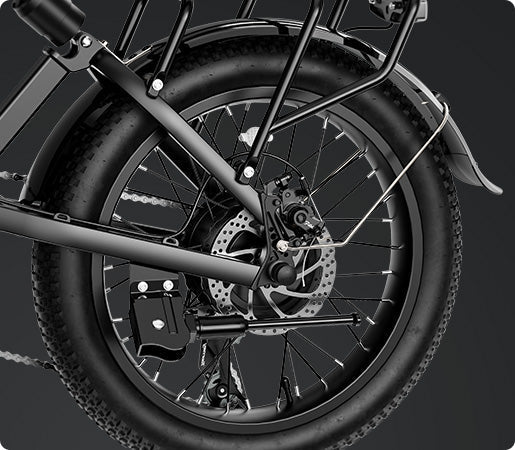
More power and more weight require stronger stopping. Mechanical disc brakes can work well on many city e-bikes. Hydraulic brakes can feel stronger and smoother, especially on heavier all-terrain models or faster rides.
Suspension
A front suspension fork can help on rough streets. Full suspension can make a bigger difference if you ride broken pavement, dirt roads, gravel, or hunting trails.
Lights and visibility
If you commute early, ride at night, or use busy roads, lights and reflectors matter. So does how visible you are from the side and rear.
Seat and posture
An upright riding position is usually easier for commuting and casual rides. A more forward position can feel sportier but may be less relaxed for everyday riders.
Comfort is not a luxury feature. It decides whether you ride the bike often or leave it in the garage.
Which Jasion E-Bike Fits Your Riding Style?
Jasion has changed a lot since this article was first written. The current lineup gives riders more choices than one commuter bike or one folding model.
Here is a practical way to think about it.
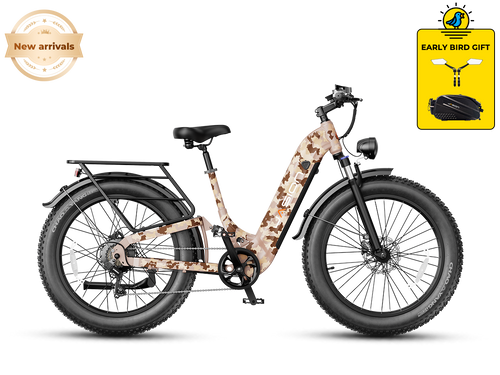
For everyday commuting: EB5 Roamer ST
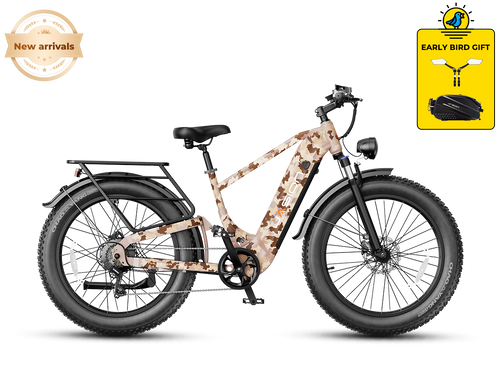
The EB5 Roamer ST is a strong fit if you want a step-through commuter with an easier mount, city-friendly lighting, comfortable daily handling, and enough assist for everyday routes.
It makes sense for riders who want something practical for commuting, bike lanes, casual longer rides, and stop-and-go city use.
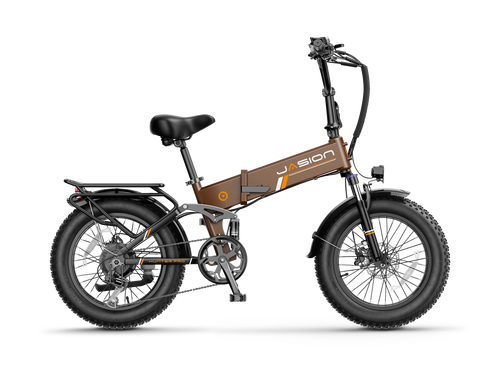
For folding fat tire versatility: X-Hunter
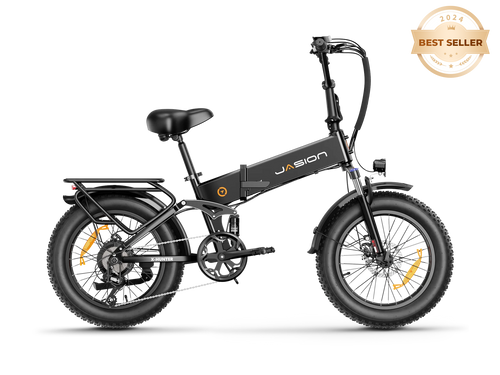
X-Hunter is built for riders who want a folding fat tire e-bike that can handle more than smooth pavement. It is a better match for mixed terrain, storage flexibility, weekend exploring, and riders who want full-suspension comfort in a folding setup.
For stronger all-terrain riding: Hunter Pro
The Hunter Pro is worth comparing if you want more off-road confidence. It is made for riders who want stronger power, better braking support, and a more capable setup for rougher routes.
For long-range power and rough roads: Thunder Pro
Thunder Pro is for riders who want a bigger all-terrain setup. It is the kind of bike to consider if comfort, power, range, and rough-road capability matter more than keeping the bike lightweight.
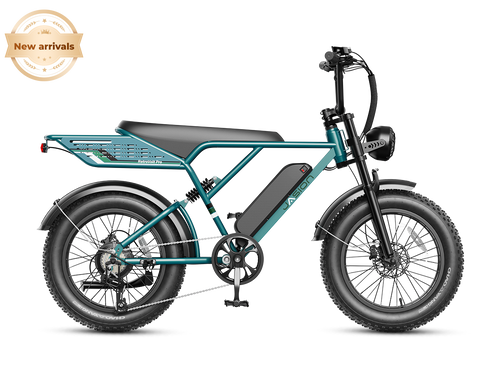
For retro moped-style comfort: RetroVolt Pro
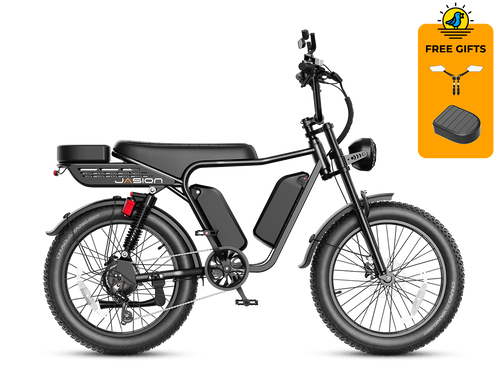
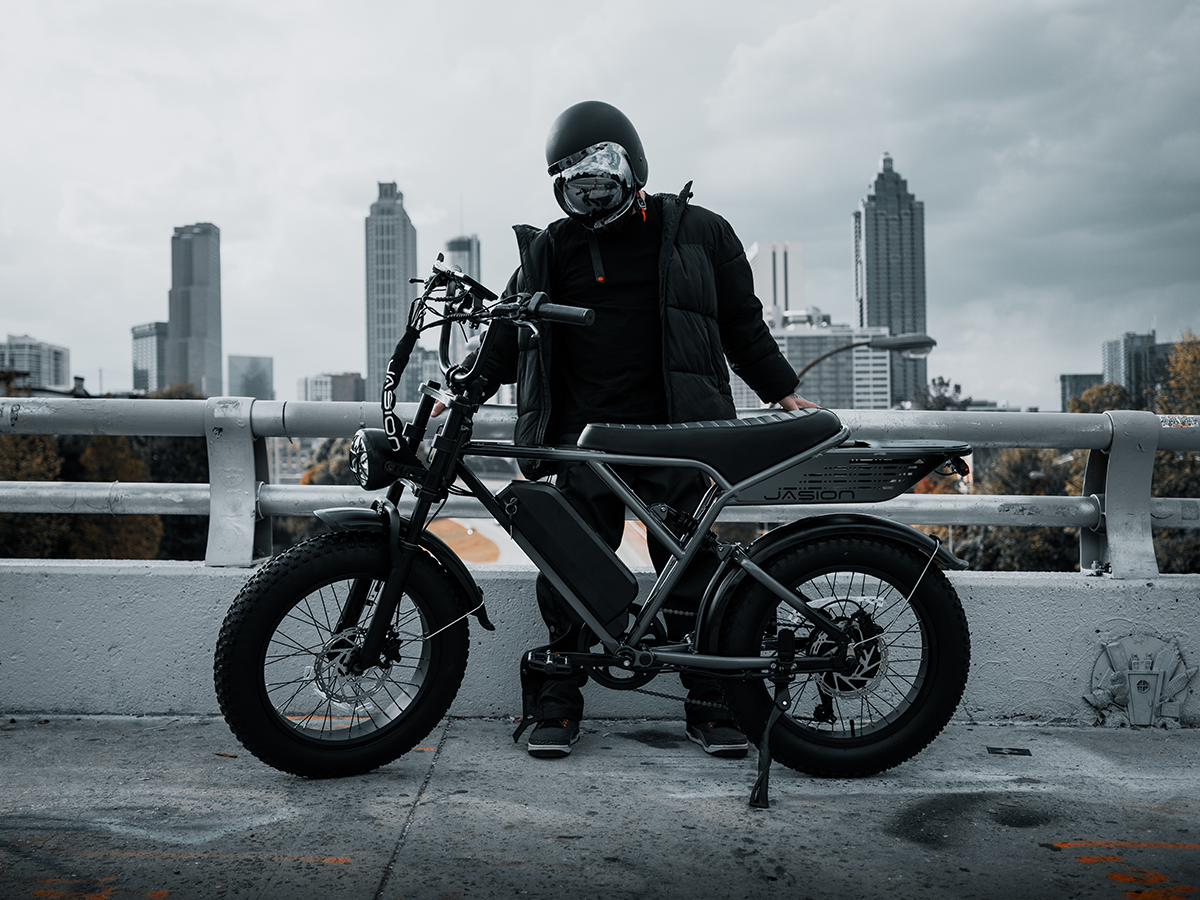
RetroVolt Pro is a better fit if you like a moped-style look and a more relaxed cruising feel. Because moped-style e-bikes can be heavier and more powerful, check your local rules before assuming every path or trail will allow them.
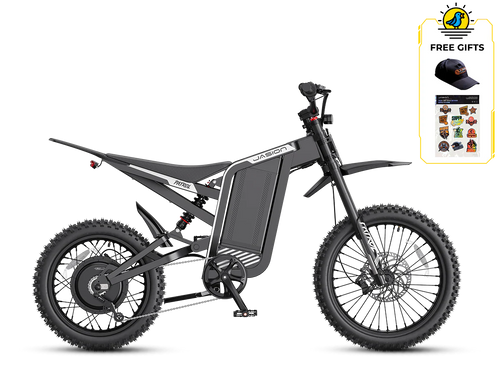
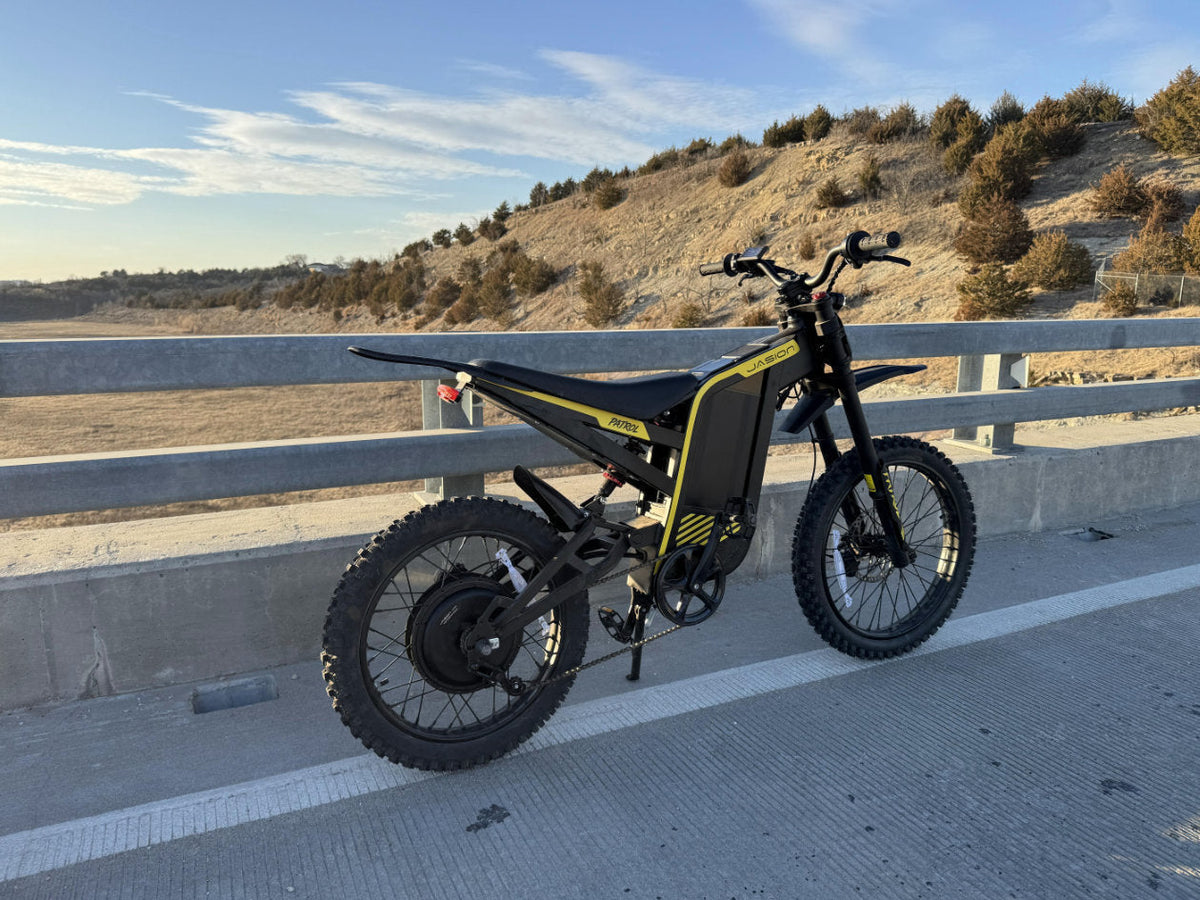
For dirt-bike-style performance: Patrol 52
The Patrol 52 is a different kind of machine. It is closer to a dirt-bike-style e-bike and fits riders looking for stronger off-road performance.
If you are looking at Patrol 52, pay close attention to local road, trail, and bike path rules. High-performance e-bikes can be exciting, but they are not always treated the same as standard commuter e-bikes.
What to Check Before You Buy
Before you choose an e-bike, run through this list.
- Your main route: city streets, bike lanes, trails, gravel, campus, errands, or mixed terrain.
- Range needs: your real round trip plus a safety buffer.
- Motor and torque: especially if you ride hills or carry cargo.
- Sensor type: cadence for easy cruising, torque for a more natural pedal feel.
- E-bike class: make sure the class fits where you want to ride.
- Frame style: step-through, step-over, folding, fat tire, or moped-style.
- Bike weight: important for stairs, storage, RVs, and car transport.
- Brakes and suspension: more important as speed, weight, and terrain increase.
- Support: warranty, replacement parts, customer service, and setup guidance.
The right e-bike is not always the biggest or fastest one. It is the one that fits your route, your body, your storage space, and the kind of rides you actually want to take.
Final Thoughts
An e-bike can change how you commute, run errands, explore trails, or enjoy weekends. But the best bike for you depends on more than one spec.
Start with your riding style. Then look at range, motor feel, e-bike class, frame fit, comfort, safety, and long-term support. Once those pieces make sense, choosing the right Jasion model becomes much easier.
Whether you want a daily commuter, a folding fat tire bike, a retro-style cruiser, or a stronger all-terrain ride, the goal is the same: choose the bike you will actually want to ride again tomorrow.
FAQs
What should I know before buying an e-bike?
Before buying an e-bike, think about where you will ride, how much range you need, whether you want a throttle, which e-bike class is legal for your route, what frame style fits you, and what level of comfort and braking power you need.
How much e-bike range do I need?
Use your real round trip as the starting point, then add a buffer for hills, wind, rider weight, stop-and-go riding, colder weather, and battery aging. Do not choose only by the maximum range claim.
Is 750W enough for an e-bike?
For many riders, 750W is enough for commuting, errands, and moderate hills. Heavier riders, steeper hills, off-road routes, or cargo may benefit from more power and torque. Always check local rules because motor limits can vary by region.
Do I need a license to ride an e-bike?
In many U.S. states, standard e-bikes do not require a driver’s license, but rules vary by state, class, speed, and local policy. Check your local laws before riding, especially with faster or more powerful models.
Which e-bike is best for commuting?
A good commuter e-bike should have enough range for your round trip, a comfortable riding position, reliable brakes, lights, and a class that works on your local roads or bike lanes. Step-through commuter models can also make frequent stops easier.
Are fat tire e-bikes good for city riding?
Fat tire e-bikes can work well in the city if you want more stability and comfort over rough pavement, curbs, gravel, or wet roads. They are usually heavier than standard tire bikes, so storage and lifting should also be considered.
Should I choose a torque sensor or cadence sensor?
Choose a torque sensor if you want pedal assist to feel more natural and responsive to your effort. Choose a cadence sensor if you prefer an easier, more relaxed ride where the motor helps once the pedals are moving.
What Jasion e-bike should I choose?
Choose based on your riding style. EB5 Roamer ST fits daily commuting, X-Hunter fits folding fat tire versatility, Hunter Pro and Thunder Pro fit stronger all-terrain use, RetroVolt Pro fits retro moped-style cruising, and Patrol 52 fits riders looking for dirt-bike-style performance.


Share: