
 EU
EU
 UK
UK
 US
US
 CA
CA



Electric bikes are legal in Ohio. Most Class 1, Class 2, and Class 3 e-bikes do not require a license, registration, or insurance.
Rules depend on the bike’s class and where you ride. Class 3 e-bikes have additional requirements for age, helmets, speedometers, and path access. Cities, parks, and trail systems may also set their own restrictions.
This guide covers Ohio’s e-bike classes, where you can ride, and how to choose the right e-bike setup for roads, sidewalks, shared-use paths, and local routes.

Before You Ride an E-Bike in Ohio
Here are the main points Ohio riders should understand before taking an e-bike onto public roads, bike lanes, paths, or trails. For statewide guidance, you can also review the Ohio Department of Transportation’s electric bicycle information.
| Topic | What Ohio Riders Should Know |
|---|---|
| E-bike legality | E-bikes are legal in Ohio if they meet the state’s electric bicycle definition. |
| License | A driver’s license is generally not required for a properly classified e-bike. |
| Registration | Standard Class 1, Class 2, and Class 3 e-bikes generally do not need vehicle registration. |
| Insurance | Insurance is generally not required for standard e-bikes. |
| E-bike classes | Ohio recognizes Class 1, Class 2, and Class 3 electric bicycles. |
| Class 3 riders | Class 3 e-bike operators must be at least 16 years old. |
| Helmet rules | Class 3 operators and passengers must wear a compliant helmet. |
| Sidewalks | Do not assume motor-assisted sidewalk riding is allowed. Local rules may also apply. |
| Trails and shared paths | Access can depend on the e-bike class, path type, posted signs, and local rules. |
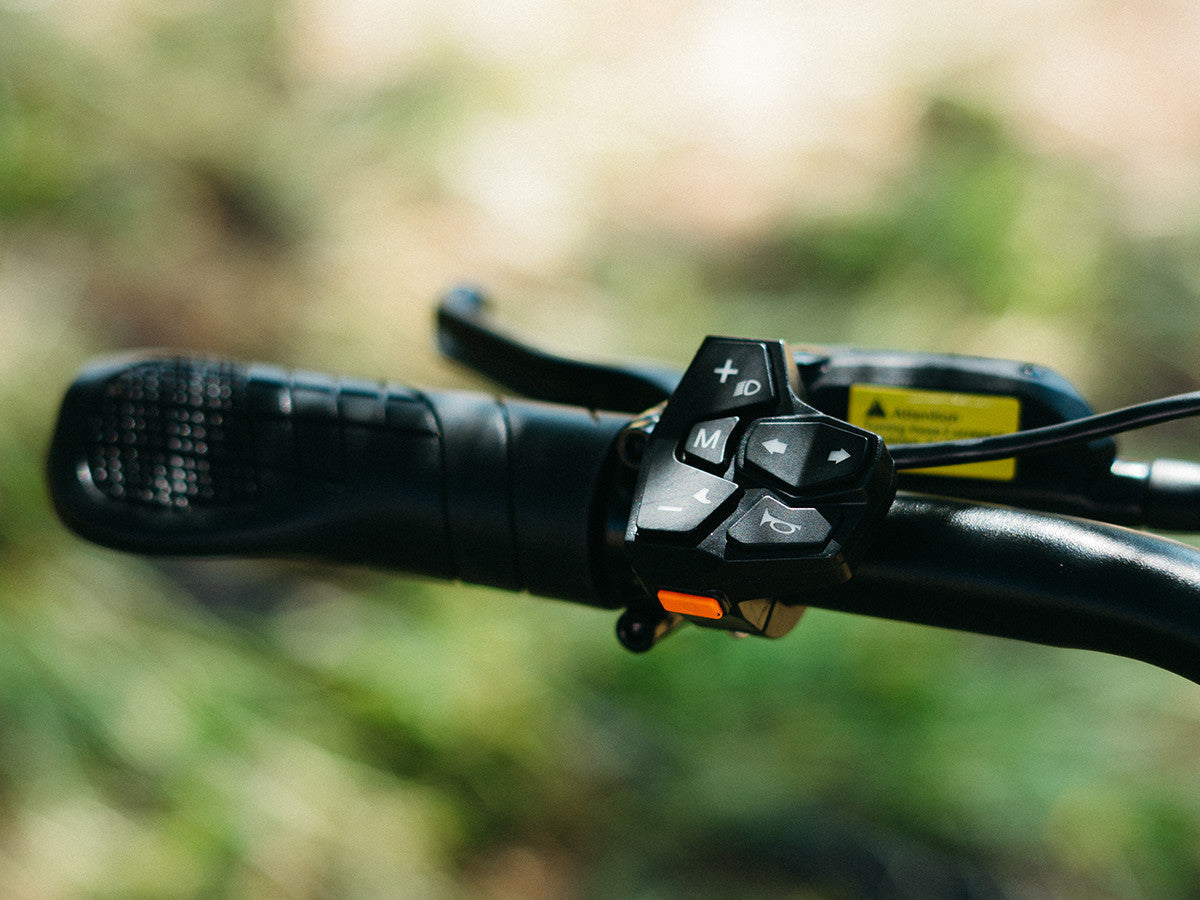
| Riding modes | If your e-bike has multiple riding modes, use the setting that fits your route, posted signs, and local rules. |
The easiest way to stay compliant is to start with: What class is your e-bike? Where do you plan to ride? And does the local authority allow that class on that route?
What Counts as an Electric Bike in Ohio?
Ohio uses the common three-class e-bike system. If you want a deeper comparison, read our guide to Class 1 vs Class 2 vs Class 3 Ebikes.
Class 1 E-Bike in Ohio
A Class 1 e-bike provides motor assistance only when you pedal. The motor stops assisting once the bike reaches 20 mph.
Class 1 is a good fit for riders who want a traditional bike feel, easy handling, and broad everyday usability on local bike routes.
Class 2 E-Bike in Ohio
A Class 2 e-bike can use a throttle and/or pedal assist. Motor assistance stops at 20 mph.
Class 2 is practical for everyday riding because the throttle can help with starts, hills, errands, and stop-and-go city routes. For many riders, Class 2 offers a comfortable balance of convenience and control.
Class 3 E-Bike in Ohio
A Class 3 e-bike provides pedal assistance up to 28 mph. In Ohio, Class 3 e-bikes have additional requirements, including age, helmet, speedometer, and access rules.
Class 3 can be useful for longer commutes, road-based riding, and riders who want stronger assisted performance. If your route includes shared-use paths, park paths, or recreational trails, check posted rules first so you can plan the best route.
Do You Need a License, Registration, or Insurance for an E-Bike in Ohio?
For a standard Class 1, Class 2, or Class 3 e-bike that meets Ohio’s definition, you generally do not need a driver’s license, vehicle registration, license plate, or insurance.
Before riding on public roads or paths, it is still helpful to check:
- Does the bike have fully operable pedals?
- Does it have a clear Class 1, Class 2, or Class 3 label?
- What is the top assisted speed?
- What is the motor wattage?
- Which riding mode do you plan to use?
- Does your route include public roads, bike lanes, shared-use paths, sidewalks, or local trails?
- Are there posted signs or local rules for the route you plan to use?
For a broader state-by-state overview, read JasionBike’s guide: Do You Need a License to Ride an Electric Bike in the USA?
Ohio E-Bike Helmet, Age, and Speedometer Rules
Class 3 riders should pay special attention to Ohio’s age, helmet, and speedometer requirements.
In Ohio, a person under 16 may not operate a Class 3 e-bike. Class 3 operators and passengers must wear a protective helmet that meets recognized safety standards. A Class 3 e-bike must also be equipped with a speedometer.
For Class 1 and Class 2 e-bikes, statewide helmet rules are generally less strict than Class 3 rules, but wearing a helmet is still strongly recommended. Local areas, schools, parks, and youth riding situations may also have additional safety rules.
The practical takeaway: if you are buying a Class 3 ebike for Ohio, treat helmet use, age requirements, and speed awareness as part of responsible riding.
Choosing the Right E-Bike Class for Ohio Riding
Ohio riders should choose an e-bike based on where they ride most often. Speed matters, but route type matters too. A rider who mostly uses public roads may have different needs from someone who rides through parks, shared-use paths, or local trails.
| Rider Situation | What to Consider |
|---|---|
| You ride mostly on public roads and on-road bike facilities | A Class 3 e-bike may be a strong fit for longer, road-based commuting. |
| You want throttle help for starts, hills, and errands | A Class 2 e-bike can be practical for everyday riding and stop-and-go routes. |
| You often use shared-use paths or park routes | Check posted signs and local access rules before choosing your route. |
| You want comfort, power, and versatility | Compare motor, range, frame style, tire type, and riding mode before buying. |
| Your route includes both streets and recreational paths | Plan the route first, then choose the e-bike class and settings that fit it. |
For many Ohio riders, the best e-bike is not simply the fastest model. It is the one that fits the rider’s commute, storage needs, terrain, comfort preference, and local route rules.
If you are still comparing options, start with JasionBike’s Compare Models page or browse electric bikes for adults.
Where Can You Ride an E-Bike in Ohio?
This is where many riders get confused. A bike can be legal as an e-bike, but access can still depend on a specific path, sidewalk, park trail, or local route.
| Riding Area | Class 1 | Class 2 | Class 3 | What to Check |
|---|---|---|---|---|
| Public roads | Usually allowed | Usually allowed | Usually allowed | Follow bicycle traffic rules |
| On-road bike lanes | Usually allowed | Usually allowed | Usually allowed where bicycles and that class are permitted | Local rules and road design |
| Shared-use paths | Usually allowed unless restricted | Usually allowed unless restricted | Check local access rules | Path type and local authority |
| Bike-only paths | Usually allowed unless restricted | Usually allowed unless restricted | Check local access rules | Whether Class 3 is authorized |
| Sidewalks | Do not assume motor use is allowed | Do not assume motor use is allowed | Do not assume motor use is allowed | State and city sidewalk rules |
| Natural-surface trails | Check trail rules | Check trail rules | Check trail rules | Land manager authorization |
| State parks and local parks | Depends | Depends | Depends | Posted signs and agency rules |
Roads and On-Road Bike Facilities
E-bikes can generally be used on roads where bicycles are allowed. Riders should follow traffic signs, signals, lane rules, lighting requirements, and safe passing practices.
Class 3 e-bikes often make sense for road-based commuting because they are designed for higher assisted speed. If your commute is mostly on public roads, a Class 3 model may be worth considering.
Shared-Use Paths and Bike Paths
Class 1 and Class 2 e-bikes are usually easier to use on bike-only paths and shared-use paths, unless a city, county, township, state agency, or other local authority prohibits them.
Class 3 e-bikes can also be useful for many Ohio riders, especially for road-based routes. If your ride includes bike-only paths or shared-use paths, check whether the route is adjacent to a highway or whether local rules specifically allow Class 3 use.
This helps you plan a route that fits both your e-bike and the places you want to ride.
Sidewalks
Do not assume that e-bikes can be ridden on sidewalks with the motor engaged. Ohio Revised Code Section 4511.711 treats electric bicycles differently when the motor is being used.
In plain English: if you are on a sidewalk, be very careful about using motor assistance. Cities may also have their own sidewalk riding rules. When in doubt, walk the bike, use the road or bike lane, or check local regulations before riding.
Natural-Surface Trails and Mountain Bike Trails
Natural-surface trails, singletrack, hiking trails, equestrian trails, mountain bike trails, and similar routes are often managed separately by local parks, state agencies, or trail authorities.
If your route includes these areas, check the posted rules or the land manager’s website first. This is especially useful for riders using fat tire, all-terrain, or adventure-style e-bikes.
What Does “No Motorized Vehicles” Mean for E-Bikes in Ohio?
This is one of the most common real-world questions. A rider sees a “No Motorized Vehicles” sign and wonders whether an e-bike counts.
The safe answer is: do not rely on the sign wording alone. Check four things:
- Your e-bike class.
- The type of path or trail.
- Posted local rules.
- The agency or land manager that controls the route.
Some paths may allow certain electric bicycles while banning cars, motorcycles, ATVs, or gas-powered vehicles. Other paths may restrict e-bikes completely, or allow some e-bike classes but not others.
If you are unsure, slow down, look for posted signs, and check the local park, city, or trail authority before riding.
How to Choose the Right JasionBike for Ohio Roads and Trails
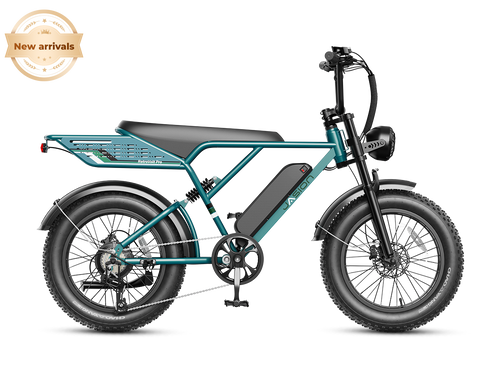
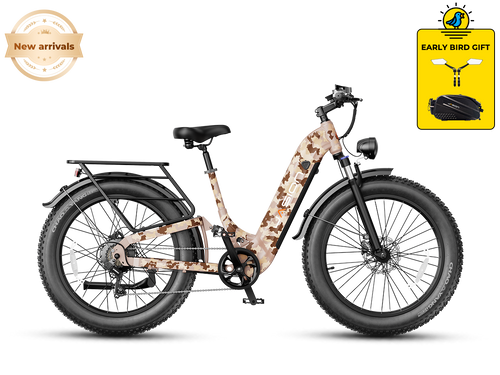
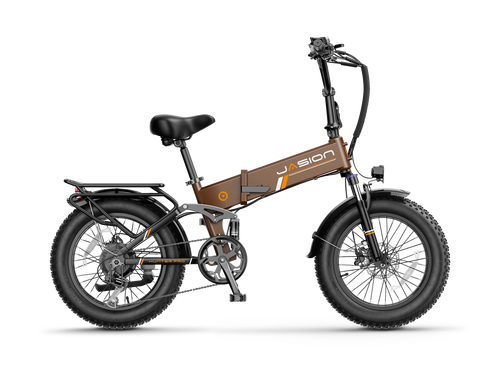
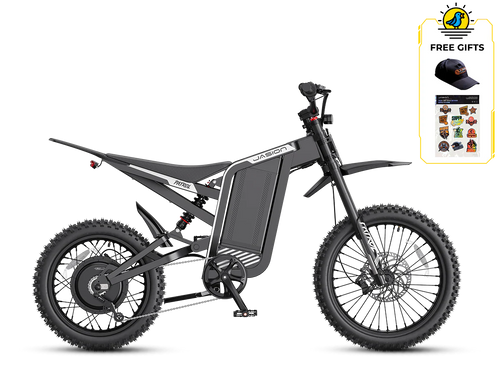
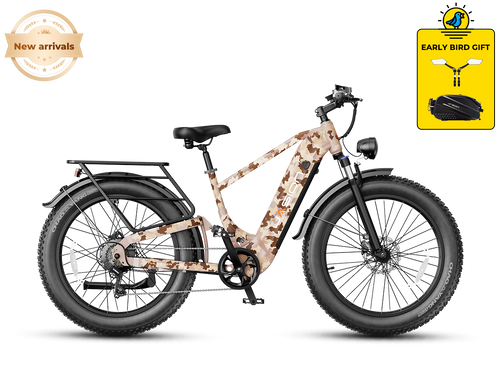
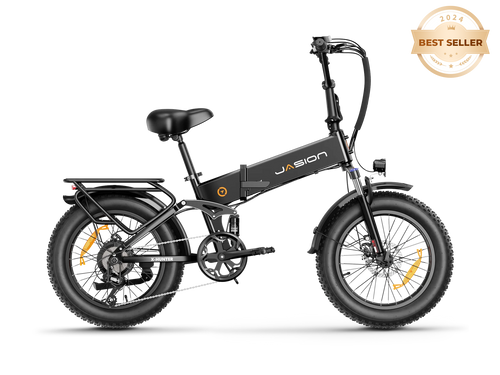
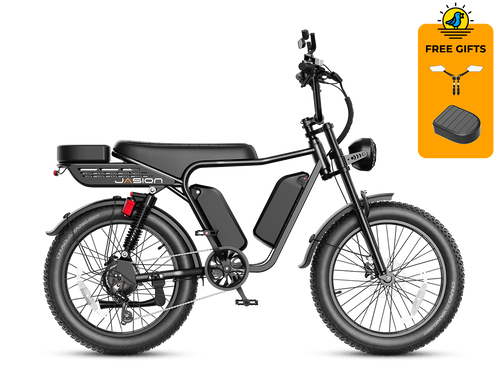
JasionBike offers e-bikes for commuting, errands, folding storage, all-terrain riding, and moped-style comfort. For Ohio riders, the key is to match the bike and riding mode to where you plan to ride most often.
Before riding in Ohio, check:
- Your e-bike’s class label and product specifications
- The top assisted speed for the riding mode you plan to use
- Whether your route is mainly public roads, on-road bike facilities, shared-use paths, sidewalks, or trails
- Posted signs and local rules for parks, campuses, and trail systems
- Helmet, age, and speedometer requirements if you ride a Class 3 e-bike
For Road-Based Commuting
If most of your ride is on public roads or road-adjacent routes where bicycles are allowed, a higher-assist commuter setup may be useful for longer distances, hills, and keeping pace with traffic flow.
For Errands, Hills, and Everyday Riding
If you want easier starts, hill support, and a more relaxed everyday ride, a throttle-capable e-bike can be convenient for short trips, errands, and stop-and-go routes.
For Parks, Shared Paths, and Trails
If your route includes shared-use paths, park paths, or recreational trails, check the posted signs and local rules before riding. Some paths allow certain e-bike classes, while others may limit speed, motor use, or access by class.
For Higher-Performance Models
If your e-bike includes more than one riding mode or performance setting, use the setting that fits the route and local rules. Higher-performance modes are best used where they are permitted and appropriate for the riding environment.
Not sure which model fits your route? Use JasionBike’s Compare Models page, or browse folding e-bikes, fat tire e-bikes, and moped-style e-bikes based on your riding needs.
Ohio E-Bike Trail Etiquette
Legal riding and courteous riding are not always the same thing. Even where e-bikes are allowed, riders share space with walkers, kids, pets, runners, and traditional cyclists.
Use these habits on Ohio paths and trails:
- Slow down around pedestrians and slower riders.
- Give an audible warning before passing.
- Use extra care on crowded shared-use paths.
- Keep extra distance on heavier fat tire e-bikes.
- Do not treat 20 mph as the default speed on a busy path.
- Follow posted speed limits and trail signs.
- Yield when required.
- Ride like a guest in shared space.
This matters because many e-bike conflicts are not about whether the bike is legal. They are about whether other people feel safe around it.
FAQ About Ohio Ebike Laws
Do you need a license, registration, or insurance for an e-bike in Ohio?
In most cases, no. A properly classified Class 1, Class 2, or Class 3 e-bike generally does not require a driver’s license, vehicle registration, or insurance in Ohio. Riders should still check the bike’s class, riding mode, and local route rules before riding.
Can you ride an e-bike on sidewalks in Ohio?
Do not assume that motor-assisted sidewalk riding is allowed. Ohio restricts electric bicycle use on sidewalks when the motor is engaged, and cities may have their own sidewalk rules. When in doubt, walk the bike or use a road, bike lane, or approved path.
Can Class 3 e-bikes use bike paths in Ohio?
Class 3 e-bikes have more path-access rules than Class 1 and Class 2 e-bikes. Some routes may allow them, especially if the path is adjacent to a highway or local rules specifically permit Class 3 use. Always check posted signs and local regulations before riding.
What are Class 4 e-bike laws in Ohio?
Ohio’s standard e-bike system recognizes Class 1, Class 2, and Class 3 electric bicycles. “Class 4” is not a standard Ohio e-bike class. Riders should check the product label, riding mode, and local rules to understand where a specific e-bike can be used.
What should I check before riding a powerful e-bike in Ohio?
Check the bike’s class label, assisted speed, motor rating, riding mode, and where you plan to ride. A powerful e-bike can be useful for commuting, hills, and all-terrain riding, but riders should use the mode and route that match local rules.
How should Ohio riders choose an e-bike?
Start with your route. If you ride mainly on public roads, commuting performance may matter most. If you ride on shared paths or park routes, access rules and comfort may matter more. Compare class, range, motor, frame style, tire type, and riding mode before choosing.
Final Thoughts
Ohio ebike laws come down to three things: class, route, and local rules.
Class 1, 2, and 3 e-bikes are generally allowed, and Ohio riders have many ways to use e-bikes for commuting, errands, recreation, and weekend rides. Class 3 access, sidewalks, shared paths, trails, and performance settings simply need a little extra route planning.
Choose your e-bike based on where you ride, how far you go, what terrain you face, and what level of comfort and performance you want.



Share: