
 EU
EU
 UK
UK
 US
US
 CA
CA



Buying an e-bike is easy. Buying the right e-bike is where people get stuck. Not because they chose the “wrong wattage,” but because the bike doesn’t fit real life: it’s annoying to store, awkward to carry, uncomfortable after 15 minutes, or overkill for the rides they actually do.
This guide is built to help you choose quickly—without turning into a spreadsheet. Start with the 30-second quiz, then jump to the section that matches your lifestyle.

E-Bike Fit Quiz
Answer these honestly. Your best match becomes obvious.
1) What will you ride most?
Daily commute, errands, relaxed weekend rides, light gravel paths, or a mix?
2) Where will the bike live?
Garage with an outlet, apartment stairs, small hallway, or a trunk/RV? Storage and charging reality matters more than most specs.
3) Are hills a regular thing?
A flat bike lane commute is a different purchase than steady climbs or windy coastal paths.
4) How often will you stop and start?
City riding means lots of stops. Comfort getting on/off and predictable handling become big deals.
5) What do you care about most?
“Easy to store,” “easy to ride,” “easy on my knees,” “easy to carry,” or “easy to go farther.”
Choose Your E-Bike by Lifestyle
If you commute (or run errands) most days
A commuter e-bike should feel simple: quick starts, stable handling, and the right accessories so you’re not improvising every ride. If you’re carrying a backpack or groceries, you’ll appreciate practical add-ons like lights and a place to mount or carry gear.
Common mistake: people buy based on top speed, then realize the bike is a hassle to store or charge. If you live upstairs or have limited space, pay extra attention to weight, portability, and whether you can charge the battery conveniently.
If you want a bike that’s easy to store or travel with
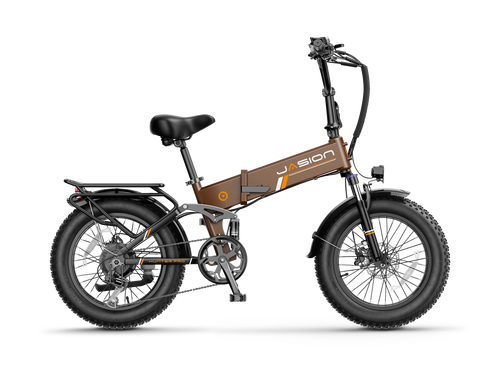
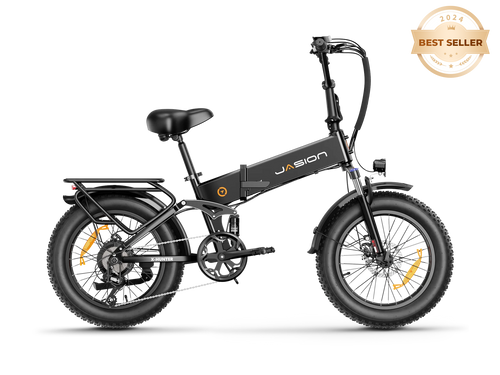
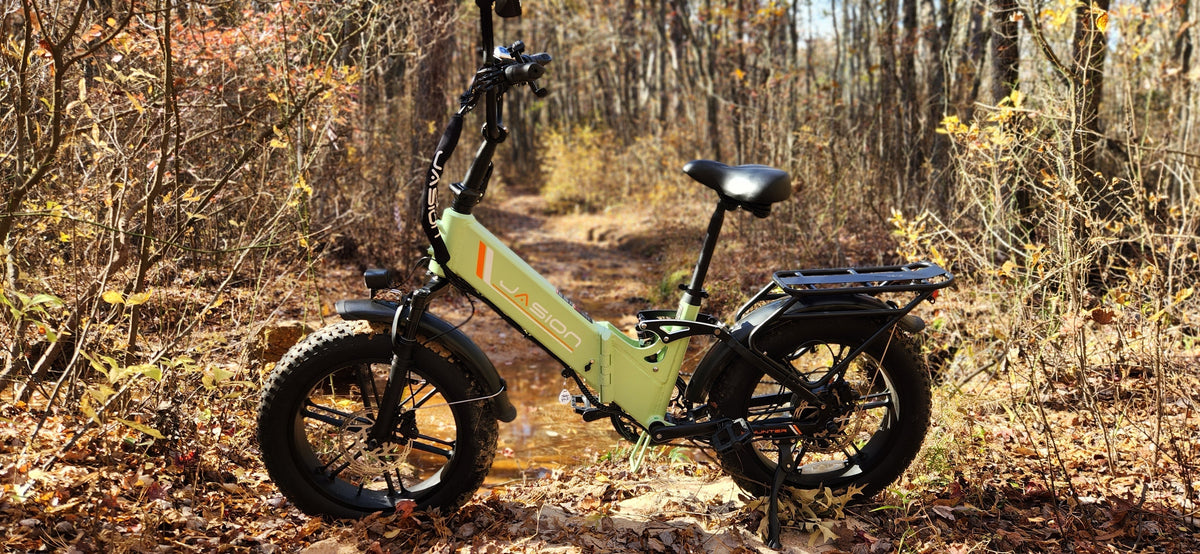
If your e-bike needs to fit in a trunk, closet, or tight garage corner, folding convenience can be the difference between “I ride all the time” and “it collects dust.” For that lifestyle, a foldable option like the EB7 2.0 is worth considering—especially if you plan to drive to trailheads or keep the bike out of the way at home.
If comfort and easy on/off matter
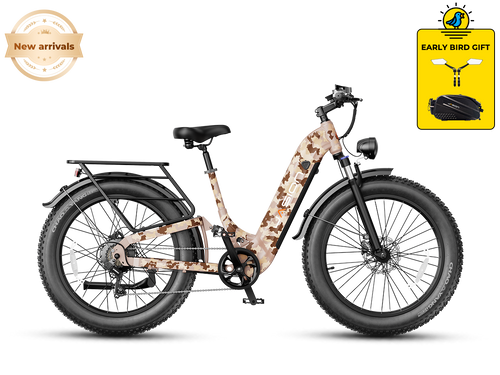
If you stop often, share the bike, or just want a “no big step-over” experience, a step-through frame can make riding feel more approachable. It’s also underrated for errands: hopping on and off repeatedly is simply easier. If that sounds like you, a step-through option like the EB7 ST is a natural fit.
If your “weekend ride” includes mixed surfaces
“Off-road” means different things to different riders. Many people actually mean: packed gravel, park connectors, firm dirt paths, and the occasional rough patch—not technical mountain bike trails. For that kind of riding, stability, braking confidence, and tire choice matter more than chasing extreme specs.
Motor and Battery: What Actually Matters
The motor and battery are important, but you don’t need to become an engineer. Think in terms of your route and your routine.
Motor: match it to hills, starts, and load
If you ride in stop-and-go traffic, carry gear, or face regular hills, you’ll value smoother assistance and confident acceleration. If you’re curious about motor types (and what the differences mean in real life), this explainer can help: geared hub vs direct drive.
Battery: plan for real rides, not perfect conditions
Range is affected by hills, wind, tire pressure, rider weight, cargo, and how much assist you use. A simple way to avoid range anxiety is to plan with margin—especially on your first month of riding. If you want practical ways to stretch your range, see: maximizing e-bike range.
Size, Weight, and Fit: The Quiet Deal-Breakers
Here’s a quick story that repeats itself: a rider buys a powerful bike, loves it on day one, then slowly stops riding because moving it in and out of storage is a pain. If you’ll lift your bike up steps, onto a rack, or into a trunk, be realistic about what you’re willing to do on a busy weekday.
Three fit checks before you buy
Saddle height: you should be able to pedal comfortably without rocking your hips.
Reach: if you feel stretched, your neck and wrists will complain quickly.
Step-over comfort: if mounting feels awkward in the garage, it won’t feel better at a busy intersection.
Features and Accessories Worth Caring About
Accessories aren’t “nice to have” if they change whether you ride in real life.
For commuting and errands
Lights, fenders for wet roads, and a practical way to carry stuff (rack or bag setup) make weekday riding easier. Also think about where you’ll lock the bike and what kind of lock you’ll use.
For weekend exploring
Comfort touches matter: saddle comfort, stable tires, and a ride feel you actually enjoy for an hour. The “best” bike is the one you want to take out when you’re tired.
Budget: How to Spend Smart
Prices move. Sales happen. New models launch. Instead of fixating on one price point, decide what you refuse to compromise on: storage convenience, comfort, braking confidence, or battery routine.
If you’re comparing options, it’s often faster to shortlist 2–3 bikes that fit your lifestyle, then compare them side-by-side: compare Jasion e-bikes.
Common Mistakes People Make When Choosing an E-Bike
Buying for a fantasy lifestyle
If you commute three miles on flat roads, you don’t need a “mountain beast.” If you live upstairs, a heavy bike can become a daily annoyance. Buy for what you’ll do 90% of the time.
Ignoring storage and charging
The best e-bike is the one that’s easy to charge and easy to get out the door. If charging is inconvenient, rides quietly disappear.
Skipping comfort
If it doesn’t feel good, you won’t ride it. Comfort isn’t a luxury—it's the whole point.
FAQ: Choosing the Right E-Bike
What is the best e-bike for commuting?
The best commuter e-bike fits your route and your routine: stable handling for stop-and-go riding, comfortable geometry, and practical features like lights and carrying options. If you have limited storage or use a car/train sometimes, portability can matter just as much as motor specs.
How much e-bike range do I really need?
Plan for your round-trip distance with extra margin for hills, wind, cold weather, and heavier loads. Most people ride farther when it feels easy, so choosing a setup that reduces range anxiety is usually a good move.
Should I choose a folding e-bike or a standard frame?
Choose a folding e-bike if you need easy storage, trunk transport, or flexible commuting that mixes driving and riding. Choose a standard frame if you have plenty of storage space and don’t need portability day to day.
Is a step-through e-bike better for beginners?
Often, yes. Step-through frames make mounting and stopping feel easier, especially in traffic or when you ride with frequent stops. They’re also helpful for riders who prefer a more accessible on-and-off experience.
What should I prioritize if I live in an apartment?
Prioritize storage and charging convenience first. Think about where the bike will sit, whether you’ll lift it, and how you’ll charge it consistently. A bike that’s easy to handle in tight spaces gets ridden more.
Summing
Choosing the right e-bike is mostly about matching the bike to your daily habits: where you ride, where you store it, how often you stop, and what “comfortable” really means to you. If you want a simple next step, shortlist a folding option and a step-through option, then compare them side by side: use our compare page. You’ll make a better decision in ten minutes than you will reading fifty spec sheets.
When you’re ready, you can also browse the full lineup here: electric bike collection.






Share: