
 EU
EU
 UK
UK
 US
US
 CA
CA



An electric bike with a child seat can turn the school run, a park visit or a quick neighborhood errand into a ride you both look forward to. The right setup matters, though. A regular rear rack built for bags is not automatically a passenger area, and a padded seat for an older child is not the same as a child safety seat with its own restraint system.
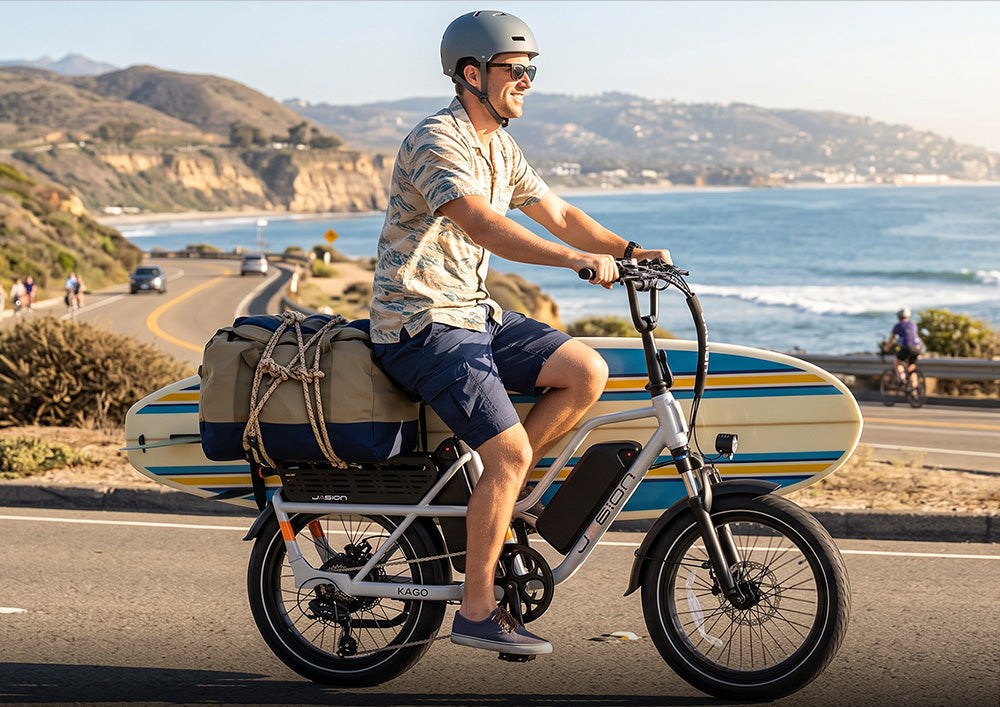
Jasion Kago cargo ebike is a compact cargo e-bike designed to carry more than everyday bags. With the proper rear passenger setup, it can carry one child along with the rider. Its step-through frame, hydraulic disc brakes, 20-by-3-inch tires, integrated lighting and long rear platform make it a practical starting point for family trips.
This guide explains how to choose and prepare an e-bike for carrying a child, what changes once a passenger is aboard and how Kago fits into a family riding routine.

Can You Put a Child Seat on an Electric Bike?
Yes, provided the bike is designed for the added load and the passenger equipment suits both the child and the mounting area. The important question is not simply whether a seat can be bolted on. The bike, seat and child need to work together as one setup.
Start with a cargo or utility e-bike that has a purpose-built rear platform and enough total carrying capacity. Then select the appropriate passenger arrangement for the child's size and ability. A younger child who needs full body support should ride in a properly fitted child safety seat with the restraint and foot protection specified by its manufacturer. An older child who can sit steadily and follow instructions may use an approved rear passenger setup with the required seating, handhold and foot support.
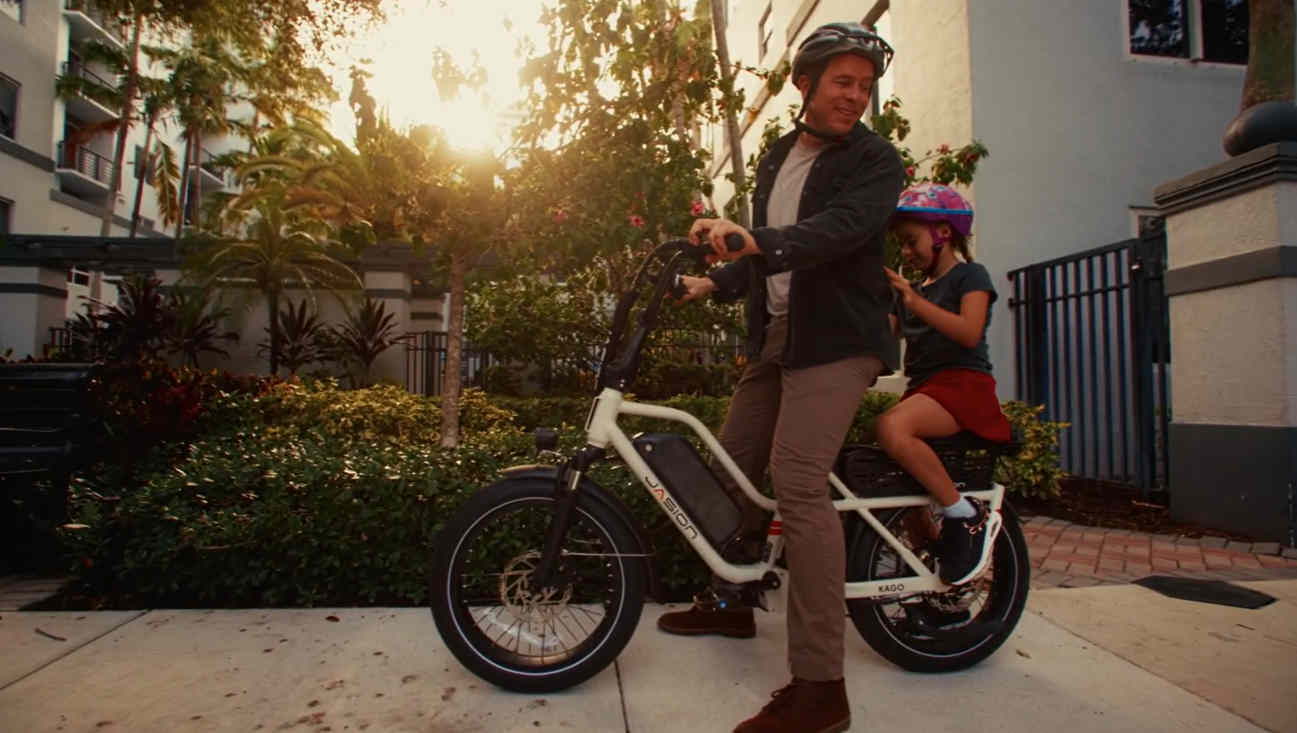
The Jasion Kago is shown in official product imagery carrying one helmeted child on its extended rear passenger area. This gives families a clearer starting point than adapting a conventional commuter bike that was designed only for a bag or basket.
Child Safety Seat and Passenger Pad: Know the Difference
Searchers often use “child seat” for every rear-riding arrangement, but the hardware can serve different stages.
| Setup | How it supports the child | What to check |
|---|---|---|
| Child safety seat | Provides a shaped seat and its own restraint system; some models also provide side and leg protection. | Child size limits, mounting system, restraint fit, foot protection and clearance from the wheel. |
| Rear passenger pad | Creates a padded sitting surface for a child who can remain seated and follow riding instructions. | Secure mounting, handhold, foot support, clothing clearance and the child's ability to maintain position. |
| Child trailer | Places the child in a separate, low trailer with its own frame and restraint system. | Hitch compatibility, trailer limits, route width, visibility and the e-bike manufacturer's guidance. |
Choose by the child's needs rather than appearance. If the child cannot sit securely throughout the ride, use a passenger system that supplies the necessary support and restraint. Whatever the setup, keep feet, shoelaces, loose clothing and straps away from the rear wheel and drivetrain.
What Makes an Ebike Suitable for Carrying a Child?
A rear area designed for more than luggage
A cargo e-bike starts with a stronger, longer carrying platform. That gives passenger equipment a more useful base and places the child's weight closer to the bike rather than high above a narrow add-on rack. Kago integrates its rear structure into the frame and supports up to 350 lb of total load.
That total includes the rider, child, passenger equipment, accessories and anything else on the bike. Add those weights together once during setup; after that, the figure becomes a simple planning tool rather than something you need to reconsider before every short ride.
Easy mounting and steady stops
A step through frame lets the rider get on without swinging a leg over the rear passenger area. This is especially helpful after the child is seated. The saddle should also be adjusted so the rider can stop confidently and place a foot down without leaning the bike toward the passenger.
Braking that feels controlled with added weight
Kago uses hydraulic disc brakes with motor cutoff. Pulling a brake lever stops motor assistance while the hydraulic system provides smooth lever action. A passenger still increases momentum, so controlled speed and earlier braking remain part of a comfortable ride.
Visibility from more than one direction
The Kago lighting system includes a headlight, taillight, brake light and turn signals. These do not replace careful positioning or hand signals where appropriate, but they make the bike's presence and intended movement easier for other road users to read.
Battery capacity for a full family routine
Added weight, frequent starts and hills can increase energy use. Kago includes two removable 52V 20Ah batteries, providing 2,080Wh of total published capacity and a listed range of up to 120 miles. Actual range changes with load, route, speed, weather, tire pressure and assist use, but the second battery gives family rides more reserve for an extra stop on the way home.
For a closer explanation of battery capacity and real-world range, read the Jasion ebike battery guide.
Why Kago Works for Family Rides
Kago was built around everyday carrying rather than having utility added as an afterthought. Its compact 20-inch wheel format keeps the rear platform relatively low, while 3-inch-wide tires create a broad contact patch for pavement, neighborhood streets and maintained paths. The front suspension fork helps absorb cracks and small bumps before they reach the rider's hands.
Five pedal-assist levels let the rider choose how much support to use. For passenger rides, lower assistance is useful while starting, turning or moving through shared spaces; additional support is available for open sections of the route and inclines. If the relationship between pedaling and motor support is new to you, our verified guide explains how pedal assist works.
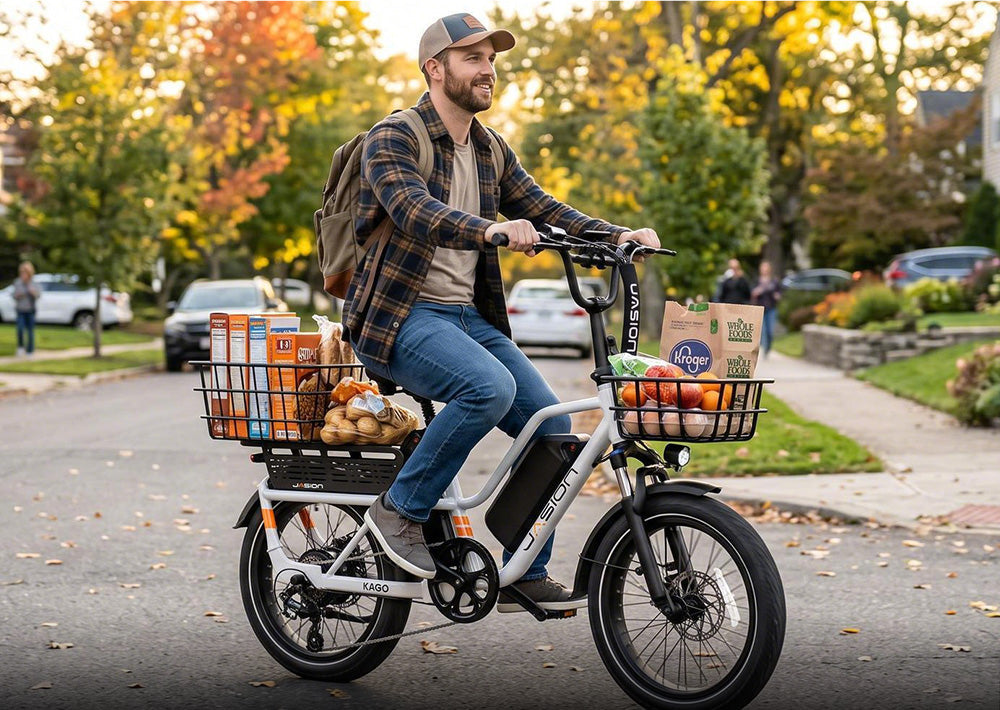
The extended rear area can also return to cargo duty when the child is not aboard. Set it up for school bags, groceries or weekend gear instead of keeping a second vehicle for each task. The Kago introduction covers the bike's broader design, while our Kago everyday carry guide explains cargo placement and loaded riding.
How to Set Up Kago for a Child Passenger
- Choose the passenger equipment. Use a child safety seat when the child needs a dedicated restraint and added support. Use the appropriate rear passenger arrangement only when the child can sit steadily and follow instructions.
- Secure every mounting point. Install the seat or passenger pad according to its supplied instructions. There should be no movement at the mounting hardware after tightening.
- Add a secure handhold and foot support. The child needs a consistent place for both hands and feet. Feet and clothing must remain clear of the spokes, tire, chain and brake components.
- Fit the child's helmet. It should sit level and remain secure without sliding forward or backward. Replace a helmet that is damaged or no longer fits.
- Adjust the rider's position. Set the saddle so you can control the bike at low speed and put a foot down firmly when stopped.
- Count the complete load. Include the rider, child, passenger equipment and any cargo within Kago's total load capacity of up to 350 lb.
- Run a stationary check. Test the brakes, lights and turn signals, inspect tire pressure and confirm that nothing can enter a moving wheel.
Passenger accessories can change as the child grows. Check the current Jasion accessories collection for available Kago equipment rather than assuming that every universal seat uses the same mounting system.
A Better Way to Load and Unload
Many riding guides focus on the road and overlook the moment when the bike is most likely to feel awkward: while the passenger is getting on or off. A consistent sequence makes family trips easier.
- Stop on firm, level ground and switch motor assistance off.
- Stand beside the bike with both hands controlling it. Do not expect the kickstand alone to hold the bike while a child climbs aboard.
- Help the child into the seat or passenger position, then secure the restraint or passenger equipment.
- Place the child's feet on the intended supports and check wheel clearance.
- Put bags in their cargo position after the child is settled so the bike remains balanced during loading.
- At the destination, stop the motor, stabilize the bike and remove bags only if they block access. Help the child down before releasing control of the bike.
This order keeps the adult in control during the weight changes that happen when a passenger moves on or off the rear platform.
How Riding Changes With a Child on the Back
The bike will feel different, even when the combined load is well within its rating. The rear carries more weight, acceleration feels stronger to the passenger and stopping takes more distance. None of this makes family riding complicated; it simply rewards smooth inputs.
- Begin in a low assist level and accelerate gradually.
- Keep both hands on the handlebar when starting and stopping.
- Brake earlier and apply both brakes smoothly.
- Enter turns at a comfortable speed and avoid sudden direction changes.
- Approach curbs, potholes and speed bumps slowly.
- Use familiar low-traffic routes for the first few rides.
- Allow the child to get off before parking or moving the bike into storage.
Practice starts, stops and wide turns without a passenger first, then repeat them in an open area with the complete setup. Understanding how the motor, controller and brakes work together can also make the bike's response easier to anticipate.
Plan Family Trips Around Comfort, Not Maximum Speed
School drop-offs and park rides usually involve intersections, parked cars and shared paths. A calm route can be more valuable than the shortest route. Choose streets where you have room to position the bike, avoid hurried turns and make the first outings short enough for the child to become comfortable with the sounds and movement.
Weather matters too. Wet pavement can lengthen stopping distance, while extreme heat or cold may make the trip uncomfortable for a passenger who is sitting still. Pack layers, water and the child's essentials securely so nothing hangs near the wheels.
Passenger and helmet rules vary by state, city and riding location. Check the current rules that apply to your route, especially when using bike paths, parks or school property. This is a one-time route-planning step, not a reason to make every family outing complicated.
Everyday Trips Kago Can Share With Your Child
A family e-bike earns its place by making ordinary trips easier. Kago's combination of passenger space and cargo utility suits:
- School and activity drop-offs
- Neighborhood park visits
- Library and community-center trips
- Short grocery stops with room for a bag
- Weekend rides on familiar paved routes
When the child is not riding, the rear area can carry work gear, packages or groceries. That flexibility is the point of a cargo e-bike: one platform can adapt to the trips already filling your week.
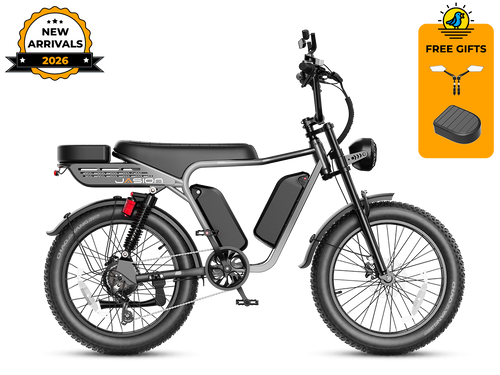
See the current Kago colors, included equipment and availability below, or browse the complete Jasion cargo ebike collection & browse our all ebikes.
Frequently Asked Questions
Can you put a child seat on an electric bike?
Yes, when the e-bike is designed for the added load and the child seat is appropriate for the child and mounting area. A cargo e-bike with a purpose-built rear platform is generally a better starting point than a lightweight rack intended only for bags.
Can the Jasion Kago carry a child?
Yes. Kago can carry one child using the proper rear passenger setup and protective equipment. Include the rider, child, passenger equipment and cargo when staying within the bike's maximum total load of up to 350 lb.
Does a child need a helmet when riding on an e-bike?
A child should wear a properly fitted bicycle helmet on every passenger ride. Helmet laws differ by location and age, so also check the requirements that apply where you ride.
Is a cargo e-bike better for carrying a child?
A cargo e-bike provides a longer, more substantial carrying platform than a typical commuter rack. Models such as Kago also combine an easy-mount frame, hydraulic brakes, integrated lighting and added battery capacity for regular family trips.
How does an e-bike handle with a child passenger?
The bike carries more rear weight and needs more distance for smooth stops. Start in low assistance, accelerate gradually, brake earlier and practice with the complete setup in an open area before using busier routes.


Share: