
 EU
EU
 UK
UK
 US
US
 CA
CA



The difference between a 20x4 and a 26x4 fat tire e-bike is about more than wheel size.
A 20x4 e-bike is generally more compact, responsive, and easier to store. It is also the more common choice for folding frames. A 26x4 model offers a full-size riding position and rolls more smoothly over potholes, gravel, roots, and other uneven surfaces.
Choose 20x4 if folding storage and easy maneuvering matter most. Choose 26x4 if you want a roomier fit, smoother rollover, and a more planted feel on longer rides.
Jasion’s fat tire electric bike includes both formats, so the right choice comes down to how—and where—you plan to ride.
20x4 vs 26x4 at a Glance
| Factor | 20x4 Fat Tire E-Bike | 26x4 Fat Tire E-Bike |
|---|---|---|
| Ride feel | Responsive and compact | Stable and full-size |
| Rough surfaces | Feels larger bumps more | Rolls over bumps more smoothly |
| Storage | Requires less space | Requires more space |
| Folding frames | Common | Uncommon |
| Rider fit | Often paired with compact frames | Often provides more room for taller riders |
| Best suited to | City riding, RV trips, and limited storage | Longer rides, gravel, and rough pavement |
Wheel size is only part of the equation. Frame geometry, suspension, tire pressure, total bike weight, and rider position can make two e-bikes with the same tire size feel very different.
What Do 20x4 and 26x4 Mean?
The first number refers to the wheel-size category. The second refers to the approximate tire width.
A 20x4 fat tire uses a 20-inch wheel format with a tire roughly four inches wide. A 26x4 fat tire uses a larger 26-inch wheel with a similar tire width.
Both formats offer the broad contact area associated with fat tire e-bikes. The main difference is how the wheel diameter affects handling, obstacle rollover, frame size, and storage.
A larger wheel approaches a bump at a shallower angle, helping it move over cracks and obstacles more gradually. A smaller wheel keeps the bike compact and responds more quickly when the rider changes direction.
Actual measurements can vary by tire brand, tread, rim, and inflation level, so 20x4 and 26x4 are best treated as size categories rather than exact outside dimensions.
The Three Differences That Matter Most
1. Handling and Ride Feel
A 20x4 e-bike usually feels quicker and more responsive at lower speeds.
That can be useful on neighborhood streets, shared paths, campgrounds, parking areas, and routes with frequent stops or tight turns. Riders who prefer immediate steering may enjoy the compact feel.
The tradeoff becomes more noticeable on rough surfaces. Because the wheel has a smaller diameter, it can drop farther into potholes and depressions. Fat tires and suspension help absorb some of the impact, but they do not completely remove the difference.

A 26x4 e-bike generally feels calmer and more planted. The larger wheels maintain momentum well and roll more naturally over:
- Broken pavement
- Gravel
- Shallow potholes
- Roots
- Rutted paths
- Uneven trails

This does not mean every 26x4 bike is more comfortable than every 20x4 bike. Suspension, tire pressure, frame design, and riding posture still matter. When the rest of the setup is similar, however, the larger wheel usually offers smoother rollover.
2. Rider Fit and Frame Size
Wheel size can affect fit, but it should not be used as a shortcut for choosing a bike.
A 20x4 e-bike is not automatically designed for short riders. A 26x4 model is not automatically suitable for every tall rider.
The complete frame determines whether the bike fits comfortably. Before buying, check:
- Recommended rider-height range
- Minimum and maximum seat height
- Standover or step-through height
- Handlebar reach
- Riding position
- Maximum payload
Smaller wheels give manufacturers more flexibility to build compact folding or step-through frames. That can make some 20x4 models easier to mount and manage, especially in tight spaces.
Full-size 26x4 frames often provide more room between the seat and handlebar. This can benefit taller riders or anyone who feels cramped on a compact bike.
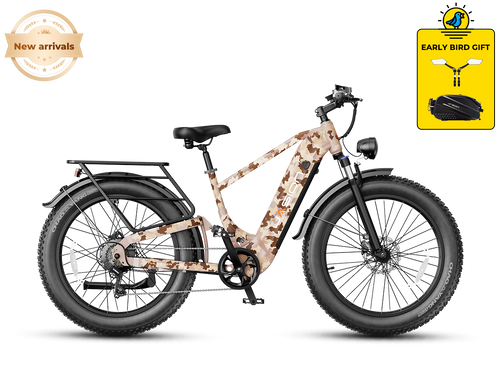
For example, the Jasion Thunder Pro combines 26x4 tires with a published rider-height range of 5'5" to 7'2" and a maximum payload of 500 lb. These fit characteristics come from the complete frame design—not the tires alone.
3. Storage and Transportation
This is often the deciding factor.
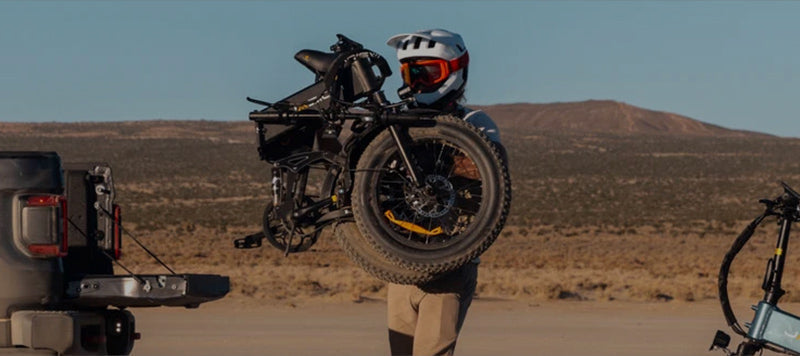
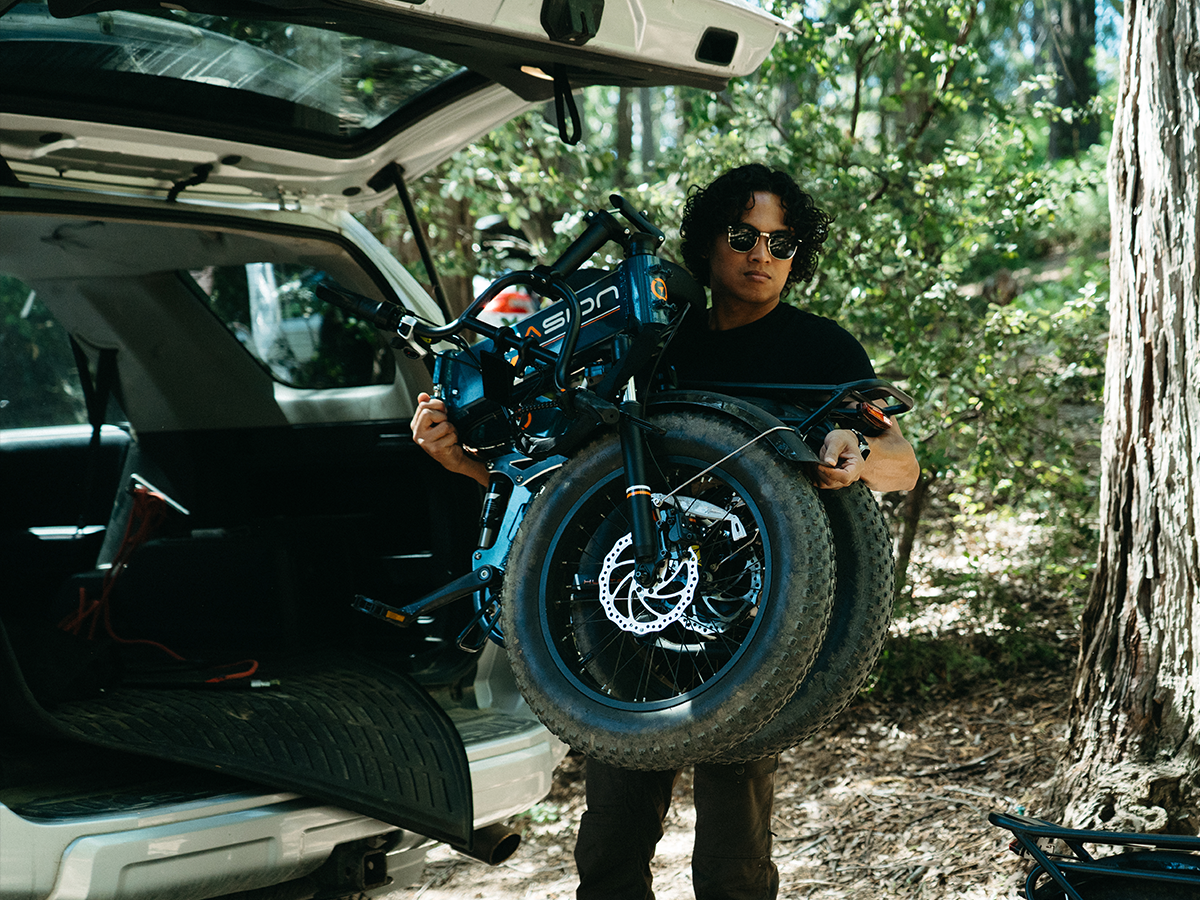
Many 20x4 fat tire e-bikes use folding frames because the smaller wheels help reduce the bike’s folded footprint. A folding model may be easier to store in:
- A garage with limited space
- An apartment storage area
- An RV or camper
- An SUV cargo area
- A small shed
However, foldable does not mean lightweight.
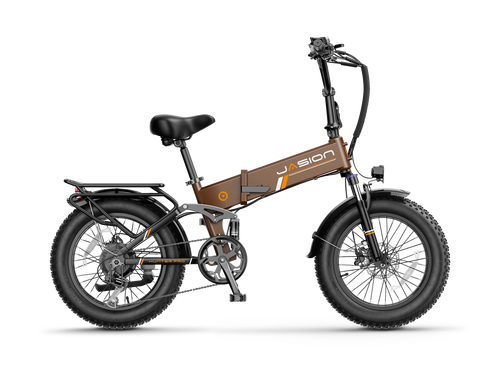
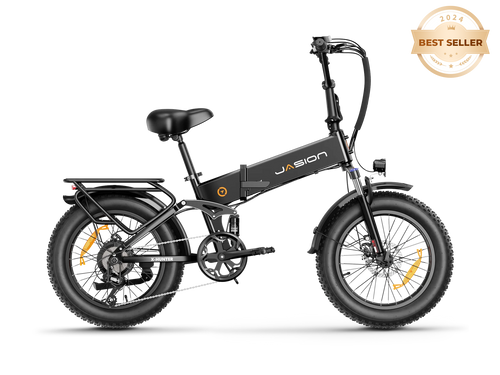
The Jasion Hunter Pro uses 20x4 tires and a folding frame, but it weighs 82 lb. Folding makes it more compact for storage; it does not turn it into a bike that most riders will want to carry up a staircase.
Before choosing a folding e-bike for vehicle travel, measure the cargo area and consider how the bike will be loaded. Removing the battery may reduce some weight, but the remaining frame can still be substantial.
A 26x4 e-bike normally uses a full size, non-folding frame. It needs more storage space and is less likely to fit inside a vehicle. Owners may need an exterior hitch rack rated for the bike’s weight, tire width, and wheelbase.
Which Wheel Size Should You Choose?
Choose a 20x4 Fat Tire E-Bike If You:
- Need a folding frame
- Have limited storage space
- Plan to transport the bike inside an SUV or RV
- Prefer responsive steering
- Ride routes with frequent stops and turns
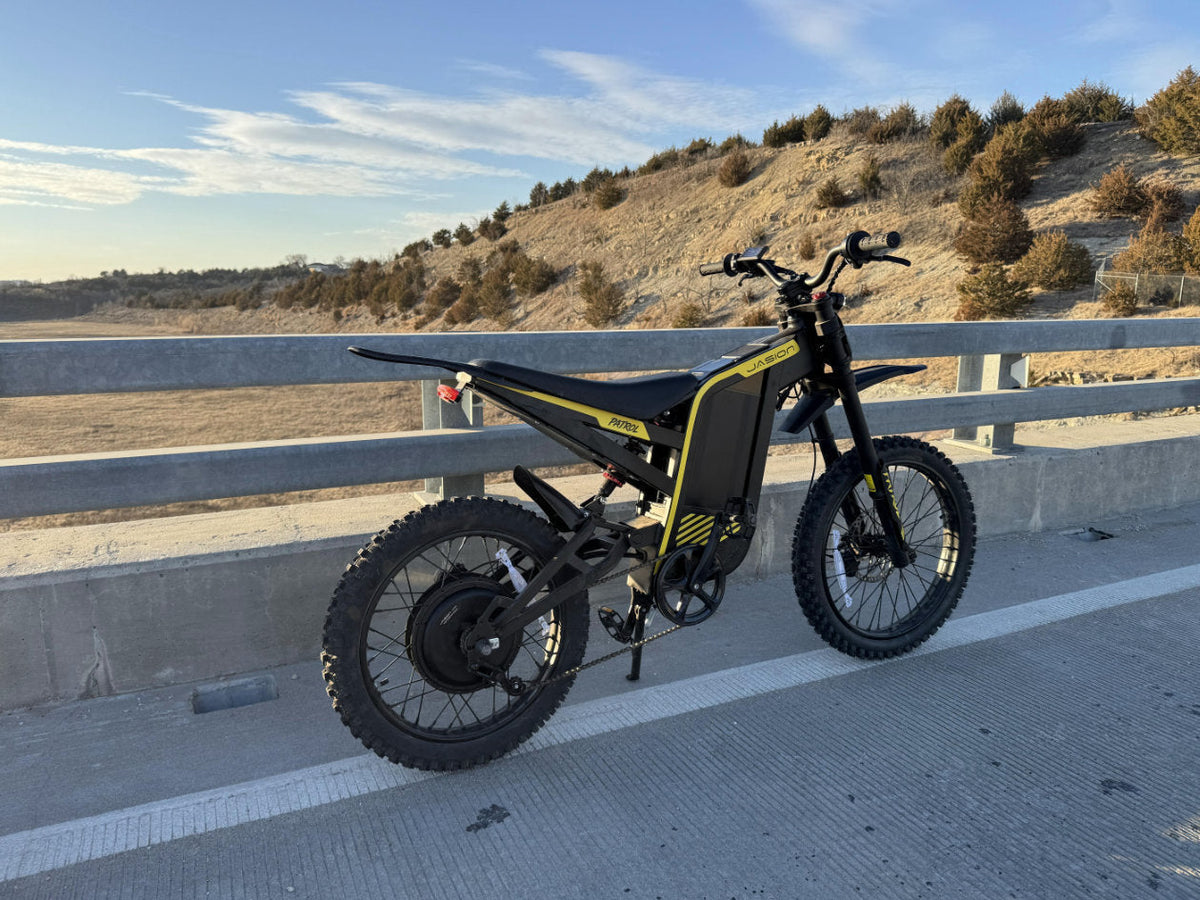
- Want a compact step through or moped style option
A 20x4 model works especially well when storage flexibility is part of your everyday routine—not just something you might need once a year.
Choose a 26x4 Fat Tire E-Bike If You:
- Prefer a traditional full-size bicycle feel
- Regularly ride broken pavement or gravel
- Want smoother obstacle rollover
- Prefer calmer steering on longer rides
- Need a roomier fit
- Do not need the frame to fold
A 26x4 model makes sense when the bike will remain assembled and you have enough room to store or rack it.
Compare Jasion 20x4 and 26x4 Models
| Wheel Size | Jasion Models | Best Suited To |
|---|---|---|
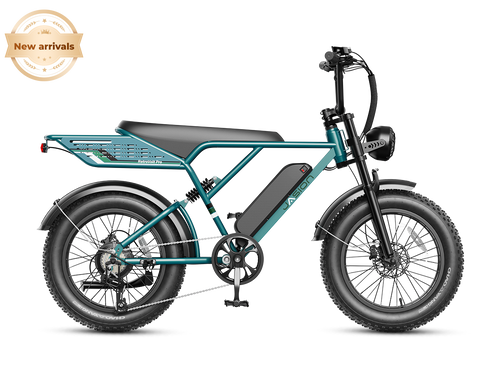
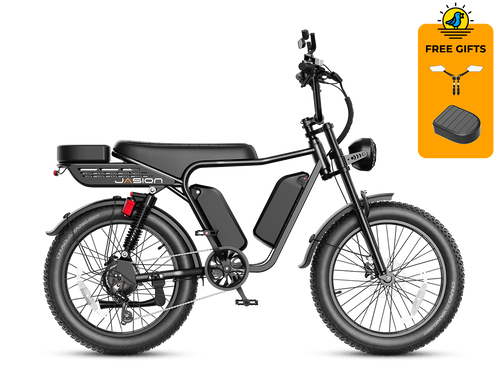
| 20x4 | Hunter Pro, X-Hunter, X-Hunter ST, RetroVolt Pro | Folding storage, responsive handling, step-through access, or moped-style riding |
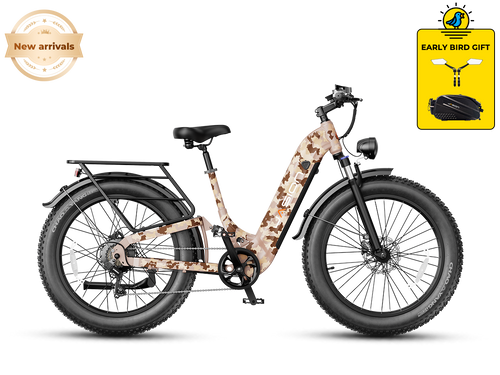
| 26x4 | Thunder, Thunder Pro, Thunder Pro ST | Full-size fit, taller riders, longer rides, and rougher surfaces |
Wheel size is a useful starting point, but the right model also depends on frame style, rider fit, range, payload, and storage needs. For a closer look at each model, read our Jasion fat tire ebike comparison guide.
Find the Right Fat Tire EBike
Compare Jasion’s 20x4 and 26x4 models by frame style, rider fit, storage needs, and riding terrain.
Frequently Asked Questions
Is a 20x4 Fat Tire E-Bike Suitable for Tall Riders?
It can be, provided the model’s official rider-height range and frame dimensions fit the rider. Check seat extension, handlebar reach, and riding posture rather than relying only on wheel size.
A tall rider who values folding storage may still prefer a 20x4 model. A rider who wants more room and does not need folding may be more comfortable on a full-size 26x4 bike.
Is a 26x4 E-Bike Too Large for a Shorter Rider?
Not necessarily. A 26x4 step through ebike may be easier to mount than a compact high-step model.
The minimum seat height, step-through height, bike weight, and official fit range are more useful than the wheel size label. Riders should be able to start, stop, turn, and place a foot down confidently.
Does Wheel Size Affect Speed or Range?
Wheel size can influence acceleration, momentum, and ride feel, but it does not determine speed or range by itself.
Top speed and range also depend on:
- Motor and controller settings
- Battery capacity
- Pedal-assist level
- Rider and cargo weight
- Hills and wind
- Tire pressure
- Temperature
- Surface conditions
- Riding speed
Do not assume that every 26x4 e-bike travels farther or that every 20x4 model accelerates more quickly. Compare the complete bike specifications.
Can I Replace 20x4 Wheels With 26x4 Wheels?
Usually not.
A larger wheel may not fit the frame or fork. It can also affect brake alignment, steering geometry, ride height, fender clearance, gearing, motor compatibility, and speed readings.
Use the wheel and tire sizes approved for the specific ebike.
Final Verdict
Choose a 20x4 fat tire e-bike for compact storage, folding options, and responsive handling.
Choose a 26x4 fat tire e-bike for a full-size riding position, smoother rollover, and a more stable feel on longer or rougher rides.
Neither size is better for every rider. The right choice depends on your body, terrain, storage space, and how often you need to transport the bike.
Explore Jasion’s fat tire electric bike to compare 20x4 folding bikes, step-through models, moped-style designs, and full size 26x4 electric bikes.


Share: